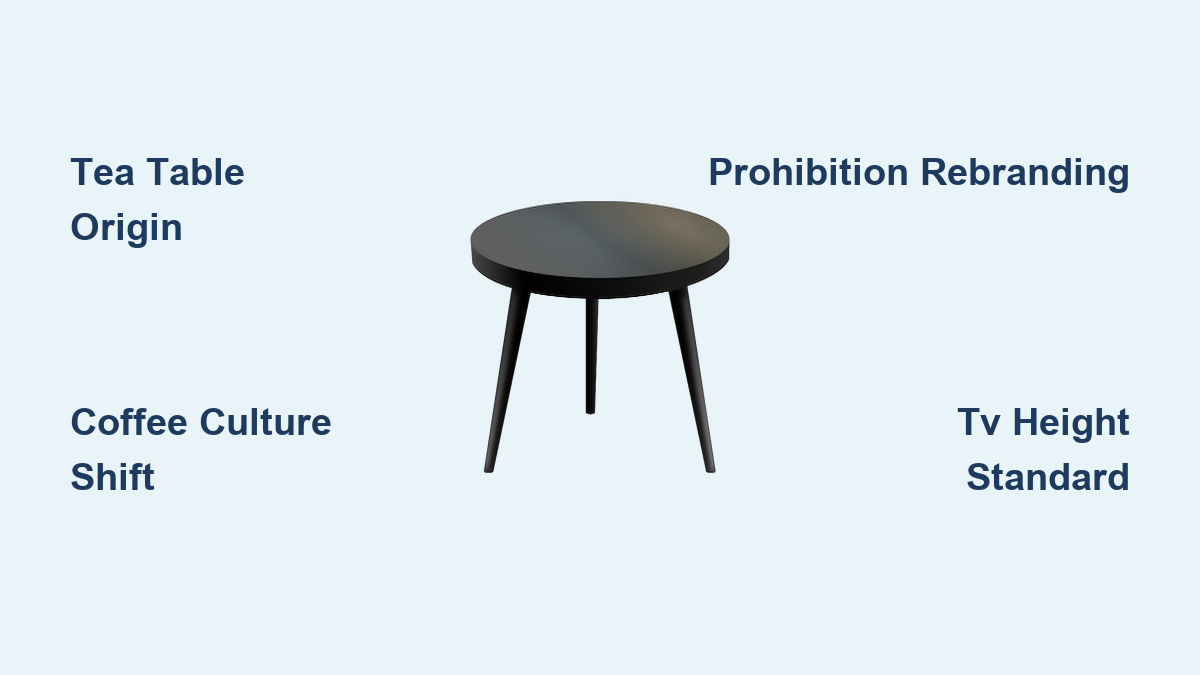
Why Is It Called a Coffee Table?
You’re sitting on the couch, reaching for your morning brew, and you set it down on the low table in front of you. But have you ever paused to wonder: why is it called a coffee table? It’s a common piece of furniture found in nearly every living room, yet the name carries a surprisingly rich history. The term “coffee table” isn’t just about function. It reflects shifts in social habits, cultural trends, and even Prohibition-era marketing. From 17th-century coffee houses to mid-century modern design, the name evolved alongside how we live, sit, and socialize. In this guide, we’ll uncover the real reasons behind the name, trace its transformation from tall tea tables to today’s low-profile centerpieces, and explain why “coffee” won out over “cocktail.”
The Name Reflects a Beverage Shift

The most direct reason the table bears the name “coffee” lies in changing drinking habits. What we now call a coffee table began its journey as something else entirely: the tea table.
Tea Tables Came First
In the 17th and 18th centuries, tea was the elite social drink in Europe. Wealthy households used tall, round tables often with foldable tops for serving tea after dinner. These tea tables stood between 26 and 31 inches high, designed for standing or formal seating. They were status symbols, often ornate and stored against walls when not in use. As coffee gained popularity in the 19th century, especially in informal settings, the furniture adapted. The act of gathering in the living room with coffee became more common than formal tea service. The name naturally shifted to reflect the new ritual: from tea to coffee.
Coffee Replaced Tea as the Social Drink
By the early 20th century, coffee had become the go-to beverage for casual gatherings. Unlike tea, which was tied to rigid etiquette, coffee symbolized informality and accessibility. The low table placed in front of sofas became the perfect surface for setting down a cup during relaxed conversation. The name “coffee table” emerged to distinguish this new living-room-centered habit from the formal tea rituals of the past.
The Penny University Origins

Long before living rooms had coffee tables, coffee houses laid the foundation for the name and the culture around it.
17th-Century Coffee Houses Inspired the Concept
The first English coffee house opened in Oxford in 1650. For a penny, patrons got a cup of coffee and entry into lively debates on politics, science, and literature, earning the nickname “Penny Universities.” These spaces were intellectual hubs, and tables were essential for spreading newspapers and journals. Though these early tables were tall, about 27 inches, they were explicitly linked to coffee consumption. This established the linguistic and cultural connection between the drink and the furniture. The table wasn’t just for holding cups. It was a platform for ideas, conversation, and connection.
Tables for Conversation, Not Dining
Unlike dining tables, coffee house tables were meant for temporary use: reading, writing, debating. This transient function carried over into the home. The modern coffee table isn’t for meals. It’s for magazines, remotes, and casual drinks, a direct echo of its coffee house roots.
The Prohibition Effect: Why Not Cocktail Table?
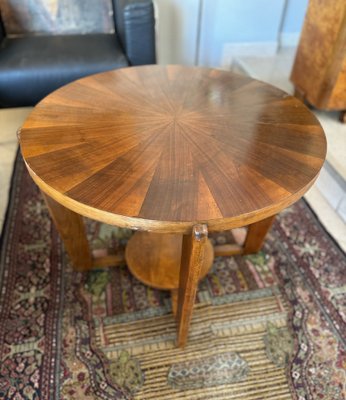
If coffee tables are often used for drinks today, why aren’t they called cocktail tables? The answer lies in 1920s America and the impact of Prohibition.
The Roaring Twenties Favored Cocktail Tables
In the 1920s, low tables became associated with modern, stylish living. With the rise of jazz, flappers, and home entertaining, the cocktail culture flourished. These tables were used to serve mixed drinks during parties, leading many to call them cocktail tables. Designs from this era were narrow, sleek, often metallic, reflecting the Art Deco style and the sophisticated nightlife of the decade.
Prohibition Changed the Name’s Image
When Prohibition began in 1920, alcohol became illegal. The word “cocktail” carried negative connotations linked to speakeasies, crime, and rebellion. For furniture manufacturers marketing to middle-class families, this was a problem. To make the furniture more acceptable, especially during the Great Depression, companies rebranded it. “Coffee table” sounded safe, sober, and family-friendly. Coffee was legal, affordable, and widely consumed. The name shift was a marketing strategy to align the table with wholesome domestic life.
Coffee Table Won in the Market
By the 1930s and 1940s, “coffee table” had largely replaced “cocktail table” in catalogs and home magazines. The term stuck, even after Prohibition ended, because it had become synonymous with the living room.
Regional Differences: Coffee vs. Cocktail
Despite “coffee table” being the dominant term today, regional preferences still exist.
U.S. Regional Language Patterns
The furniture industry has tried to assign functional meanings to differentiate the terms. Cocktail tables are sometimes described as slightly taller, around 20 to 22 inches, with smaller tops meant for standing or occasional use. Coffee tables are described as lower, around 18 to 19 inches, wider, and rectangular, designed for seating areas. But in practice, the terms are interchangeable. Most consumers use them without distinction, and retailers rarely enforce the difference.
The Design Evolution: From Tall to Low

The name “coffee table” didn’t always describe a low table. Its height and form changed dramatically over time.
1868: The First Coffee Table Was Tall
A pivotal piece in furniture history is the 1868 Godwin table, designed by E. W. Godwin and produced by William Watt. It was explicitly labeled a “coffee table” in period sources, but it stood 27 inches high, more like a dining table. This proves that the name came before the modern form. Early coffee tables were tall because people still sat upright in formal chairs. The term referred to use, not height.
Anglo-Japanese Influence Lowered the Table
In the 1870s and 1880s, the Anglo-Japanese style swept through British design. Inspired by Japan’s chabudai, low tables used with floor seating, Western designers began making shorter tables for relaxed living. Though adapted for sofa use, this shift introduced the low-profile aesthetic that defines today’s coffee table.
J. Stuart Foote and the 1920 Invention Myth
A popular story credits J. Stuart Foote, president of Imperial Furniture in Michigan, with inventing the modern coffee table in 1920. The tale goes that he cut the legs off a dining table for a party and realized the perfect height for a sofa-side table. While likely apocryphal, the story captures a real trend. Furniture was being adapted for informal, seated living. The 1920s saw the rise of the middle-class living room, and with it, demand for functional, low furniture.
The Television Effect: Why Modern Tables Are Low

The final push toward the standard 18 to 19 inch height came from an unexpected source: television.
1950s TV Changed Living Room Layouts
Before TV, living rooms were for conversation. Furniture faced each other. But in the 1950s, homes reoriented around the TV screen. Sofas faced forward, and the coffee table had to fit into this new dynamic. A tall table would block the view of the screen for people sitting down. To avoid obstruction, tables were built lower. Eighteen to 19 inches became standard. This height also aligned with sofa seat heights, making it easy to reach drinks and remotes. The TV era cemented the low, wide, central table as a living room necessity.
Modern Function: More Than Just Coffee
Today’s coffee table does far more than hold a cup.
Multi-Functional Designs
Modern coffee tables serve many purposes. Lift-top tables serve as dining or work surfaces. Nesting tables provide flexible space. Ottoman tables double as seating or storage. Glass or acrylic tables create a sense of space in small rooms. These designs reflect modern needs: smaller homes, remote work, and multi-use living spaces.
The Coffee Table Book Connection
The term “coffee table book,” a large illustrated book meant for display, reinforces the table’s cultural role. These books aren’t meant to be read cover to cover. They’re conversation starters, left open on the table to spark discussion. This usage ties back to the Penny University idea: the coffee table as a hub of ideas and social exchange.
Design Standards Today

Modern coffee tables follow specific ergonomic and aesthetic guidelines.
Ideal Height and Common Materials
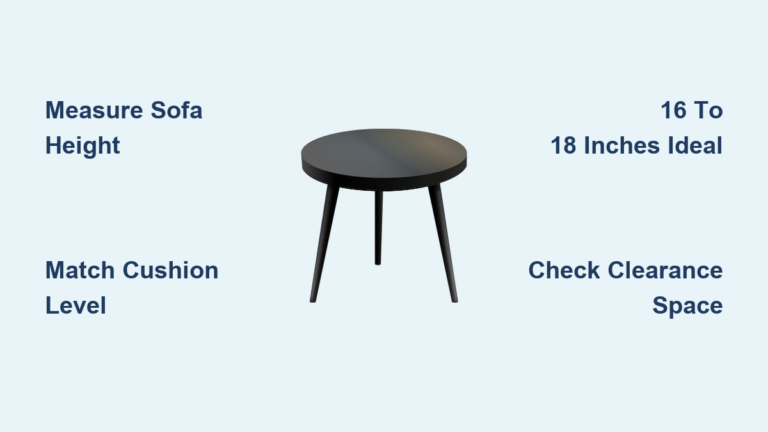
The ideal height range of 18 to 19 inches ensures comfortable reach from sofa seating, no TV view obstruction, and alignment with seat height within 2 inches. Tables over 21 inches feel awkward. Those under 16 inches are hard to use. Common materials include wood, which is classic, durable, and warm but requires coasters to prevent rings. Glass is sleek and modern, shows fingerprints but opens up space. Metal offers an industrial look, is durable but can scratch. Acrylic is lightweight and futuristic but prone to static and dust.
Key Takeaways for Understanding the Coffee Table Name
The coffee table is more than furniture. It’s a cultural artifact. Its name reflects a shift from formality to informality, from tea rituals to coffee chats, from cocktail parties to family TV nights. The term “coffee table” won out not because it’s the most accurate, but because it’s the most socially acceptable and enduring. It symbolizes casual connection, intellectual exchange, and the heart of the modern home. The next time you set your mug down, remember: you’re not just using a table. You’re participating in a centuries-old tradition of conversation, comfort, and community.
Frequently Asked Questions About Why It Is Called a Coffee Table
Why is a coffee table called a coffee table instead of a tea table?
The name shifted from “tea table” to “coffee table” as coffee replaced tea as the dominant social beverage in the 19th and early 20th centuries. Tea was tied to formal rituals and aristocracy, while coffee symbolized casual, accessible socializing. The name change reflected this cultural shift in how people gathered and entertained.
Did coffee tables always have the low height we see today?
No. Early coffee tables, like the 1868 Godwin table, stood about 27 inches tall, similar to dining tables. The low-profile coffee table emerged in the 1870s and 1880s through Anglo-Japanese design influences and became standardized around 18 to 19 inches by the 1950s, partly due to television requiring unobstructed views.
What is the difference between a coffee table and a cocktail table?
In practice, the terms are interchangeable. Some in the furniture industry have tried to differentiate them by height or shape, with cocktail tables being slightly taller or round and coffee tables being lower or rectangular. However, most consumers use both terms synonymously, and regional preferences vary across the United States.
Did Prohibition really change the name from cocktail table to coffee table?
The Prohibition era (1920 to 1933) is widely cited as a factor in the name shift. Since “cocktail” carried negative associations with illegal alcohol, manufacturers rebranded the furniture as “coffee table” to appeal to family values and the growing coffee culture. This marketing strategy helped “coffee table” become the dominant term by the 1930s and 1940s.
What is the origin of the coffee table book?
A coffee table book is a large, visually driven book designed for display and casual browsing rather than cover-to-cover reading. The term reinforces the coffee table’s role as a social centerpiece, similar to the Penny University concept where tables facilitated conversation and idea exchange.
When did the modern coffee table become standard in homes?
The modern low coffee table took shape in the 1920s with mass production but became a standard living room staple after World War II. The widespread adoption of television in the 1950s cemented the 18 to 19 inch height as standard, as lower tables did not obstruct screen views from sofa seating.