How Tall Should a Coffee Table Be?
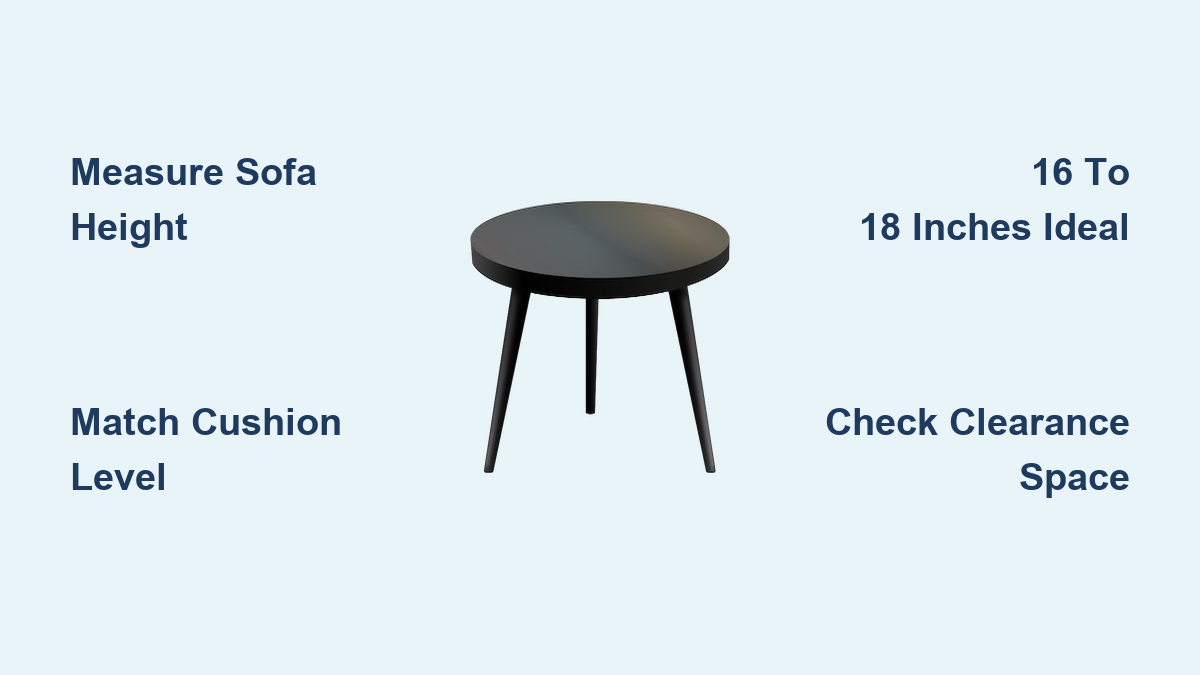
Choosing the right coffee table height isn’t just about style. It directly impacts your daily comfort, how easily you reach for drinks and remotes, and whether your living room feels put together or noticeably off. Most experts agree the ideal coffee table height falls between 16 and 18 inches, but that sweet spot depends entirely on your sofa’s seat height. The table should sit level with or 1 to 2 inches lower than your sofa cushion. This simple rule ensures your arms rest naturally while you sit, eliminating the need to hunch forward or reach up awkwardly.
In this guide, you’ll discover how to measure your sofa correctly, adjust for cushion softness, and choose a height that fits your lifestyle. Whether you entertain often, work from your living room, or simply want a table that looks right and feels comfortable, understanding these principles helps you make a confident choice.
Standard Coffee Table Height Range

Most coffee tables on the market fall between 14 and 20 inches tall, with the majority designed at 16 to 18 inches. This range aligns with standard sofa seat heights, which typically measure 17 to 19 inches from the floor to the top of the cushion. When your table sits within this 16 to 18 inch zone, you can rest your arms naturally while reaching for a drink or remote, without hunching or overreaching.
This standard height works across most decor styles, from modern minimalism to traditional living rooms. It supports everyday activities like snacking, reading, or placing a laptop while keeping sightlines open for conversation. If you’re buying a table without customizing, 18 inches serves as a safe default. However, the best height always depends on your specific sofa, so measuring your seat first remains essential.
Why 16 to 18 Inches Works Best
Tables in the 16 to 18 inch range offer the best balance of comfort and versatility. At this height, your elbows rest naturally at a 90-degree angle when seated, reducing strain on your shoulders and back. This height also supports multiple uses, from casual lounging to light dining or board games, without feeling too formal or too low.
Visually, this range anchors the seating area without dominating the space. Because most side tables and ottomans are built to similar proportions, a standard-height coffee table creates a cohesive, balanced look throughout your room.
When Standard Height Doesn’t Apply
Not every sofa fits the standard mold. Tall, upright formal sofas may have seat heights of 20 inches or more, making a standard 18-inch table feel too low. In these cases, a taller table in the 19 to 20 inch range restores visual balance. Conversely, low-profile modern sofas around 14 to 15 inches need a lower table to stay functional and visually aligned.
If you have mobility issues or back pain, a slightly taller table around 19 to 20 inches can reduce the need to bend, making it easier to access items. In a media room where you want an unobstructed view of the TV, a lower table around 14 to 15 inches keeps sightlines clear. Always prioritize your seating experience over generic rules.
Match Table Height to Sofa Seat

The golden rule of coffee table height is straightforward. Your table should be level with or 1 to 2 inches lower than your sofa’s seat cushion. This relationship isn’t just about aesthetics. It ensures ergonomic comfort. When you sit, your arms should rest naturally when reaching forward, not strain upward or downward. A properly matched table creates a smooth, continuous horizontal line that feels stable and intentional.
To find the right height, measure from the floor to the top of your sofa cushion where you actually sit. Then subtract 1 to 2 inches. For example, if your sofa seat is 18 inches high, aim for a 16 to 17-inch table. This slight drop feels natural and relaxed, encouraging good posture and easy access.
Measure Seat Height Accurately
Use a tape measure to get an exact number. Don’t measure to the sofa frame or backrest. Measure where your body makes contact with the cushion. Sit down and measure again if needed, especially with soft cushions that compress significantly. A difference of even one inch can affect comfort over time.
If you’re buying a table before your sofa, check the manufacturer’s specs for seat height. For online purchases, watch product videos that show the table in a real room to judge scale. Never rely solely on photos, which can distort proportions.
Adjust for Cushion Firmness
Cushion firmness changes how low you sink into the sofa, and that directly affects the ideal table height.
Firm cushions compress only one inch or less. Match the table to the cushion height or go just one inch lower. A table that’s too low will feel out of reach.
Soft, plush cushions can compress 2 to 3 inches when you sit. Choose a table that’s 2 to 3 inches lower than the uncompressed seat height. This ensures the table stays at the right level once you’re seated.
For example, a sofa with a 19-inch uncompressed seat and soft cushions may only sit you at 16 to 17 inches when used. A 16-inch table would then be perfect.
Choose the Right Table Height Tier
Coffee tables fall into three main height categories: low, standard, and tall. Each serves different needs and room types. Knowing which tier fits your space helps you make a smarter choice.
Low Profile Tables (12 to 15 Inches)
Low coffee tables are ideal for modern, minimalist, or Japanese-inspired interiors. At 12 to 15 inches tall, they create an open, airy feel by keeping visual weight low. They pair perfectly with low-slung sofas and sectional chaise lounges, enhancing a relaxed atmosphere.
These tables work well in small rooms or spaces with low ceilings, as they preserve sightlines and prevent the room from feeling cramped. They also make it easy to stretch your legs out or use a robot vacuum underneath, especially if they have at least 6 inches of under-table clearance.
However, there’s a trade-off. Low tables can be hard to reach from taller or firmer sofas. Elderly users or those with mobility issues may find bending down uncomfortable. In large rooms with high ceilings, a very low table can look lost or out of proportion.
Standard Height Tables (16 to 18 Inches)
This is the most popular choice for good reason. At 16 to 18 inches, standard tables work with most sofas and serve multiple functions, from drinks and books to snacks and light work. They align with the natural arm position of a seated person, making them comfortable for daily use.
These tables suit nearly every decor style, from traditional to contemporary. They’re also the safest bet if you’re unsure about your sofa’s exact height or plan to rearrange furniture later. Since most side tables and ottomans are built to similar heights, a standard coffee table creates visual harmony across your seating area.
Tall Tables (18 to 22 Inches)
Tall coffee tables serve specific needs. They’re excellent for dining or working, as at 20 to 22 inches they function like a dining table, making it comfortable to eat or use a laptop without hunching. They’re also ideal for tall sofas where a standard table would feel too low. For people with back pain or limited mobility, a higher table reduces the need to bend, making it easier to reach items.
However, tall tables can dominate a small room or look out of place with low furniture. They may also block TV views or conversation sightlines if heavily decorated. Use them intentionally, not as a default choice.
Optimize Proportions and Clearance

Height isn’t the only factor that matters. A well-chosen coffee table also fits the room’s scale and allows for easy movement.
Set the Right Width
Your table should be about two-thirds the width of your sofa. An 82-inch sofa pairs well with a 55-inch table. A 64-inch loveseat works with a 42-inch table. This proportion ensures balance and leaves space on either end for side tables or lamps.
For sectionals, base the width on the main seating section, not the chaise. A table that’s too wide blocks traffic flow, while one that’s too narrow looks lost.
Maintain Proper Clearance
Spacing is critical for comfort and flow. Keep 18 inches between the sofa and table. This gives you room to stretch your legs while keeping the table within reach. Never go below 16 inches.
Allow 30 to 42 inches between the table and TV stand, depending on screen size. For large TVs over 75 inches, 42 or more inches is ideal. This ensures clear sightlines and space for walking.
Aim for 6 inches or more of vertical space underneath the table. This lets you stretch your legs or run a robot vacuum. Solid-base tables eliminate this space, which can limit usability.
Pick Shape Based on Function

The shape of your coffee table affects both style and function, and it can influence how height feels in the room.
Rectangular Tables
The most common shape, rectangular tables work best with linear seating. They offer maximum surface area and fit neatly in front of a sofa. Because of their long lines, they often appear slightly lower, making them a safe choice for standard heights.
Round or Oval Tables
Ideal for small spaces or homes with children, round tables promote conversation and improve flow. Oval tables add extra length for longer sofas. Visually, round shapes soften a room and can make slight height mismatches less noticeable.
Square Tables
Best for large seating areas or U-shaped sectionals. Square tables feel more substantial, so pay attention to height. Too tall, and they can look blocky. Pair with side seating to maximize usability.
Triangular Tables
Designed for L-shaped sectionals, triangular tables fit neatly into corners. They save space and improve accessibility from both seating arms.
Adapt for Special Use Cases

Your lifestyle should guide your choice, even if it means breaking the standard rules.
For Entertaining
If you host often, consider a tall coffee table at 20 to 22 inches. It doubles as a dining surface, making it easier for guests to eat, drink, or play games without leaning forward. A lift-top table that raises to dining height offers another smart option.
For Lounging and TV Watching
Prioritize sightlines and comfort. A low table at 14 to 16 inches keeps the view of the TV unobstructed and lets you prop your feet up. Pair it with a tray for drinks to keep items within reach.
For Work or Multitasking
If you use your living room as an office, an 18 to 20 inch table is better for laptop use. Standard 16-inch tables are too low for prolonged typing. A lift-top or adjustable-height table offers the most flexibility.
For Antique or Decorative Tables
Ornate or vintage tables often stand taller at 19 to 22 inches. If you love the piece, commit to the style. Pair it with higher-seated furniture or use it as a visual focal point rather than a daily-use surface.
Select Material and Style Wisely
The table’s material and design affect how its height feels in the room.
Light vs. Heavy Materials
Glass, acrylic, or light wood tables feel less imposing, so you can go slightly taller without overwhelming the space. Dark wood, stone, or metal tables have more visual weight. In small rooms, keep them at standard height to avoid a bulky look.
Style-Specific Height Trends
Scandinavian design favors low tables at 14 to 16 inches with pale wood and clean lines to enhance openness. Mid-century modern typically sits at 16 to 18 inches with tapered legs and functional storage. Industrial design often uses standard height with raw materials, balancing heavy tops with open bases. Minimalist design keeps height low to standard with sleek surfaces and monochrome finishes to maintain simplicity.
Test Before You Buy
Never buy a coffee table without testing the height in your space.
Simulate the Real Experience
Stack books or boxes to the proposed height. Sit on your sofa and reach for a drink or remote on the mock table. Check your elbow angle. Ideally, it should be close to 90 degrees. Make sure you can rest your feet comfortably and see the TV without obstruction.
Compare with Other Furniture
Check how the table height matches your side tables, ottomans, or accent chairs. A difference of more than 2 to 3 inches can look disjointed. Aim for cohesion across your seating area.
Verify Online Listings
When shopping online, double-check the product specs for height. Photos can be misleading due to camera angles or staging. Look for customer reviews that mention scale or comfort.
Frequently Asked Questions About Coffee Table Height
What is the ideal height for a coffee table with a standard sofa?
For a standard sofa with seat heights between 17 and 19 inches, the ideal coffee table height is 16 to 18 inches. This range allows your arms to rest naturally without reaching up or hunching forward.
How do I measure my sofa for coffee table height?
Measure from the floor to the top of your sofa cushion where you actually sit. Don’t measure to the frame or backrest. Then subtract 1 to 2 inches to find your target table height.
Does cushion firmness affect coffee table height?
Yes. Firm cushions compress minimally, so match the table to the cushion height or go just one inch lower. Soft cushions compress 2 to 3 inches when you sit, so choose a table 2 to 3 inches lower than the uncompressed seat height.
Can a coffee table be too low?
Yes. If a coffee table sits more than 2 inches below your sofa seat, you may have to bend forward uncomfortably to reach items. It can also look out of proportion in larger rooms.
What height coffee table works best for entertaining?
For hosting and entertaining, a taller table at 20 to 22 inches works best. It functions more like a dining surface, making it comfortable for guests to eat and drink without leaning forward.
Key Takeaways for Finding Your Perfect Coffee Table Height
The ideal coffee table height isn’t a one-size-fits-all number. It’s about harmony between your body, your furniture, and your space. Start with the 16 to 18 inch standard, but always measure your sofa seat and adjust for cushion softness. The table should sit level with or 1 to 2 inches lower than where you actually sit.
Beyond height, ensure proper proportions. Your table should be about two-thirds the width of your sofa, with 18 inches of clearance between the sofa and table. Choose a shape that fits your room layout and a height tier that matches your lifestyle, whether you prioritize entertaining, working, or lounging.
Before buying, test the height in your space using books or boxes. Check that you can rest your arms comfortably, see the TV, and stretch your legs. Whether you’re lounging, working, or entertaining, the right height makes your coffee table a functional, seamless part of your living room, not just a piece of decor.