How to Remove Wax From a Table
Wax spills on a table happen during candlelit dinners, craft projects, or simply from furniture polish buildup over time. Left untreated, wax can dull finishes, trap dirt, and stain porous surfaces like wood or stone. The good news is that removing wax from a table is quick and safe when you use the right method. This guide walks you through proven techniques for wood, glass, metal, granite, marble, vinyl, and upholstery, so you can restore your table without damage.
Start by Hardening the Wax
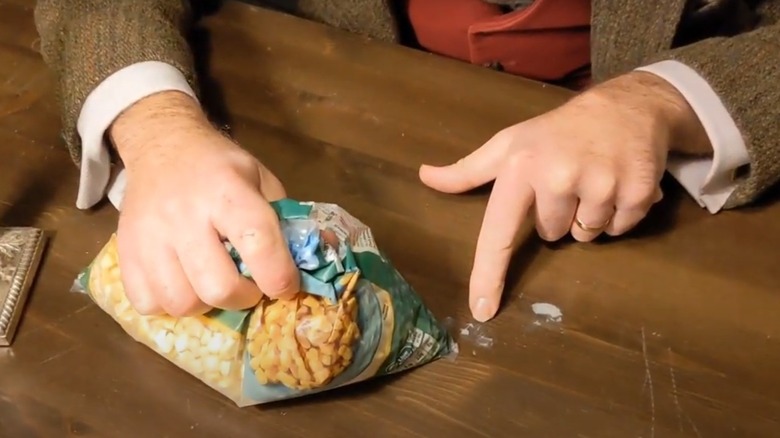
Before you touch the spill, let physics work for you. Soft or melted wax spreads easily and embeds deeper into surfaces when scraped. Hardening the wax turns the mess into brittle chunks that lift off cleanly.
Use Ice to Solidify Wax
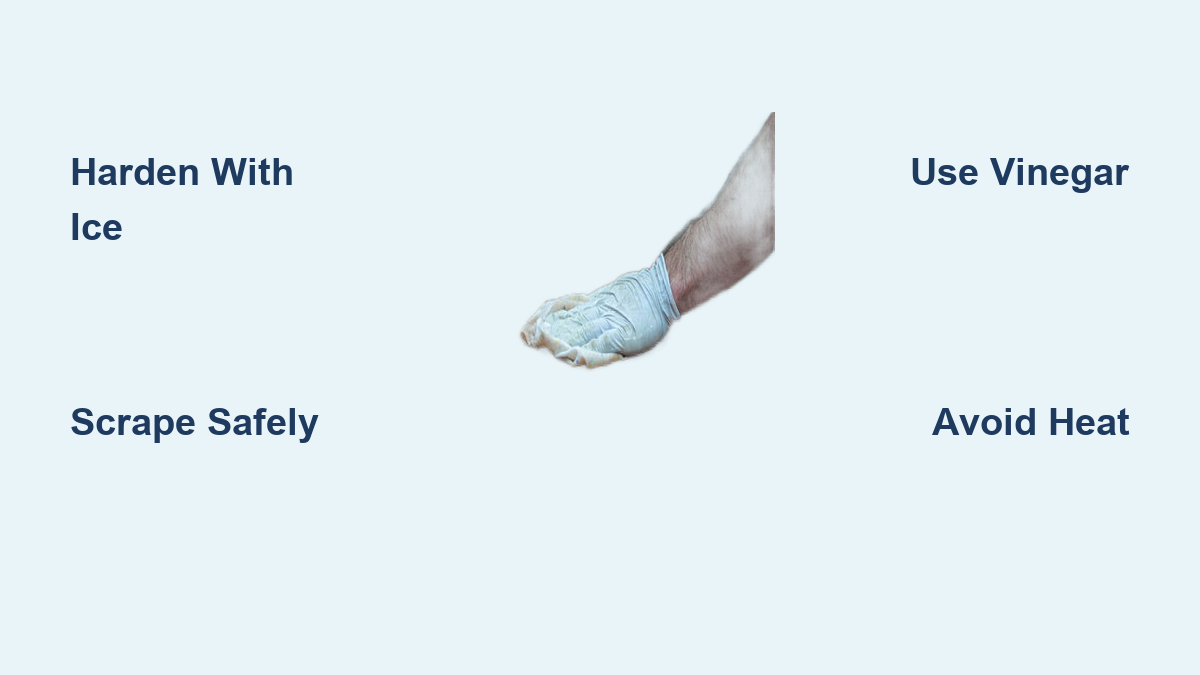
Place a sealed plastic bag filled with ice cubes directly on the wax. The cooling process takes 5 to 10 minutes and works on wood, stone, metal, glass, and vinyl. Wrap the ice in a bag to avoid water damage, especially on wood surfaces. Once hardened, the wax will crack and flake. Gently tap it with your fingernail to test. If it bends instead of cracking, wait a few more minutes before scraping.
Scrape Off Wax Safely

With the wax solid, remove the bulk using gentle mechanical action. This step prevents the need for aggressive chemicals later.
Choose the Right Scraper
Use only non-abrasive tools to avoid scratches on your table. The best options include a plastic putty knife, an old credit card, a plastic spoon edge, or a dull butter knife used cautiously on non-finish surfaces. Never use metal scrapers, razor blades, or sharp knives, especially on wood, marble, or glass. These tools leave permanent gouges that ruin the table’s appearance.
Scrape at a 45-Degree Angle
Hold your tool with the beveled edge facing up and press firmly. Start from the outer edges and work inward to prevent spreading the wax. Lift the wax rather than dragging it across the surface, as dragging smears the residue. On textured surfaces, follow the grain or pattern to avoid damaging the finish. After scraping, wipe the area with a dry microfiber cloth to remove dust and tiny flakes.
Remove Wax from Wood Tables
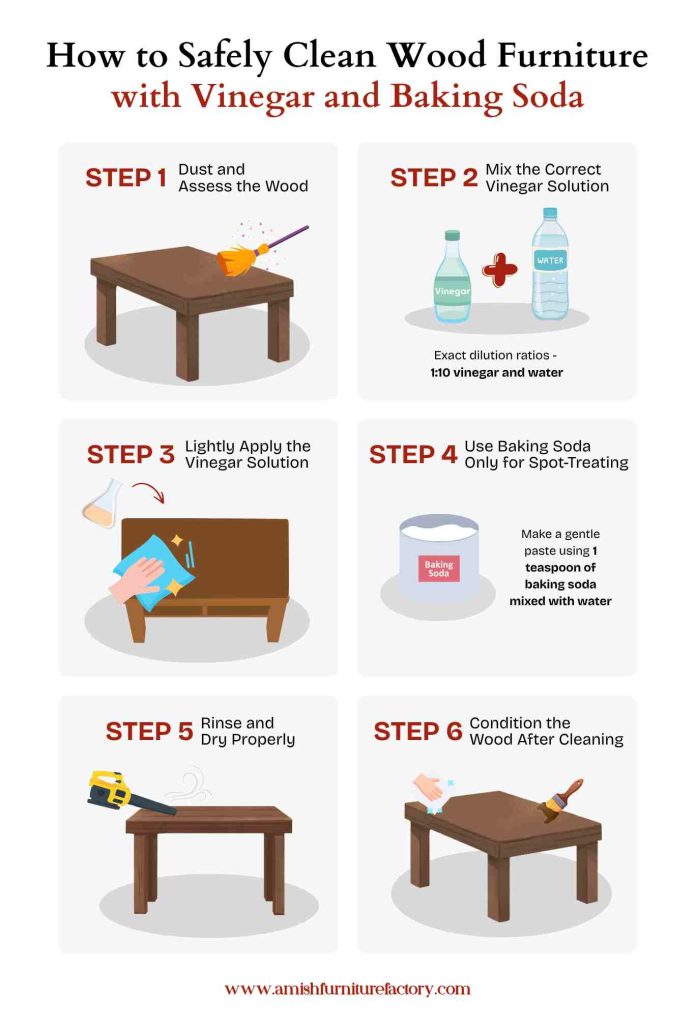
Wood is porous and easily damaged by heat or harsh solvents. With careful technique, wax comes off cleanly while preserving your finish.
Try Vinegar Solution for Light Residue
If a hazy film remains after scraping, a mild vinegar solution can help. Mix ½ cup white vinegar with 1 cup water. Dampen a soft cloth with the solution, but do not soak it. Wipe the area gently in the direction of the wood grain, then dry immediately with a clean towel. Vinegar is mild but still acidic, so test it on a hidden spot first, especially on antique or lacquered finishes.
Use Mineral Spirits for Heavy Buildup
For thick wax layers or old polish buildup, mineral spirits work effectively. First, patch test in an inconspicuous area. Dampen a cloth with mineral spirits and rub the waxed area in small circles. Wipe clean with a dry cloth, then wash with mild soap and water if you plan to re-wax later. Dry thoroughly before applying any new finish. Ventilate well when using mineral spirits, as the fumes are strong. Avoid turpentine unless necessary, as it is harsher and can strip finishes.
Restore the Finish
After cleaning, buff the table with furniture polish for shine. Reapply liquid antique wax in brown or yellow to protect the wood. If stripping old layers before refinishing, use HG Furniture Wax Remover for best results. Never apply heat directly to wood. If using a hairdryer or iron, always place a cloth barrier between the heat source and the surface.
Clean Wax from Glass and Metal Tables

Non-porous surfaces like glass and metal tolerate stronger methods, but still need protection from scratches and corrosion.
Glass: Scrape and Wipe
Harden the wax with ice first, then scrape with a plastic blade or credit card. Wipe remaining residue with rubbing alcohol or glass cleaner, then buff with a microfiber cloth for streak-free shine. Avoid ammonia-based cleaners on tinted or treated glass. For stubborn spots, use a drop of dish soap on a damp cloth.
Metal: Melt and Absorb Crevices
Wax hides in carvings and joints on metal tables. Harden and scrape surface wax first, then use a hairdryer on low heat held 3 to 6 inches away. Move slowly to avoid overheating painted areas. Blot melted wax with a soft cloth or paper towel as it softens. For detailed spots, use an old toothbrush with warm soapy water, then dry immediately to prevent rust. Apply a clear sealant to protect outdoor metal furniture. Avoid steel wool or abrasive pads, as they strip protective coatings.
Remove Wax from Stone Tables

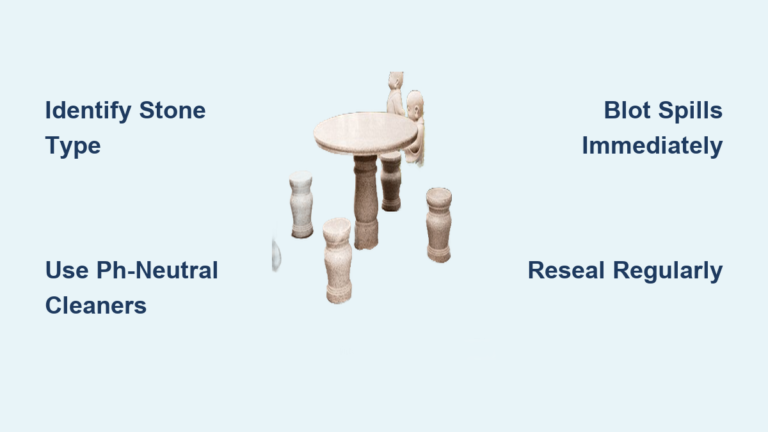
Granite and marble are durable but porous. Wax can seep in and cause stains if not removed quickly.
Act Fast and Avoid Acid
Apply ice for 5 to 10 minutes, then gently chip wax with a fingernail or plastic tool. Brush away flakes with a paper towel, but do not rub, as this pushes wax into pores. Clean with a stone-safe cleaner that is pH-neutral, not vinegar or bleach. Buff with a dry cloth to restore the shine.
Remove Stubborn Residue
If a haze remains, use a small amount of mineral spirits on a cloth. Wipe gently, then rinse with water and dry completely. Seal stone surfaces every 6 to 12 months to prevent future stains. Critical warning: never use vinegar or acidic cleaners on marble, as they etch the surface.
Handle Wax on Vinyl and Flooring
Spills often reach the floor around the table. Vinyl is resilient but can discolor with the wrong chemicals.
Freeze and Scrape
Place ice in a bag on the wax for 5 to 10 minutes. Lift with a credit card or spoon. If residue sticks, soak with hot water for 5 minutes, then wipe dry.
Use Goof Off for Stubborn Spots
For leftover film, spray Goof Off Residue Remover and let it sit for 2 minutes. Wipe with a soft, dry cloth and repeat if needed. Always test first, as some vinyl reacts poorly to strong solvents.
Fix Wax on Upholstery and Table Linens
When wax drips onto chair fabric or a tablecloth, act fast before washing.
Iron and Paper Method
This works on fabric, upholstery, and carpet.
Step 1: Freeze and Scrape
Apply ice for 5 minutes, then gently chip off hardened wax. Snip loose carpet fibers if needed.
Step 2: Blot with Heat
Place 3 layers of white paper towels over the stain. Optionally add baking paper to protect the iron. Set the iron to a warm cotton setting. Press for 10 to 15 seconds, then lift. Never leave the iron in place, as this is a fire risk. Replace the paper as it absorbs wax and repeat until no more transfers.
Step 3: Treat Residue
Blot greasy spots with rubbing alcohol. For colored stains, use denatured alcohol after testing first. Apply fabric degreaser if needed.
Step 4: Wash Properly
Launder according to the care label. Check before drying, as heat sets stains permanently. Air dry first to confirm the wax is gone. Never put wax-stained fabric in the dryer.
Avoid These Common Mistakes
Even small errors can ruin your table. Steer clear of these pitfalls.
Using Metal Tools
Scratches are permanent. Always stick to plastic scrapers.
Rubbing Instead of Lifting
Rubbing pushes wax into pores, especially in wood and stone. Always lift or blot rather than scrubbing.
Applying Heat Directly
Hairdryers and irons can scorch wood finishes or melt carpet fibers. Always use a paper or cloth barrier between the heat source and the surface.
Skipping the Patch Test
Solvents like turpentine or denatured alcohol can strip finishes. Always test on a hidden area first.
Drying Fabric Too Soon
Putting wax-stained clothes in the dryer bakes in the oil permanently. Always check after washing before drying.
Prevent Future Wax Spills
A few smart habits keep tables clean and wax-free. Use candle holders with drip trays and place heat-resistant mats under candles. Choose LED candles for zero mess. Clean tables before polishing rather than layering new wax over old buildup. Inspect outdoor furniture regularly for trapped moisture under wax. For antique or valuable tables, consider professional cleaning for heavy buildup.
When to Use Commercial Products
DIY methods work for most spills, but commercial products are safer and more effective for old polish layers or delicate finishes.
HG Furniture Wax Remover
This product is best for stripping built-up wax on wood. It is gentle on wood and allows immediate re-waxing. Apply with a cloth, wipe off, then polish.
Goof Off Residue Remover
Best for vinyl, floors, and tough residue. It is fast-acting and penetrates film effectively. Spray, wait 2 minutes, and wipe clean.
Avoid homemade soda or tea solutions, as they are ineffective and can leave residue.
Key Takeaways for Removing Wax from a Table
Always start with ice to harden the wax safely. Scrape with plastic tools only, and test all solvents on hidden areas first. Never rush heat applications, and use barriers to protect surfaces. Dry thoroughly after cleaning, then restore protection with polish or wax. With these steps, you can remove wax from any table quickly, safely, and without damage. Whether it is a birthday candle drip or years of polish buildup, the right method makes all the difference. Keep this guide handy, and your tables will stay clean, shiny, and ready for every occasion.
Frequently Asked Questions About Removing Wax from a Table
Can I use a hairdryer to remove wax from my wooden table?
You can use a hairdryer, but never apply heat directly to wood. Hold the hairdryer 3 to 6 inches away and place a clean cloth between the heat source and the table surface. Move the hairdryer slowly to avoid overheating the finish.
What is the fastest way to remove wax from a table?
The fastest method is to place a bag of ice on the wax for 5 to 10 minutes until it hardens. Once solid, scrape it off with a plastic credit card or putty knife. This approach works for most table materials and avoids the need for chemicals.
Does vinegar damage wood finishes?
Vinegar is mildly acidic and can damage some finishes, especially antique lacquer. Always test a small, hidden area first. For safe use, dilute ½ cup vinegar in 1 cup water and wipe dry immediately.
How do I remove old wax buildup from a wooden table?
For heavy buildup, apply mineral spirits or HG Furniture Wax Remover with a soft cloth. Rub gently in circles, then wipe clean with a dry cloth. Wash with mild soap and water if re-waxing, then dry thoroughly before applying new polish.
Can I use a knife to scrape wax off my table?
Only use plastic or non-abrasive tools like putty knives, credit cards, or plastic spoons. Metal knives and razor blades cause permanent scratches that cannot be repaired.