How to Disinfect a Wood Table
Wood tables are central to many homes, serving as gathering spots for meals, work, and family activities. With daily use comes the inevitable buildup of germs, allergens, and bacteria, making how to disinfect a wood table an essential household skill. Unlike non-porous surfaces such as glass or metal, wood is sensitive to excess moisture and harsh chemicals. Using the wrong products or techniques can lead to water rings, finish damage, or warping. The key is applying a safe, effective method that eliminates pathogens without harming the surface. This guide walks you through a proven four-step process that keeps your wood table clean, germ-free, and beautiful for years to come.
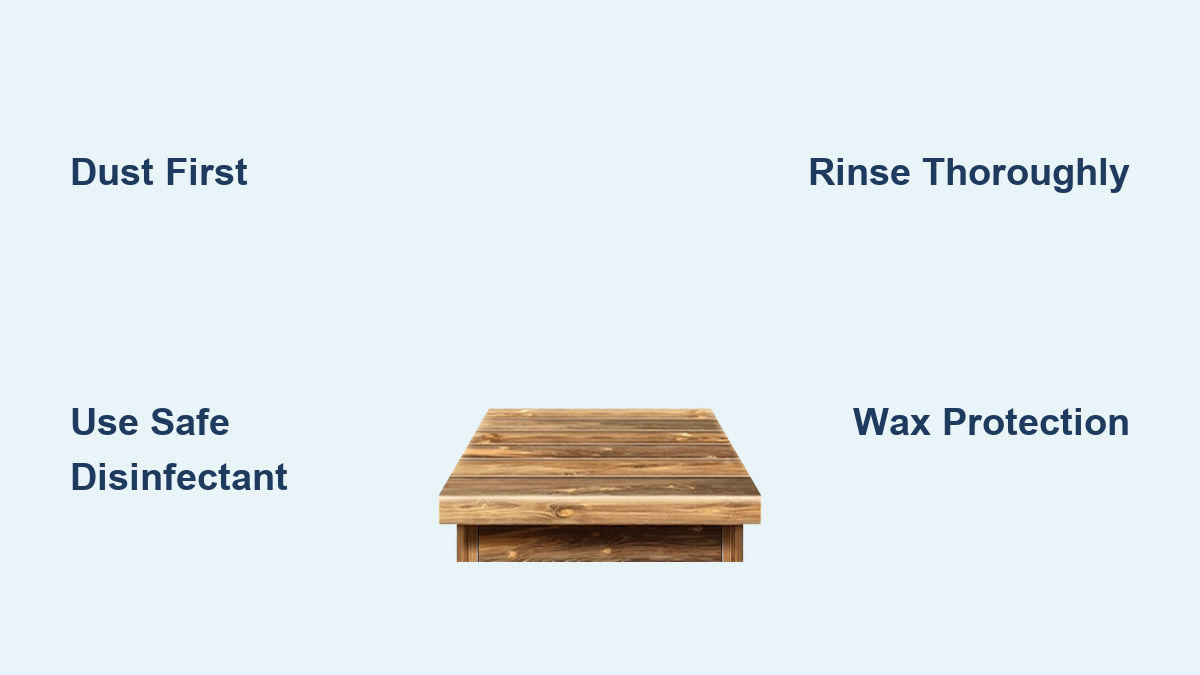
You will learn exactly which products to use, which to avoid, and how to maintain your table through proper dusting, disinfecting, rinsing, and protective finishing techniques.
Start with Thorough Dusting
Removing dust is the essential first step before any disinfecting can occur. Dust is not just visible dirt. It is a mix of skin cells, pollen, fibers, and grime that forms a filmy layer on wood. Skipping this step means applying liquid cleaners turns dust into a muddy smear, reducing cleaning effectiveness and potentially scratching the surface.
Choose the Right Dusting Tools
Using the wrong tools can push particles around or send them airborne. The goal is to trap dust, not spread it.
- Microfiber cloths are ideal for wood surfaces. Their tiny split fibers capture and hold dust instead of displacing it. Lightly dampen the cloth to prevent static and improve pickup.
- Lambswool dusters work well for intricate carvings or hard-to-reach areas. The natural wool creates a static charge that pulls dust out of crevices and holds it securely.
Dust Every Surface Area
Focus on often-missed zones including table edges, legs, undersides, and decorative inlays. Move slowly, following the wood grain to avoid micro-scratches. A complete dusting ensures your disinfectant works directly on the surface rather than on a layer of grime.
Pick the Right Disinfectant
Not all disinfectants are safe for wood. The finish whether polyurethane, wax, oil, or lacquer determines what you can use. Always check manufacturer guidelines and test any product in a hidden spot first.
Safe Commercial Options
These disinfectants are proven effective and wood-safe when used correctly.
Use Lysol Multi-Surface Cleaner
Lysol Clean & Fresh is formulated for finished wood. Spray lightly, let sit for 3-5 minutes per label instructions, then wipe with a microfiber cloth. Avoid oversaturation.
Try Clorox Disinfecting Wipes
Convenient and effective, Clorox wipes work on sealed, polyurethane-finished tables. Wipe gently along the grain and immediately dry with a clean cloth. Warning: Do not use on unfinished, waxed, or oiled wood.
Consider Virox for Gentle Disinfection
Used in hospitals, Virox is a hydrogen-peroxide-based cleaner that is powerful against germs but gentle on surfaces. It leaves no residue and requires no rinsing on non-porous surfaces, but rinsing is still advised on wood.
Use Pine-Sol with Caution
Pine-Sol cuts through grease and grime but must be diluted properly.
- Concentrated formula: ⅛ cup per gallon of water
- Unconcentrated formula: ¼ cup per gallon of water
Apply with a damp cloth. Never pour directly on the table. Avoid using on unsealed or oiled wood.
Effective Homemade Disinfectants
For a natural, chemical-free option, try these DIY solutions.
Make a Bleach Solution (WHO-Approved)
Mix 1 part household bleach with 9 parts water. Apply with a soft cloth, let sit 1 minute, then immediately wipe with a water-dampened cloth to prevent finish damage. Never let bleach dry on wood.
Try a Vinegar Cleaning Mix
White vinegar has natural disinfecting properties but is acidic, so use sparingly.
- Basic mix: 1 part vinegar to 4 parts warm water
- Enhanced formula: 1 cup vinegar, 2 cups water, 5 drops dish soap
Spray lightly, wipe, and rinse thoroughly to neutralize acidity.
Apply 70% Isopropyl Alcohol
Alcohol kills germs fast and evaporates quickly, reducing moisture risk.
- Mix 70% alcohol with 30% water
- Apply with a microfiber cloth, wipe in grain direction, and dry immediately
Note: Avoid denatured alcohol or solvents like turpentine. They strip finishes.
Disinfectants to Avoid
Some common cleaners can permanently damage wood.
- Baking soda or abrasive scrubbers: Scratch the surface
- Ammonia or bleach (undiluted): Cause discoloration and finish breakdown
- Waxes or polishes as disinfectants: Do not kill germs and may trap bacteria
- Undiluted vinegar: Over time, degrades the finish
Never use these products on unsealed, waxed, or oiled wood unless the product label confirms safety.
Rinse to Remove Chemical Residue
:max_bytes(150000):strip_icc()/how-to-clean-wood-furniture-5181301-06-6287276e9cdc43b2bdb7c00166bd8eba.jpg)
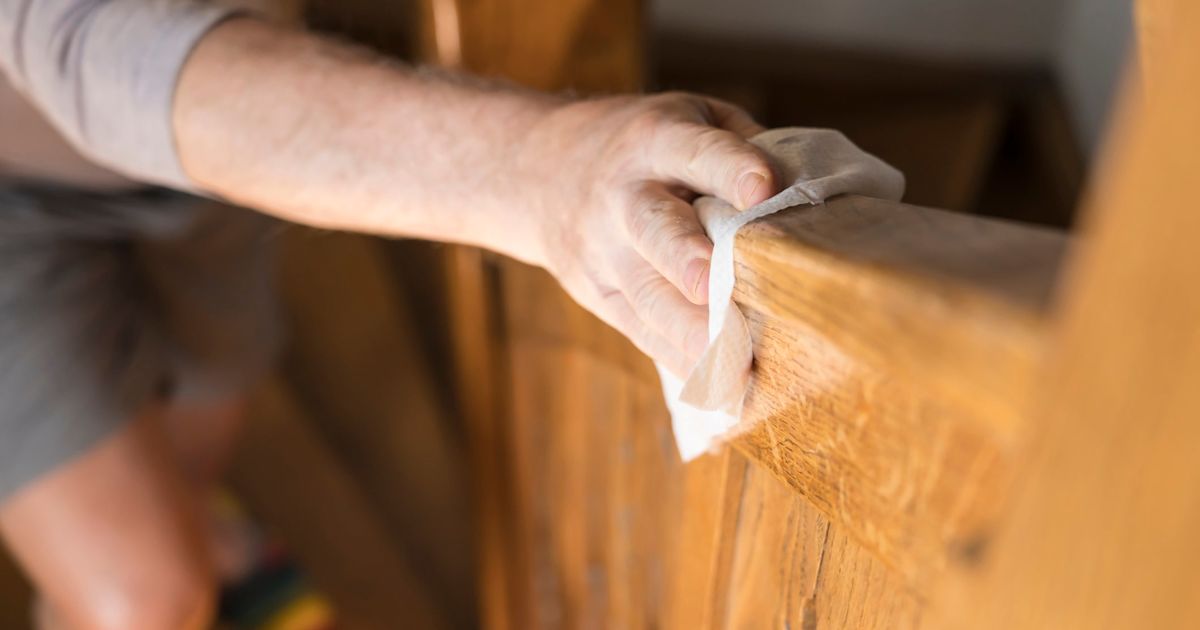
Rinsing is non-negotiable. Disinfectants especially vinegar, bleach, or soapy mixes can damage wood if left behind. Residue breaks down the finish, leading to dullness, stickiness, or etching.
How to Rinse Properly
- Dampen a clean microfiber cloth with lukewarm water. Wring until just moist, no dripping.
- Wipe the entire surface following the wood grain.
- For solutions with dish soap or Pine-Sol, rinse twice to remove all film.
- Immediately dry with a second dry microfiber cloth to prevent water spots.
Visual cue: The surface should feel smooth and dry, not tacky or slick.
Restore Protection with Wax or Polish
Disinfecting strips away more than germs. It can remove the table’s protective layer. Reapplying a finish restores shine and shields against future damage.
Why Waxing Matters
- Seals the wood against spills and moisture
- Blocks UV rays that cause fading
- Enhances grain and color
- Reduces future cleaning frequency
Apply Wax Correctly
- Test first: Try on a hidden area to ensure no discoloration.
- Use a small amount: Pour a tablespoon of wax onto a clean cloth.
- Work in sections: Rub in circular motions, covering 1-2 square feet at a time.
- Let dry: Wait 20-30 minutes until hazy.
- Buff thoroughly: Use a clean cloth and firm pressure to bring out shine.
The heat from buffing helps the wax bond to the wood, creating a durable, lustrous finish.
Top Recommended Products
- Howard FW0016 Wood Polish & Conditioner: Affordable, with beeswax and carnauba wax. Safe for most finished woods.
- Weiman Wood Cleaner & Polish Wipes: Convenient for quick touch-ups. Adds UV protection and removes light scratches.
- Howard Citrus Shield Paste Wax: Heavy-duty protection for antiques or high-use tables. Water-resistant and UV-blocking.
Try a DIY Natural Polish
Mix 1 cup olive oil, ¼ cup white vinegar, and 2 teaspoons lemon oil. Shake well and apply like commercial wax. The oil conditions, vinegar cleans, and lemon adds shine. Use monthly for maintenance.
Avoid These Finishes
- Oil-based polyurethane: Can yellow over time
- Petroleum-based waxes: Build up and attract dust
- Spray polishes with silicones: Create slippery residue
Prevent Damage with Smart Habits
Even the best disinfecting routine fails if basic care rules are ignored. Protect your investment with daily practices.
Always Test New Products
Apply any cleaner or polish to a hidden spot like the table’s underside. Wait 10 minutes. Check for cloudiness, darkening, or stickiness. If none appears, it is safe to use on the entire surface.
Control Moisture at All Times
Wood swells when wet. Never pour cleaner directly on the table, use soaking-wet cloths, or let liquids sit on the surface. Use damp, not wet, cloths and dry immediately.
Wipe in the Direction of the Grain
Cross-grain wiping increases the risk of fine scratches, especially on softer woods like pine or walnut. Always follow the wood’s natural lines.
Clean High-Touch Areas Daily
Frequently used tables, especially dining or desk tables, should be disinfected daily. Focus on spots touched most: edges, chair arms, and center areas.
Use Coasters and Tablecloths
Physical barriers prevent spills, heat damage, and UV exposure. They reduce the need for aggressive cleaning.
Handle Special Cases Safely

Every wood table is different. Adjust your approach for unique situations.
Deal with Stubborn Stains
For dried spills or sticky spots, dampen a soft cloth with your disinfectant solution and gently rub in the grain direction. Use a soft-bristle toothbrush for crevices. Rinse and dry immediately. Avoid scrubbing hard, as this damages the finish.
Care for Antique Tables
Antiques often have delicate, historic finishes. Use only mild solutions such as diluted vinegar (1:4), 70% alcohol mix, or Howard Citrus Shield wax. Avoid bleach, ammonia, or commercial sprays. When in doubt, consult a furniture restorer.
Reverse UV Fading
Sunlight fades wood over time. To slow fading, use wax with UV protection, close blinds during peak sun, and rotate table position periodically. For already-faded areas, professional refinishing may be needed.
Fix Water Rings Fast
If a cold glass leaves a white ring, mix equal parts baking soda and non-gel toothpaste. Gently rub in circles with a soft cloth, wipe clean, and re-wax the spot. Prevention tip: Always use coasters.
Follow the Right Dilution Ratios
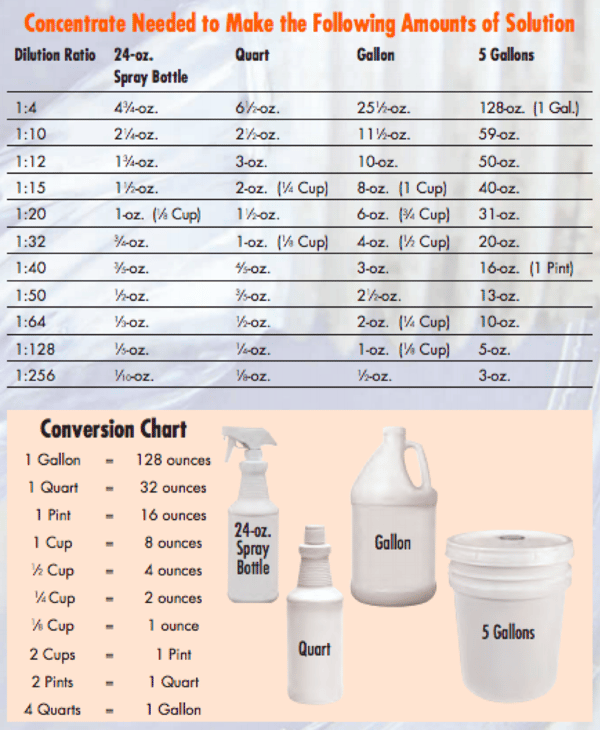
Using the correct concentration ensures effectiveness without damage. Here is a quick-reference guide:
| Disinfectant | Dilution Ratio | Key Notes |
|---|---|---|
| Bleach | 1:9 (bleach:water) | Rinse immediately; test first |
| Vinegar | 1:4 (vinegar:water) | Rinse well; avoid daily use |
| Vinegar + Soap | 1 cup vinegar : 2 cups water + 5 drops soap | Cleans and disinfects; rinse twice |
| Alcohol | 70% alcohol : 30% water | Fast-drying; safe for most finishes |
| Pine-Sol (concentrated) | ⅛ cup per gallon water | Not for unsealed or oiled wood |
| Pine-Sol (unconcentrated) | ¼ cup per gallon water | Older formula; higher dilution |
| DIY Polish | 1 cup oil : ¼ cup vinegar : 2 tsp lemon oil | Condition and shine monthly |
Key Takeaways for Disinfecting Your Wood Table
Disinfecting a wood table does not mean choosing between cleanliness and preservation. With the right method, dusting, disinfecting, rinsing, and protecting, you can maintain a germ-free surface without sacrificing beauty or durability. Stick to wood-safe products, avoid excess moisture, and reapply protective wax regularly.
Always test new products on hidden areas first, and never let disinfectants dry on the surface. High-contact tables benefit from daily attention, while occasional deep cleaning and monthly waxing keep them looking their best. By following this routine, your wood table will stay healthy, hygienic, and handsome for years to come.
Frequently Asked Questions About Disinfecting Wood Tables
Can I use Clorox wipes on my wood dining table?
Clorox disinfecting wipes are safe for sealed, polyurethane-finished tables. Wipe gently in the direction of the wood grain and immediately dry with a clean cloth. Never use on unfinished, waxed, or oiled wood.
How often should I disinfect my wood table?
High-contact tables, especially dining and desk tables, should be disinfected daily. Tables in low-traffic areas can be disinfected weekly or as needed.
Does vinegar damage wood finish?
White vinegar is acidic and can damage wood finish if used undiluted or left on the surface too long. Always dilute 1 part vinegar with 4 parts water and rinse thoroughly afterward. Avoid daily use on finished wood.
Can I use bleach on wood tables?
Household bleach can be used when diluted properly. Mix 1 part bleach with 9 parts water. Apply with a soft cloth, let sit 1 minute, then rinse immediately. Never let bleach dry on wood as it can damage the finish.
How do I remove water rings from my wood table?
Mix equal parts baking soda and non-gel toothpaste. Gently rub in circles with a soft cloth, wipe clean, and re-wax the spot. Prevention is key: always use coasters under glasses and mugs.
Should I wax my wood table after every disinfection?
Waxing after every disinfection is not necessary. Apply protective wax monthly for maintenance, or whenever the table appears dull or dry. Frequent waxing can cause buildup.