How to Make a Folding Table Look Nice
A folding table doesn’t have to look like cheap plastic tucked away in a garage. With the right upgrades, it can become a stylish desk, an elegant dining surface, or a gorgeous centerpiece for parties. Millions of households rely on folding tables for their flexibility, but most people leave them looking utilitarian and out of place. The good news is you can transform a basic folding table into furniture that looks expensive in just an afternoon.
This guide covers everything you need to know about how to make a folding table look nice, from fixing height and width issues to applying beautiful finishes and styling it to match your space. Whether you want a professional home office desk or a banquet-ready table for events, these proven techniques will help you achieve the look you want.
Fix Width and Height Problems First
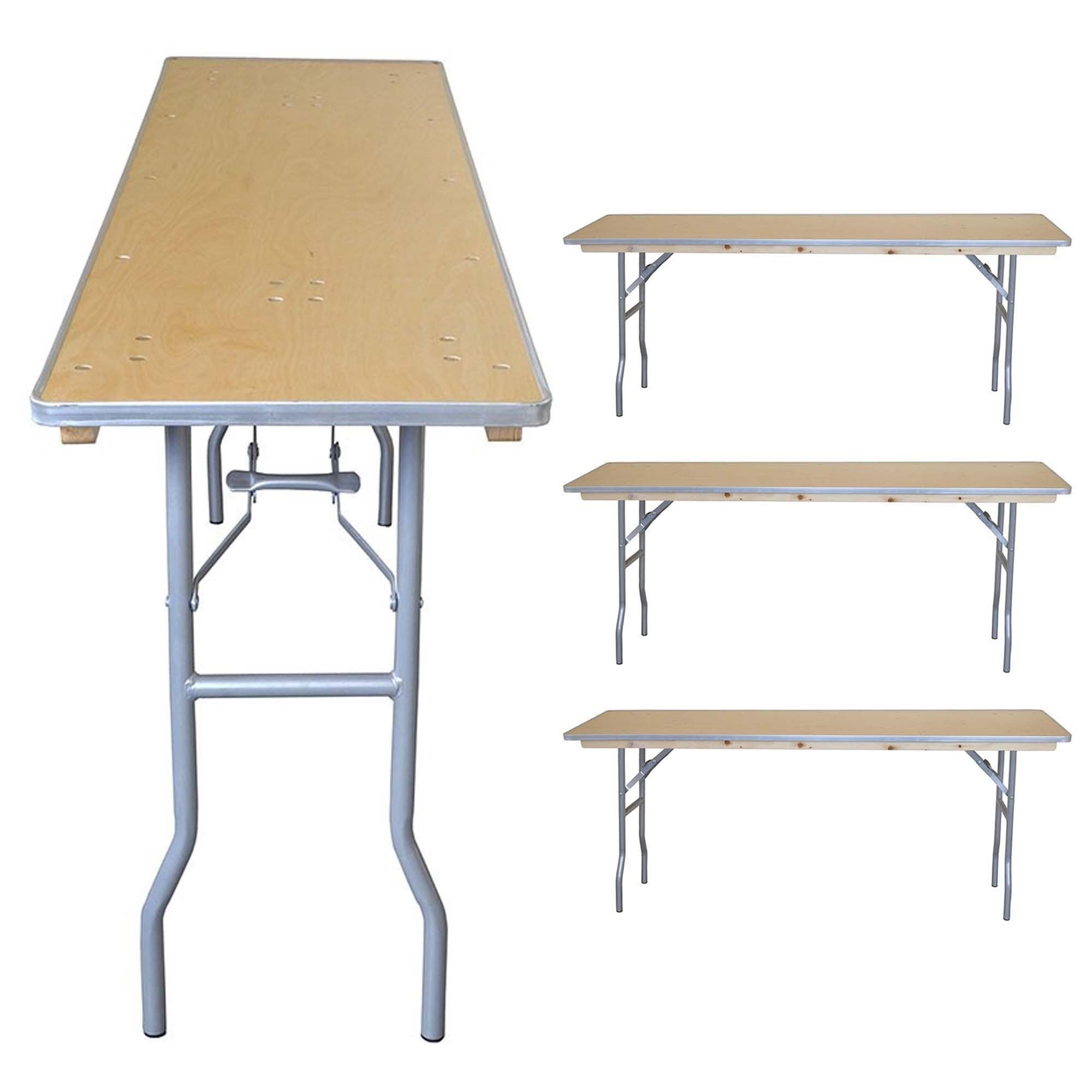
Folding tables often feel cramped and sit too low for comfortable use. Before adding any cosmetic upgrades, tackle these basic dimensional issues that make tables look cheap.
Combine Tables for Full Dining Width
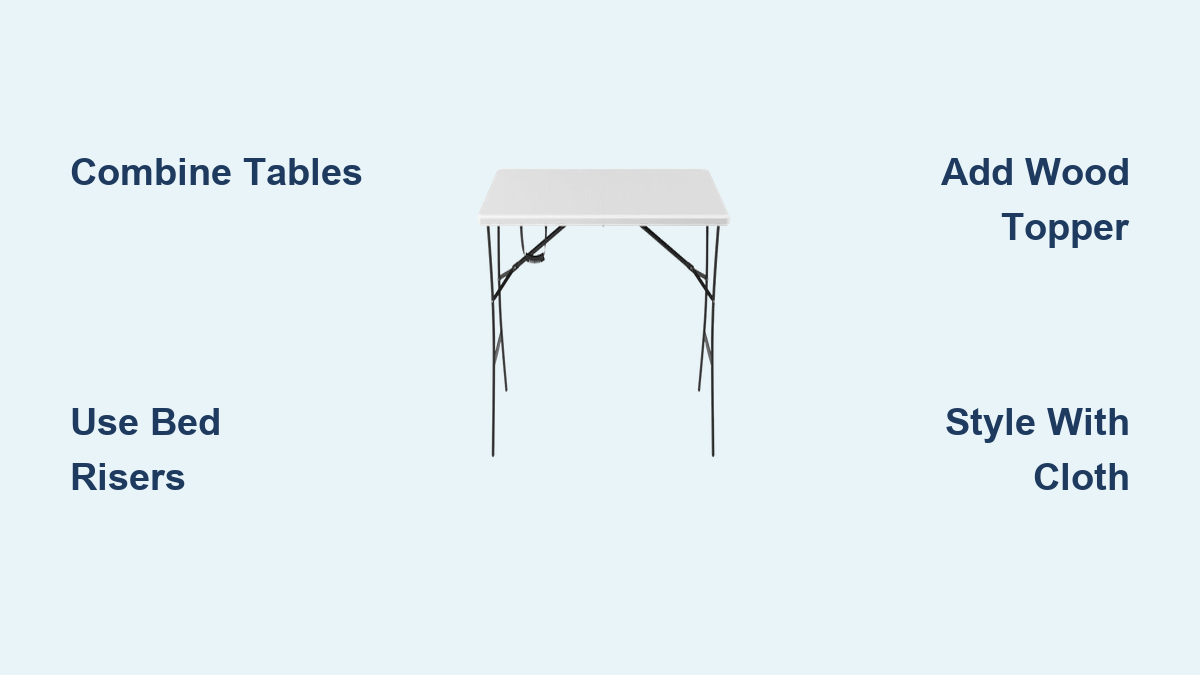
A single 30-inch folding table feels narrow for dining or workspace. Standard dining tables are about 48 inches wide. To achieve that width, pair a 30-inch table with an 18-inch narrow folding table placed side by side. This combination creates a seamless 48-inch surface perfect for dinner parties, extended workspaces, or craft stations. For larger events, use two 6-foot 30-inch tables with two 6-foot 18-inch tables to create a full banquet-style setup.
Use Bed Risers for Proper Height
Most folding tables sit at 28 inches, which is lower than standard dining height of 29 to 30 inches. This creates awkward seating and makes tablecloths drape poorly. Place 4-inch bed risers under each leg to raise the table to proper dining height. Choose risers that match your decor, such as dark wood, white, or brushed metal, to keep the look cohesive while hiding the risers under tablecloths.
Stabilize Wobbly Legs
Lightweight folding tables often wobble, especially older models. Fix this by ensuring locking mechanisms are fully engaged before use. Place the table on a flat surface and add weight through a wood topper or heavy tabletop to naturally stabilize the frame. Use non-slip pads between the legs and floor. Avoid overloading the table until stability is confirmed.
Upgrade the Table Surface

The surface is what people notice first. Transform a shiny plastic top into something beautiful with these high-impact methods.
Build a Removable Wood Topper
A wood topper is the most effective way to make a folding table look like quality furniture. It lifts off for storage and protects the original table.
Choose Your Material
Use ¾-inch sanded birch or oak-faced plywood for a budget-friendly option that finishes beautifully. Solid wood planks work well for rustic or farmhouse styles. Glue and clamp boards together, then sand smooth. Pre-finished butcher block or laminate-top panels save time and effort.
Cut and Finish the Topper
Measure your table and cut the wood to size. For a floating edge look, make the topper 1 to 2 inches larger than the table on all sides. Sand thoroughly, then apply stain, polyurethane, or paint. Seal outdoor toppers with water-resistant finish. Simply place it on top without permanent attachment.
Paint for a Custom Look
Painting transforms both the tabletop and frame when done correctly.
Paint the Frame
Clean and lightly sand the metal frame first. Apply 2 to 3 light coats of spray paint made for metal, letting each coat dry between applications. Gold or brass creates a luxe party look. Matte black or white fits modern or minimalist spaces. Distressed metal works for vintage, shabby-chic effects.
Faux Finish the Tabletop
Make plastic look like wood or marble using specialized techniques. Use faux wood grain kits with base coat, glaze, and special brushes. For marble effect, layer white paint with gray veining using a dry-brush technique. Always sand the surface flat first, or paint will highlight every bump and imperfection.
Apply Contact Paper Quickly
Contact paper works perfectly for renters, temporary upgrades, or kids’ tables.
Pick the Right Design
Choose wood grain to mimic oak, walnut, or whitewashed pine. Marble or stone adds elegance for events. Colorful patterns work great for playrooms or craft tables.
Apply Without Bubbles
Clean the surface with rubbing alcohol. Measure and cut paper slightly larger than the table. Peel slowly and smooth with a credit card or squeegee to remove air bubbles. Trim excess with a utility knife. This costs under $20 and is removable.
Customize the Legs and Edges
The frame and edges define the table’s character. Upgrade these elements to shift from institutional to intentional.
Swap or Upgrade the Legs
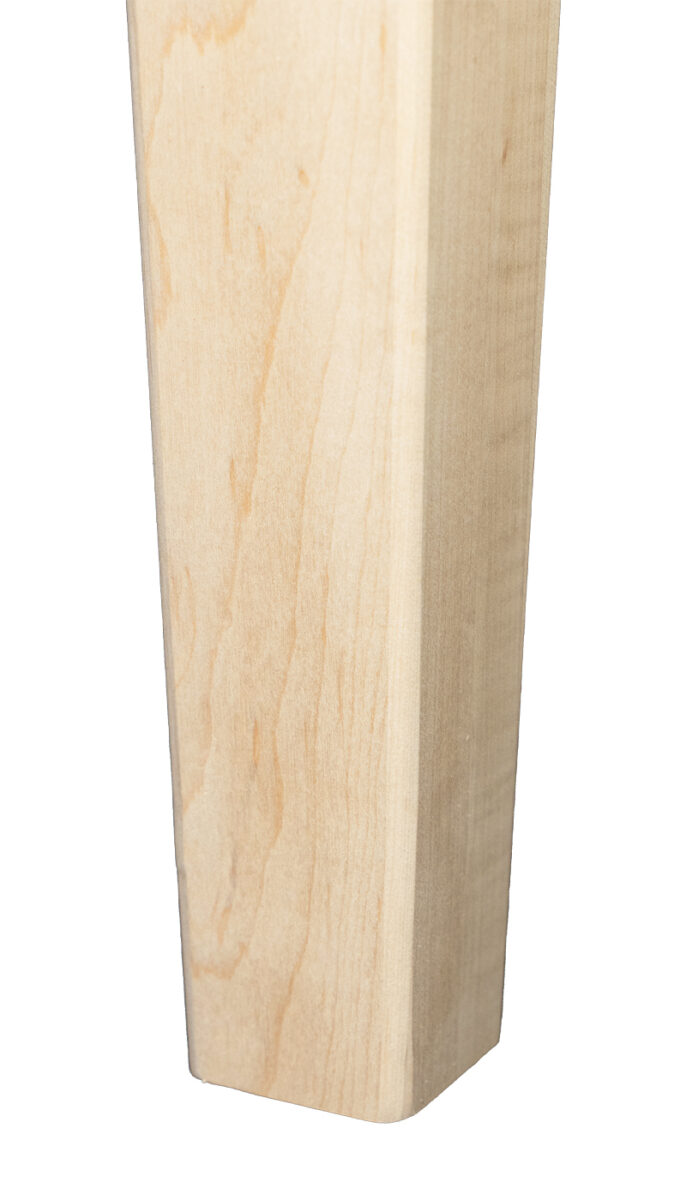
Replace standard X-frame legs with tapered wooden legs, hairpin legs for industrial style, or cross-braced metal bases. This requires attaching a new base to a wood topper, hiding the folding mechanism while creating a semi-permanent piece.
If you need to keep portability, spray-paint legs in a stylish color. Wrap with jute rope or leather strips for texture. Add decorative caps or bun feet over the ends.
Add Decorative Edge Banding
Raw plywood edges look unfinished. Hide them with iron-on wood veneer tape, solid wood edge strips glued in place, or metal inlay for a custom-built appearance that also protects edges from chipping.
Style It to Match Your Space

Once the structure is upgraded, styling turns function into fashion.
Choose a Theme That Fits
Match the table to your room’s vibe. For rustic farmhouse, use a reclaimed wood topper, paint legs white or black with distressed finish, and add a burlap table runner with mason jar centerpieces. For modern minimalist, top with white laminate or black-stained wood, use hairpin legs, and style with a single potted plant or sleek lamp.
For boho or eclectic style, use bamboo or natural wood tones, add colorful fabric or patterned tablecloths, and layer with textured baskets or woven placemats. For industrial edge, expose metal hardware, use dark-stained wood with black metal legs, and pair with Edison bulb lighting.
Use Tablecloths Like a Pro
A well-chosen cloth hides imperfections and elevates any table. For parties, use a 72-inch by 168-inch tablecloth on combined tables for floor-length coverage that hides seams, legs, and folding mechanisms. On a wood-topped table, a linen or cotton runner adds color and texture without hiding your work.
Accessorize the Surface
Turn the table into a focal point with appropriate accessories. For home office, add a desk tray, lamp, and notebook. For dining, use coasters, candles, and a small vase. For entryway console, place keys, a mirror, and a small plant. Keep it clutter-free.
Optimize for Specific Uses

Tailor your makeover to how you actually use the table.
Create a Stylish Home Office Desk
Use contact paper or wood topper for a smooth writing surface. Paint legs to match your room. Add risers if height doesn’t suit your chair. Run a power strip underneath for cords. Result is a functional, attractive workspace that doesn’t look temporary.
Design a Fun Kids’ Table
Use brightly colored contact paper with fun patterns. Seal with clear tape or mod podge for wipeable durability. Round sharp corners with sandpaper or edge guards. Use non-toxic, washable paints. This makes homework or craft time more inviting.
Elevate Party Tables
For weddings, birthdays, or holidays, combine 30-inch plus 18-inch tables for width. Use floor-length linens in luxe fabric. Paint legs gold or silver for glam. Add themed centerpieces and matching chairs. Guests won’t believe it’s a folding table.
Avoid Common Mistakes
Small errors can ruin a makeover. Here is how to dodge them.
Never Skip Sanding
Painting or applying contact paper over a bumpy plastic surface creates bubbles and looks amateurish. Sanding flat is mandatory. Use medium-grit sandpaper or an electric sander until the surface is completely smooth.
Don’t Leave the Table Too Low
A short table with long tablecloths creates a tent effect. Fix this with 4-inch risers that are cheap, effective, and nearly invisible under fabric.
Use Quality Materials
Thin wood or low-quality contact paper won’t last. Invest in ¾-inch plywood, self-adhesive vinyl with air-release backing, and outdoor-rated finishes for patios. Durability matters.
Don’t Ignore the Edges
An unfinished plywood edge ruins the illusion. Always apply edge banding or trim for a clean, professional look.
Frequently Asked Questions About Making a Folding Table Look Nice
Can I make a folding table look like a real dining table?
Yes. Combine a 30-inch table with an 18-inch table to reach 48-inch dining width. Add 4-inch bed risers for proper height. Cover with a floor-length tablecloth to hide all folding mechanisms. This creates a seamless look that mimics permanent dining furniture.
What is the best surface covering for a folding table?
Removable wood toppers provide the most professional look. Use ¾-inch plywood cut slightly larger than the table, then stain or paint it. The topper lifts off for storage and protects the original table. Contact paper works well for budget or temporary upgrades.
How do I stop a folding table from wobbling?
Ensure locking mechanisms are fully engaged. Place the table on a flat surface. Add weight via a wood topper or heavy tabletop to stabilize the frame. Use non-slip pads between legs and floor. Check stability before loading the table with items.
Can I use a folding table outdoors?
Yes. Build a topper from pressure-treated wood or marine-grade plywood. Seal with outdoor polyurethane. Use weather-resistant tablecloths or let the wood age naturally. This protects the plastic base from sun and rain while adding style to your patio.
How much does it cost to make a folding table look nice?
Costs vary by method. Contact paper costs under $20. Wood toppers using plywood run $30 to $60 for materials. Paint and supplies total about $25 to $50. Complete transformations with custom legs and premium materials can reach $150 or more, but still cost far less than buying new furniture.
Key Takeaways for Making Your Folding Table Look Nice
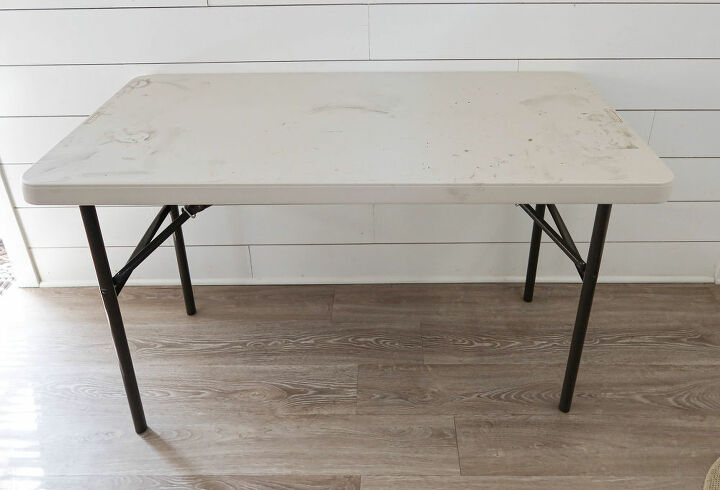
Making a folding table look nice is about addressing three core issues: size, height, and surface quality. Start by combining tables for proper width and adding bed risers for correct height. These structural fixes make the biggest difference in how polished the table appears. Then choose your surface upgrade based on your needs and budget, whether that is a wood topper, paint, or contact paper. Finally, style with tablecloths, runners, and accessories that match your decor theme. With attention to detail and quality materials, your folding table can become a versatile, attractive piece that works in any room or event.