How to Decorate a Coffee Table
You sit down with a cup of coffee, glance at your living room, and something feels off. The couch looks great, the rug ties in nicely, but the coffee table is cluttered with remotes and forgotten items. A well-decorated coffee table anchors your living space, catches guest attention, and reflects your personal style. Whether you prefer cozy, modern, bohemian, or minimalist aesthetics, learning how to decorate a coffee table is about creating balance, texture, and meaning in one central spot.
This guide breaks down the exact steps designers use to style coffee tables with intention. You will discover how to choose the right mix of decor, layer heights and textures, and adapt your look to your lifestyle while keeping it functional and beautiful.
Start With a Hero Piece
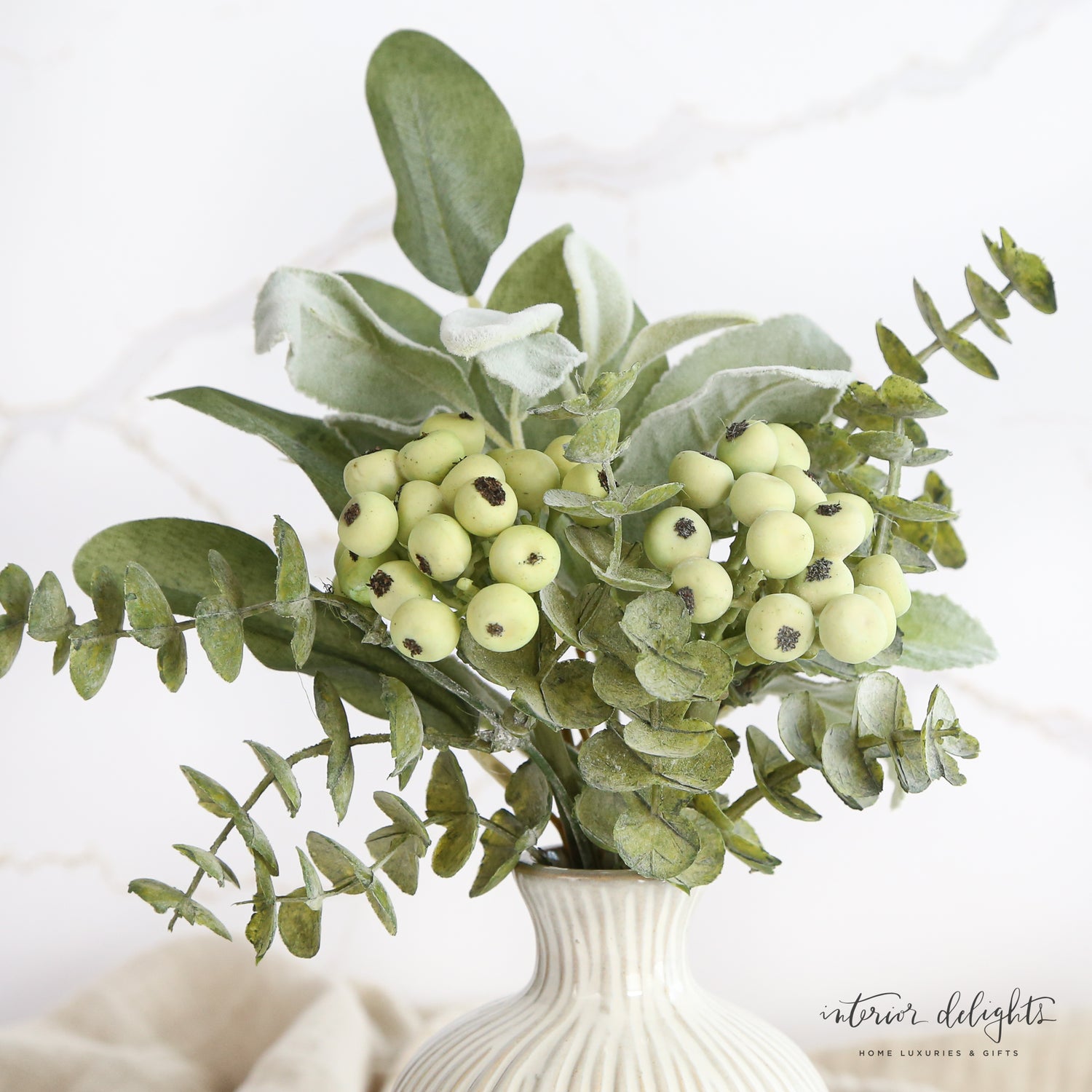
Every stunning coffee table begins with one standout item that draws the eye and sets the tone. This hero piece serves as the anchor for your entire arrangement. It could be a bold faux plant with berries, a sculptural vase, or a unique art object. Choose something meaningful and visually strong that reflects your room is vibe.
For coastal spaces, consider a coral or seashell display. In modern rooms, a monolithic stone bowl or geometric sculpture works beautifully. The key is scale: your hero should be large enough to command attention but not so tall that it blocks conversation when seated.
Place your hero slightly off-center on rectangular tables or dead center for round ones. Let everything else orbit around this piece to create visual hierarchy. Avoid placing all items symmetrically unless you are going for a formal, traditional look. Asymmetry feels more organic and inviting.
Choose a Meaningful Focal Point
Your hero piece should not just look good; it should tell a story. That vintage globe from your travels or the hand-thrown ceramic bowl from a local market becomes a conversation starter. Personal items add soul and prevent your table from looking like a showroom display.
If you do not have a standout object, create one. Stack three thick art books and top them with a small sculpture. Or place a tall candle in a brass holder on a stone riser. Elevating an item instantly makes it feel more important.
Test its impact by standing back and squinting. Does one thing stand out clearly? If everything blends together, your composition lacks focus. Swap, elevate, or remove items until one piece clearly leads the scene.
Use Risers to Add Height Variation
Height variation creates visual interest and prevents a flat appearance. Not every item comes tall naturally, so risers solve this problem.
Stacked books are the easiest and most stylish option. Use hardcovers on art, travel, or design topics. Avoid thin paperbacks. A trio of books creates a stable platform for other items. Rotate them seasonally to keep the look fresh.
Stone or wood risers also work beautifully. A small marble slab under a candle or plant adds luxury. Ensure the riser contrasts with the table surface. No black wood on black wood, no marble on marble. Contrast creates depth.
For a playful twist, use an upside-down ceramic bowl or a vintage box as a base. The goal is breaking the flat plane and guiding the eye upward and downward.
Apply the Rule of Three
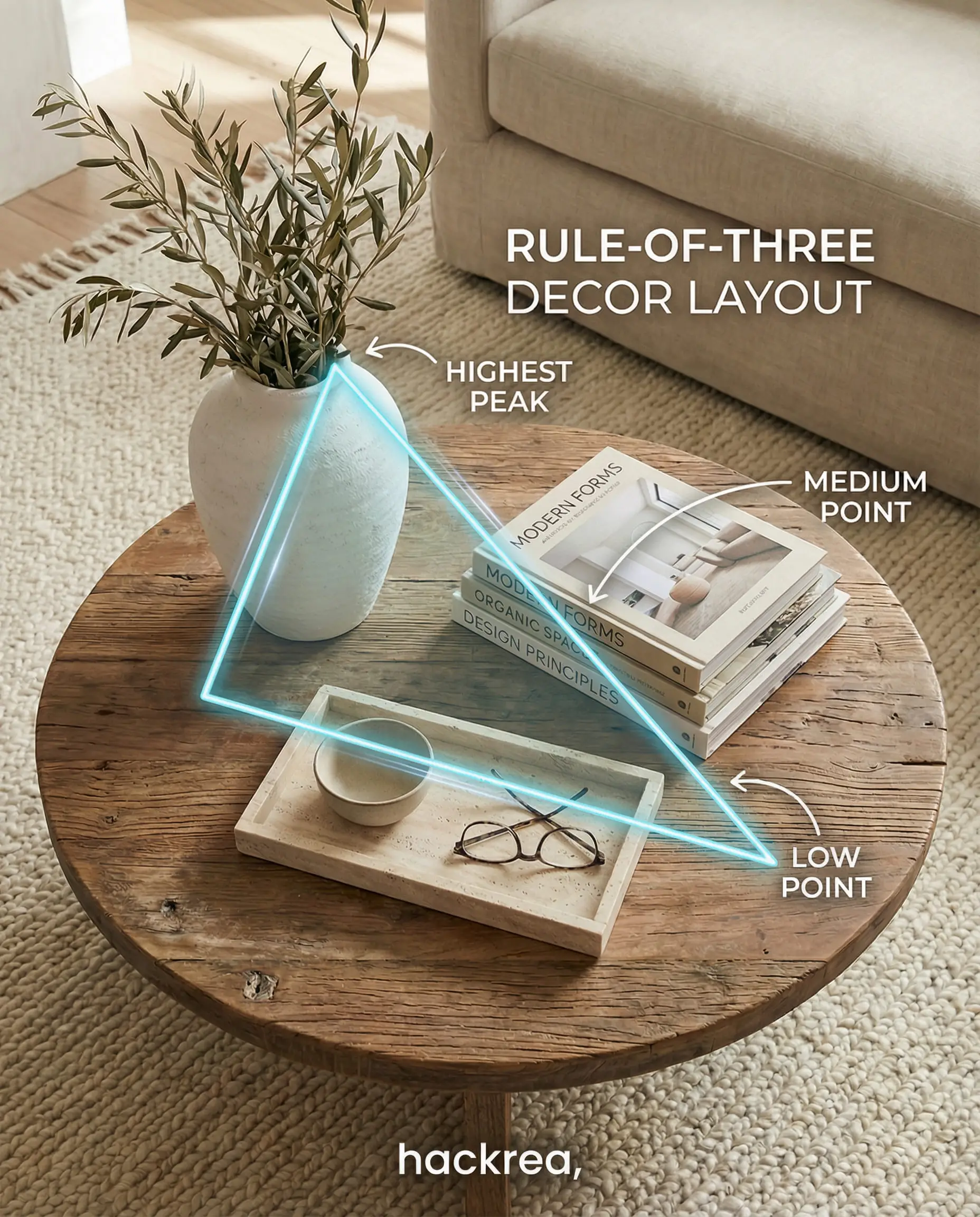
Designers love the Rule of Three because groupings of three items feel balanced, dynamic, and natural. Apply this to your coffee table by creating small vignettes that work together.
For example: a tall plant, a medium candle, and a low stack of books. Or a sculptural object, a small bowl, and a framed photo. Arrange them in a triangle when viewed from above. This creates rhythm and movement, guiding the eye smoothly from one piece to the next.
Odd numbers prevent symmetry from feeling stiff. Groups of five work well on larger tables. Never use two identical items side by side because they compete instead of complement.
Vary shapes by pairing a round vase with a square box and an organic-shaped branch. Mix textures like glass, wood, and metal to keep the arrangement rich and layered.
Create Visual Triangles
The triangle is the secret to professional-level arrangements. Place your tallest item at one point, then balance it with two shorter ones forming the other corners.
On a rectangular table, place the tallest piece near one end, then position two smaller items diagonally across. On a round table, cluster all three in the center, slightly offset.
This shape prevents flatness and gives your eye a path to follow. Avoid lining items up in a row because they will look like soldiers rather than decor. Instead, stagger them and let one lean slightly, another sit behind, and another peek from the side.
Mix Materials Using the Six-Category Rule
Uniformity kills interest. A table full of glass or all wood looks flat. Instead, follow the Material Mix Rule by including at least one item from each of these six categories.
Include organic items like plants, branches, coral, or driftwood. Add stone pieces such as marble bowls or alabaster sculptures. Incorporate wood or leather through trays, boxes, or bead strands. Use metal accents like brass candlesticks or rings. Add glass through vases, cloches, or terrariums. Include pottery or ceramic through planters, dishes, or textured boxes.
This mix ensures richness and prevents visual monotony. A smooth ceramic vase next to rough-hewn driftwood creates perfect contrast. Shiny metal against a matte linen book cover elevates the arrangement.
Add Greenery and Life

No coffee table is complete without greenery. A plant or floral arrangement brings softness, color, and life to a hard-surfaced space.
Real plants are ideal, but high-quality faux works if you lack time or natural light. Choose low-maintenance options like succulents, air plants, or snake plants if going real.
Use varied containers for your plants. A clear glass vase lets stems shine. A chunky ceramic pot makes a statement. A stone bowl holds dried grasses. Cluster small plants in a tray for impact.
Seasonal swaps keep things fresh. Spring brings tulips. Summer features sunflowers. Fall offers dried wheat. Winter showcases evergreen branches. Even a small potted herb like rosemary adds scent and texture.
Select the Right Vase Style
Vases are sculptural elements beyond just holding flowers. Pick ones that complement your aesthetic.
Clear glass disappears and lets stems shine. Ceramic or stoneware adds weight and color. Metal or brass brings warmth and shine. Apothecary jars offer vintage charm. Terrariums provide enclosed drama.
Low bowls work for sprawling arrangements. Tall vases suit single stems or vertical blooms. If using faux flowers, invest in realistic ones. Cheap silk looks dusty and sad. Look for hand-wired stems with varied heights.
Use Trays to Organize and Define
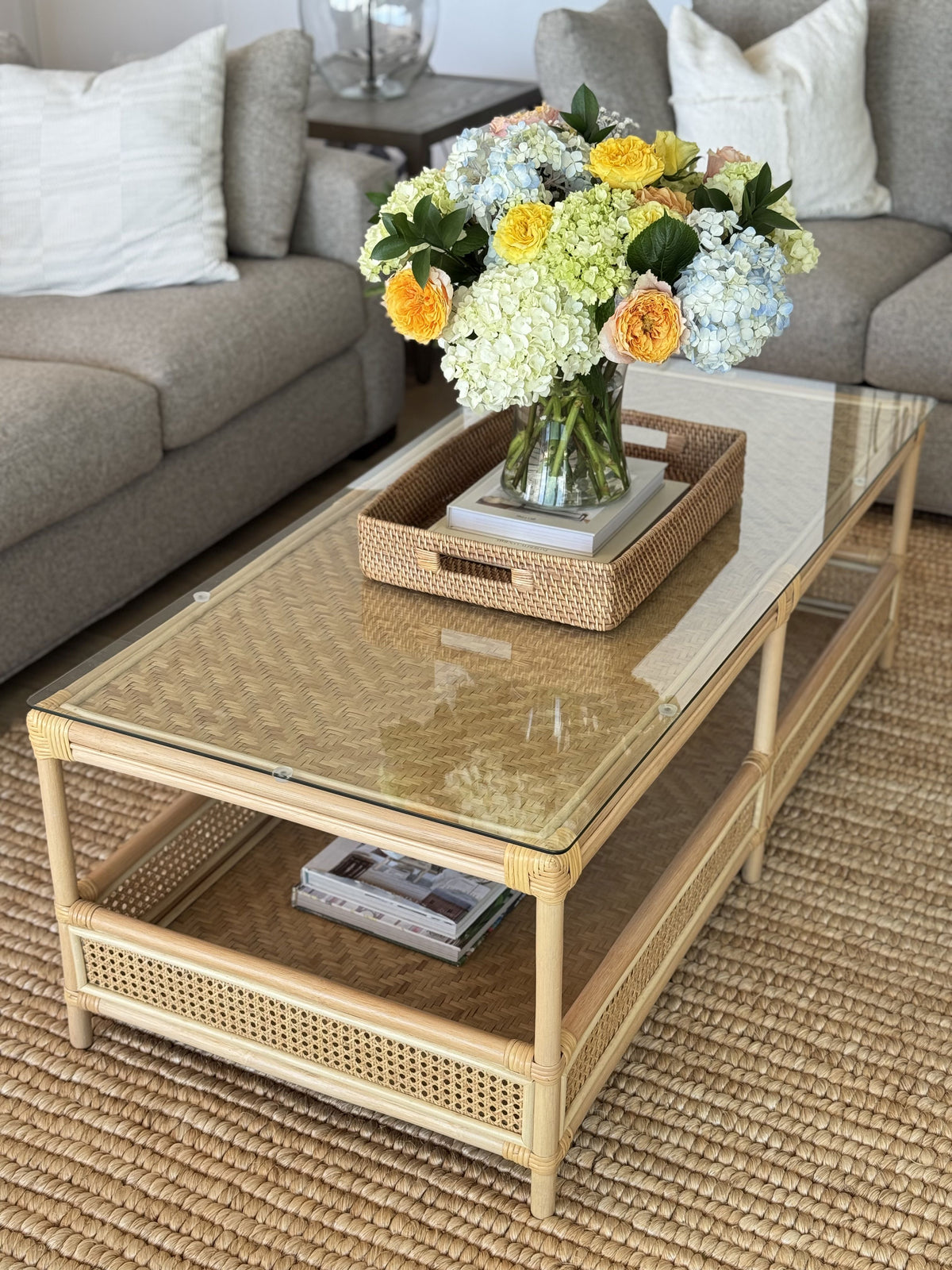
On larger tables, a tray acts like a stage, grouping items into a curated scene. Without one, decor can look scattered.
Choose a tray that contrasts with your table. Wood on glass, rattan on marble, metal on wood. Avoid matching materials because they blend together.
Size matters: the tray should take up about two-thirds of the table surface. Too small, and it looks lost. Too big, and it dominates the table.
Use trays to organize functional items like coasters, matches, and remotes. Tuck them into a bowl or box inside the tray. This keeps essentials hidden but accessible. Lift the entire tray to clean the table in seconds.
Choose Tray Materials That Match Your Style
Trays come in many materials, each setting a different mood.
Rattan or cane feels casual, boho, and coastal. Wood or leather brings warmth and organic rusticity. Marble or stone offers luxe modern elegance. Metal or mirrored provides glam and reflection. Ceramic or lacquered makes an artistic colorful statement.
Match the tray to your room style. A rattan tray softens a sleek modern table. A brass tray adds shine to a neutral space.
Round trays suit round tables. Rectangular ones work on square or rectangular surfaces. Avoid mismatched shapes because they look awkward.
Hide Clutter Stylishly
A coffee table must work for real life. Remotes, chargers, and daily items need a home.
Use lidded boxes, glass jars, or decorative bowls to hide them. Choose containers that match your aesthetic: a leather box for remotes, a marble dish for keys, a glass cloche for matches.
For families, prioritize durability. Avoid fragile ceramics. Opt for wood, stone, or metal that can handle kids and pets.
Even a simple woven basket underneath holds blankets or toys, keeping the top clean and clear.
Style for Your Table Shape
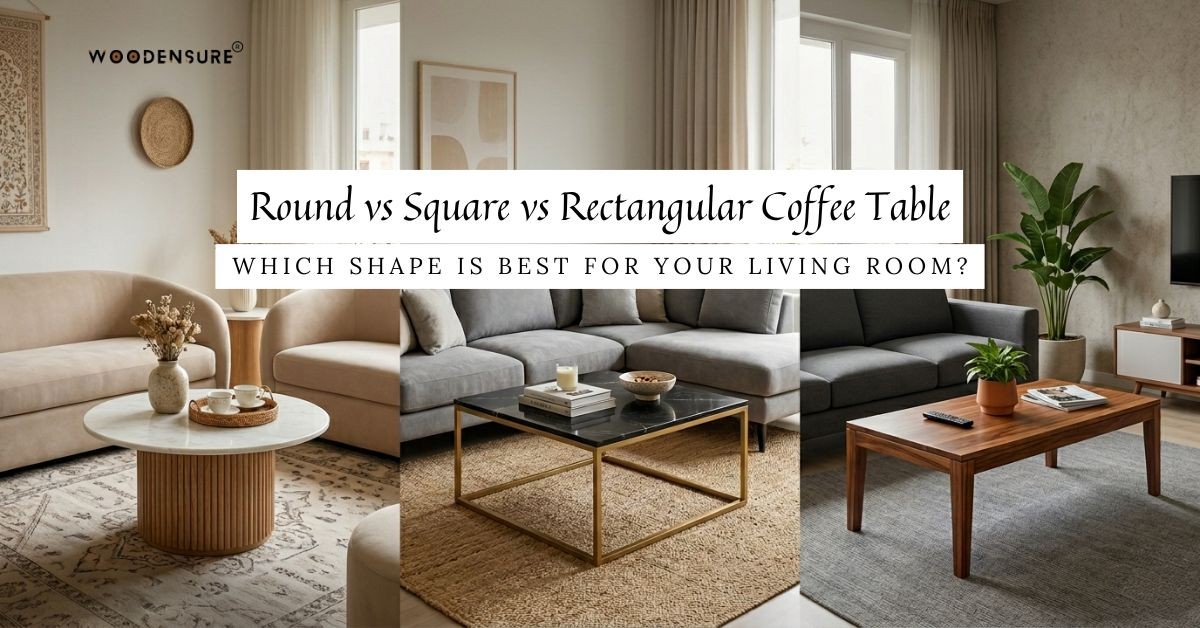
Your table shape dictates how you arrange decor. One size does not fit all.
Round Tables: Center the Cluster
On round tables, group items in the center using the Rule of Three with varying heights. Place a tall plant or flower, a medium candle, and a low book stack.
Avoid trays unless they are round. Square trays look out of place on round tables.
Let objects radiate slightly outward so they are visible from all angles. Walk around the table to check balance.
Square Tables: Create Three Scenes
Break the surface into zones. Create three vignettes forming a loose triangle.
One side might have a tray with flowers and a candle. The opposite corner gets a stack of books. The third corner features a sculptural object.
You can use symmetry if desired with two matching stacks and a centerpiece. But asymmetry feels more modern and relaxed.
Rectangular Tables: Go Off-Center
Divide the table into thirds, but do not space items evenly. Place one bold moment like a large plant or tray slightly off-center.
Flank it with smaller clusters on either ends: a book stack on one side, a candle and bowl on the other.
Keep depth in mind by placing taller items toward the back and shorter ones in front. This layout works well for long sofas and encourages movement along the length.
Oval Tables: Blend Approaches
Oval tables are flexible. You can treat them like round tables with a center cluster or like rectangles with an off-center main moment and side accents.
Option A creates three items in the center at different heights for a casual look. Option B places one centerpiece with two matching book stacks on either side for a formal feel.
Add Personality and Function
A styled table should reflect you, not just what is trendy.
Display a framed photo from a favorite trip. Add a quirky sculpture like a bronze dachshund or brass skeleton hand. These become story starters.
Incorporate functional decor like a chess set for game nights or a backgammon board for guests.
Books are key. Use thick hardcovers on art, design, or travel. Stack them horizontally. Let spines face out if the covers are beautiful. Avoid random paperbacks or cookbooks because they look cluttered.
Let scent and touch enhance the experience. A candle adds fragrance and warmth. A linen runner adds softness.
Include Functional Decor Items
Your coffee table is not a museum. It should be usable.
Stack coasters neatly or place them in a bowl. Display matches in a glass jar or under a cloche. Use electric or enclosed glass candles for safety with kids and pets.
Games like chess, mahjong, or cards invite interaction. A beautiful pink marble chess set is art when not in use.
Reflect Your Lifestyle in Your Styling
Style should serve how you live.
For entertainers, focus on conversation with books, games, and ample coasters. For minimalists, use one sculptural piece, a single vase, and plenty of negative space. Let the table breathe.
For families, prioritize storage with lidded boxes, durable materials, and no fragile items. For romantics, layer candles, soft textiles, and warm metals to create ambiance.
For seasonal stylists, keep a neutral base and swap accents with holidays and seasons.
Edit Ruthlessly
The final step and most important is editing.
Stand back and walk around. Ask yourself: Does the eye move smoothly? Is there a hero? Are there too many small trinkets? Is there space for a drink?
If two items look too similar, remove one. If everything feels crowded, take away until you have breathing room.
Fewer, larger items look more intentional than a dozen tiny ones. Remove anything that does not add value visually or functionally. If it is just taking up space, it does not belong.
A styled table should feel effortless, not fussy.
Maintain Your Styled Table
Once styled, maintain it properly.
Dust weekly by lifting the tray to wipe the surface. Rotate items like books, candles, or greenery every few weeks. Make seasonal updates with fall leaves, spring blooms, or holiday accents. Edit regularly by removing items that no longer fit or have lost their charm.
Perform the 360-degree check by walking around the table. Does it look good from every seat?
Perform the function test by ensuring you can set down a drink without moving decor.
Perform the flow test by checking if your eye travels naturally from piece to piece.
Frequently Asked Questions About How to Decorate a Coffee Table
What is the Rule of Three for coffee table decorating?
The Rule of Three is a design principle stating that groupings of three items feel balanced and natural. Apply this by creating small clusters of three items at varying heights, such as a tall plant, a medium candle, and a low stack of books. Arrange them in a triangle when viewed from above to create visual rhythm.
How do I choose a hero piece for my coffee table?
Choose a hero piece that is large in scale, visually striking, and meaningful to you. It could be a bold faux plant, sculptural vase, or unique art object. The hero should reflect your room vibe and be large enough to command attention without blocking conversation when seated.
What materials should I mix when styling a coffee table?
Follow the Material Mix Rule by including at least one item from each of these six categories: organic (plants, branches), stone (marble, alabaster), wood or leather (trays, boxes), metal (brass candlesticks), glass (vases, cloches), and pottery or ceramic (planters, dishes). This creates richness and prevents visual monotony.
How do I style a rectangular coffee table differently from a round one?
For rectangular tables, place one bold moment slightly off-center and flank it with smaller clusters on either end. For round tables, cluster items in the center using the Rule of Three with varying heights. Avoid square trays on round tables because they look awkward.
How do I keep my coffee table functional while decorated?
Use decorative boxes, glass jars, or lidded containers to hide remotes and daily items. Place functional items inside a tray so they feel part of the decor. Ensure there is breathing room at the edges for placing drinks. Choose durable materials like wood, stone, or metal if you have kids or pets.
Key Takeaways for Decorating Your Coffee Table
A beautifully decorated coffee table blends style and function by starting with a hero piece, building with texture and height, and finishing with personality. Use trays to organize, greenery to enliven, and meaningful objects to tell your story.
The five design principles to remember are interest through personal taste, scale through varied sizes, rhythm through repeated colors or materials, balance through stable compositions, and movement through smooth visual flow.
Whether you have a round, square, rectangular, or oval table, the principles of balance, rhythm, and ruthless editing apply. Keep it clean, keep it functional, and let it reflect who you are. With these steps, your coffee table will not just hold drinks. It will hold attention.