How Wide Is a Dining Table: Standard Sizes
If you’re shopping for a dining table, one of the most practical questions you will face is: how wide is a dining table? The answer is not one-size-fits-all. Width varies significantly based on table shape, seating needs, and room size. Most dining tables range from 28 to 48 inches wide, with 36 to 40 inches being the standard for rectangular models. This width ensures enough space for place settings, serving dishes, and comfortable conversation without crowding the room.
Choosing the right width affects more than just aesthetics. It impacts how many people can sit comfortably, whether large platters fit in the center, and how easily guests can move around. Too narrow, and you will lack space for meals. Too wide, and diners may struggle to reach across or feel disconnected. Below, we break down exact dimensions by table type, seating capacity, and room layout to help you choose the perfect fit.
Standard Dining Table Widths Explained

The width of your dining table directly determines how many people can sit on each side and how much room remains for serving dishes. Understanding these standard ranges helps you narrow down options quickly.
The 36 to 40 Inch Sweet Spot
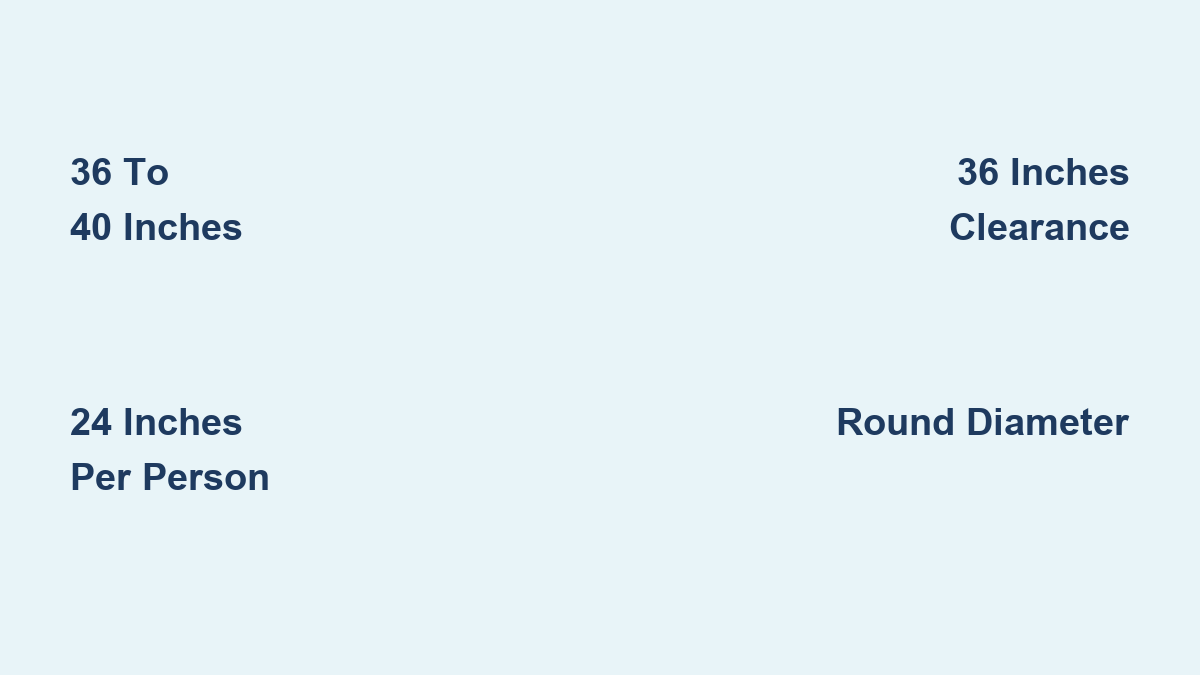
The 36 to 40 inch width range is the industry standard for rectangular dining tables, especially those seating four to six people. This range provides enough depth for a full place setting including plate, glass, and cutlery while leaving a central corridor for serving dishes or centerpieces. At 36 inches, two people can sit comfortably on each long side. Larger models at 40 inches can accommodate three per side on longer tables.
This width balances function and space efficiency perfectly. It works well in average dining rooms around 10×12 feet or larger and fits most decor styles from farmhouse to modern. Tables narrower than 36 inches may feel cramped during family-style meals. Widths over 40 inches require larger rooms to avoid a bulky feel in the space.
Narrow vs Wide: Finding Your Balance
Not all dining tables fit the standard mold. Narrow tables ranging from 28 to 30 inches are ideal for apartments, eat-in kitchens, or spaces where floor area is limited. They promote intimacy because diners sit close together, making conversation easy. They are also great for games or puzzles where reaching the center matters. However, they leave little room for serving platters or large centerpieces.
Wide tables from 38 to 48 inches are built for large rooms and family-style dining. A 40 inch width allows space for multiple serving dishes down the middle without interfering with individual settings. These tables often require reinforced support like a pedestal or trestle base to maintain stability. While generous, widths over 44 inches can make it hard to talk across the table unless the length compensates with extra footage.
Dining Table Width by Shape
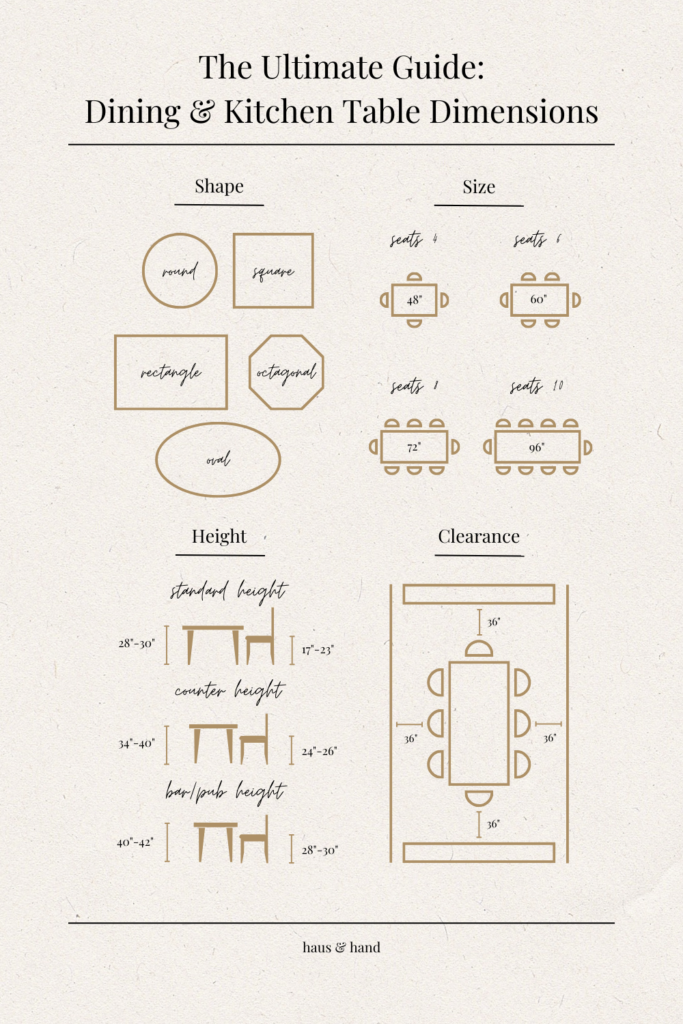
Table shape significantly influences how width is measured and how the table functions in your space. Each shape has its own dimensional logic.
Rectangular Tables: Width vs Length
For rectangular tables, width is independent of length and typically falls between 36 and 40 inches. The length determines total seating capacity while the width affects side seating and center usability.
Standard rectangular table dimensions include:
- 4 person table: 48 inches long by 36 to 40 inches wide
- 6 person table: 60 to 72 inches long by 36 to 40 inches wide
- 8 person table: 72 to 96 inches long by 38 to 42 inches wide
- 10 to 12 person table: 120 to 144 inches long by 40 to 48 inches wide
Wider rectangular tables at 40 plus inches become essential when seating three per side or using large serving platters. They also improve proportion on long tables, preventing what designers call a “railroad track” look where the table appears overly long and narrow.
Square Tables: Equal Dimensions
Square tables have equal width and length. The most common size for four people is 36 to 44 inches per side. This gives each diner about 18 to 22 inches of edge space, which is comfortable for place settings and conversation.
Larger square tables measuring 60 to 72 inches can seat up to eight people, but they require spacious rooms. Because all sides are equal, seating is symmetrical, making it easy to include end seats. Stability and legroom depend heavily on the base design. Pedestal or trestle designs work better than four legs for wider models because they free up knee space.
Round Tables: Diameter as Width
For round tables, width is measured as the diameter. Seating capacity depends on circumference, calculated as diameter multiplied by 3.14.
Common round table sizes include:
- 4 person: 36 to 44 inches diameter
- 4 to 6 person: 44 to 54 inches diameter
- 6 to 8 person: 54 inches or larger diameter
A 48 inch round table has about 150 inches of edge space. Dividing by 24 inches per person gives approximately six seats. Round tables promote conversation because no one sits at a “head” position, and they save space in small rooms due to having no corners.
Oval Tables: Best of Both Shapes
Oval tables combine the length of rectangles with the soft ends of rounds. They typically range from 36 to 42 inches wide, matching standard rectangular widths.
Typical oval table dimensions include:
- 6 to 8 seats: 72 to 96 inches long by 36 to 42 inches wide
- 8 to 10 seats: 96 to 120 inches long by 36 to 42 inches wide
The curved ends improve traffic flow and make it easier to pull out chairs. Width remains consistent with rectangles to maintain place setting standards, while the shape adds elegance and fits well in narrow rooms where sharp corners would be problematic.
Seating Capacity and Width Rules

Understanding how width relates to seating helps you choose a table that actually fits your family and entertaining needs.
The 24 Inch Per Person Rule
The golden rule for dining table seating is allocating 24 inches of table edge per person. This ensures enough room for a plate, glass, and elbow space. You can squeeze down to 21 inches in tight spaces, but it feels cramped. Going above 24 inches up to 30 adds luxury and comfort to the dining experience.
Use this rule to calculate capacity. For example, a 72 inch long rectangular table has 144 inches of usable edge along the two long sides. Dividing by 24 inches per person yields six seats. You can add end seats only if the width allows it and there is extra length, typically 6 to 12 inches per end.
How Width Affects Side vs End Seating
Table width determines whether end seats are practical. Tables under 30 inches wide rarely fit a person at the end because there is not enough knee space for comfortable sitting. At 36 inches or more, end seating becomes feasible, especially with pedestal or trestle bases that free up legroom.
Rectangular tables with 40 plus inch widths can comfortably seat three people per long side. However, if the table is too wide exceeding 44 inches, diners sitting across from each other may have to raise their voices to converse. A longer table of 8 feet or more helps offset this by allowing side conversations and providing more surface area for serving dishes.
Dining Table Height Standards
While width is the primary concern, height matters equally for comfort and functionality.
Standard Height: 30 Inches
Most dining tables are 28 to 30 inches tall, with 30 inches being the standard. This pairs perfectly with chairs that have an 18 inch seat height, allowing feet to rest flat and knees to bend at 90 degrees. This height is ideal for formal dining, family meals, and everyday use in most homes.
Counter and Bar Height Options
Not all dining tables are standard height. Counter height tables measure 34 to 36 inches and need 24 to 26 inch stools. Bar height tables measure 40 to 42 inches and need 28 to 30 inch stools.
Counter height tables work well in kitchens or breakfast nooks, giving a casual bistro feel. Bar height tables suit entertaining areas or pub-style spaces. Both require matching stools and often footrests for comfort during extended seating.
Room Layout and Clearance Guidelines

Proper spacing around your table ensures functionality and safety in your dining area.
Minimum Clearance Requirements
Leave at least 36 inches between the table edge and walls, furniture, or doorways. This allows someone to stand up and pull out a chair without hitting obstacles. For better flow, aim for 42 to 48 inches, which is enough space to walk behind a seated guest comfortably without disturbing them.
In small rooms, measure carefully. A table that is too wide will make the space feel tight and potentially unsafe during busy meal times.
Calculating Maximum Table Size
To find the largest table your room can fit, follow these steps:
- Measure room length and width in inches
- Subtract 72 inches from both dimensions (36 inches from each side)
- The result is your maximum table size
For example, a 13 foot by 9 foot 4 inch room (156 inches by 112 inches) fits a table up to 84 inches long by 40 inches wide. That is perfect for a 7 foot rectangular table that provides comfortable seating without crowding the room.
Rug and Lighting Placement
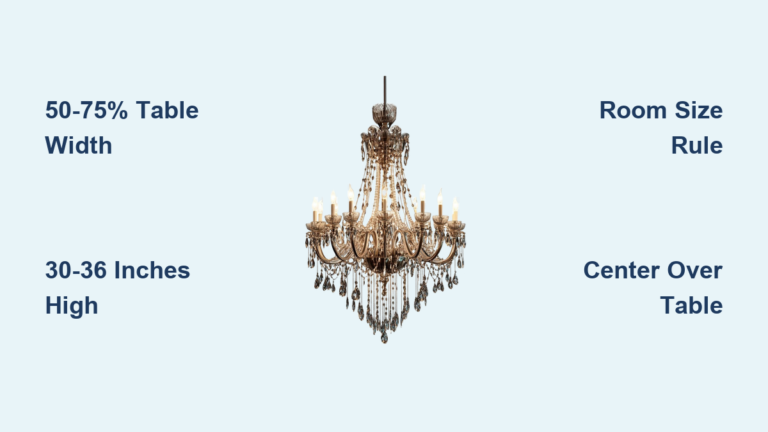
The rug should extend 24 inches beyond the table on all sides. A 72 inch by 36 inch table needs a rug of at least 120 inches by 84 inches (10 feet by 7 feet) so chairs stay on the rug when pulled out. For lighting, hang chandeliers 30 inches above the table to provide good light without blocking views across the table.
Material and Style Impact on Width

The material of your table influences both aesthetics and functional width considerations.
How Materials Affect Width Perception
Wood tables offer warmth and durability and allow for wide custom slabs up to 48 inches wide with trestle or pedestal bases for support. Glass tables make small rooms feel larger because a 36 inch glass table appears less bulky than wood, but they show smudges and need sturdy framing for wide spans. Metal tables provide an industrial look with strong support and often use bases that allow wider tops without leg interference. Stone and composite tables are heavy and elegant but may limit maximum width unless the base is reinforced.
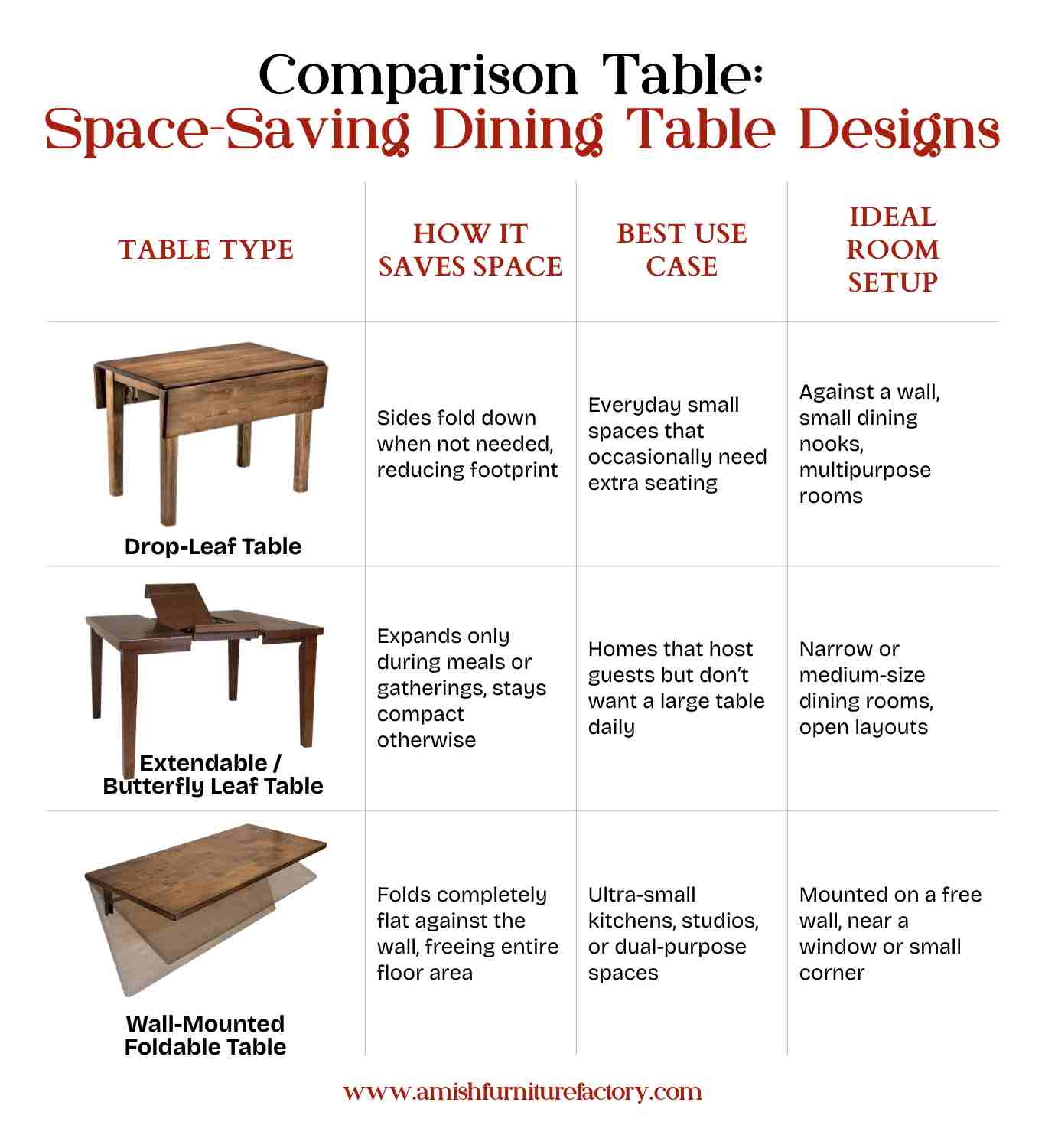
Extendable Tables for Flexibility
Expandable tables solve the width versus space dilemma effectively. A 48 inch round table with an 18 inch leaf becomes 66 inches long, seating six instead of four. Rectangular tables can add multiple leaves, increasing length while keeping standard width between 36 and 40 inches.
These tables are popular in small homes or for frequent entertainers. They offer daily efficiency and weekend capacity without requiring a permanently large footprint in your dining room.
Special Use Case Considerations
Your intended use should guide your width choice significantly.
Family-Style Dining Needs Wide Tables
If you serve meals family-style with platters placed in the center, choose a width of 40 to 48 inches. This creates a dedicated lane for serving dishes without crowding plates. Narrow tables under 36 inches force diners to pass food hand-to-hand, disrupting the natural flow of the meal.
Wide tables also support large centerpieces or holiday decorations. For Thanksgiving setups, 42 inches or wider ensures turkey and sides fit without pushing plates to the edge of the table.
Games and Work: Narrower Works Better
For board games, puzzles, or workspace use, a width of 30 to 36 inches is ideal. Everyone can reach the center without straining across the table. Wide tables at 40 inches or wider require leaning or standing, which breaks immersion during games and reduces productivity for work tasks.
These tables often double as desks or craft tables. Pair them with comfortable seating and task lighting for the best experience.
Custom Widths and Modern Trends
When standard sizes do not work for your space, custom options provide solutions.
Custom Dimensions for Any Space
Custom tables offer widths from 32 to 48 inches in 2 inch increments. This is perfect for narrow dining nooks, alcoves, or large open-concept rooms. Customization also includes tapered edges for better legroom, hidden storage in wide aprons, and convertible heights that transition from dining to standing desk via hand-crank bases.
Expect higher costs for custom work. Wider tables use more material and need stronger support structures, which increases both manufacturing and shipping expenses.
Smart Tables and Sustainability
Emerging trends include built-in wireless charging in the surface, integrated screens for recipes or entertainment, and eco-friendly composites made from recycled wood or bamboo. These features influence structural design. Wider tables may have modular tops for easier shipping or tech integration.
Frequently Asked Questions About Dining Table Width
What is the most common dining table width?
The most common dining table width is 36 to 40 inches for rectangular tables. This range accommodates standard place settings while providing space for serving dishes in the center.
Can a dining table be too wide?
Yes, a dining table can be too wide. Tables exceeding 44 inches in width can make it difficult for diners to talk across the table without raising their voices. They also require larger rooms to maintain proper clearance.
How wide should a dining table be for 8 people?
A dining table for 8 people should be at least 72 to 96 inches long and 38 to 42 inches wide. The width allows three people to sit comfortably on each long side.
What width is best for small apartments?
For small apartments, a width of 28 to 36 inches works best. Narrow tables promote intimacy and save floor space while still accommodating daily meals.
Does table shape affect width requirements?
Yes, table shape affects how width is measured and functions. Round tables use diameter as width, square tables use equal sides, and rectangular tables have independent width and length dimensions.
Key Takeaways for Choosing Dining Table Width
Choosing the right dining table width ensures your table is not just beautiful but functional for meals, games, and memories. Standard rectangular tables fall between 36 and 40 inches wide, which works for most households. Narrow tables at 28 to 30 inches suit small spaces but limit center use for serving dishes. Wide tables at 40 to 48 inches are best for family-style meals and large gatherings where multiple dishes are placed in the center.
Remember the 24 inch per person rule when calculating seating capacity. Allow at least 36 inches of clearance around the table for comfortable movement. Measure your room carefully before purchasing, accounting for the space chairs need when pulled out.
Consider how you will use the table most often. Family-style diners need wider tables for serving platters, while game nights call for narrower widths so everyone can reach the center. Extendable tables offer flexibility if your needs change with seasons or guests. Measure your space, consider your dining style, and pick a width that fits both your room and your life.