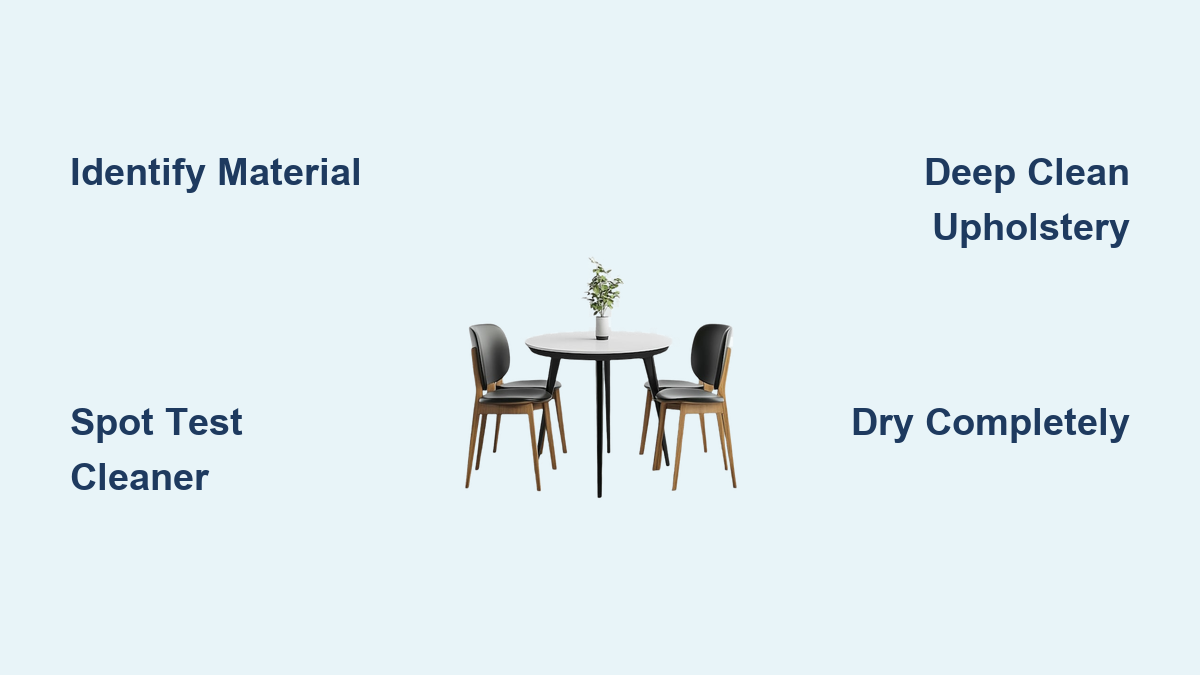
How to Wash a Table Chair: Quick Steps
Cleaning your table chairs isn’t just about appearances. It is essential for hygiene, longevity, and preserving their value. Whether you are dealing with sticky spills, ground-in grime, or everyday dust, knowing how to wash a table chair correctly can save you time, money, and prevent costly damage. Many people make the mistake of using water on wood or harsh scrubbing on delicate fabrics, only to cause stains, warping, or fading.
The key is matching your cleaning method to the chair’s material. This guide walks you through every step from identifying fabric codes and removing debris, to deep-cleaning upholstery, restoring wood finishes, and protecting chairs after cleaning.
Identify Chair Material First
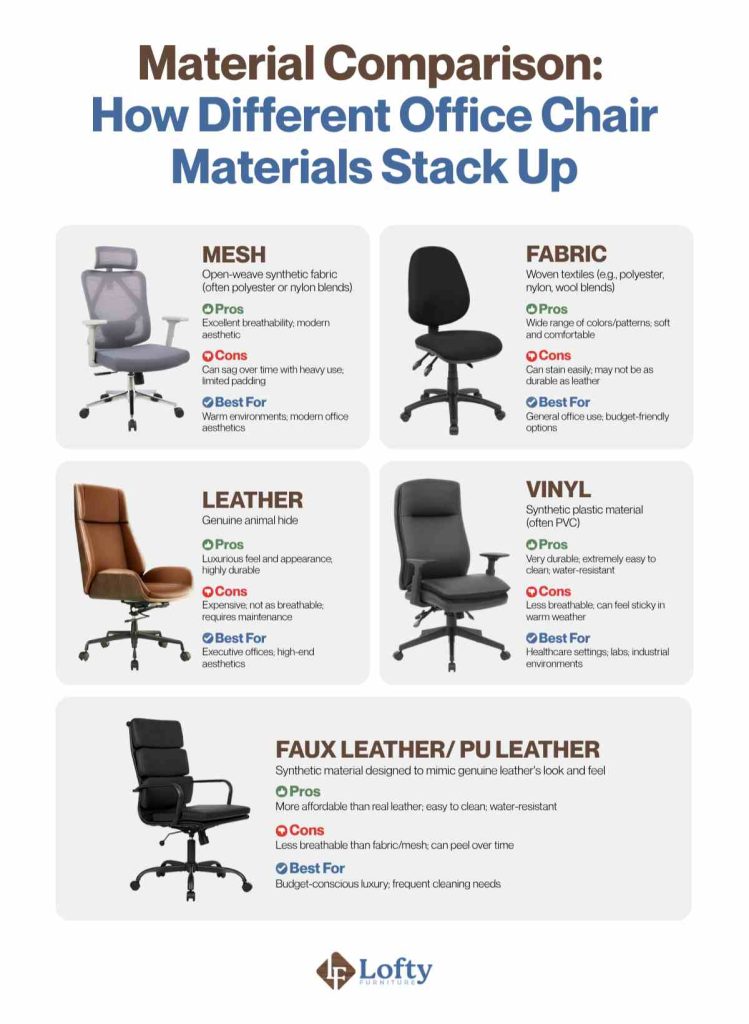
Before applying water or cleaner, determine what your chair is made of. Using the wrong method can ruin finishes or fabrics permanently.
Check the Fabric Care Label
Look for a tag on upholstered chairs labeled with cleaning codes. These codes tell you exactly what is safe.
• W: Water-based cleaners are safe
• WS: Use water or solvent-based solutions
• S: Solvent only, no water allowed
• X: Vacuum only, do not apply liquids
• Dry Clean Only: Requires professional service
If there is no label, assume caution and test any solution on a hidden spot first.
Know Your Chair’s Material Limits
Different materials require different approaches.
• Solid Wood: Never soak; moisture causes swelling and stains. Use oil-based cleaners only
• Laminated Wood: Wipe with damp cloth, dry immediately
• Leather: Use pH-balanced leather cleaner; avoid water
• Vinyl and Plastic: Tolerate mild soap and water; do not use abrasives
• Metal: Clean, then dry thoroughly to prevent rust
• Light-Colored Fabrics: Use distilled water to avoid mineral stains
Using the wrong cleaner can permanently damage materials. Always match your method to the chair type.
Remove Debris Before Washing
Skipping prep leads to smeared dirt and embedded grime. Start clean to clean better.
Vacuum Thoroughly
Use an upholstery attachment to vacuum the following areas.
• Seat cushions, top and bottom
• Backrest seams
• Underneath the chair
• Carved wood details
Focus on crevices where crumbs and pet hair hide. For fabric chairs, brush lightly first to loosen particles, then vacuum.
Brush and Wipe Hard Surfaces
For wooden, metal, or plastic chairs, establish a simple routine.
• Dust with a microfiber cloth weekly
• Wipe with a damp (not wet) cloth after meals
• Use a soft-bristle brush for carvings or textured surfaces
Daily wipe-downs prevent buildup and make deep cleaning much easier.
Spot Test Every Cleaner
Never apply a cleaning solution without testing it first. This simple step prevents irreversible damage.
How to Test Safely
- Choose a hidden area: underside of seat, back of leg, or inside frame
- Apply a small amount of your chosen cleaner
- Wait 5 to 10 minutes
- Check for color fading, fabric stiffness, or finish damage
If any changes occur, choose a gentler product. This step is worth the extra minute.
Deep Clean Fabric Upholstery
Upholstered chairs need targeted methods based on stain type and fabric code.
Use the Tough Stuff Agitation Method
For heavy stains like food, mud, or pet messes, follow these steps.
- Spray stain remover generously on the affected area
- Let sit for 1 minute to break down grime
- Scrub in circles with a stiff-bristled brush
- Wipe with a dry towel, pressing firmly to extract dirt
- Repeat until the towel stays clean
This method works well on high-traffic chairs and is effective on W and WS fabrics.
Steam Clean for Sanitization
Steam cleaning kills 99.9% of germs without chemicals. Here is how to do it.
- Run a steam cleaner over fabric with brush attachment
- Focus on stained or smelly areas
- If stains remain, apply stain remover, wait 1 minute, scrub gently
- Steam again to rinse and speed drying
Steam cleaning sanitizes without harsh chemicals and works on most washable fabrics.
Hand Wash Removable Covers
For machine-washable or hand-wash-only covers, follow this process.
- Remove covers and zip closed to prevent snagging
- Soak in warm water with mild dish soap for 15 to 20 minutes
- Gently scrub with hands or a soft brush
- Rinse until water runs clear
- Air dry flat or hang upright. Never tumble dry unless the label permits it.
Avoid hot water because it can shrink or fade fabric.
Clean Non-Removable Cushions Safely
- Dip a sponge in soapy water and wring well
- Clean one section at a time. Do not soak
- Wipe with a water-only cloth to rinse
- Blot with dry towel and air dry completely
Never saturate cushion filling. This causes mold and lumps.
Treat Stains with DIY Solutions
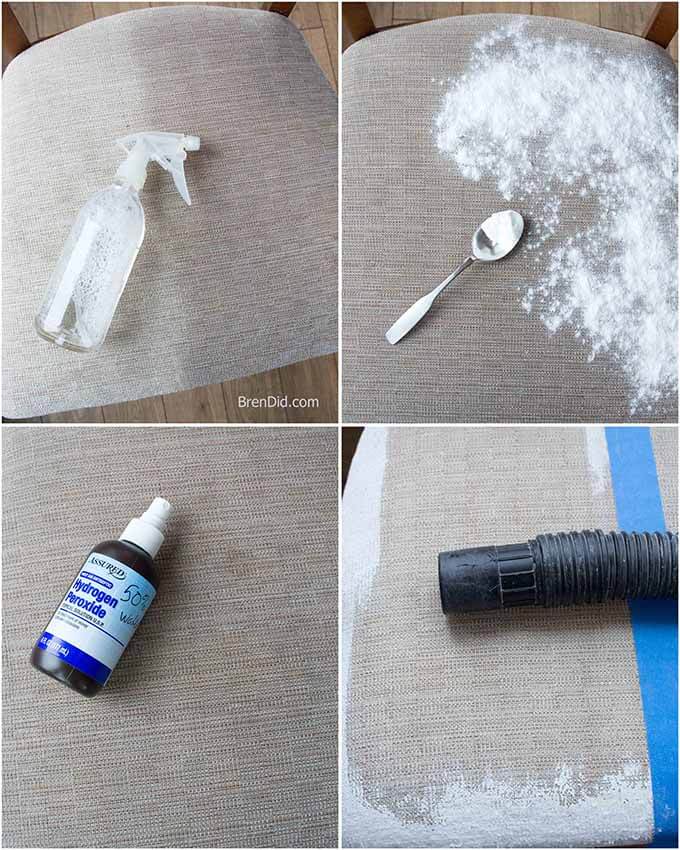
Household items can handle most spills when used correctly.
Mix a Vinegar Cleaning Spray
Combine these ingredients in a spray bottle.
• 1 cup water
• ¼ cup distilled white vinegar
• 1 squirt dish soap
Spray on stain, wait a few minutes, scrub with toothbrush, wipe, and blot dry. This solution works great for odors and bacteria.
Remove Grease with Baking Soda or Cornstarch
- Sprinkle on grease stain
- Let sit 30 or more minutes to absorb oil
- Brush or vacuum off
- Clean with grease-cutting dish soap
This method works on food spills, butter, and oily marks.
Blot Ink with Rubbing Alcohol
- Test on hidden area first
- Dab rubbing alcohol or acetone on a cotton ball
- Blot (do not rub) the stain
- Wipe with damp cloth and dry
This method carries high risk of color loss. Use only as a last resort.
Use Hydrogen Peroxide on White Fabric
For blood or organic stains on white upholstery only, follow these steps.
- Blot with 3% hydrogen peroxide
- Rinse with water-dampened cloth
- Blot dry
Never use this on dark fabrics. It will bleach them.
Clean Wooden Dining Chairs

Wood requires gentle care to avoid water damage and finish stripping.
Wipe with Damp Cloth Only
- Mix mild dish soap with water
- Dampen microfiber cloth, not dripping
- Wipe seat and legs
- Dry immediately with a soft towel
This prevents water rings and swelling.
Deep Clean with Murphys Oil Soap
Once a month, try this deeper clean.
- Apply Murphys Oil Soap with damp cloth
- Wipe in direction of grain
- Buff dry with clean cloth
- Optional: Apply wood conditioner to restore shine
Avoid bleach, ammonia, and magic erasers. They strip finish.
Fix Water Rings and Scratches
• Water rings: Apply toothpaste with damp cloth, buff gently, then dry
• Scratches: Rub a walnut kernel over the mark. The oil blends it in
• Deep scratches: Use a wood touch-up pen
Never sand or refinish unless you have experience.
Maintain Metal and Plastic Chairs
These materials are durable but need proper drying and polishing.
Wash with Mild Soap and Water
- Use warm water and dish soap
- Wipe entire chair with sponge
- Rinse with clean water
- Dry completely, especially joints and legs
This prevents rust on metal and keeps plastic from dulling.
Remove Rust and Restore Shine
For minor rust, follow these steps.
- Make paste with baking soda and water
- Scrub gently with soft brush
- Rinse and dry thoroughly
- Apply car wax or metal polish for protection
Polish plastic chairs occasionally with a plastic-safe conditioner to restore luster.
Dry and Protect After Cleaning
Improper drying causes mold, odors, and re-soiling.
Air Dry Completely
• Upholstered chairs: 4 to 12 hours depending on humidity
• Removable covers: Lay flat or hang. Do not fold while damp
• Wooden chairs: Buff dry immediately. Avoid direct sunlight
Never sit on or reassemble chairs until 100% dry.
Apply Protective Barriers

• Stain guard spray: Apply after drying to repel future spills
• Slipcovers: Use washable ones for kids or pets. Remove and clean after meals
• Rotate chairs: Swap positions monthly to even out wear and fading
Protection extends life and reduces future cleaning time.
Follow a Maintenance Schedule
Regular care prevents deep buildup and costly repairs.
Daily and Weekly Tasks
• Daily: Wipe hard surfaces, brush off crumbs
• Weekly: Vacuum upholstery, clean wooden and metal chairs
This prevents stains from setting and keeps chairs fresh.
Monthly and Annual Care
• Bi-monthly: Deep clean cushions (steam or hand wash)
• Quarterly: Full steam clean, tighten loose screws
• Annually: Re-stain wood if needed, consider professional clean for delicate fabrics
Check joints every few months. Tighten wobbly legs before they worsen.
Know When to Call a Pro
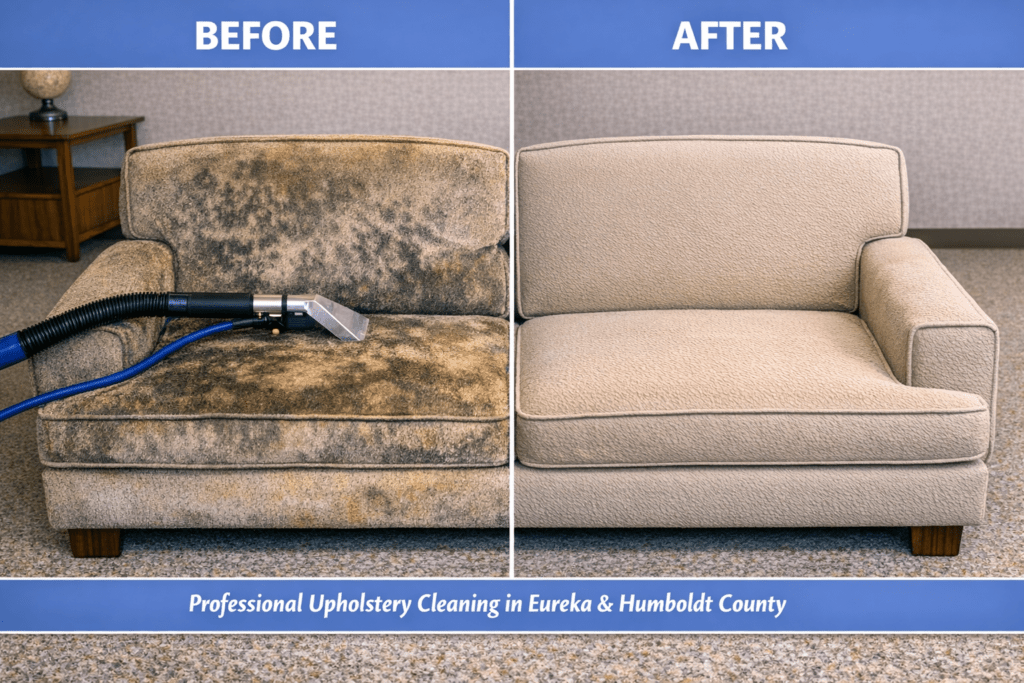
DIY works for most cases, but some situations need experts.
Seek Professional Help If
• Label says Dry Clean Only or X
• Stains will not lift after 2 to 3 attempts
• Fabric is delicate (velvet, silk, antique)
• Mold is visible in cushion filling
• Frame is cracked or structurally unsound
Professionals use industrial extractors and safe solvents you cannot buy at home.
Frequently Asked Questions About Washing Table Chairs
Why do water stains reappear on wooden chairs after cleaning?
This means moisture penetrated the finish. Stop using water. Use the toothpaste method or an oil-based cleaner, then buff dry. Prevent this by always wiping wood chairs immediately after cleaning.
Can you machine wash chair cushions?
Only if the label says yes. Use delicate cycle, cold water, and air dry. When in doubt, hand wash to prevent damage.
Why are cushions lumpy after washing?
Filling compresses over time. Fluff regularly. For permanent lumps, replace the filling or reupholster the cushion.
What is the fastest way to clean multiple chairs?
Vacuum all first, then spot clean with vinegar mix or stain remover. For hard surfaces, wipe with damp microfiber cloth. This takes under 10 minutes per chair.
How do you sanitize chairs without chemicals?
Steam cleaning reaches 212°F and kills 99.9% of germs. Alternatively, wash removable covers with OxiClean or use diluted bleach (half cup per gallon) on color-safe fabrics, then rinse well.
Key Takeaways for Washing Table Chairs
Knowing how to wash a table chair properly protects your investment and keeps your dining space fresh and inviting. Always identify the material first and test cleaners before applying them broadly. Use DIY solutions like vinegar spray and baking soda for most stains, and always dry completely before using the chairs. Apply protective sprays after cleaning to extend the life of your furniture.
With regular maintenance, your chairs can look new for years and even boost your home’s resale value. When in doubt, consult a professional instead of risking damage to valuable furniture.