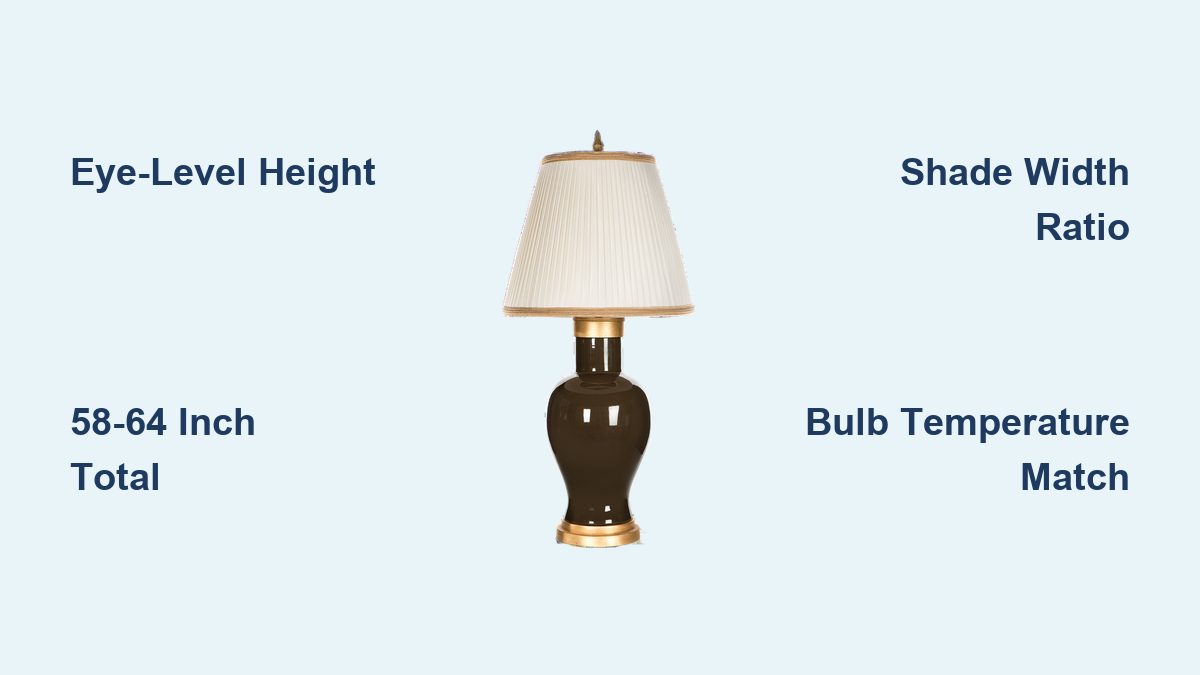
How to Choose a Table Lamp: Quick Steps
Choosing the right table lamp isn’t just about picking a shade and base you like. It is about balancing function, proportion, and style to enhance your space. Whether you are lighting a bedside nook, accenting a sofa corner, or adding warmth to a dim room, how to choose a table lamp comes down to more than aesthetics. A poorly sized lamp can cause glare, disrupt room flow, or fail to provide adequate light. On the other hand, the right lamp improves comfort, supports tasks like reading, and elevates your decor.
This guide breaks down the science and art behind selecting the perfect table lamp. You will learn how to calculate ideal height and width, match finishes to your room, pick the best bulb temperature, and avoid the most common design mistakes. From sizing formulas to style rules, we will walk through every decision with clear, actionable steps so you can shop with confidence and avoid costly misfires.
Determine the Lamp Purpose First
Before considering style or size, clarify what the lamp will do in your space. This single decision shapes everything from bulb choice to shade design.
Pick Ambient, Task, or Accent Lighting
Each room needs layered lighting, and table lamps serve different roles depending on placement and function. Here is how they differ.
- Ambient lighting fills the room with soft, general glow. Ideal for living rooms or bedrooms. Use upturned or translucent shades to bounce light off the ceiling.
- Task lighting supports focused activities like reading or writing. Choose downturned shades and brighter bulbs at 4000K or higher for clarity.
- Accent lighting highlights decor such as artwork or bookshelves. Use directional or opaque shades to spotlight features without flooding the area.
A bedside lamp should offer both ambient and task lighting. A dimmable or 3-way bulb lets you shift from bright reading light to low mood lighting with ease.
Match Lamp Type to Room Function
Different rooms demand different lighting strategies. Using a bedroom-style lamp in an office often leads to eye strain because it is too dim or poorly directed. Always align the lamp function with the room primary activity.
- Bedroom: Prioritize warm light at 2700K to 3000K and dimmable options for relaxation.
- Living Room: Use ambient lamps with soft shades to create cozy conversation areas.
- Home Office: Opt for cool white bulbs at 4000K or higher and adjustable or directional shades.
- Entryway: Choose decorative lamps with uplighting to welcome guests with warmth.
Calculate Correct Lamp Height

Getting the height wrong is the number one mistake in table lamp selection. A lamp that is too tall shines directly in your eyes. One that is too short disappears visually and fails to light the space properly.
Follow the Eye-Level Rule
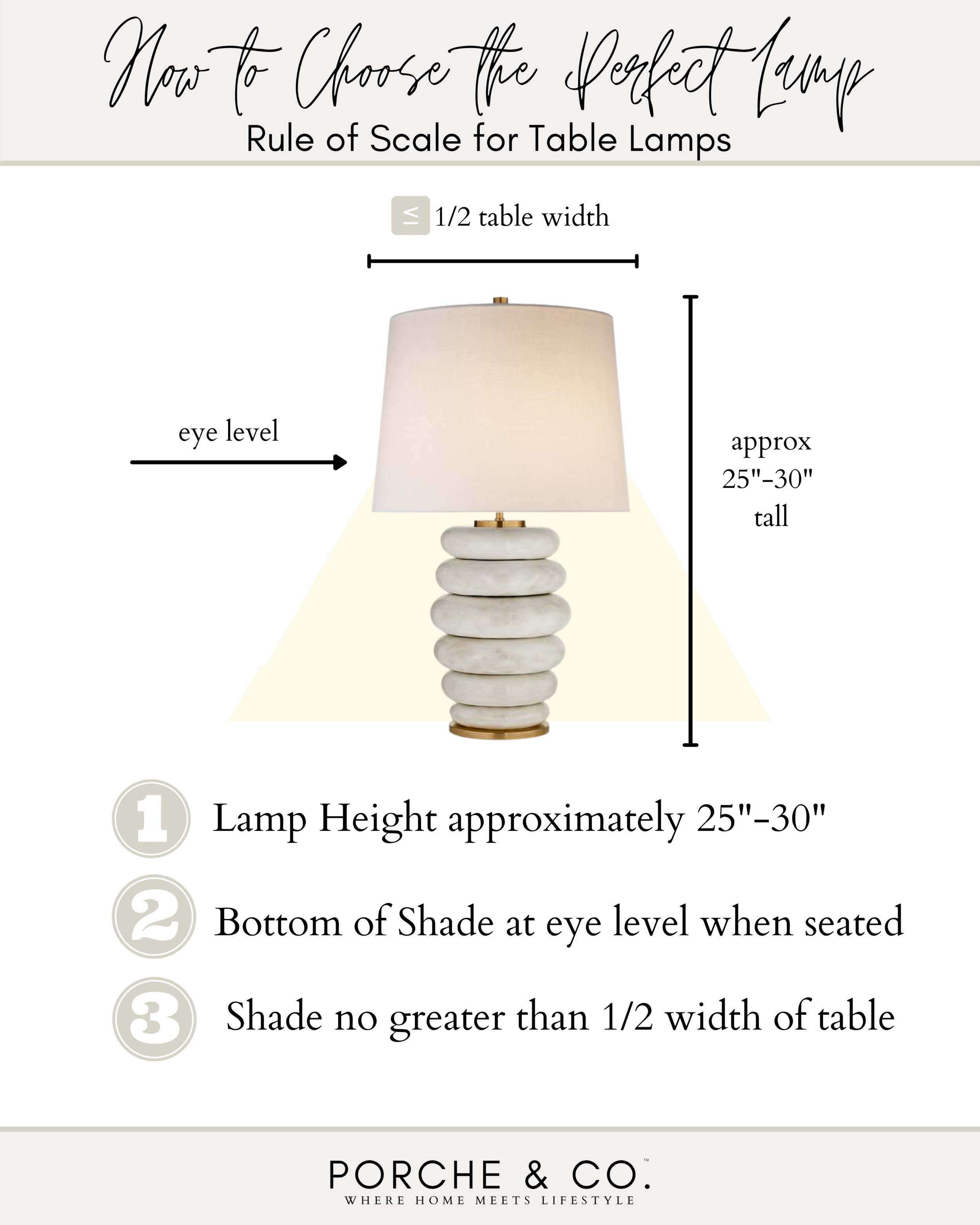
When seated beside the lamp on a sofa, armchair, or bed, the bottom of the shade should align with or sit slightly below eye level. This prevents direct glare from the bulb while illuminating the task area like a book or your lap.
For most adults, this means the shade base should sit between 40 and 48 inches from the floor when paired with standard furniture. Side tables typically stand 24 to 26 inches high. Bedside tables range from 25 to 28 inches high. If the shade is too low, the light pool will not reach your activity zone. If it is too high, the bulb becomes a blinding glare point.
Use the 58 to 64 Inch Total Height Rule
Add the height of the table and the lamp together. The ideal combined height should be between 58 and 64 inches from the floor. This creates a balanced visual line across the room and ensures proper task lighting.
Example: A 26-inch table plus a 34-inch lamp equals 60 inches total, which falls squarely in the ideal range. Sticking to this formula prevents lamps from looking too stubby or towering.
Apply the Base-to-Height Ratio
The lamp should never exceed 1.5 times the height of the table it sits on. A 30-inch lamp on a 16-inch table creates a ratio of roughly 1.9 times, which looks top-heavy and unstable.
Also, the shade height should be about one-third of the total lamp height including the bulb and harp. For a 24-inch lamp, aim for an 8-inch shade. This keeps the silhouette visually balanced.
Size the Shade Correctly

The shade is the most visible part of the lamp and the most commonly mismatched. Incorrect sizing ruins proportion and exposes hardware, making even a beautiful lamp look unfinished.
Follow the 1:2 Shade-to-Base Width Rule
The diameter of the shade bottom should be roughly twice the width of the lamp base. Example: A 5-inch base width calls for a 10-inch shade width. This ratio ensures the shade visually balances the base. A narrow shade on a wide base looks undersized. A wide shade on a thin base appears unstable.
For square or angular bases, measure diagonally to determine the correct shade width.
Ensure Shade Fits the Table
The widest part of the shade must not exceed the width of the table. An overhanging shade looks precarious and increases the risk of being knocked over.
Additionally, the shade should extend at least 0.5 inches beyond the base on each side to conceal the harp and socket. Exposed hardware makes even a beautiful lamp look unfinished.
Mind Depth in Tight Spaces
In high-traffic areas like beside a bed or in a hallway, avoid deep or wide shades. A narrow, vertical shade reduces the chance of accidental bumps while still providing adequate light.
For bedside tables that are typically 16 inches deep, leave space for books, glasses, or a phone. A shade wider than 12 inches may crowd the surface and make the table feel cramped.
Match Style and Finish to Your Room
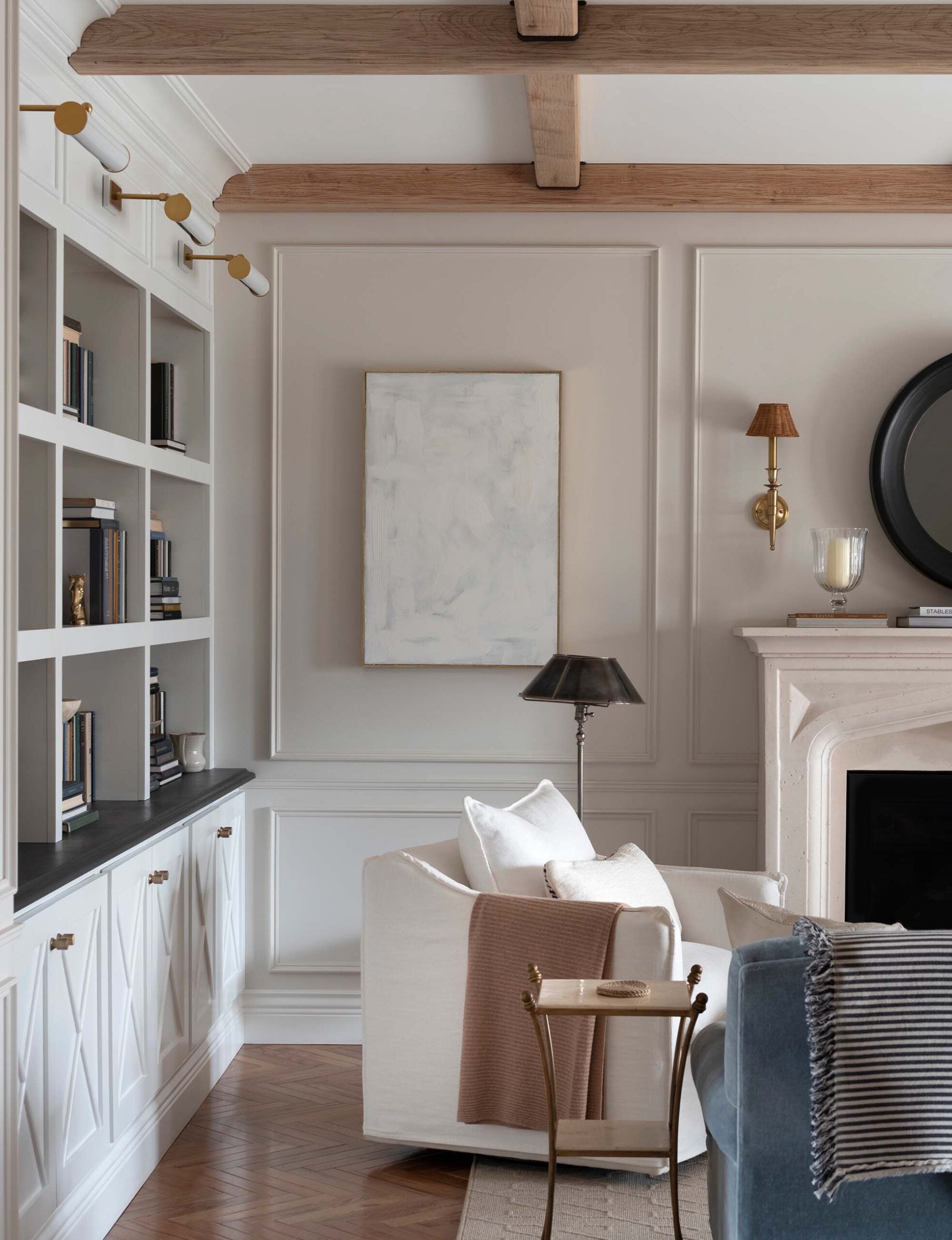
A lamp should complement, not clash with, your existing decor. The right style ties the room together. The wrong one creates visual noise that distracts from your design.
Choose Base and Shade Shapes That Harmonize
Pair similar shapes for a cohesive look. Round bases work well with round or hexagonal shades. Square and rectangular bases pair best with square shades.
In modern rooms, go for clean silhouettes. Cylinder, drum, or cone shades suit contemporary spaces. Traditional spaces suit tapered or pagoda-style shades with ornate bases.
If you are mixing shapes, such as a square base on a round table, use a round shade to bridge the gap and soften the transition.
Coordinate Finishes with Room Hardware
Match the lamp finish to other metal elements in the room. This includes door handles, faucets, light fixtures, and picture frames.
Common finishes include matte black for modern and bold spaces, brushed nickel for neutral and versatile rooms, polished brass for warm and luxurious settings, and antique bronze for traditional and rich aesthetics.
You can mix metals, but do it intentionally. Stick to two or three finishes per room and ensure they share a tone, warm or cool. For example, a warm mix includes brass and copper. A cool mix pairs chrome with nickel. A dramatic contrast combines a black base with a gold shade.
Avoid using too many different metals in one view. They create visual chaos that undermines your design.
Select Shade Texture and Color Wisely
The shade material and color dramatically affect light quality and mood. Smooth shades made from linen, silk, or cotton offer clean, contemporary style with even light diffusion. Pleated shades feel traditional and cozy with slightly directional light.
Dark shades in black or navy cast dramatic downward pools but reduce ambient light. White or ivory shades maximize brightness and work well in small or dark rooms.
For color, limit the palette to three colors, a dominant shade plus two complements. The shade should stand out but not blend into the wall. A white shade on a white wall loses impact. A bold shade on busy wallpaper creates clutter.
In rooms with patterned walls or furniture, choose a solid, neutral shade to ground the space.
Optimize Light Quality with Bulb Choice
The bulb is the X-factor of any table lamp. Even the best-designed lamp fails with the wrong bulb.
Pick the Right Color Temperature
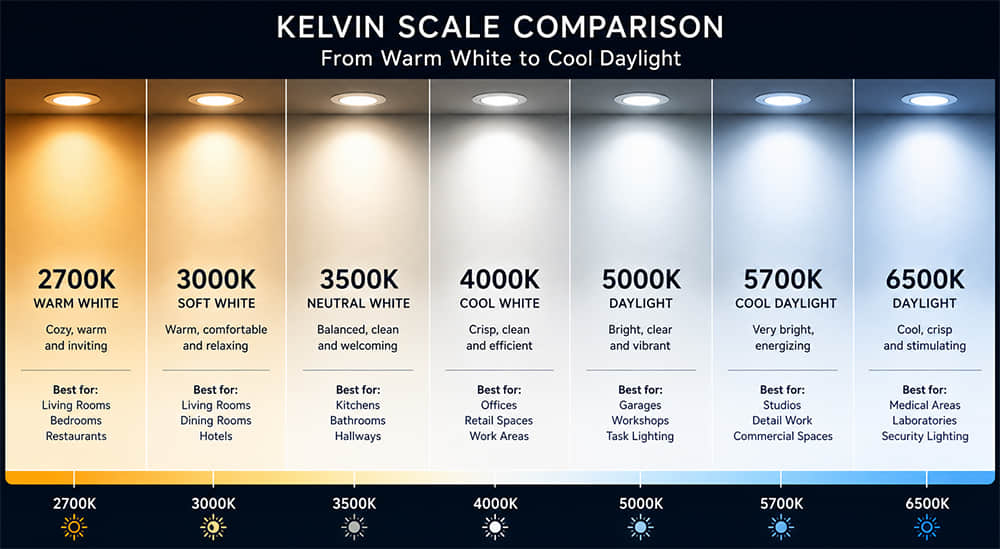
Measured in Kelvin, color temperature determines the light mood. At 2700K, warm white produces a cozy, yellow-toned glow perfect for bedrooms and living rooms. At 3000K, neutral white offers balanced, natural light ideal for dining rooms and general use. At 4000K and higher, cool white or daylight provides crisp, blue-toned light best for offices, reading, and task areas.
Avoid traditional fluorescent bulbs. They cast an unnatural glow and wash out skin tones.
Choose Brightness and Flexibility
Look for bulbs with sufficient lumens, which measures light output. For ambient lighting, 450 to 800 lumens works well. For reading or task lighting, 800 to 1100 lumens is ideal.
For maximum flexibility, use dimmable bulbs with a compatible switch to adjust light levels. Choose 3-way bulbs for lamps with 3-way sockets. They offer low settings for mood, medium for ambiance, and high for reading.
Always check the lamp maximum wattage to prevent overheating, especially with fabric shades.
Plan Placement and Quantity

How many lamps you need and where you place them impacts both function and visual balance.
Use 2 to 3 Lamps Per Room
Most rooms benefit from multiple light sources to eliminate dark corners and support layering. A living room might have one lamp on each end table plus one on a console. A bedroom benefits from one on each nightstand. An entryway needs one on a console table.
Using only one lamp creates uneven lighting and visual imbalance.
Position for Function and Flow
Place lamps where they support activity and do not obstruct movement. Ideal spots include beside sofas or chairs for reading, on bedside tables within arm reach, and on console tables behind sofas to brighten back walls.
Ensure enough surface space exists for other items like books, drinks, or remotes. A lamp should not dominate the table.
In narrow hallways or tight spaces, use narrow-profile or wall-mounted lamps to avoid collisions.
Balance Symmetry and Style
Traditional rooms work well with matching lamp pairs for symmetry. Modern and eclectic rooms can mix different lamps if they share a common element like color, finish, or shape.
Example: Two different bases with identical white drum shades create unity through repetition. Avoid random mismatching. It reads as clutter, not curation.
Avoid Common Table Lamp Mistakes
Even experienced decorators make these errors. Knowing them helps you shop smarter.
Fix Height and Proportion Errors
If glare comes from the bulb, the shade is too low or too small. Raise the lamp or increase shade height. If the lamp looks dwarfed, it is too small for the table. Follow the 1.5 times height rule and 1:2 shade ratio. If there is a top-heavy appearance, the base is too light for the shade. Choose a heavier base in ceramic or metal for large shades.
Prevent Lighting and Style Blunders
If the room feels dim, you are relying only on table lamps. Add floor or ceiling lights for ambient layering. If the light is wrong for the task, use 4000K bulbs for reading and 2700K for relaxation. If there are too many colors or styles, stick to a three-color palette and limit metal finishes to two per room.
Avoid Placement Hazards
If the shade gets knocked over, it is too wide for the space. Choose a narrower profile for high-traffic areas. If the cord is a tripping hazard, consider a wireless, battery-operated lamp for flexibility. If the bulb runs too hot, use LED bulbs. They run cooler and last longer.
Select Based on Budget and Quality
Table lamps range from budget buys to designer investments. Know what you are paying for.
Know the Price Tiers
Simple, mass-market lamps from IKEA, Target, or Amazon cost $10 to $60. They work well for temporary use or low-traffic areas. Higher-quality materials and better finishes from retailers like Pottery Barn or West Elm cost $200 or more.
Iconic designer pieces like the Bellhop Unplugged, Taccia by Castiglioni, or other statement lamps range from $370 to over $4,000. They are built for longevity and dramatic impact.
You do not need to splurge. Many mid-range lamps offer excellent style and durability.
Consider Wireless Options
Battery-powered lamps like the Bellhop Unplugged eliminate cords and offer placement freedom. They work well in rooms without nearby outlets, for creating symmetrical lighting without visible cords, and for temporary setups in guest rooms or seasonal decor.
Just remember to charge or replace batteries regularly to avoid a dark surprise.
Check Durability and Maintenance
Heavy bases in ceramic or metal resist tipping in homes with kids or pets. Fabric shades require occasional dusting. Avoid water cleaning.
Never clean a hot bulb. Wait until it cools to prevent breakage.
Key Takeaways for Choosing the Perfect Table Lamp
Before buying, run through this quick verification. First, confirm the purpose. Is it for ambient, task, or accent lighting? Second, verify height. Does table plus lamp total 58 to 64 inches? Is the shade at eye level when seated? Third, check shade size. Is the shade width roughly twice the base width? Does it hide the harp? Fourth, confirm table fit. Does the shade fit on the table without overhanging? Fifth, examine the bulb. Is the color temperature right for the room? Is it dimmable or 3-way? Sixth, review style. Does the finish match other hardware? Does it fit the room aesthetic? Seventh, assess placement. Is it in a functional spot? Does it allow space for other items?
By following these steps, you will avoid the most common pitfalls and choose a table lamp that is both beautiful and practical. The perfect lamp does not just light a room. It completes it.
Frequently Asked Questions About Choosing a Table Lamp
What is the proper height for a table lamp?
The bottom of the lampshade should sit at or slightly below eye level when you are seated beside the lamp. The combined height of the table plus the lamp should fall between 58 and 64 inches from the floor.
How do I choose the right size lampshade?
The shade diameter should be roughly twice the width of the lamp base. The shade must also be wider than the base by at least 0.5 inches on each side to hide the harp and socket hardware.
What color temperature bulb should I use?
Use 2700K warm white bulbs for bedrooms and living rooms for a cozy feel. Use 3000K neutral white for dining rooms and general living spaces. Use 4000K or higher cool white for home offices and reading areas to reduce eye strain.
Can I mix metal finishes in my room?
Yes, but do it intentionally. Limit the variety to two or three finishes per room and ensure they share a similar tone, either warm or cool. Avoid using too many disparate metals in a single view.
How many table lamps does a room need?
Most rooms benefit from two to three table lamps to eliminate dark corners and create visual balance. A living room might have one on each end table. A bedroom needs one on each nightstand.
What happens if the lampshade is too wide for the table?
A shade that exceeds the table width looks precarious and increases the risk of the lamp being knocked over. It also crowds the surface and makes the table feel smaller. Choose a narrower profile for tight spaces.