How to Remove Stains From Marble Table
Marble tables bring elegance to any home, but their porous surface stains easily. A spilled glass of wine, a damp vase left overnight, or even water rings from everyday use can leave permanent marks if not treated quickly. The key to successful stain removal lies in identifying what caused the damage and using the right treatment method. Using the wrong cleaner, like vinegar or lemon juice, can actually worsen the problem by etching the surface.
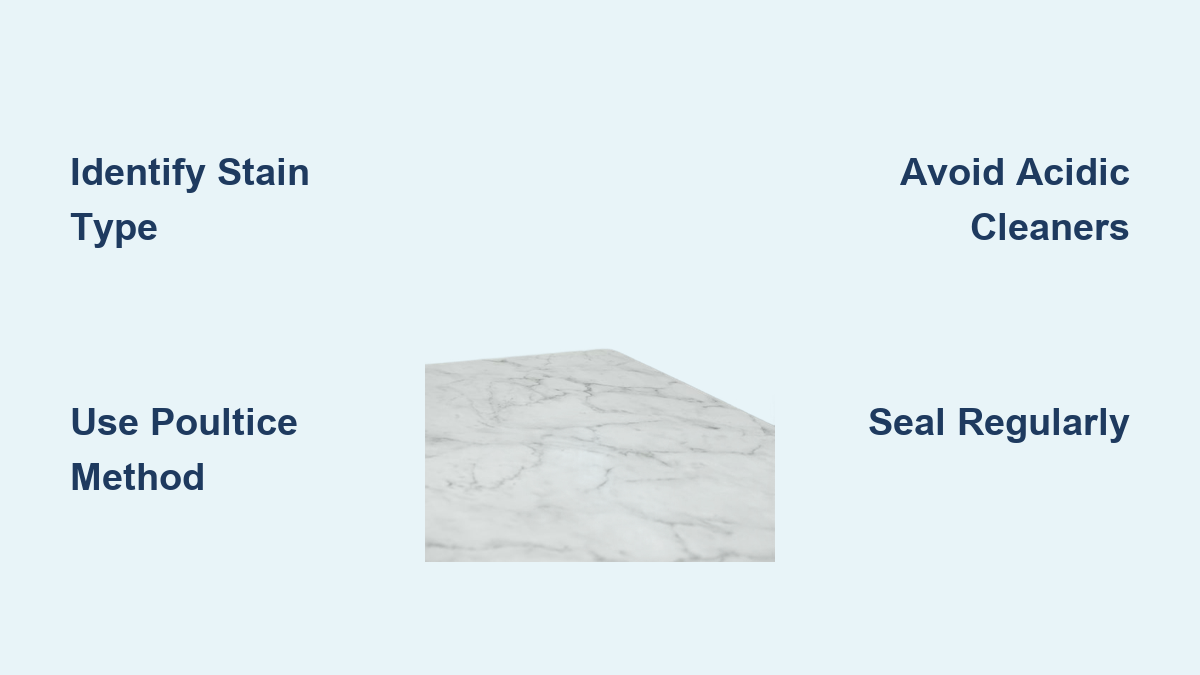
This guide walks you through how to identify stain types, apply the proven poultice technique, and prevent future damage. Whether you’re dealing with a fresh spill or an old set-in blemish, you’ll find targeted solutions that protect your marble while restoring its beauty.
Identify What Caused the Stain on Your Marble Table

Before applying any cleaner, determine the stain type. Different substances penetrate marble differently and require specific solvents. Treating a water mark like an oil stain wastes time and may cause additional damage.
Oil-Based Stains
These appear as dark, greasy patches from cooking oils, lotions, butter, or milk. They seep deep into marble’s pores and won’t fade with water cleaning. Look for a slightly slick feel or yellowish tint. A solvent-based poultice provides the best results.
Organic Stains
Coffee, tea, wine, and fruit juices leave brownish discoloration. These are common on dining tables and may seem superficial but often require oxidizing agents like hydrogen peroxide to break down the pigment.
Rust Stains
Copper-colored or reddish-brown spots come from metal objects, nails, cans, or hard water deposits. Rust bonds chemically to the stone and ranks among the toughest stains to remove. Never use acid-based rust removers, as they etch marble.
Water Stains
Dark rings under glasses or vases are often just trapped moisture, not true stains. They may disappear after drying for three to five days. If persistent, the issue could be sealer failure or mineral buildup from hard water.
Etch Marks
Etching looks like a dull, cloudy spot and is surface damage, not discoloration. Caused by acids like wine or vinegar dissolving the calcium in marble, it feels rough to the touch. Poultices cannot fix this. You’ll need polishing or professional resurfacing.
Use a Poultice to Draw Out Deep Stains
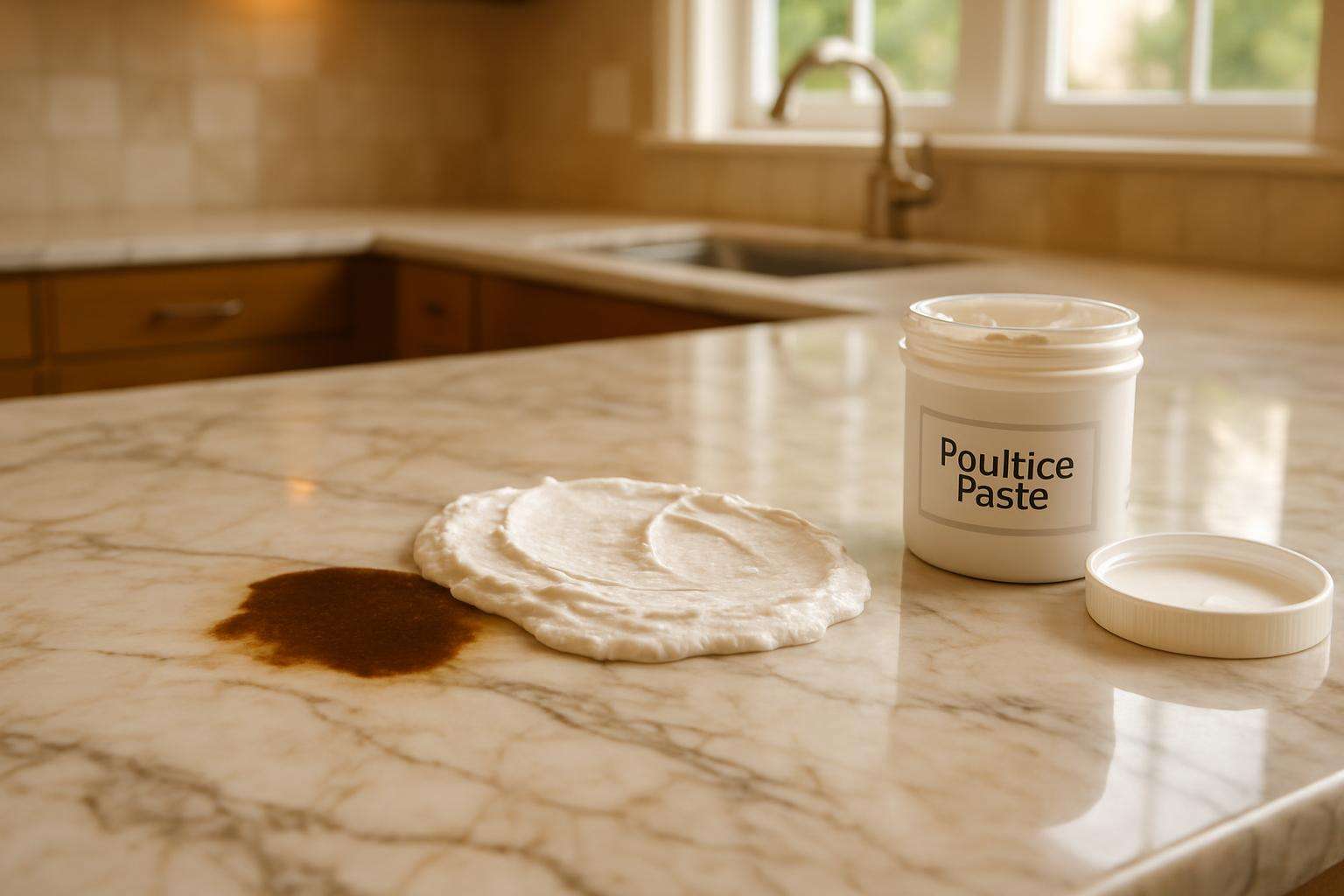
The most effective method for removing deep stains from marble is a poultice. This thick paste pulls contaminants out through capillary action, working like a magnet for trapped liquids and pigments.
Mix the Right Poultice Formula
Match the solvent to the stain type for best results:
• Oil stains: Mineral spirits mixed with baking soda
• Organic or ink stains: 6% hydrogen peroxide mixed with baking soda
• Rust stains: Non-acidic commercial rust remover formulated for stone
• Paint stains: Lacquer thinner mixed with baking soda
For general stains, a baking soda and water paste works as a mild option. Avoid household bleach, which damages marble.
Apply the Poultice Correctly
- Clean the area with a damp cloth and mild dish soap.
- Let the surface dry slightly. Marble should be damp, not wet.
- Mix your poultice to a peanut butter-like consistency.
- Spread it over the stain, one-quarter to one-half inch thick, extending beyond the stain’s edges.
- Cover with plastic wrap and seal edges with masking tape to slow drying.
This seal forces the liquid to draw the stain upward as it evaporates.
Wait 24 to 48 Hours Before Removing
Patience proves critical. Leave the poultice undisturbed for at least one full day. For old or deep stains, 48 hours may be needed. The paste will dry and crack, which signals it’s working.
Do not disturb or re-wet the area. If it feels cool or damp under the plastic, leave it longer. Rushing reduces effectiveness.
Remove and Clean the Area
- Gently scrape off the dried paste with a plastic or wooden spatula.
- Wipe with a damp cloth to remove residue.
- Rinse with clean water and dry thoroughly.
- Let the stone air-dry for 24 hours before assessing results.
The surface may look darker at first. This is trapped moisture and will fade.
Reapply if the Stain Persists
Some stains need multiple treatments. Wait 48 hours between applications. Never stack poultices without cleaning and drying first. After two to three tries with no improvement, consider professional help.
Remove Oil Stains from Marble
Oil penetrates deeply into marble and won’t lift with water alone. These stains require a solvent-based approach.
Solvent Poultice Method
- Mix mineral spirits with baking soda into a thick paste.
- Apply the mixture and cover with plastic wrap.
- Wait 24 to 48 hours.
- Remove the dried paste and clean the area.
For light oil spots, a paste of baking soda and dish soap can work. Avoid abrasive scrubbing, which scratches the surface.
Lift Organic Stains Like Coffee and Wine

Coffee, wine, and juice stains respond well to oxidation. Hydrogen peroxide breaks down the pigments effectively.
Peroxide Poultice Steps
- Mix 6% hydrogen peroxide with baking soda.
- Apply one-quarter inch thick over the stain.
- Cover with plastic wrap and wait 24 hours.
Important: Test first on dark marble. Peroxide can lighten the stone. Use 3% household peroxide for safer results on colored marble.
Tackle Rust Stains on Marble Surfaces
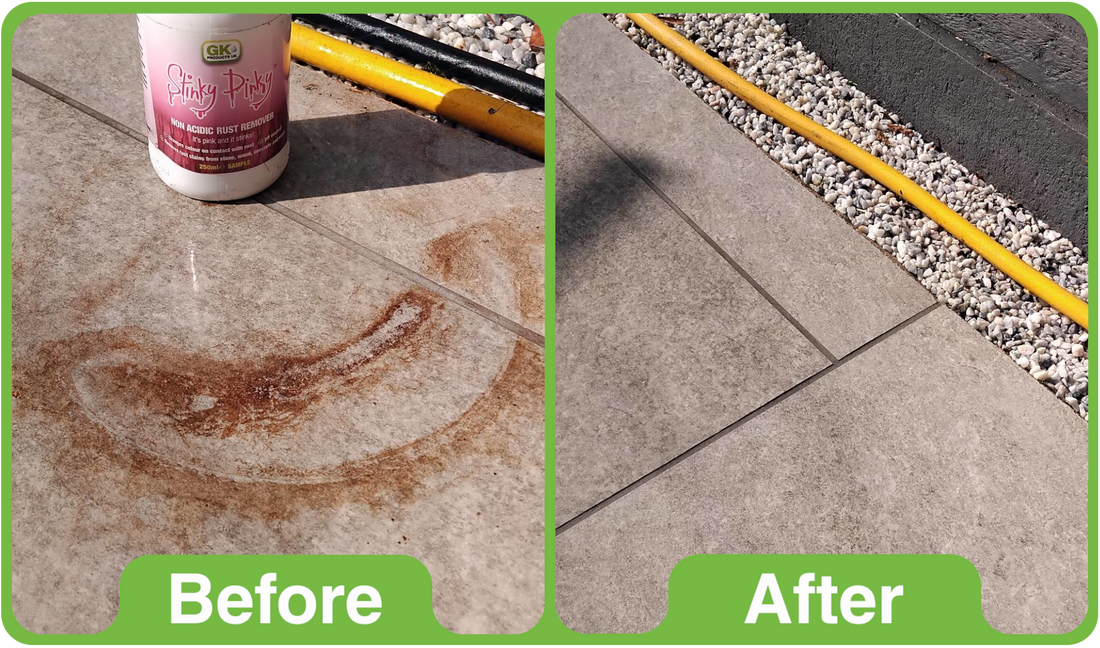
Rust is among the most challenging stains to remove. Never use vinegar or CLR on marble.
Safe Rust Removal Approach
- Purchase a non-acidic rust remover designed for stone.
- Apply as a poultice or per product instructions.
- Wait 24 hours, then clean thoroughly.
If the stain remains after treatment, consult a professional. Rust can be deeply embedded and may require industrial-grade removal.
Fix Water Rings and Moisture Marks
Most water marks are simply moisture that will evaporate.
Natural Drying Method
- Wipe the area dry immediately.
- Wait three to five days.
- Check if the ring disappears.
Mechanical Method for Persistent Marks
If drying doesn’t work:
• Buff gently with 0000 grade steel wool
• Or clean with a pH-neutral marble cleaner
Avoid sealing over wet stone. Wait until fully dry.
Treat Ink Stains on Marble
Ink stains vary by type. Ballpoint may respond to acetone, while permanent marker needs a peroxide poultice.
Fresh Ink Treatment
- Dampen a cloth with acetone or lacquer thinner.
- Blot the stain gently. Do not rub.
- Rinse and dry thoroughly.
Set-In Ink Treatment
- Use a hydrogen peroxide and baking soda poultice.
- Apply, cover with plastic, and wait 24 hours.
- Clean and assess results.
Always test solvents on a hidden area first.
Address Etch Marks (They’re Different from Stains)

Etching is surface damage where the top layer of marble wears away. If the spot feels rough or looks dull, it’s etched, not stained. Poultices cannot fix this.
Polish Minor Etch Marks
For light etching:
- Use marble polishing powder or compound.
- Apply with a soft cloth in circular motions.
- Buff to restore shine.
Products like Miracle Sealants Etch Remover work well for small areas.
Call a Pro for Deep Etching
If damage is deep or covers a large area, DIY kits won’t suffice. Professionals use diamond pads to resurface marble without removing too much material. Never use acid-based restorers, which worsen the damage.
Prevent Future Stains with Proper Care
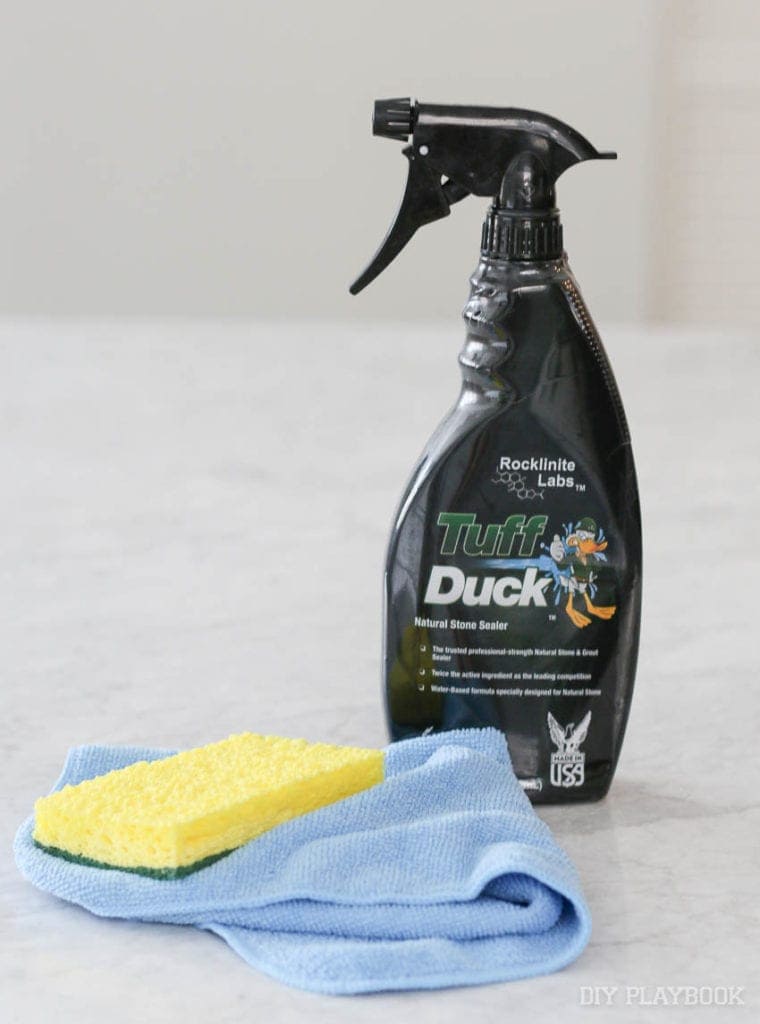
The best stain removal strategy is prevention. A well-maintained marble table resists damage and stays beautiful for years.
Seal Your Marble Regularly
Sealing closes pores and slows liquid absorption.
• Use a penetrating sealer like Laticrete StoneTech BulletProof or Superior Zero
• Apply every three to six months, depending on use
• Test absorption by dropping water on the surface. If it darkens the stone, reseal
How to Seal Marble
- Clean the surface thoroughly.
- Apply sealer with a spray bottle or brush.
- Let it soak in for 15 to 30 minutes.
- Wipe off excess.
- Wait 24 hours before use.
Use Protective Barriers Daily
• Always use coasters for drinks
• Place trivets under hot dishes
• Use placemats during meals
• Lift vases or planters. Do not slide them
Even felt pads trap moisture. Remove them occasionally to let the stone breathe.
Clean Spills Immediately
The golden rule is wipe fast. The longer a liquid sits, the deeper it penetrates.
• Use a soft, damp cloth
• Blot. Do not rub
• Dry thoroughly
For acidic spills like wine or citrus, neutralize quickly with a pH-balanced stone cleaner.
Avoid These Common Mistakes That Damage Marble
Even well-intentioned actions can ruin marble. Steer clear of these errors.
Never Use Vinegar or Lemon Juice
These acids cause etching within seconds. No matter how natural the cleaner seems, acid equals damage. Skip DIY vinegar solutions entirely.
Do Not Scrub with Harsh Tools
Steel wool (except 0000 grade) and abrasive pads scratch marble. Use only soft cloths or super-fine steel wool for water marks.
Skip Bleach and Ammonia
These harsh chemicals discolor marble and degrade the sealer. Use only stone-safe products.
Always Test First
Test poultices or cleaners on a hidden spot like the underside of the table edge. Wait 24 hours to check for discoloration or dulling.
When to Call a Professional for Help
Some situations go beyond DIY fixes.
Seek Professional Help For
• Rust stains that won’t lift after multiple attempts
• Large paint spills or deep etching
• Multiple failed poultice attempts
• Structural cracks or chips
• Widespread dulling or wear
Professionals have industrial-grade poultices, polishing tools, and expertise to restore marble without causing further harm.
Consider Slab Replacement If
• Stains are permanent and affect the overall appearance
• Etching is too deep to polish out
• The marble no longer fits your lifestyle
High-quality marble is an investment. Replace it when restoration isn’t viable.
Frequently Asked Questions About Removing Stains from Marble Tables
Can I use vinegar to clean my marble table?
No. Vinegar is acidic and causes etching, which damages the surface permanently. Use only pH-neutral, stone-safe cleaners specifically designed for marble.
How long does a poultice take to work?
A poultice requires 24 to 48 hours to draw out stains. The paste must dry completely before removal. Rushing the process reduces effectiveness significantly.
Will hydrogen peroxide lighten my marble?
Yes. Hydrogen peroxide acts as a bleach and can lighten dark marble. Always test on a hidden area like the underside of the table before applying to visible surfaces.
Can I remove etch marks with a poultice?
No. Etching is surface damage, not a stain. Poultices draw out discoloration but cannot restore worn or dissolved marble surface. You’ll need polishing powder or professional resurfacing.
How often should I seal my marble table?
Most sealers need reapplication every three to six months, depending on use. Test by dropping water on the surface. If it darkens the stone, it’s time to reseal.
Are water stains permanent?
Not usually. Most water marks are trapped moisture that evaporates over three to five days. If persistent, they may indicate sealer failure requiring resealing.
Key Takeaways for Removing Stains from Your Marble Table
Removing stains from a marble table is possible with the right method, but speed, accuracy, and caution matter most. Identify the stain type first, then apply a targeted poultice using the appropriate solvent. Never use vinegar, lemon juice, bleach, or abrasive tools, as these cause more damage than the original stain.
Most importantly, seal your marble regularly and wipe spills immediately. Prevention beats cure every time. With proper care, your marble table can stay stunning for decades. If DIY methods fail after two to three attempts, call a professional rather than risking further damage to your investment.