
How to Protect a Dining Table
Your dining table sees daily meals, family gatherings, homework sessions, and more. This constant use exposes it to scratches, heat marks, spills, and general wear. Without proper protection, even a beautiful table can lose its shine within months. The good news? You don’t have to choose between a functional table and a gorgeous one. With the right layered strategy, you can shield your table from damage while keeping it looking elegant and inviting.
This guide covers proven methods to protect your dining table, from physical barriers like glass tops and custom pads to chemical sealants and smart daily habits. Whether you have kids, host formal dinners, or own a high-value heirloom piece, there’s a protection plan that fits your lifestyle and budget.
Best Physical Barriers for Dining Table Protection
The strongest defense starts with a physical layer between your table and daily hazards. The best option depends on your table’s material, how you use it, and your aesthetic preferences.
Glass Table Protector Options
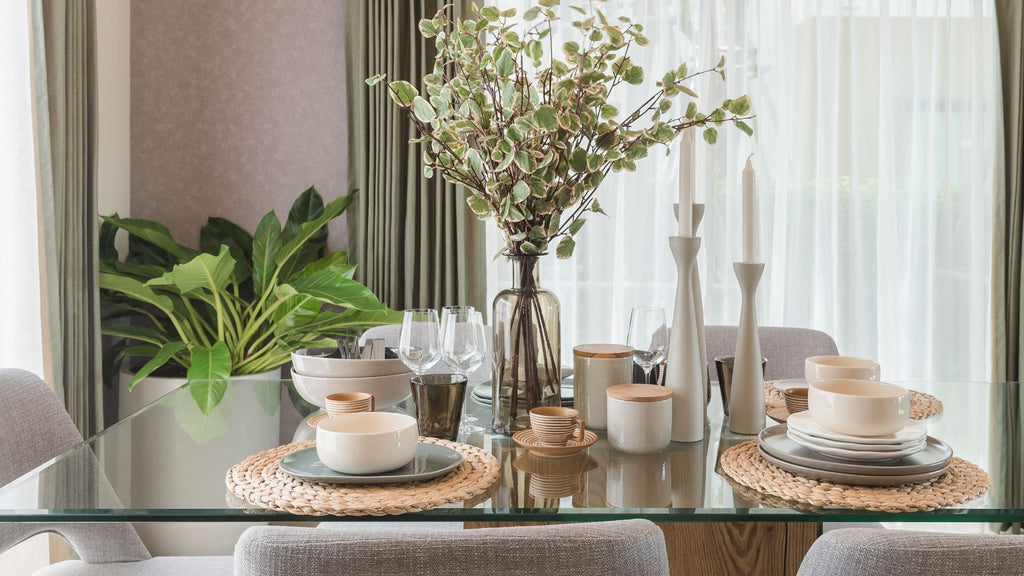
A custom-cut glass top offers maximum protection while preserving your table’s natural beauty. Measured precisely to fit your dimensions, it shields against spills, scratches, heat, and debris. Beveled edges and rounded corners enhance safety and elegance.
One user reported their table remained in perfect condition after seven years of daily use thanks to a glass cover. Cleaning is simple: just wipe with glass cleaner. However, glass adds reflectivity and limits decor changes. Avoid sliding heavy objects across it to prevent micro-scratches.
Custom Table Pads for Heirloom Pieces
For valuable tables, a custom pad delivers superior cushioning and long-term defense. Typically half-inch thick, these pads feature a durable leather-like top and soft felt bottom to prevent scratching.
They’re made to match your table’s shape, even extendable ones, and fold for storage when not in use. Place a tablecloth over it for a polished look, or use it alone during heavy-duty use. This method is especially effective for cherry wood or veneer tables where surface wear can devalue the piece.
Vinyl and Plastic Covers for Budget Protection
Vinyl covers are a budget-friendly, practical solution, especially for homes with kids. They resist spills, stains, and light scuffs. Some heavy-duty versions offer moderate heat resistance.
Choose clear plastic if you want to showcase the table underneath. Families love that dry-erase markers can be used for games and wiped clean. However, avoid flannel-backed vinyl at all costs. One documented case study showed permanent damage to an ash tabletop caused by this material.
Batting Layers for Noise Control
Dense, felt-like batting is a stealth protector. Cut to size with rounded edges, it sits beneath a tablecloth and acts as a sound and impact buffer.
Plates land with a soft thud instead of a loud clack, making it perfect for open-concept homes. It also absorbs minor heat and prevents surface dents from dropped items. Since it’s hidden, it doesn’t affect aesthetics.
When to Use Traditional Tablecloths
Traditional tablecloths reduce noise and prevent scratches from rough dinnerware. But they offer zero protection against heat or spills. Hot pans will leave marks, and liquids soak through quickly.
Use them as a top layer over batting or a vinyl base. Never use plastic-backed cloths. They trap moisture and can damage wood finishes over time.
Targeted Protection: Placemats, Runners, and Chargers

If you want to show off your table’s grain, full coverage isn’t necessary. Protect high-contact areas with strategic accessories instead.
Placemats for Daily Defense
Placemats create a localized shield under each plate. They stop heat transfer from hot dishes, catch drips, and prevent utensil scratches.
Choose options with soft, non-slip backs like felt, cork, or silicone to avoid sliding and surface abrasion. Wipeable materials like vinyl or laminated fabric are ideal for families. Replace them when worn to maintain effectiveness.
Table Runners for High-Traffic Areas
The center of your table takes the most abuse from serving platters, elbows, and centerpieces. A runner protects this zone while adding visual interest.
Use it during family dinners, buffet setups, or casual entertaining. Layer decorative items on top to reduce friction. Cotton, linen, or quilted runners work well, especially when paired with an underlying batting layer.
Chargers Under Dinnerware
Chargers are large base plates placed under dinner plates. They prevent direct contact between heavy or rough-edged ceramics and the table.
They also contain crumbs and minor spills, reducing cleanup effort. Materials include metal, wood, rattan, and fabric. Just ensure the bottom is smooth to avoid scratching.
Seal the Wood: Wax, Oil, and Polyurethane Options
A chemical barrier applied directly to the wood can prevent damage before it starts. The right product depends on your priority: invisibility or durability.
Applying Clear Wood Furniture Wax
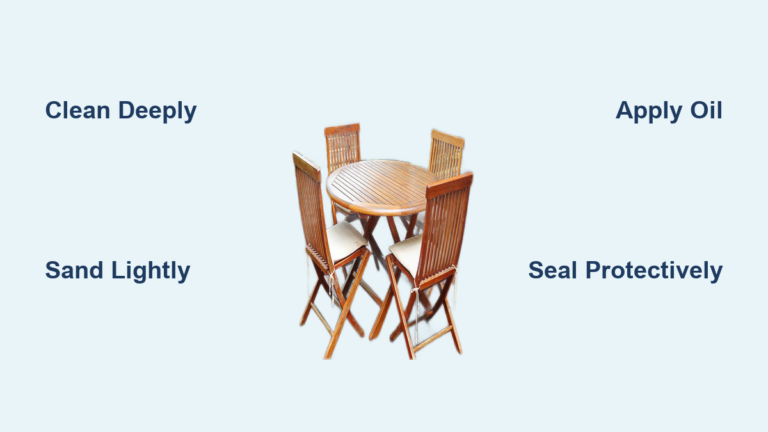
For tables where appearance matters most, crystal clear paste wax is the top choice. Made from carnauba, it protects without darkening the wood or adding shine. This is perfect for Restoration Hardware or Pottery Barn finishes.
Application steps include cleaning the table with warm water and mild soap, applying wax thinly with a lint-free cloth, letting it dry overnight, and repeating for two to three coats. Reapply annually or every six months with heavy use.
Avoid using wax in homes with toddlers banging utensils or rolling toy cars. It isn’t impact-resistant.
Hard Film Finishes for Maximum Durability
If your table endures heavy use, polyurethane or Waterlox creates a tough, long-lasting shield. These form a hard film on the surface, resisting scratches, spills, and wear.
But there’s a trade-off. They darken the wood and add a glossy finish. This effect is especially noticeable on lighter woods like ash or maple. Use them only if you prioritize protection over original color.
Penetrating Oil for Natural-Looking Protection
Oil finishes like Danish or tung oil soak into the wood, enhancing grain while offering moderate protection.
They’re great for hiding minor scratches, as new oil blends with existing marks. Maintenance is easy. Just wipe on fresh oil without stripping the whole surface. Reapply every few months depending on use.
Daily Habits That Prevent Table Damage
The best protection isn’t just what you add. It’s how you use the table. Small habit changes prevent most wear.
Lift Objects Instead of Sliding
Friction is the enemy. Sliding dishes, centerpieces, or laptops across the table drags abrasive particles into the finish, creating fine scratches.
Always lift items. This single habit dramatically extends your table’s life. Train family members and guests by setting the example.
Add Felt Pads to Chair Legs and Objects
Chair legs, vase bases, and serving trays can scratch with every movement. Stick self-adhesive felt pads on all contact points.
Check them quarterly for wear and replace as needed. It’s a tiny step with big impact.
Keep the Table Clean and Grit-Free
Dust and crumbs act like sandpaper. Wipe the table with a soft, dry cloth after each use.
For deeper cleaning, use a slightly damp cloth with mild soap, then dry immediately. Never spray cleaner directly on the wood.
Designate Non-Dining Zones
Using the table for crafts, work, or gaming risks damage from tools, electronics, or food spills. Use a tray or placemat as a temporary work zone.
Better yet, keep non-dining activities off the table entirely, or use a full protective cover when repurposing it.
Choosing Protection Based on Your Lifestyle

The best strategy fits your real-life needs. Here’s how to choose:
For Homes with Kids
Kids mean spills, scribbles, and rough use. Prioritize wipeable, durable layers.
Best options include thick vinyl or glass top, custom pad with washable cover, or placemats with felt backing. Avoid flannel-backed vinyl, thin cloths, and wax-only protection.
For Formal Entertaining
You want elegance without risk.
Best approach uses batting plus tablecloth plus chargers plus placemats. Alternative: glass top for a sleek, modern look. Tablecloths reduce noise but require fast spill response.
For Multi-Purpose or High-Traffic Use
If the table hosts meals, work, and hobbies, durability is key.
Best solutions include glass cover or custom pad, paired with placemats and runners for flexibility. Ideal for co-working spaces, rentals, and busy families.
For Heirloom or High-Value Tables
Preserve value and original finish.
Best methods include custom pad stored when not in use, or clear wax for color preservation. Alternative: professional refinishing with polyurethane if darkening is acceptable. Maintenance requires annual waxing, felt pads, and no sliding objects.
Repair and Maintenance Schedule for Long-Lasting Tables
Even the best protection needs upkeep. Catch issues early to extend your table’s life.
Fix Scratches Promptly
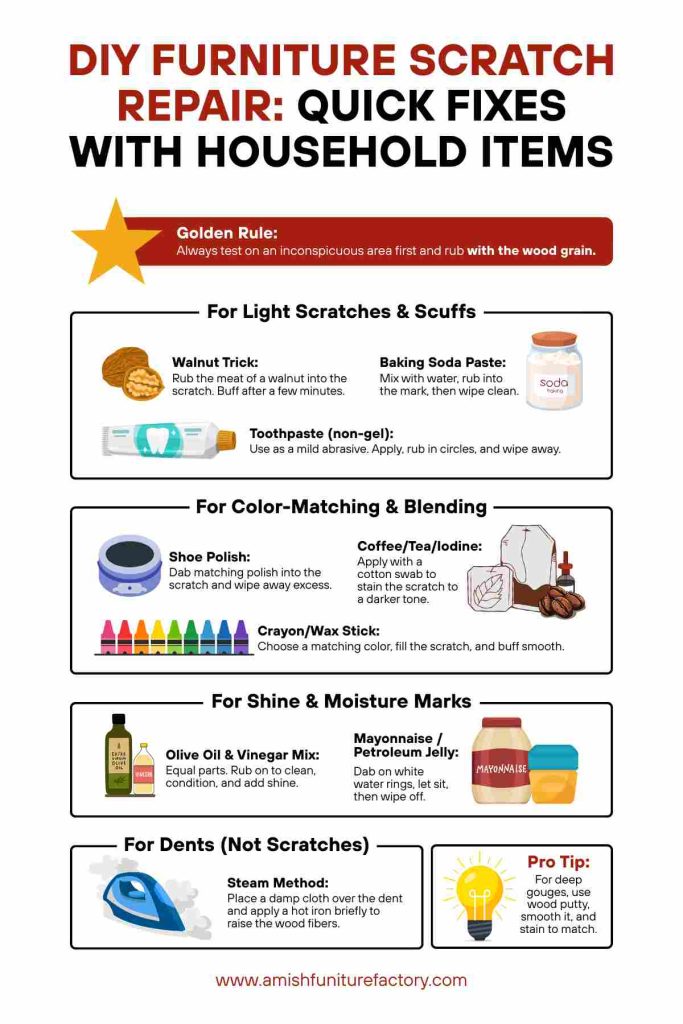
Surface scratches respond well to color-matched wax filler or touch-up pen. Deep scratches may require professional refinishing. Refinish when repairs no longer blend or scratches spread.
Refresh the Finish
Dull spots mean the protective layer is thinning. Re-wax or re-oil to restore defense.
Do this annually or biannually depending on use. It takes minutes but adds years to your table’s life.
Clean and Inspect Weekly
Wipe with a soft cloth. Check chair pads and object bases for wear.
Look for finish cloudiness, sticky spots, or warping. These are signs of moisture or heat damage.
Final Thoughts on Protecting Your Dining Table
Protecting a dining table isn’t about wrapping it in plastic. It’s about smart, layered defense that matches your life. Whether you choose a clear glass top, a felted custom pad, or a simple wax seal, the goal is the same: prevent damage before it starts.
Combine physical barriers with good habits. Lift instead of slide, use felt pads, clean regularly, and reapply protective finishes annually. Your table will stay beautiful for decades.
The right protection lets you use your table fully without fear. Start today, and enjoy every meal with confidence.
Frequently Asked Questions About Dining Table Protection
Does a tablecloth actually protect a dining table?
Tablecloths protect against scratches and reduce noise, but they offer zero protection against heat or liquid spills. Hot dishes will leave marks, and spills soak through quickly. Use tablecloths over a protective base layer like batting or vinyl for best results.
What is the best way to protect a dining table from scratches?
The best scratch protection combines physical barriers with good habits. Use placemats, table runners, or a full glass cover. Always lift objects instead of sliding them. Add felt pads to chair legs and decorative objects. This layered approach prevents scratches from daily use.
How often should I wax my dining table?
Apply a fresh coat of clear furniture wax annually, or every six months with heavy use. Reapplication takes only ten to fifteen minutes. Watch for dull spots, which indicate the protective layer is thinning and needs refreshing.
Can I use polyurethane to protect my dining table?
Yes, polyurethane creates a hard, durable finish that resists scratches and spills. However, it significantly darkens the wood and adds a glossy appearance. Test on an inconspicuous area first. Only use it if you prefer durability over preserving the original color.
How do I protect a dining table from heat damage?
Use placemats or hot pads under hot dishes. Glass tops and custom table pads offer the best heat protection. Avoid placing hot pans directly on wood surfaces. Chemical sealants like wax offer minimal heat protection alone.
Is glass or custom table pad better for protection?
Glass offers maximum protection while preserving table visibility. Custom pads provide superior cushioning and are ideal for heirloom pieces. Choose glass for aesthetics and daily use. Choose a custom pad for maximum impact protection and value preservation.