Remove Permanent Marker from Wood Table
Permanent marker on a wood table is one of the most frustrating household accidents. Whether your child used the dining table as a canvas, a pen slipped during paperwork, or a label left its mark, that stubborn ink seems impossible to remove. The good news: permanent marker on wood is rarely truly permanent. With the right technique, you can restore your table’s surface without costly professional restoration.
This guide covers proven methods for removing Sharpie and similar permanent inks from finished, unfinished, and painted wood. You’ll learn exactly which approach to use based on your table’s surface type, how to test safely before committing to a method, and what to do if a cleaning attempt goes wrong.
Test the Surface Before Cleaning
Always Perform a Spot Test First
Before applying any cleaning solution to the visible stain, test in an inconspicuous area. Check under the table, inside a drawer, or along a back edge. This simple step prevents irreversible damage to your table’s finish.
Dab a small amount of your chosen cleaner onto a white cotton cloth or swab. Apply it gently to the hidden area and watch for three warning signs: cloudiness (indicating finish lifting), color transfer (wood stain coming off), or darkening (especially on raw wood). If any of these occur, stop immediately and choose a gentler method.
Use Clean Application Tools
Never reuse rags or swabs that have already picked up ink. Each test and application should start with a fresh tool. Using contaminated applicators re-deposits ink and gives false results about whether the method is working.
Apply Alcohol-Based Cleaners
:max_bytes(150000):strip_icc()/How-to-remove-permanent-marker-from-wood-5079775_final-8521eebf125c408094406c2287f62a73.png)
Use Rubbing Alcohol on Sealed Wood
Isopropyl alcohol (70% concentration or higher) dissolves permanent marker ink quickly and works well on varnished or polyurethane-coated tables.
Apply a small amount to a clean cotton cloth. Dab gently on the stain rather than scrubbing aggressively. Let the alcohol lift the ink onto the cloth. Wipe with a damp microfiber towel and dry immediately. Repeat if needed, but stop if the wood appears cloudy or the finish softens, as this indicates the alcohol is damaging the sealant.
Try Hand Sanitizer on Finished Surfaces
Hand sanitizer contains alcohol that lifts ink, and its gel formula allows it to stay in place without soaking in quickly. This makes it useful for finished wood where you need controlled application.
Rub a pea-sized amount directly over the stain. Wipe clean with a dry cloth, then follow with a damp wipe to remove residue. Never use this method on unfinished wood. The glycerin in sanitizer seeps into raw wood fibers and causes permanent dark spots that are harder to remove than the original marker.
Spray Hairspray on Painted Wood
Hairspray contains alcohol that breaks down ink effectively, making it ideal for painted tables where absorption is minimal.
Spray directly onto the stain. Wipe immediately with a soft cloth. Dry the area thoroughly afterward. Avoid using this on high-gloss finishes unless you’ve tested first, as the alcohol can dull or dissolve some varnishes.
Use Vodka or Everclear Safely
Plain unflavored vodka or high-proof ethanol (like Everclear) works similarly to rubbing alcohol but is slightly milder on certain finishes.
Soak a cloth and dab rather than pouring directly onto the wood. Never use flavored alcohols. The sugar content leaves a sticky residue that attracts dirt and worsens the stain.
Use Strong Solvents for Tough Stains
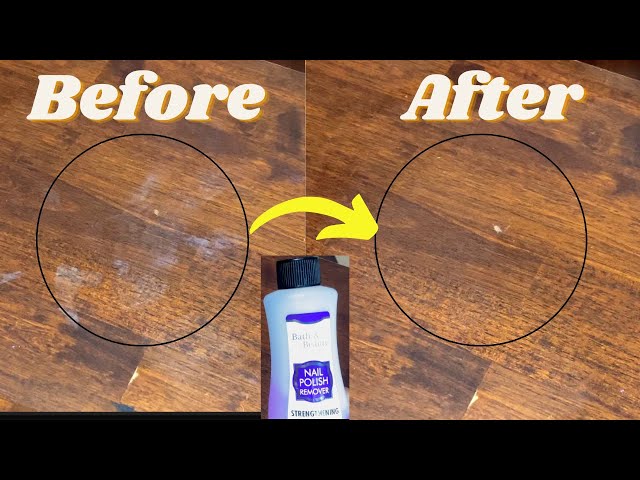
Apply Nail Polish Remover with Caution
Acetone in nail polish remover lifts stubborn ink fast, but it also strips paint and most wood finishes. Only use this method if your table has a durable polyurethane coating and you’ve confirmed no damage in a spot test.
Apply a tiny amount to a cotton swab. Dab lightly on the stain. Wipe clean immediately. Never use on painted wood. Acetone dissolves paint within seconds, creating a bigger problem than the marker stain.
Avoid Lacquer Thinner Unless Necessary
Lacquer thinner is extremely aggressive and should only be considered for unfinished wood when other methods fail. It can pull ink from deep pores but emits strong fumes and risks discoloration. Use in a well-ventilated area and wear gloves.
Try Commercial Ink Removers
Products like Goof Off Stain Remover or Whip It are formulated to dissolve ink without excessive spreading. Apply with a rag, follow the label instructions, and avoid using on unsealed wood. These products work best on sealed undersides or surfaces where the finish is robust.
Apply Gentle Abrasives

Clean with Toothpaste
White non-gel toothpaste acts as a mild abrasive that buffs away surface ink without harsh chemicals. This method works well on finished or painted wood.
Apply toothpaste to a cotton pad or soft toothbrush. Rub gently along the direction of the wood grain. Wipe with a damp cloth and dry. Some users prefer baking soda toothpaste for extra cleaning power. A dentist-tested favorite, this method is surprisingly effective and low-risk.
Make a Baking Soda Paste
Mix baking soda with a few drops of water to form a thick paste. Apply to the stain and rub in small circular motions for one to two minutes. Wipe clean with a damp cloth.
For a foaming boost, mix baking soda with vinegar. Rinse thoroughly, as acid can affect some finishes over time with repeated use.
Use a Magic Eraser Sparingly
Melamine foam erasers work like ultra-fine sandpaper. They lift ink effectively but risk damaging delicate finishes.
Wet the eraser and squeeze out excess water. Glide gently over the stain with light pressure. Rinse the eraser often to avoid redepositing ink. Warning: this method can dull glossy finishes or wear away thin varnish. Never use on unfinished wood.
Try the Dry-Erase Marker Trick
Remove Ink with a Whiteboard Marker
This clever method uses the solvents in dry-erase markers to re-dissolve permanent ink.
Color over the permanent mark completely with a dry-erase marker. Wait ten to fifteen seconds. Wipe away with a dry cloth or eraser. The permanent ink should lift off with the dry-erase residue.
This method works especially well on opaque stained surfaces and finished wood. Do not use on unfinished wood, as it may drive the ink deeper into the grain.
Use the Permanent Marker Overlap Method
For raw or porous wood, coloring over the stain with the same permanent marker can work. The fresh solvents in the ink loosen the dried layer. Immediately wipe with a paper towel.
This works best on unfinished surfaces where liquids are already absorbed.
Sand Unfinished Wood
Use Fine-Grit Sandpaper
For bare unfinished wood, sanding is the most reliable fix. Use 220-grit or higher sandpaper. Sand lightly in the direction of the grain. Stop once the stain fades.
Avoid aggressive scrubbing. You don’t want to create a depression in the surface.
Clean and Refinish After Sanding
Wipe away dust with a dry cloth. If the wood was meant to stay natural, leave it as-is. For protection, apply a matching finish such as Danish oil, paste wax, or clear polyurethane. This seals the surface and prevents future stains.
Match Method to Wood Type
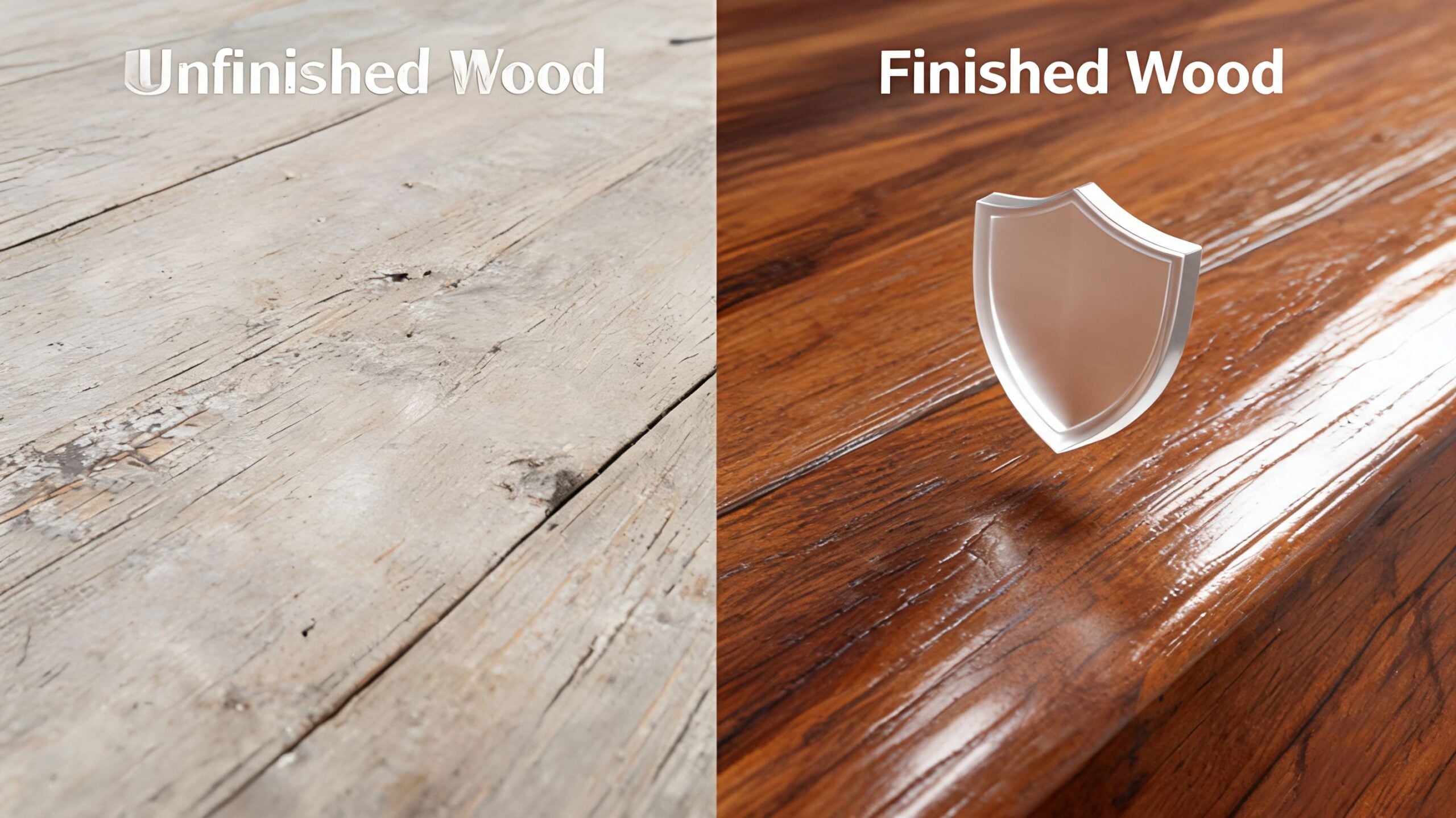
Finished Wood: Protect the Varnish
Sealed tables with varnish, lacquer, or polyurethane coatings are common in dining and coffee tables.
Best methods include the dry-erase marker trick, toothpaste, Magic Eraser with light touch, and rubbing alcohol (dab only). Avoid acetone, hand sanitizer with glycerin, and aggressive scrubbing.
Unfinished Wood: Avoid Liquids
Raw wood absorbs liquids easily, causing darkening or swelling.
Best methods are sanding (most effective), permanent marker overlap, and lacquer thinner as a last resort before sanding. Avoid water-based pastes, hand sanitizer, and vinegar.
Painted Wood: Prevent Paint Damage
Paint chips easily with strong solvents.
Best methods include hairspray, dry-erase marker, and toothpaste. Avoid acetone, nail polish remover, and lacquer thinner, as all dissolve paint.
Fix Common Cleaning Mistakes
Repair Stripped Finish
If alcohol or acetone removed the varnish, lightly sand the area with 220-grit paper. Wipe away dust. Apply a matching wood finish (oil, wax, or polyurethane). Let dry completely before use.
Cover Scuffs and Scratches
For minor scuffs, use a wood stain marker in a matching tone. Apply, then wipe excess to blend. Seal with a clear topcoat if needed. Scratch repair pens or wax sticks also work well for surface blemishes.
Restore Shine After Cleaning
Some methods leave wood looking flat. Polish with furniture wax, lemon oil, or commercial wood polish to bring back luster and protect the surface.
Avoid These Common Mistakes
Never scrub aggressively with steel wool, stiff brushes, or abrasive pads. This removes finish and damages wood grain. Use gentle pressure and soft cloths only.
Don’t skip the spot test. Applying acetone or alcohol without testing is the top cause of ruined finishes.
Avoid flavored alcohols. Flavored vodkas contain sugar that leaves a sticky residue worsening the stain.
Don’t over-wet the surface. Soaking wood causes warping, grain raising, or swelling, especially on unfinished or veneer surfaces. Dab rather than drench.
When to Call a Professional
Stop DIY attempts and consult a furniture restorer if the table is an antique or heirloom, you’ve tried multiple safe methods with no results, the finish type is unknown and high-risk, or the ink has penetrated deeply into veneer or thin wood layers.
Professionals have access to industrial-grade solvents and color-matching techniques that preserve value and appearance.
Quick Reference: Method by Surface
| Surface Type | Best Method | Avoid |
|---|---|---|
| Finished Wood | Dry-erase marker, toothpaste | Acetone, hand sanitizer |
| Unfinished Wood | Sanding, marker overlap | Liquids, vinegar, glycerin |
| Painted Wood | Hairspray, toothpaste | Acetone, lacquer thinner |
| High-Gloss Finish | Magic Eraser (light), dry-erase | Alcohol, scrubbing |
| Varnished Table | Rubbing alcohol (dab), toothpaste | Soaking, acetone |
Pro Tip: Always start with the gentlest method. Try dry-erase marker or toothpaste before moving to solvents or abrasives.
Key Takeaways for Removing Permanent Marker from Wood
Most permanent marker stains on wood can be removed safely with the right approach. The secret is knowing your surface and acting with care. Identify whether your table is finished, unfinished, or painted, then choose the matching method from this guide. Always test in an inconspicuous area first, start with the gentlest options (toothpaste or dry-erase marker), and work up to stronger solvents only if needed. If you damage the finish during cleaning, sand lightly and reapply a matching sealant. With patience and the correct technique, you can restore your wood table to its original condition without replacement.
Frequently Asked Questions About Removing Permanent Marker from Wood
Does rubbing alcohol damage wood finish?
Rubbing alcohol can damage wood finish if applied too aggressively or left on too long. It dissolves varnish, lacquer, and shellac. Use it sparingly, dab gently, and test on an inconspicuous area first.
Can I use acetone on my dining table?
Only use acetone if your table has a durable polyurethane coating and you’ve tested it first. Acetone strips most standard finishes and dissolves paint instantly. Never use on painted furniture.
What removes Sharpie from varnished wood?
The dry-erase marker trick works well on varnished wood. Color over the stain with a dry-erase marker, wait fifteen seconds, then wipe clean. Toothpaste is another gentle option.
Will Magic Eraser remove permanent marker from wood?
Magic Eraser can remove permanent marker but risks dulling or damaging the finish. Use with extremely light pressure and only on finished surfaces.
How do I remove marker from unfinished wood?
Sanding is the most effective method for unfinished wood. Use 220-grit sandpaper and sand lightly in the grain direction. Avoid liquids, which cause darkening and swelling.