Does Table Salt Melt Ice? The Truth
You’re standing on your icy front step, late for work, and the ice melt is nowhere to be found. Just a box of table salt in the kitchen. Can it save the day? Yes, table salt does melt ice through a process called freezing point depression, but it comes with significant limitations. This guide covers exactly how table salt melts ice, when it works, and why dedicated ice melts are usually a better choice.
You’ll learn the science behind freezing point depression, how table salt compares to rock salt and calcium chloride, environmental risks, and pet-safe alternatives. By the end, you’ll know exactly when to reach for that kitchen salt and when to invest in proper de-icing products.
How Salt Melts Ice Through Freezing Point Depression
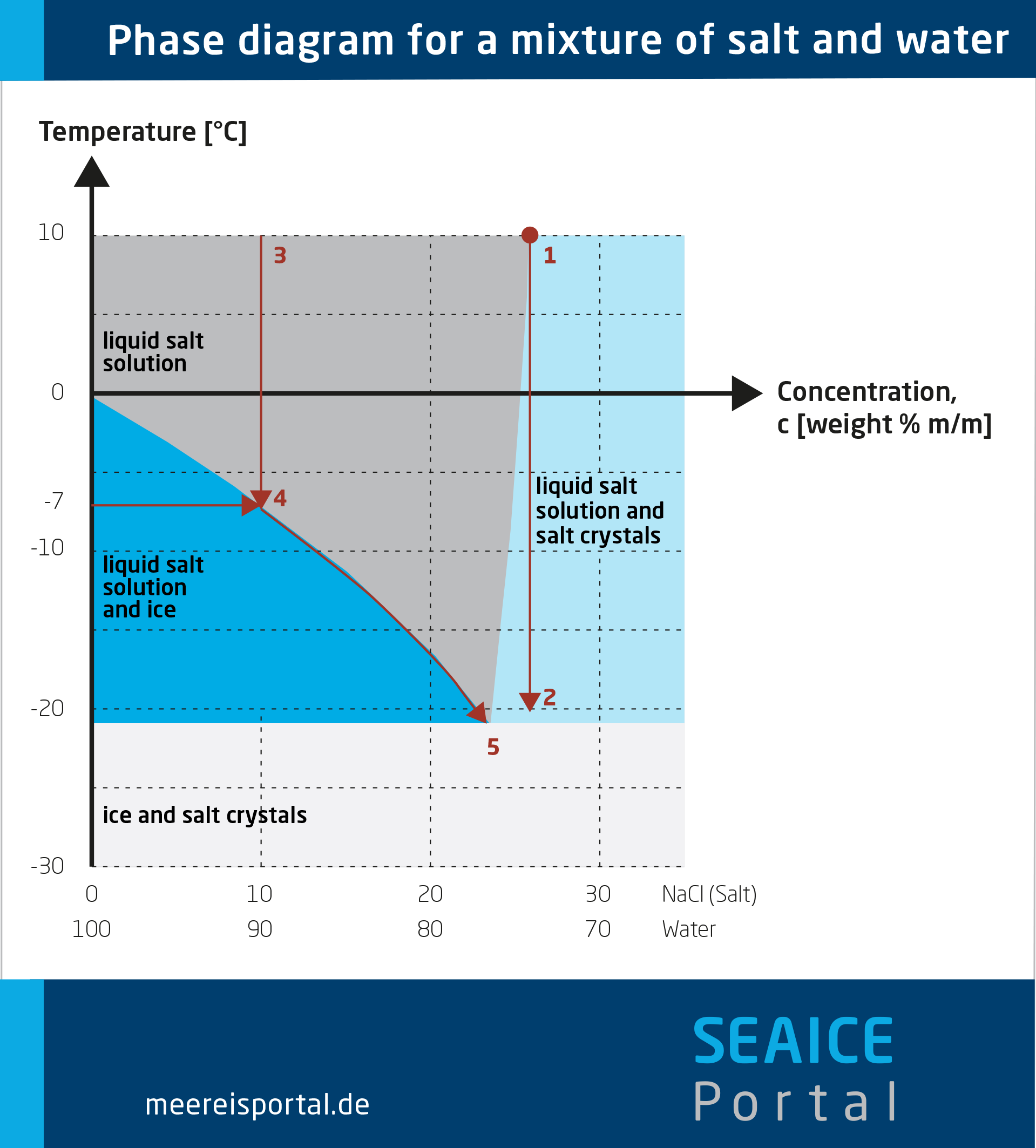
When salt meets ice, it doesn’t burn through like a chemical reaction. Instead, it triggers a physical change called freezing point depression. Here’s the step-by-step process.
A thin layer of liquid water always exists on ice surfaces, even well below 32°F. When table salt lands on this layer, it dissolves into sodium and chloride ions. These ions disrupt water molecules from forming their solid crystalline structure. The resulting saltwater solution has a lower freezing point than pure water, sometimes dropping to -6°F or -21°C depending on concentration.
Because the surrounding ice now contacts a liquid that won’t freeze at current temperatures, it begins melting to reach equilibrium. This continues as long as ambient temperatures stay above the new lower freezing threshold.
Why Salt Needs Moisture to Work
Salt cannot melt ice in a vacuum. It requires that initial layer of surface moisture to dissolve and activate. That’s why salt performs poorly on dry, subzero ice. It simply sits on top until warmth or friction creates enough surface water. Pre-wetting ice with warm water can speed up the process, but this isn’t practical for most outdoor applications.
Table Salt vs Rock Salt: Key Differences

Both contain sodium chloride, but table salt and rock salt differ significantly in form, function, and efficiency for de-icing purposes.
Grain Size and Application Performance
Table salt comes as fine, uniform crystals that dissolve quickly on contact but blow away easily in wind. Rock salt provides coarse, irregular chunks that stay in place longer and cover more area per handful. The larger granules of rock salt allow deeper penetration into ice layers, while table salt tends to pool on the surface, creating messy slush.
Additives and Cost Factors
Table salt contains anti-caking agents like calcium silicate and sometimes iodine. These additives don’t enhance melting and may leave behind white residue. Rock salt is unrefined and additive-free, designed purely for de-icing. Rock salt delivers better value and coverage due to its durability and lower cost. A 50-pound bag of rock salt costs under $10 at farm supply stores, while the same weight in table salt would cost over $30 at grocery prices.
Temperature Limits: When Salt Stops Working

Table salt loses effectiveness when temperatures drop below 15°F or -9°C. Below this point, there’s too little surface moisture for salt to dissolve. Ionization slows or stops, halting the freezing point depression process entirely.
Some sources claim table salt can work down to -6°F under ideal conditions, but real-world performance drops sharply below 15°F. In extreme cold, table salt simply sits on top of the ice, doing nothing.
Better Options for Deep Winter
| Product | Effective Down To | Why It Works Better |
|---|---|---|
| Calcium Chloride | -25°F (-32°C) | Releases heat when dissolving (exothermic) |
| Magnesium Chloride | 5°F (-15°C) | Less corrosive, works faster in moderate cold |
| Rock Salt (NaCl) | 15°F (-9°C) | Same as table salt, but cheaper and coarser |
For subzero conditions, calcium chloride is the clear winner.
Why Table Salt Damages Driveways
Applying table salt to ice produces rapid surface melting but only shallow penetration. The result is a heavy, slushy mess that refreezes if temperatures drop and becomes difficult to shovel or sweep. This slush can splash onto vehicles and shoes, leaving white residue and causing damage.
In contrast, calcium chloride-based melts create deep cracks in the ice, breaking it into manageable chunks that are easy to remove. The fine grains of table salt also blow away before they can work, wasting your money and effort.
Wasteful and Expensive
Table salt costs 5 to 10 times more than bulk rock salt per pound. The fine grains lead to wind loss and uneven spread. For large areas, the expense adds up quickly while effectiveness remains poor.
Environmental and Structural Risks
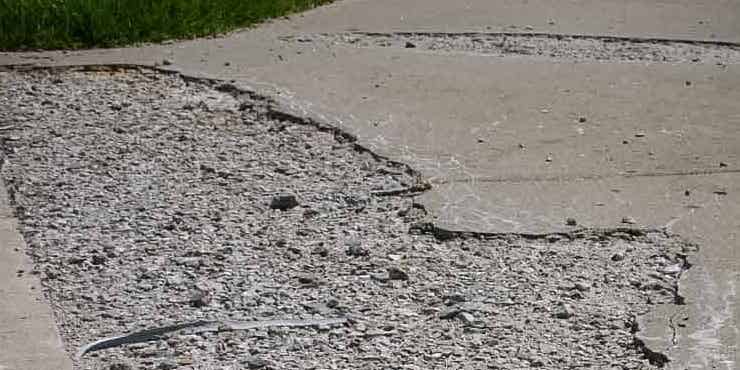
Repeated use of sodium chloride, whether table or rock salt, damages concrete and asphalt through spalling. Surface chunks break off due to freeze-thaw cycles. Salt seeps into porous materials, causing corrosion and accelerating deterioration. In reinforced concrete, salt reaches metal supports, causing rebar rusting. New concrete under one year old is especially vulnerable and should never be treated with salt-based deicers.
Harm to Plants and Soil
Salt runoff alters soil chemistry by creating physiological drought. Plants cannot absorb water even when it’s available. Grass, shrubs, and tree roots near sidewalks and driveways die from salt exposure. Groundwater becomes contaminated, harming aquatic ecosystems. Signs of salt damage include brown, wilted foliage in spring and stunted growth near walkways.
Danger to Pets
Dogs and cats face serious risks when walking on salt-treated surfaces. Paw irritation causes cracked pads from chemical exposure. Licking paws can lead to vomiting, diarrhea, or seizures from sodium toxicity. Even products marketed as pet-safe have caused severe reactions. Exercise extreme caution with any chloride-based product around animals.
When to Use Table Salt Outdoors
Table salt works best for small-scale, last-minute situations. Use it for a few steps or a small porch where ice is thin and temperatures stay above 15°F. It’s appropriate when no other de-icer is available and you need a quick fix.
Clear snow first before applying salt. Sprinkle a light, even layer across the surface. Wait 10 to 15 minutes for slush to form, then scoop or sweep away the residue. Avoid over-application. More salt won’t melt ice faster and only increases environmental harm.
Safer Alternatives to Table Salt
Several household items can handle ice removal without the damage caused by sodium chloride.
Baking soda mixed at half a cup per gallon of water provides a pet-safe and concrete-safe solution. It’s less corrosive and works for light ice on sidewalks, though only effective near freezing temperatures.
Vinegar and warm water mixed at equal parts creates an acetic acid solution that breaks down ice. The warmth speeds melting. This works well for doorsteps and small patches but may damage some surfaces with repeated use and produces a strong smell.
Sand or gravel add grip without melting. These options are non-toxic, cheap, and eco-friendly. They don’t melt ice but make surfaces safer to walk on, ideal for elderly households or sensitive garden areas.
Used coffee grounds work through dark color absorption of sunlight. The slight thermal residue aids melting while adding texture for traction. This works best for small walkways with afternoon sun exposure.
Minimizing Damage If You Use Salt
Once ice melts, sweep up excess salt and slush to prevent re-freezing and reduce runoff. Rinse surfaces with water to remove chloride residue. These simple steps protect your driveway and reduce environmental impact.
Protect concrete year-round by sealing driveways and sidewalks annually with a water-repellent sealer. Avoid all deicers on new concrete during its first winter. Use a plastic shovel to avoid scratching surfaces during snow removal.
Shield your lawn by applying a salt barrier like burlap or plastic between driveway and lawn. Flush soil in spring with large amounts of water to leach out salt buildup before planting season.
Quick Reference: De-Icer Comparison
| Feature | Table Salt | Rock Salt | Calcium Chloride | Baking Soda | Sand |
|---|---|---|---|---|---|
| Melts Ice | Yes | Yes | Yes | Slight | No |
| Works Below 15°F | No | No | Yes | No | N/A |
| Pet Safe | No | No | Caution | Yes | Yes |
| Concrete Safe | No | No | Moderate | Yes | Yes |
| Cost Efficiency | Poor | Excellent | Moderate | Good | Excellent |
| Best Use Case | Emergency steps | Driveways | Subzero temps | Light ice | Traction only |
Final Verdict: Should You Use Table Salt on Ice
Yes, but only in emergencies and on small areas above 15°F. Table salt can melt ice because it’s sodium chloride, the same active ingredient in most de-icers. However, its high cost, poor spreadability, and environmental risks make it a poor substitute for dedicated products.
For large areas or extreme cold, rock salt or calcium chloride are far more effective and economical. If you care about your pets, plants, or pavement, consider non-corrosive alternatives like magnesium chloride or plain sand for traction.
Keep a small container of rock salt or pet-safe de-icer in your garage before winter hits. Save the table salt for your food. Your driveway and your dog will thank you.
Frequently Asked Questions About Table Salt and Ice
Does table salt actually melt ice?
Yes, table salt melts ice through freezing point depression. When salt dissolves in the thin layer of water on an ice surface, it lowers the freezing point of that water, causing the ice to melt. This works best when temperatures are above 15°F.
What temperature does table salt stop working?
Table salt becomes largely ineffective below 15°F (-9°C). At this point, there’s insufficient surface moisture for salt to dissolve and activate the freezing point depression process.
Is table salt better than rock salt for ice?
No, rock salt is better for de-icing. It costs less per pound, spreads more evenly, and penetrates ice more effectively. Table salt’s fine grains blow away easily and create messy slush rather than breaking up ice for easy removal.
Can I use table salt on my driveway?
Table salt is not recommended for driveways. It’s expensive, creates hard-to-remove slush, damages concrete over time, and harms grass and plants nearby. Rock salt or calcium chloride are far better choices for large areas.
Is table salt safe for pets?
No, table salt is not safe for pets. It can cause paw irritation and serious health issues if ingested, including vomiting, diarrhea, and seizures. Keep pets away from any salt-treated surfaces.
What household items can melt ice safely?
Baking soda mixed with water works for light ice and is pet-safe. Vinegar and warm water solution melts small patches. Sand or gravel provide traction without any melting or damage. These alternatives are safer for concrete, plants, and animals.
Key Takeaways for Using Table Salt on Ice
Table salt does melt ice through freezing point depression, but it only works when temperatures stay above 15°F. The fine grains create messy slush that’s hard to remove and can refreeze. Rock salt or calcium chloride are far more effective for driveways and extreme cold. Consider pet-safe alternatives like baking soda, sand, or vinegar solutions for safer ice removal that won’t damage your property or harm animals.