How to Fix a Wobbly Table
Is your dining table rocking every time someone leans on it? A wobbly table is not just annoying. It can damage your floor, ruin meals, and even pose a safety risk. The good news: fixing a wobbly table is usually quick, affordable, and does not require advanced skills. Whether it is a wooden dining set, a modern pedestal desk, or a minimalist coffee table, most wobbles stem from three root causes: uneven legs, loose joints, or an unlevel floor.
This guide walks you through proven diagnostic methods and targeted repairs. You will learn how to identify the real source of instability, apply invisible fixes like washer spacers or hot glue glides, reinforce weak joints, and install hidden support systems for long-term stability. No guesswork. Just actionable steps that work.
Diagnose the Real Cause of Your Wobbly Table
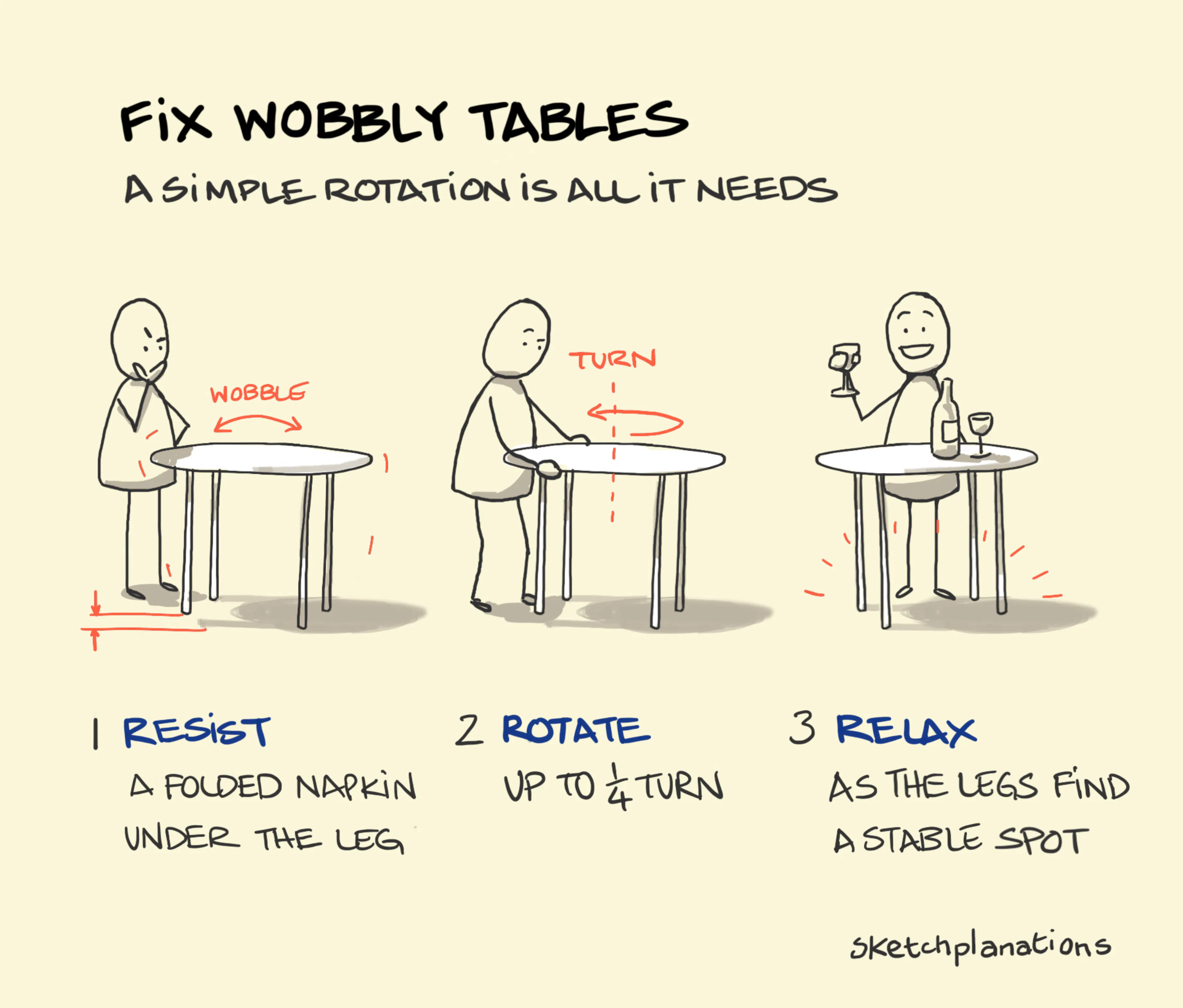
Before grabbing tools, you must determine whether the wobble comes from the floor, the legs, or the frame. Jumping straight into repairs without diagnosis can make things worse.
Test on a Flat Surface
Move the table to a known flat area, like a garage floor, tile hallway, or workbench. Rotate it 90 degrees and observe if the wobble shifts to a different leg.
- Wobble moves? The floor is uneven.
- Same leg lifts every time? The table has a structural issue.
This simple test saves time and prevents unnecessary modifications.
Identify Your Table Type
Different designs fail in different ways. Match your table to one of these common types.
- Four-legged tables: Most prone to diagonal wobble due to out-of-square assembly or warping.
- Pedestal tables: Wobble usually comes from a loose base-to-top connection or internal joint failure.
- Minimalist designs (no stretchers): Lack cross-bracing, so they shift laterally under pressure.
Knowing your table is weak points directs your repair strategy.
Check for Joint Play
Grab each leg and gently shake it side to side. If there is movement at the top where it meets the apron or tabletop, the joint is loose. This is especially common in furniture assembled with short screws or weak adhesives.
Tighten visible bolts, but do not force them. Stripped threads need a different fix.
Fix Leg Height Discrepancies
When one leg is shorter or the floor slopes, the table rocks. These non-invasive methods correct minor to moderate height differences.
Install Adjustable Leveling Feet

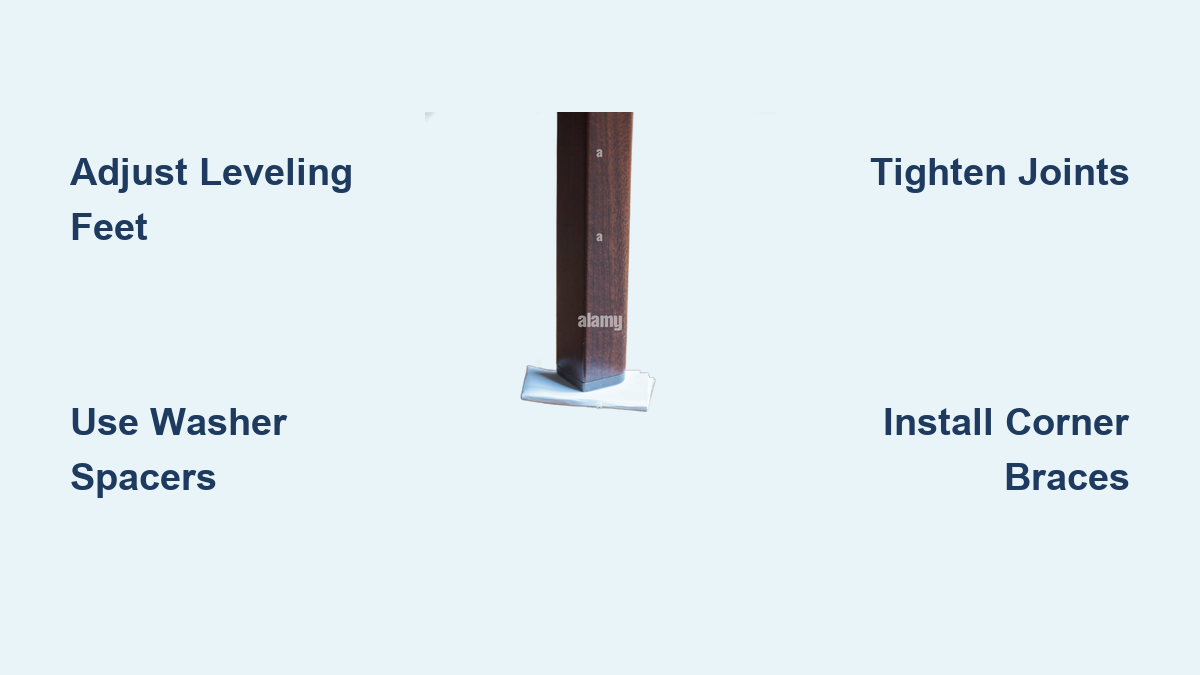
For lasting stability on uneven floors, adjustable leveling feet are the best upgrade.
- How they work: Threaded bolts with rubber pads screw into the bottom of each leg, letting you fine-tune height.
- Best for: Dining tables, workbenches, custom wood furniture.
- Installation steps: Drill pilot holes into the bottom of each leg. Screw in T-nuts (included in kits like Anwenk Furniture Levelers). Attach threaded feet and adjust until the table sits flat.
Pro Tip: Use a level across both diagonals to ensure perfect balance. These feet handle floor flaws up to 1/2 inch and eliminate future wobbles.
Use Washer Spacers for Glided Legs
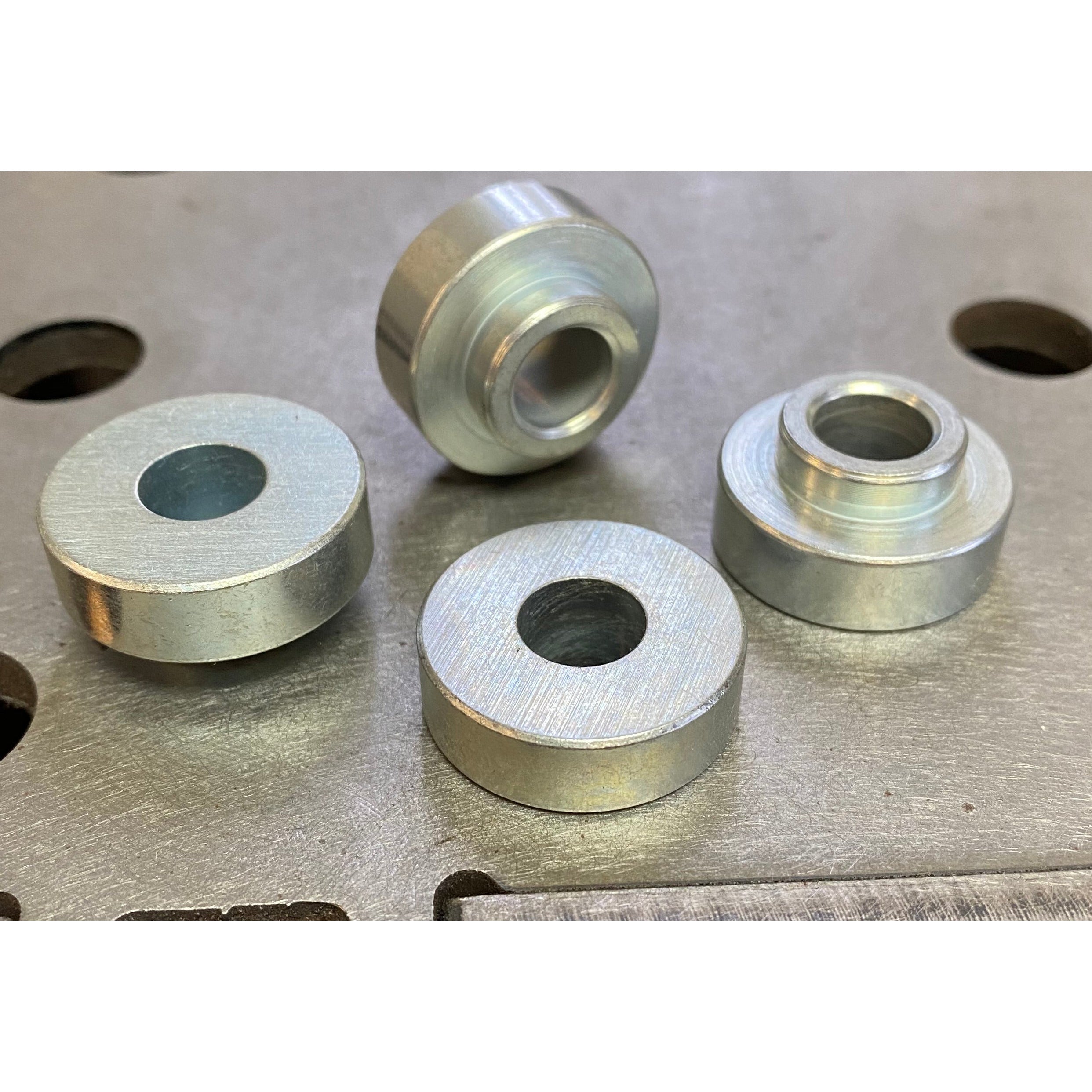
If your table has metal or plastic glides, you can extend a short leg invisibly.
- Removal: Pry off the glide using a chisel. Tap gently with a hammer if stuck.
- Insertion: Slide one or more metal washers over the nail stem on the leg bottom.
- Reattachment: Nail the glide back through the washer.
Each washer adds approximately 1/16 inch. Stack as needed. This fix is hidden, reversible, and precise.
Avoid over-stacking. More than three washers may prevent the glide from seating fully.
Build Custom Glides with Hot Glue
For raw wood legs, hot glue creates durable, invisible glides.
- Preparation: Flip the table upside down on a protective towel.
- Application: Apply two large blobs of hot glue to the short leg end.
- Molding: Press the leg onto wax paper on a flat floor. Let cool completely (2 to 3 minutes).
- Finishing: Repeat if more height is needed. Trim excess with a utility knife for a clean circle.
Heat Note: Use high-temp glue (not mini sticks) for strength. This method supports full weight and mimics factory-finished glides. It is also fully removable with a chisel.
Shim or Sand as a Quick Fix
For temporary correction, try these options.
- Shim under the leg with cardboard, felt pads, or wood wedges.
- Sand down longer legs if accessible. Mark the high spot with a pencil, then sand incrementally.
Caution: Sanding alters the leg permanently. Only do this if other options are not viable.
Reinforce Loose Joints and Frame
If all legs touch the ground but the table still wobbles, the issue is structural. Loose screws, weak joints, or missing bracing are the culprits.
Tighten and Upgrade Fasteners
Start with the obvious: loose hardware.
- Inspect all screws, bolts, and connectors.
- Tighten with the correct tool (hex key, Phillips screwdriver, or socket).
- Replace stripped or short screws with longer ones.
Upgrade Tip: Swap 1-inch screws for 2-inch or use lag bolts with washers for heavier tables. For repeated loosening, install threaded inserts (metal sleeves that give wood fresh threads).
Apply Wood Glue to Wobbly Joints
Glue strengthens joints without visible changes.
- Loosen the joint slightly to open the gap.
- Inject PVA wood glue with a nozzle.
- Clamp or weight the joint and let dry 24 hours.
- Re-tighten fasteners.
Best for: Leg-to-apron connections in wooden tables. Do not overfill. Excess glue can stain or prevent proper reassembly.
Add Triangular Corner Braces
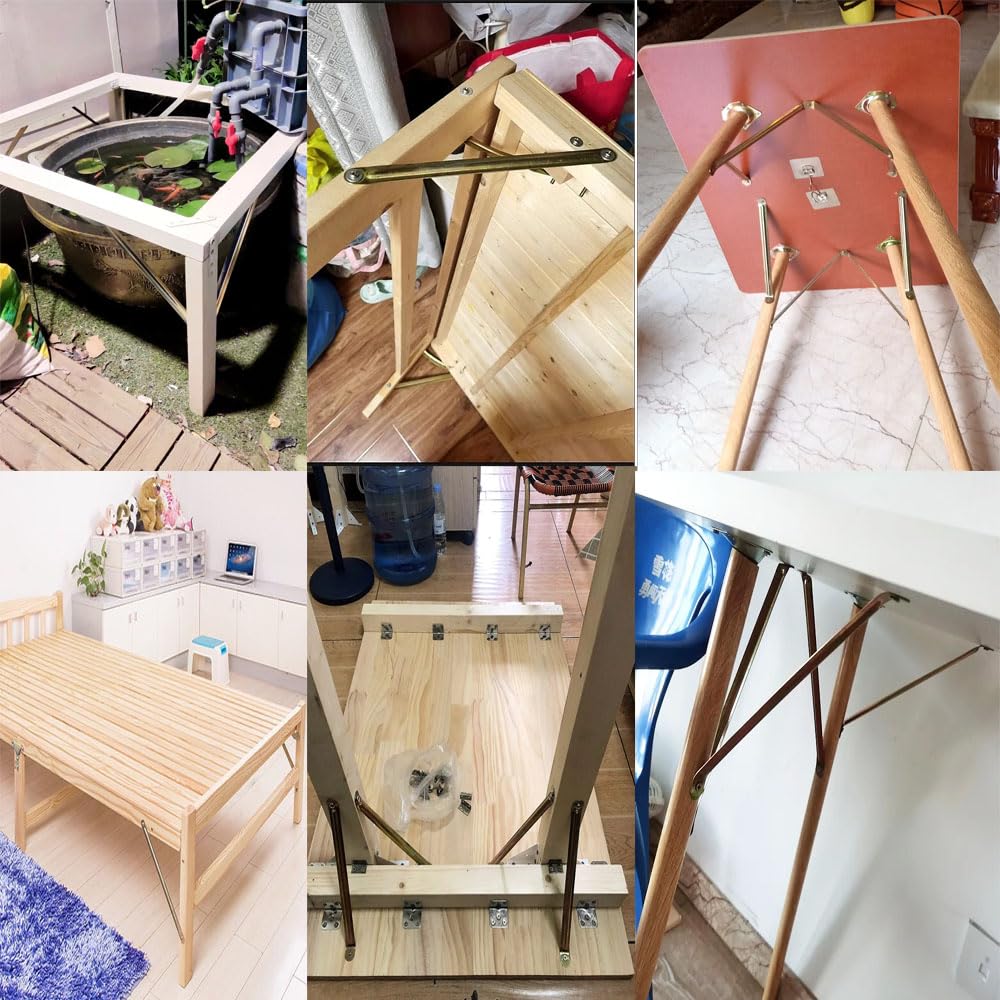
Lateral wobble (side-to-side shake) needs bracing.
- Cut right-triangle blocks from hardwood (3 to 6 inch legs).
- Position between leg and apron.
- Attach with screws and glue.
Placement: One brace per leg, facing opposing directions for balance. Larger braces equal more rigidity. Paint or stain to match for discreet reinforcement.
Stabilize Pedestal Tables
Single-column tables rely on one central support. Wobble here often means a loose top or damaged base.
Inspect the Pedestal Base
Flip the table and check these areas.
- Cracks in wood pedestals
- Bent metal rods
- Loose internal bolts
Tighten all accessible fasteners. If metal parts are bent, replacement may be necessary.
Secure the Top-to-Base Connection
This is the most common failure point.
- Locate bolts or rods attaching the base to the tabletop.
- Tighten with a wrench or socket set.
- If bolts spin or will not tighten: Insert a wooden dowel in the hole with glue, re-drill and use longer bolts, or attach an L-bracket under the tabletop to anchor the pedestal.
Pro Move: Apply thread-locker on bolts to prevent future loosening.
Level the Base Perimeter
Even with a solid connection, an uneven base can cause rocking.
- Place a level on the tabletop.
- If it tilts, add self-adhesive felt pads to the high side of the base footprint.
- Or, sand the base contact points slightly.
For permanent fixes, route a recess and install adjustable feet on the base corners.
Strengthen Minimalist Tables
Sleek, stretcher-free tables look great but wobble easily. Hidden reinforcements keep them stable without ruining the design.
Install a Hidden Support Plate
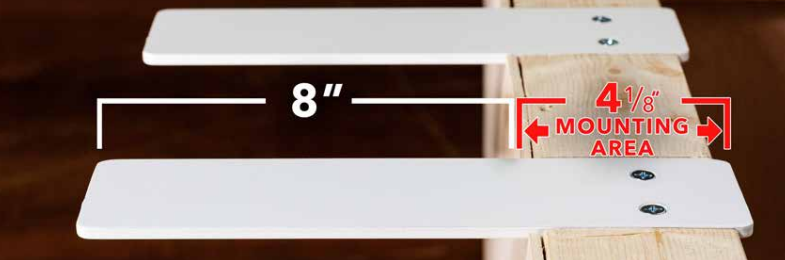
The Liberty Hidden Countertop Support Plate (also called a Federal Brace) is the gold standard.
- How it works: A steel plate anchors the leg to the tabletop from inside.
- Installation steps: Route a shallow pocket into the top of the leg. Screw the plate into the leg using threaded inserts. Place the tabletop and use the plate holes as drill guides. Bolt the top to the plate.
Result: Full structural support with zero visibility. Used in high-end conference tables, this fix handles heavy loads and prevents flex.
Use Eclipse or Domino Connectors
For clean, strong joints without glue, consider these options.
- Connection Eclipse Fasteners: Hidden clips that join aprons to tabletops with bolts.
- Festool Domino System: Creates mortise-and-tenon joints for disassemblable bases.
These are ideal for custom or portable furniture.
Prevent Future Wobbles
A one-time fix is not enough. Daily use loosens connections. Stay ahead with these habits.
Tighten Hardware Every 3 to 6 Months
Set a reminder to check all screws and bolts. Re-tighten as needed. This simple step prevents 80% of recurring wobbles.
Use Felt Pads on All Legs
Even on carpet, pads protect floors and reduce vibration. Replace them when worn. Squished pads lose leveling ability.
Avoid Dragging the Table
Lifting is safer than pushing. Dragging stresses joints and misaligns legs.
Final Fixes by Scenario
| Symptom | Best Fix |
|---|---|
| One leg lifts on carpet | Washer spacer or felt pad |
| Table rocks on tile | Adjustable leveling feet |
| Shaking when writing | Tighten joints plus add corner braces |
| Pedestal wobble | Tighten top bolt plus reinforce with bracket |
| Modern table with no braces | Install hidden support plate |
Frequently Asked Questions About Fixing a Wobbly Table
Why does my table wobble even on flat floors?
The wobble likely stems from the table itself rather than the floor. Common causes include uneven leg lengths due to manufacturing variance, wood warping over time, or loose joints at the leg-to-apron connection. Perform the rotation test to confirm. If the same leg lifts regardless of position, the issue is structural.
Can I fix a wobbly table without taking it apart?
Yes. Several non-invasive fixes exist. Adjustable leveling feet install into the leg bottoms without disassembly. Washer spacers add height to glided legs. Hot glue creates custom glides on raw wood legs. These methods address the symptom without requiring full table breakdown.
How do I know if my table needs structural reinforcement?
If tightening all fasteners does not stop the wobble, the table needs reinforcement. Signs include lateral shaking when pushed, visible gaps at joints, or legs that move independently when grabbed. Adding triangular corner braces or hidden support plates provides the extra rigidity needed.
Are adjustable leveling feet compatible with all table types?
Leveling feet work best with wooden tables that have hollow or solid legs you can drill into. They are not ideal for marble or glass tables without appropriate mounting provisions. For pedestal tables, install feet on the base perimeter rather than the central column.
How long does a wobbly table repair take?
Simple fixes like washer spacers or felt pads take 10 to 15 minutes. Installing adjustable feet requires drilling and takes 30 to 60 minutes. Structural repairs involving glue or braces need overnight drying time. Plan accordingly based on the method chosen.
Key Takeaways for Fixing Your Wobbly Table
Fixing a wobbly table does not require a workshop or professional skills. Start with diagnosis: determine whether the floor, the legs, or the frame is the culprit. Then apply the right fix, whether it is a $5 washer, a hot glue pad, or a hidden brace. The key is matching the solution to the cause.
With these methods, your table will sit flat, stay strong, and last for years. For ongoing stability, schedule quick maintenance checks every three to six months and avoid dragging the table when moving it. A solid table starts with smart fixes, and now you have them all.