How High Is a Dining Room Table?
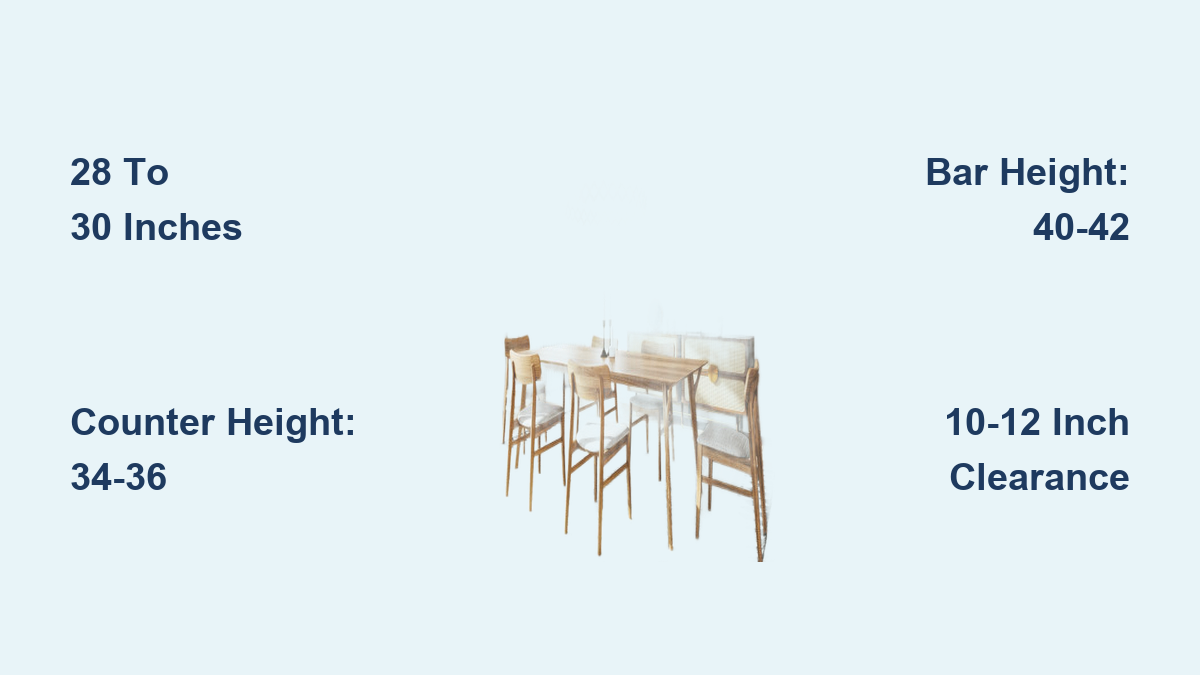
If you’re shopping for a dining table or reconfiguring your space, one of the most practical questions you will face is: how high is a dining room table? The answer is not one-size-fits-all. Standard dining tables typically stand between 28 and 30 inches tall, with 30 inches being the most common height used by furniture manufacturers. This range is designed to pair perfectly with standard dining chairs, creating a comfortable, ergonomic setup for meals.
But not all dining tables are created equal. Depending on your space, lifestyle, and design goals, you might consider counter height (34 to 36 inches) or bar height (40 to 42 inches) alternatives. Choosing the wrong height can lead to awkward postures, cramped legs, or a table that simply does not fit your room. In this guide, you will learn the exact dimensions for each table type, how to match them with the right chairs, and avoid the most common setup mistakes.
Standard Dining Room Table Height
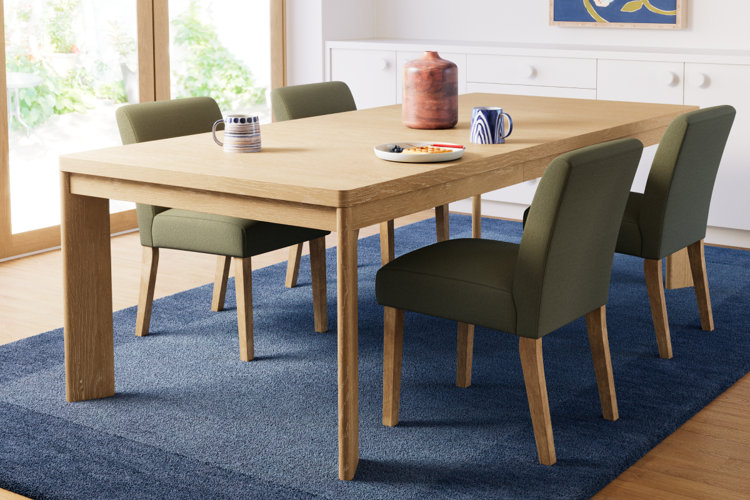
The traditional dining setup found in most homes is built around a specific range that prioritizes comfort, accessibility, and compatibility with a wide variety of seating options.
What Is the Ideal Range?
Standard dining tables range from 28 to 30 inches in height. While all heights in this range are considered normal, 29 to 30 inches is widely accepted as the sweet spot. This height allows most adults to sit with feet flat on the floor, knees bent at 90 degrees, and arms comfortably resting on the table surface.
This standard is carefully engineered to work with dining chairs that have seat heights of 17 to 19 inches, creating the optimal balance between table surface and seating position.
Who Should Choose Standard Height?
Standard height tables are ideal for:
- Families with young children (easier to lift kids into seats)
- Homes with elderly or mobility-challenged individuals
- Wheelchair users (most wheelchairs fit under 28 to 30 inch tables)
- Formal dining rooms or multi-purpose family spaces
- Rooms where long, relaxed meals are the norm
Because of their universal fit, standard tables offer the widest selection of compatible chairs, benches, and extendable designs, making them the safest choice for most households.
Counter Height Tables: When to Go Taller

Counter height tables bridge the gap between traditional dining and kitchen island seating, offering a more casual, modern alternative that works beautifully in contemporary spaces.
What Is the Right Height?
Counter height dining tables stand between 34 and 36 inches tall, matching the height of standard kitchen countertops. This creates visual continuity in open-concept homes and makes the table feel like a natural extension of the kitchen.
What Chairs Work Best?
You will need counter stools with seat heights of 24 to 26 inches. These stools are taller than dining chairs but shorter than bar stools. Always make sure the stool fits under the table. Many models include footrests, which help prevent dangling legs and improve overall comfort during extended sitting.
Best Use Cases for Counter Height
Counter height tables shine in these situations:
- Eat-in kitchens with open layouts
- Studio apartments or small dining areas
- Modern, minimalist interiors
- Spaces used for both dining and light food prep
- Homes where casual, quick meals are the norm
Pro Tip: Because these tables elevate the dining experience, they make small rooms feel more open. The vertical lift draws the eye upward, creating an illusion of extra space.
Bar Height Tables: The Social Choice
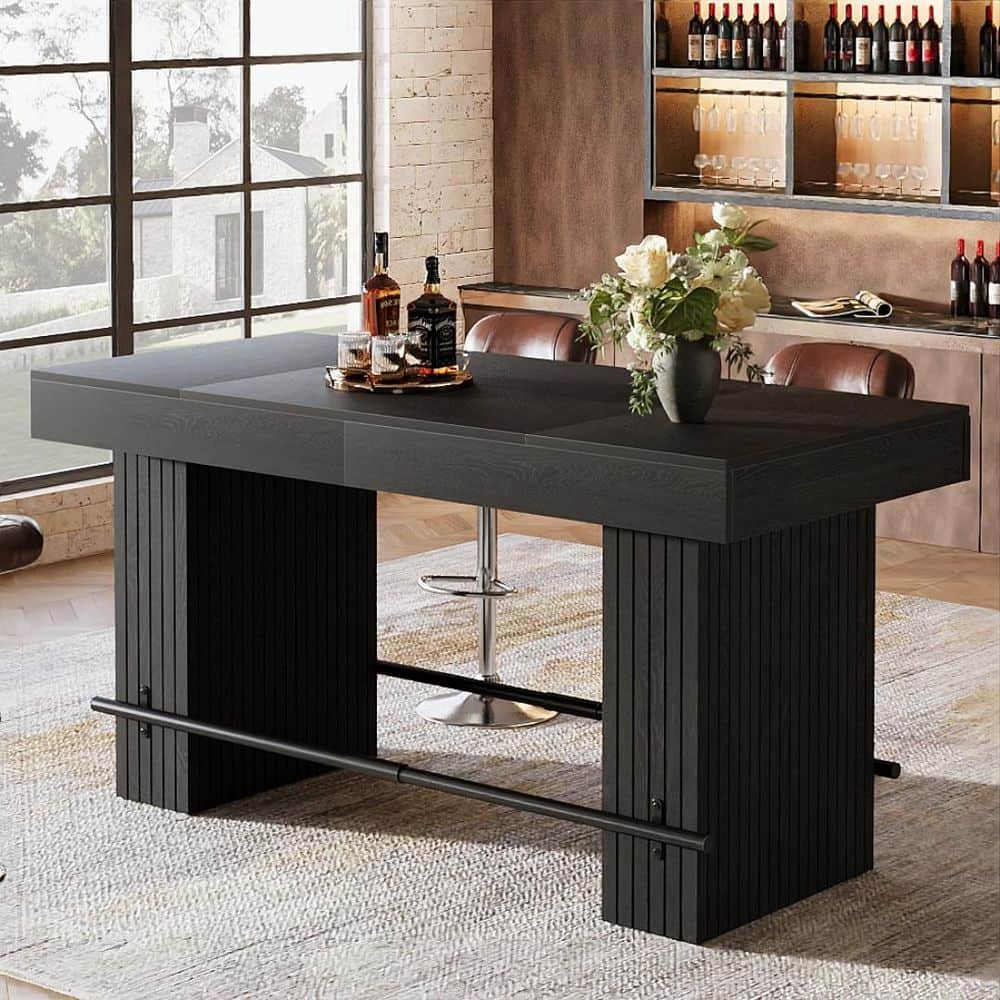
For a bold, energetic dining environment, bar height (or pub height) tables are the go-to option that creates a distinct social atmosphere.
How Tall Are They?
Bar height tables range from 40 to 43 inches, with 40 to 42 inches being the most common. These are the tallest dining tables available and are designed to mimic the feel of a lounge or pub setting.
What Seating Do You Need?
Pair these with bar stools that have seat heights of 28 to 33 inches. Most people use 28 to 30 inch stools, which provide the right legroom when combined with footrests.
Warning: Standard dining chairs will sit too low, leaving a gap of over 20 inches and making eating awkward. Never mix bar tables with regular chairs.
Where Bar Height Works Best
Bar height tables are perfect for:
- Game rooms or home bars
- Entertainment-focused spaces
- Urban lofts or industrial-style interiors
- Parties where guests mingle between sitting and standing
- Homes with older teens or adults only
Note: These tables are not ideal for young children or long, formal dinners. Without footrests, legs dangle, which can cause discomfort over time.
The 10 to 12 Inch Clearance Rule
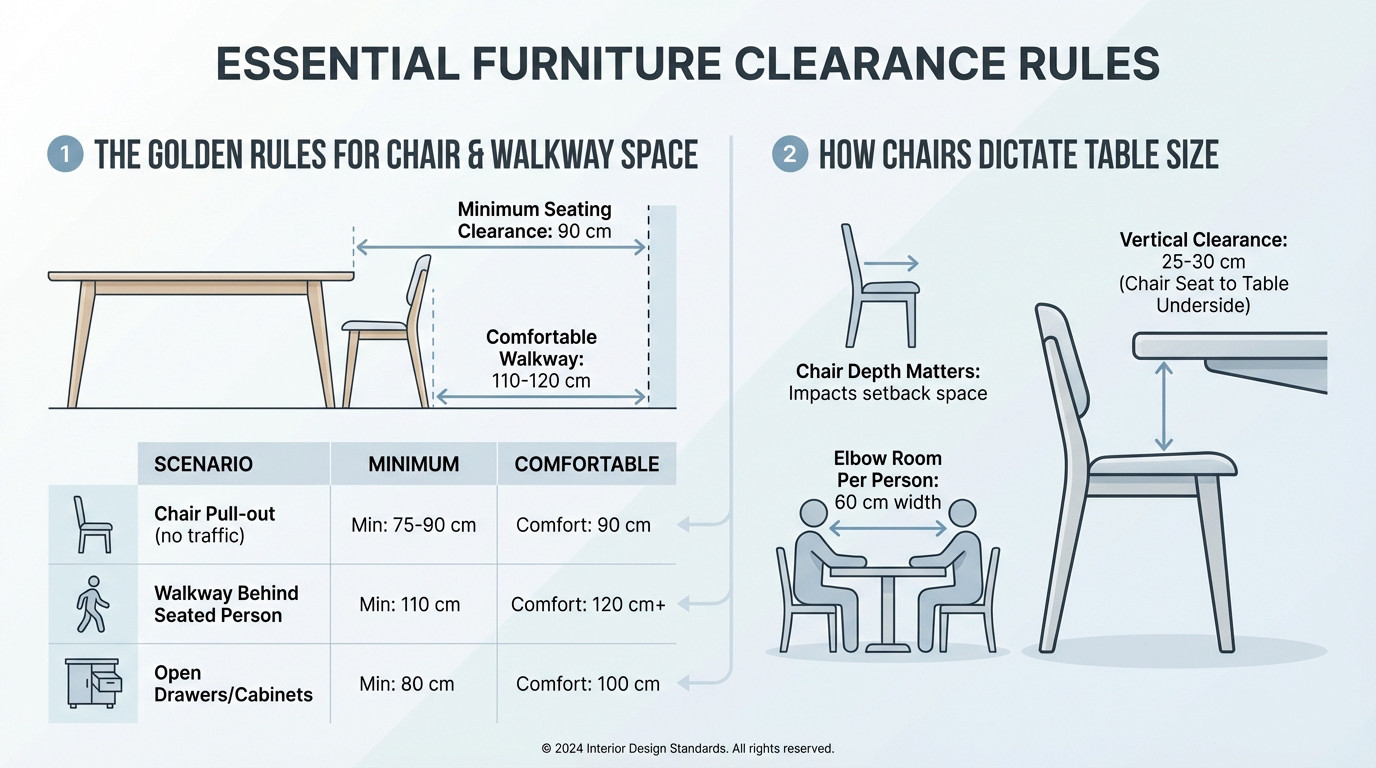
No matter which table height you choose, comfort depends on one golden rule: 10 to 12 inches of clearance between the top of the seat and the underside of the table.
Why This Matters
This gap ensures:
- Knees do not hit the table apron
- Thighs have room to slide under comfortably
- Shoulders stay relaxed during meals
- Easy entry and exit from the chair
Ideal target: Around 10.5 inches of clearance.
What Happens If You Get It Wrong?
- Less than 10 inches: Cramped legs, difficulty pulling chairs in, and thigh pressure that makes sitting uncomfortable.
- More than 12 inches: You will have to raise your shoulders to reach the table, leading to neck and shoulder strain over time.
Expert Tip: Always measure from the floor to the bottom of the table apron or tabletop, not the top surface. Thick table tops (1.5 to 2 inches) can throw off your measurement if ignored.
Legroom and Table Design Impact
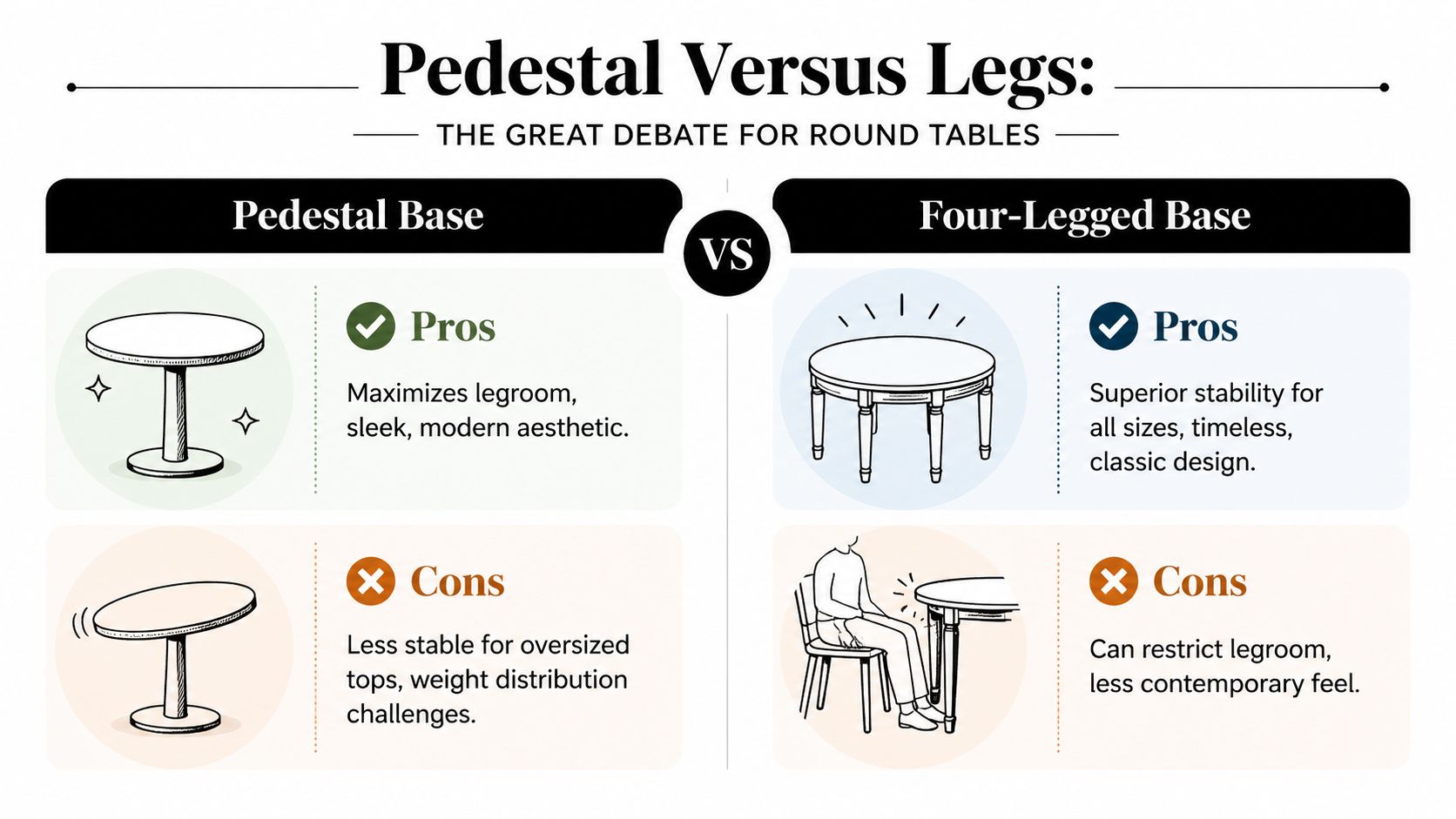
Not all tables offer the same usable legroom, even at the same height. The design of the base plays a big role in how comfortable the table actually is to sit at.
Apron vs. Pedestal Tables
- Tables with aprons (side rails): Reduce legroom by 3 to 5 inches. Common in refectory or farmhouse styles. If the rail is thick (9 cm), it limits thigh clearance significantly.
- Pedestal or trestle tables: No corner legs or side rails. Offer maximum legroom and easier seating access for all diners.
Visual Cue: Look under the table. If you see horizontal bars connecting the legs, measure clearance from the bottom of that bar, not the tabletop surface.
How to Match Table and Chair Heights

Avoid mismatched sets by following this simple formula:
Table height minus chair seat height equals 10 to 12 inches
Quick Pairing Guide
| Table Type | Table Height | Chair/Stool Seat Height |
|---|---|---|
| Standard | 28 to 30 inches | 17 to 19 inches |
| Counter | 34 to 36 inches | 24 to 26 inches |
| Bar | 40 to 42 inches | 28 to 30 inches |
Mistake to Avoid: Assuming all dining chairs fit all tables. Always verify seat height before buying.
The 32-Inch Table Trap
Some tables sit at 32 inches, a height that confuses many buyers and falls into a problematic in-between category.
Why It Is Problematic
- Too tall for standard chairs (creates 13 to 14 inch+ clearance that feels awkward)
- Too short for counter stools (does not align with footrests properly)
- Feels awkward: table surface sits at chest height for shorter adults
Who Might Like It?
- Tall individuals (6 feet plus)
- Homes using slightly taller chairs (20 to 21 inch seats)
Verdict: 32 inches is a no-man’s land. Only choose this if you are certain your seating matches perfectly.
Do Not Ignore Cushion Compression
Advertised chair seat heights often do not reflect real-world use, which can lead to uncomfortable seating even when measurements seem correct.
What You Need to Know
- Thick cushions compress 1 to 2 inches when sat on.
- A chair labeled 18 inches may effectively be 16 to 17 inches under weight.
Fix: When testing or measuring, press down firmly on the cushion. Subtract 1 to 2 inches to get the true seated height. This ensures your 10 to 12 inch clearance stays intact when the chair is actually in use.
Room Size and Clearance Guidelines
Even the perfect table will not work in the wrong space. Follow these rules to avoid a cramped dining area that feels uncomfortable.
Minimum Walking Space
- 36 inches (3 feet) on all sides: allows chairs to pull out and people to walk behind seated diners.
- 48 inches (4 feet) in high-traffic areas or near doorways.
- 30 inches is the bare minimum, and anything less feels tight and restrictive.
How to Calculate Maximum Table Size
- Measure your room length and width in feet.
- Subtract 6 feet (3 feet from each side).
- The result is your maximum table size.
Example: A 12 foot by 10 foot room becomes (12-6) by (10-6) equals 6 foot by 4 foot, meaning a maximum table of 72 inches by 48 inches.
Seating Space Per Person
Give each diner enough elbow room for comfortable meals:
- 24 inches of table edge per person is the standard recommendation.
- For rectangular tables, you can seat people at the heads, but that requires extra length to be comfortable.
Tip: Round and oval tables promote better conversation because everyone faces each other naturally.
Common Mistakes to Avoid
1. Measuring to the Top of the Table
Always measure from the floor to the underside of the table or apron. The top surface is irrelevant for determining legroom.
2. Ignoring Apron Thickness
A 4-inch apron reduces usable clearance significantly. If your chair is 18 inches and the table is 30 inches, but the apron is 4 inches thick, your effective clearance is only 8 inches, which is too tight for comfort.
3. Buying Mismatched Sets
Never pair:
- Bar stools with standard tables (they will not fit under)
- Dining chairs with counter tables (they sit too low)
- Counter stools with bar tables (they are still too low)
Solution: Buy table and chairs together, or double-check heights before purchasing to ensure compatibility.
Final Checklist: Choosing Your Table Height
Answer these questions to pick the right height for your needs:
-
Who uses the table most?
– Kids or elderly? Choose standard (28 to 30 inches)
– Adults only? Counter or bar height possible -
What is the room size?
– Small or kitchen-adjacent? Choose counter height (34 to 36 inches)
– Large formal space? Choose standard or bar height -
What is the primary use?
– Family dinners? Choose standard
– Entertaining or mingling? Choose bar height -
Can you test it first?
– Sit at the table and check:- Elbows at 90 degrees
- Thighs clear the apron
- Feet flat on floor or footrest
-
Are chairs compatible?
– Verify the seat height matches
– Account for cushion compression
– Ensure stools fit under the table
Frequently Asked Questions About Dining Room Table Height
What is the standard height of a dining room table?
The standard dining room table height is 28 to 30 inches, with 30 inches being the most common. This range is designed to work with standard dining chairs that have seat heights of 17 to 19 inches.
How do I know what height dining table to buy?
Consider who will use the table most. For families with children or elderly members, standard height (28 to 30 inches) is best. For casual entertaining in modern spaces, counter height (34 to 36 inches) works well. For bar-style entertaining, choose bar height (40 to 42 inches).
What happens if my dining table is too high for my chairs?
If the gap between the seat and table underside is less than 10 inches, your legs will feel cramped and your knees may hit the table apron. If the gap exceeds 12 inches, you will need to raise your shoulders to eat, leading to neck and shoulder strain.
Can I use standard chairs with a counter height table?
No, standard chairs (17 to 19 inch seat height) will not work with counter height tables (34 to 36 inches). The clearance would be too large, making eating uncomfortable. You need counter stools with 24 to 26 inch seat heights.
How much space do I need around my dining table?
Allow at least 36 inches of clearance on all sides for comfortable movement. In high-traffic areas near doorways, increase this to 48 inches. The absolute minimum is 30 inches, though this feels tight.
Does table shape affect how many people I can seat?
Yes. Rectangular tables offer the most seating capacity for their length. Round tables promote conversation but seat fewer people. Allow 24 inches of table edge per person for comfortable dining.
Key Takeaways for Choosing the Right Dining Table Height
The right dining table height is not just about inches. It is about comfort, function, and how well the table fits your lifestyle. Standard height (28 to 30 inches) works best for most households because it accommodates the widest range of chairs and is accessible for children, elderly individuals, and wheelchair users.
If you choose counter or bar height options, always pair them with the correct stool height and verify the 10 to 12 inch clearance rule before buying. Measure from the floor to the underside of the table, account for cushion compression, and ensure your seating fits under the table properly.
With the right setup, your dining table becomes more than furniture. It becomes the heart of your home where meals are shared, conversations flow, and memories are made. Take the time to get the height right, and you will enjoy your dining space for years to come.