How to Clean a Stainless Steel Table
A stainless steel table is a staple in commercial kitchens, garages, and outdoor spaces because of its durability and sleek appearance. But if not cleaned properly, it can develop streaks, rust spots, water marks, and even surface damage. The key to keeping your stainless steel table looking like new isn’t just what you clean with—it’s how you do it. Using the wrong cleaner or wiping against the grain can ruin the protective finish and invite corrosion.
This guide walks you through the right tools, techniques, and step-by-step methods to safely and effectively clean any stainless steel table. You’ll learn how to remove stubborn grime without scratching the surface, eliminate rust and hard water spots, and maintain that professional shine. Most importantly, you’ll avoid the common mistakes that can permanently damage your table.
Follow the Grain Direction
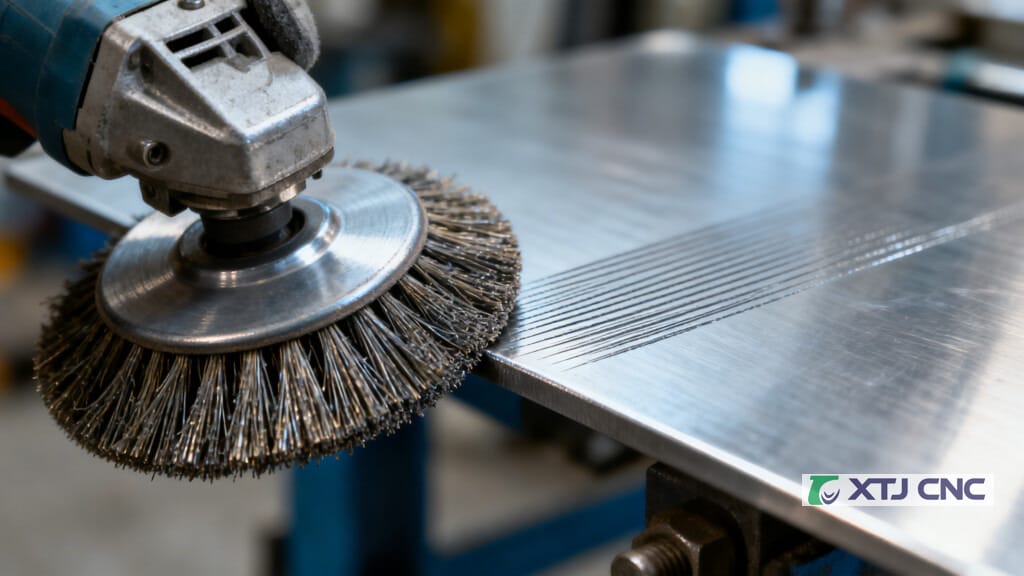
Stainless steel has a visible grain—a directional pattern created during manufacturing. Cleaning with this grain is non-negotiable for a streak-free, scratch-free finish. Wiping across or against the grain creates micro-scratches that trap moisture, grease, and bacteria, leading to corrosion over time.
Always Wipe With the Grain
Before you start cleaning, identify the grain by looking at the surface under light. It usually runs the length of the table. Use straight, long strokes in the direction of the grain with a soft cloth or sponge. This technique preserves the polished surface, reduces smearing, and ensures a uniform appearance after drying. Skipping this step is the most common cause of dull, streaky finishes.
Use Proper Lighting to Identify Grain
If the grain isn’t obvious, shine a flashlight at a low angle across the surface. The shadows will reveal the pattern. On brushed stainless steel, the grain appears as fine parallel lines. On polished finishes, it may be less visible but still present. Always test your wiping direction on a small edge or underside first to confirm you’re moving correctly.
Avoid Harmful Cleaners
Certain products destroy the passive anti-corrosive layer that protects stainless steel. Using these once may not ruin your table, but repeated exposure will cause permanent damage.
Never Use Bleach or Chlorine
Bleach and chlorine-based cleaners destroy the passive anti-corrosive layer that protects stainless steel. Even diluted bleach can cause pitting and microscopic cracks, which lead to rust and bacterial buildup. While some users report using bleach in institutional settings without immediate damage, experts agree it compromises long-term integrity.
If sanitation is required, use a hospital-grade, non-bleach disinfectant instead. Isopropyl alcohol (70% or higher) is also a safe, effective option for disinfecting food-contact surfaces.
Skip Acidic and Abrasive Cleaners
Acidic cleaners like vinegar or lemon juice can be used sparingly for polishing but should never be left to sit. Prolonged exposure eats away at the finish. Never use oven cleaners containing strong acids or hydrofluoric acid—these cause irreversible damage.
Avoid harsh abrasives like steel wool (except 0000 grade for spot restoration) and metal scrapers. They leave deep scratches that trap contaminants. Instead, opt for non-scratch pads and approved chemical solutions.
Use the Right Cleaning Agents

Not all cleaners are created equal for stainless steel. Some are too harsh, others too weak. These products deliver results without damaging your table.
Barkeeper’s Friend for Tough Stains
Barkeeper’s Friend (BKF), especially the powdered version, is the gold standard for stainless steel cleaning. Its active ingredient, oxalic acid, safely dissolves rust, hard water deposits, and discoloration without scratching when used correctly. Mix BKF with water to form a thick paste, apply with a green Scotch-Brite pad, and scrub gently with the grain. Rinse thoroughly with filtered water and dry immediately.
Baking Soda and Dish Soap for Daily Use
For routine cleaning, mix baking soda with a few drops of mild dish soap (like Dawn) and warm water. This gentle abrasive removes light grease and grime without harming the surface. Apply with a microfiber cloth or soft sponge, wipe with the grain, then rinse and dry.
This method is safe, affordable, and perfect for daily maintenance in kitchens or workspaces.
Vinegar and Alcohol for Polishing
White vinegar works well for light cleaning and shine enhancement. Spray diluted vinegar (1:1 with water) on the surface and wipe with a lint-free cloth. Follow with a dry pass to prevent spotting.
Isopropyl alcohol (70–90%) is excellent for disinfecting and removing fingerprints or smudges. It evaporates quickly and leaves no residue. Use it as a final polish step after deep cleaning.
Clean Based on Soil Level
Different levels of dirt require different approaches. Here’s how to match your cleaning method to the mess.
Daily Maintenance Routine
For light use, clean your stainless steel table daily to prevent buildup. Dampen a microfiber cloth with warm water and a drop of dish soap. Wipe the entire surface following the grain. Rinse with a clean, water-dampened cloth. Dry immediately with a 100% cotton or lint-free towel. Optionally, apply a food-safe stainless steel polish to repel fingerprints.
This 2-minute routine keeps the table hygienic and shiny. Skipping daily wipe-downs leads to stubborn grease accumulation that’s harder to remove later.
Heavy Grease Removal Process
For caked-on oil or kitchen grime, start by scraping thick residue with a plastic scraper. Apply full-strength Simple Green, Greased Lightning, or a low-temp oven cleaner and let it dwell for 5–10 minutes. Scrub gently using a green non-metallic scrub pad or stainless coil scrubber, working in straight lines with the grain. Rinse twice to remove all cleaner residue with warm water. Clean with dish soap and water to neutralize any leftover chemicals. Dry completely with a dry microfiber cloth.
For extreme cases, a grill brick with carbonated water and Dawn can break down carbonized grease.
Restore Rusty or Neglected Tables
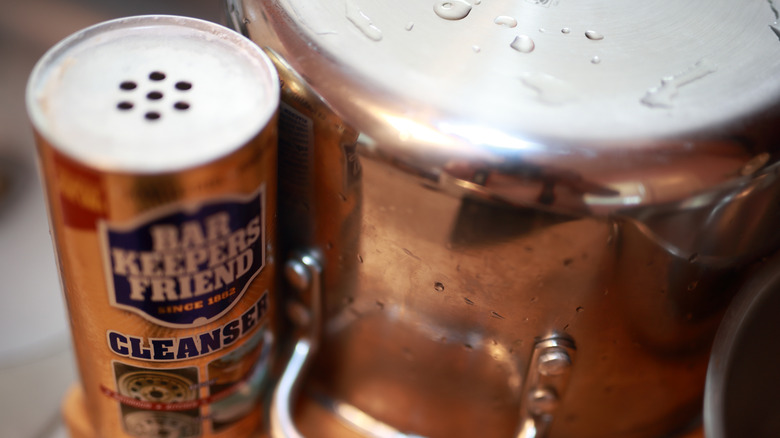
If your table has rust or years of buildup, test BKF first on a small, hidden area. Apply BKF paste covering stained areas with a thick layer. Scrub with grain using a stiff sponge or green pad, adding pressure for rust spots. Rinse thoroughly using filtered or distilled water to avoid mineral deposits. Dry immediately to prevent new rust from forming. Apply stainless steel polish to protect the restored surface.
For deep rust, gently use 0000 steel wool only on affected spots. Never use it on the entire surface.
Dry and Protect After Cleaning
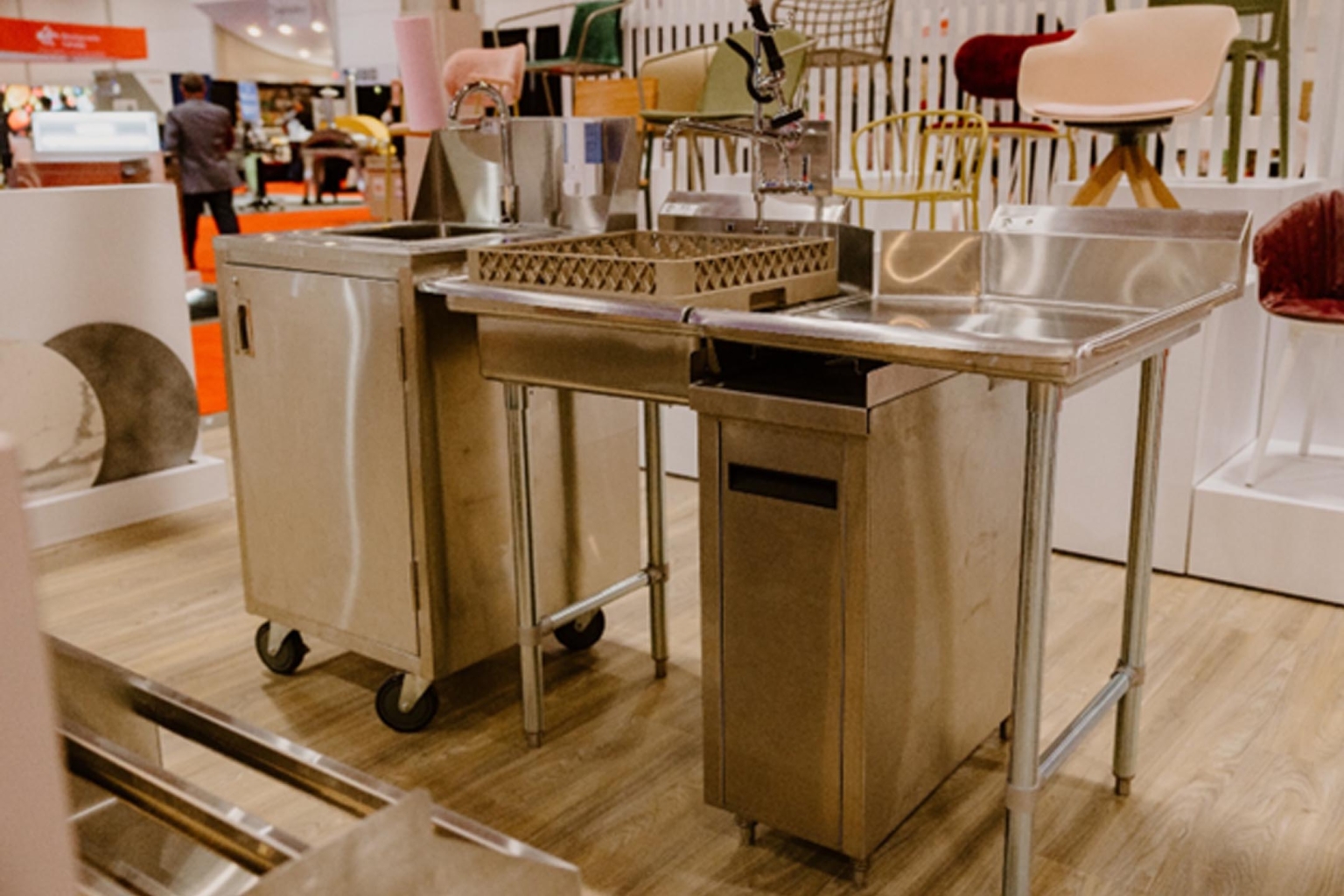
Leaving water on stainless steel is one of the biggest mistakes you can make. Tap water contains minerals that form hard water spots, which can evolve into rust pits.
Always Dry Immediately
After every wash, dry the surface completely with a clean, lint-free cloth. Microfiber or 100% cotton bar mops work best. Use a hairdryer on a cool setting for hard-to-reach corners or outdoor tables in humid conditions.
Apply Protective Polish
After deep cleaning, apply a food-safe stainless steel polish. This creates a thin barrier that repels fingerprints, smudges, and moisture. It also enhances shine and makes future cleaning easier. Reapply polish weekly in high-use areas or monthly for occasional use.
Handle Special Components Carefully
Stainless steel tables often have faucets, sprayers, or other attachments that need special care.
Clean Faucets and Sprayers Safely
If your table has a faucet, identify the material first. Stainless steel vs. chrome-plated matters. BKF is safe for stainless but can dull polished chrome. Soak parts using PBW (Powdered Brewery Wash) for soaking nozzles and aerators—it’s non-abrasive and effective. Wipe gently using a soft cloth with mild soap. Avoid soaking plastic tubing, which degrades over time. Replace worn parts like cracked hoses or leaking seals rather than cleaning them.
Remove Adhesive Residue Without Damage
To remove old decals or contact paper, heat the adhesive using a hairdryer or heat gun on low to soften the glue. Peel slowly lifting the paper as it warms. Clean residue by applying Goo Gone or a citrus-based adhesive remover. Wash thoroughly using BKF or baking soda to remove any chemical traces.
Prevent Long-Term Damage

The best way to clean a stainless steel table is to prevent damage before it happens. These habits extend the life of your table.
Inspect for Early Warning Signs
Check your table weekly for light rust spots, scratches or dents, water pooling areas, and loose casters or damaged legs. Early detection allows for simple fixes before major restoration is needed.
Use Proper Tools Only
Approved tools include microfiber cloths, green Scotch-Brite pads, plastic scrapers, soft-bristle brushes, and non-metallic coil scrubbers. Avoid steel wool (except 0000 grade), metal brushes, and abrasive pads that leave visible marks.
Keep Outdoor Tables Covered
Outdoor stainless steel tables face weather, pollen, and temperature swings. Protect them with a waterproof cover when not in use. Clean monthly with glass cleaner and a used Magic Eraser for surface grime. For deeper cleaning, follow the full BKF method.
Frequently Asked Questions About Cleaning Stainless Steel Tables
Can I use vinegar to clean my stainless steel table?
Yes, white vinegar works well for light cleaning and shine enhancement. Spray diluted vinegar (1:1 with water) on the surface and wipe with a lint-free cloth. Follow with a dry pass to prevent spotting. However, never leave vinegar sitting on the surface for prolonged periods as it can damage the finish.
How do I remove rust stains from a stainless steel table?
Barkeeper’s Friend is the most effective solution for rust removal. Apply the powdered form as a thick paste, scrub gently with the grain using a green Scotch-Brite pad, rinse thoroughly with filtered water, and dry immediately. For stubborn spots, fine-grade (0000) steel wool may be used cautiously on affected areas only.
Why does my stainless steel table look streaked after cleaning?
Streaks typically occur when you wipe against the grain instead of with it. Always identify the grain direction first by looking at the surface under light, then use straight, long strokes in that direction. Using the wrong cleaning solution or leaving moisture on the surface can also cause streaking.
Can I use bleach on a stainless steel table?
No. Bleach and chlorine-based cleaners destroy the passive anti-corrosive layer that protects stainless steel. Even diluted bleach causes pitting and microscopic cracks that lead to rust. Use hospital-grade non-bleach disinfectants or isopropyl alcohol (70% or higher) for sanitizing instead.
How often should I clean my stainless steel table?
For daily maintenance in kitchens or high-use areas, clean the table daily to prevent grease buildup. For occasional use or outdoor tables, clean monthly or as needed. Always dry immediately after cleaning and apply protective polish weekly in high-use areas.
Key Takeaways for Cleaning Your Stainless Steel Table
Cleaning a stainless steel table properly isn’t complicated—but it does require discipline. Always wipe with the grain, never use bleach or harsh abrasives, and dry the surface immediately after every wash. Use Barkeeper’s Friend for tough stains and rust, baking soda with dish soap for daily maintenance, and apply a protective polish regularly to repel fingerprints and moisture.
For stubborn grease, use a commercial degreaser like Simple Green and allow proper dwell time before scrubbing. Address rust spots immediately using BKF or fine-grade steel wool, and cover outdoor tables when not in use to prevent weather damage.
With consistent care using the right techniques and products, your stainless steel table will stay corrosion-free, hygienic, and visually sharp for decades.