How to Store Table Linens
Nothing ruins the elegance of a beautifully set table faster than a wrinkled, musty, or stained tablecloth. Whether you’re storing everyday cotton napkins or heirloom lace tablecloths passed down through generations, proper storage is essential to preserve their quality, color, and longevity. Improper storage leads to yellowing, mildew, permanent creases, and even pest damage issues that cannot always be reversed.
In this guide, you’ll learn how to store table linens the right way, from cleaning and drying to choosing the best storage method for your space and fabric type. You’ll discover pro tips for preventing creases, protecting delicate fabrics, and keeping everything organized so you can easily find what you need for every occasion.
Clean Linens Thoroughly Before Storing
Always wash linens before storing. Never tuck away soiled or stained pieces, as food residue, oils, and spills attract pests like silverfish and moths. Over time, stains can oxidize and become permanent, even on linens that look clean.
Remove All Stains Completely
Wash according to care labels using a gentle detergent for delicate fabrics. For stubborn stains, treat them immediately and rewash if needed. Even invisible residues can degrade fabric fibers over time.
Ensure Linens Are Completely Dry
Moisture is the enemy of fabric. Storing linens while damp invites mold and mildew, which leave discoloration and musty odors that are nearly impossible to remove. After washing, ensure linens are 100% dry before folding or rolling. Air-dry in sunlight if possible, but avoid prolonged UV exposure. Never store linens directly from the dryer if they are still warm.
Press Linens to Prevent Permanent Creases
Wrinkles left unattended can turn into permanent creases during long-term storage. Ironing or steaming linens before storing keeps them crisp and prevents deep-set folds that damage fibers.
Iron or Steam Before Storage
This step is especially important for cotton, linen, and blends, which hold creases more easily. For delicate fabrics like silk or lace, use a low-heat setting or steam gently to avoid scorching.
Create Soft Fold Lines
If you plan to fold linens, press them with a soft fold in mind. Instead of sharp creases, fold napkins in half just once to create a soft crease that is less likely to damage fibers. For tablecloths, fold along natural seams or edges to minimize stress on the fabric.
Choose the Ideal Storage Environment
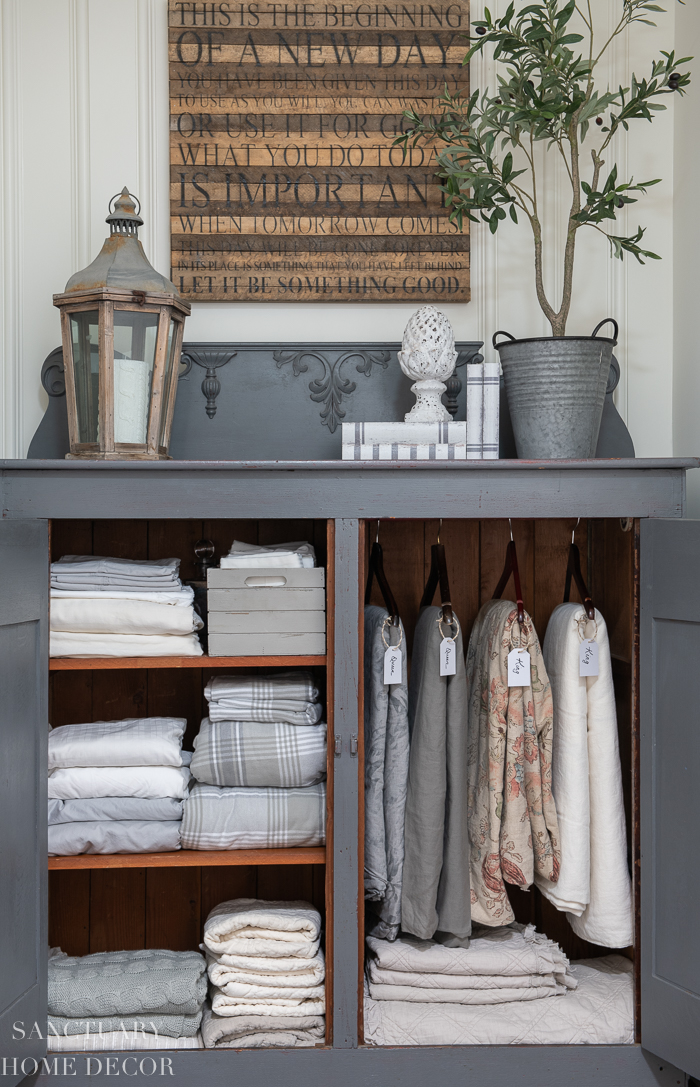
The ideal storage space is cool, dry, and free from direct sunlight. Avoid attics, basements, and garages, as these areas are prone to temperature swings and humidity that can damage fibers.
Keep It Cool, Dry, and Dark
UV rays from sunlight cause fading, especially in white or brightly colored linens. Opt for interior closets, pantries, or bedroom cabinets where conditions are stable and airflow is consistent.
Prevent Pest Infestations
Natural fibers like cotton, linen, and silk are food sources for moths and silverfish. Protect your linens by storing them in clean, sealed-but-breathable containers. Avoid cedar chips or mothballs, which can leave odors or damage delicate fabrics. Instead, use lavender sachets or silica gel packets to deter pests and absorb excess moisture.
Roll Linens for Wrinkle-Free Storage

Rolling is one of the best ways to prevent creases, especially for long tablecloths, runners, and delicate fabrics. This method avoids the hard crease lines that form from folding.
Use Tubes or Dowels
Lay the linen flat, smooth out wrinkles, and roll it tightly around a core. Use cardboard tubes from wrapping paper or paper towels, PVC pipes, or wooden dowels. For table runners, roll from the center outward to ensure even distribution and easy unfolding.
Store Rolled Linens Vertically
Keep rolled linens standing upright in a closet, cabinet, or under-bed bin. Vertical storage saves space and allows you to see each piece at a glance. Label the ends of tubes with the linen type or occasion for quick identification.
Fold Linens Without Damaging Fibers
Folding is space-efficient but can create permanent crease lines if not done carefully. Use protective materials between folds to shield delicate linens.
Use Acid-Free Tissue Paper
Place acid-free tissue paper between folds to prevent fibers from pressing into each other. This also shields delicate linens from chemical exposure that causes yellowing over time. Avoid regular tissue paper, which contains acids.
Apply the Board and Ribbon Method
For a decorative and functional folding system, place folded linens on a stiff board and tie them with a ribbon. Stack these bundles in a drawer or shelf so the pattern faces outward. This allows you to see and mix-and-match linens easily.
Use the File Folder System for Napkins
For napkins, fold them in half and roll them slightly so they stand on edge like file folders. Arrange them in a drawer by color, size, or occasion. This method keeps every napkin visible and accessible without disturbing the stack.
Hang Linens for Easy Access
Hanging is ideal for wrinkle-prone or frequently used linens. This method keeps items ready-to-use and eliminates the need for re-ironing before special occasions.
Use Padded Hangers
Use padded or non-slip hangers to prevent stretching and slippage. Fold the tablecloth in half lengthwise and drape it evenly over the hanger. Never hang multiple linens on one hanger, as overloading causes creasing and fabric stress.
Maximize Closet Space
Install a second rod or use over-the-door hanging organizers with clips to store multiple linens vertically. This method works well for dry-cleaned pieces or seasonal decor you want to keep ready-to-use.
Select the Right Storage Containers

The material of your container affects airflow and chemical interaction with the fabric. Choose containers that protect while allowing breathability.
Choose Breathable Fabric Bags
Cotton, linen, or canvas storage bags allow airflow while protecting against dust and pests. They are ideal for long-term storage of everyday or heirloom linens. Avoid plastic bags unless used temporarily, as non-breathable materials trap moisture and encourage mildew.
Opt for Acid-Free Archival Boxes
For vintage, embroidered, or high-value linens, use acid-free archival boxes. These prevent yellowing and fiber degradation caused by acidic materials. Wrap each piece in acid-free tissue paper before placing it in the box. Store boxes off the floor and away from walls to maintain airflow.
Use Plastic Bins Carefully
Plastic bins are convenient for casual linens but must be used properly. Ensure linens are completely dry before storage, and choose bins with ventilation holes or include silica gel packets. Transparent bins let you see contents without opening, reducing dust exposure.
Organize Linens by Category
Effective organization relies on a logical system that ensures visibility and accessibility. The guiding principle is: if you cannot see it, you forget it exists.
Sort by Color and Occasion
Group linens by color or occasion. This makes it easy to coordinate table settings and prevents forgotten pieces. Use labeled bins or drawers to keep categories separate. For example, store Christmas linens in a red bin marked Holiday and summer picnic cloths in a green Outdoor container.
Separate by Fabric Type
Delicate fabrics like lace and silk should be stored separately from sturdy cotton or polyester blends. Heavy items on top can crush delicate fibers. Store heirloom pieces in their own acid-free box or rolled on a dedicated tube to prevent damage.
Protect Delicate and Heirloom Linens

Antique or vintage linens are more fragile due to age and construction. They require extra care to preserve their value and beauty.
Wrap Vintage Pieces Properly
Wrap vintage pieces in cotton muslin or acid-free paper before storing. Avoid folding along old crease lines, and rotate fold points occasionally to prevent stress fractures in the fabric.
Inspect and Air Out Regularly
Every three to six months, take linens out, unfold or unroll them, and air them in a shaded, well-ventilated area. Inspect for signs of pests, mold, or discoloration. This routine keeps fibers fresh and catches problems early.
Maximize Small Storage Spaces

For apartments or homes with limited closet space, creative solutions help you store linens without sacrificing quality.
Use Under-Bed Storage
Under-bed storage containers provide a clutter-free solution. Use rolling bins to access linens easily. Store rolled linens vertically to maximize capacity. Ensure the area is dry and not prone to temperature changes.
Repurpose Shoe Racks
Over-the-door shoe racks can be repurposed to hold folded or rolled linens. Each pocket holds one or two napkins or a small runner. This vertical system keeps items visible and dust-free while using otherwise wasted space.
Keep Linens Fresh Over Time
Proper storage is not a set-it-and-forget-it solution. Ongoing maintenance ensures your linens stay beautiful for years.
Implement the Transfer System
As formal napkins or tablecloths show signs of wear, demote them to casual use. Move stained or slightly damaged pieces to a kitchen drawer for everyday meals or outdoor dining. This extends their life and keeps your best linens reserved for special occasions.
Refresh Before Use
Even well-stored linens can develop a stale odor. Before use, refresh them with a quick wash or light steaming. This ensures they look and smell pristine when set on the table.
Frequently Asked Questions About Storing Table Linens
What is the best way to store table linens long-term?
The best long-term storage method depends on the fabric type. Roll delicate fabrics like lace and silk around cardboard tubes to prevent creases. Fold sturdy cotton and linen with acid-free tissue paper between folds. Store all linens in breathable containers in a cool, dry, dark location away from direct sunlight.
Can you store table linens in plastic bags?
Plastic bags are not recommended for long-term storage because they trap moisture and encourage mildew. If you must use plastic bins, ensure linens are completely dry, choose bins with ventilation holes, and include silica gel packets to absorb excess moisture.
How do you prevent yellowing of white table linens?
Prevent yellowing by storing linens in acid-free containers, avoiding direct sunlight, and ensuring items are completely clean and dry before storage. White linens are particularly susceptible to yellowing from UV exposure and acid degradation from non-archival materials.
How often should you inspect stored linens?
Inspect stored linens every three to six months. Take them out, unfold or unroll them, and air them in a well-ventilated area. Check for signs of pests, mold, or discoloration. Regular inspection catches problems early before they cause permanent damage.
Should you iron table linens before storing them?
Yes, iron or steam linens before storing to prevent permanent creases. Wrinkles left unattended can turn into deep-set folds that are difficult to remove later. This step is especially important for cotton, linen, and blends that hold creases easily.
What is the best storage for heirloom table linens?
Heirloom and vintage linens require the highest level of protection. Store them in acid-free archival boxes, wrapped in acid-free tissue paper. Roll them around cardboard tubes rather than folding to avoid stress on fragile fibers. Keep them separate from everyday linens in a stable, cool, dark environment.
Key Takeaways for Storing Table Linens
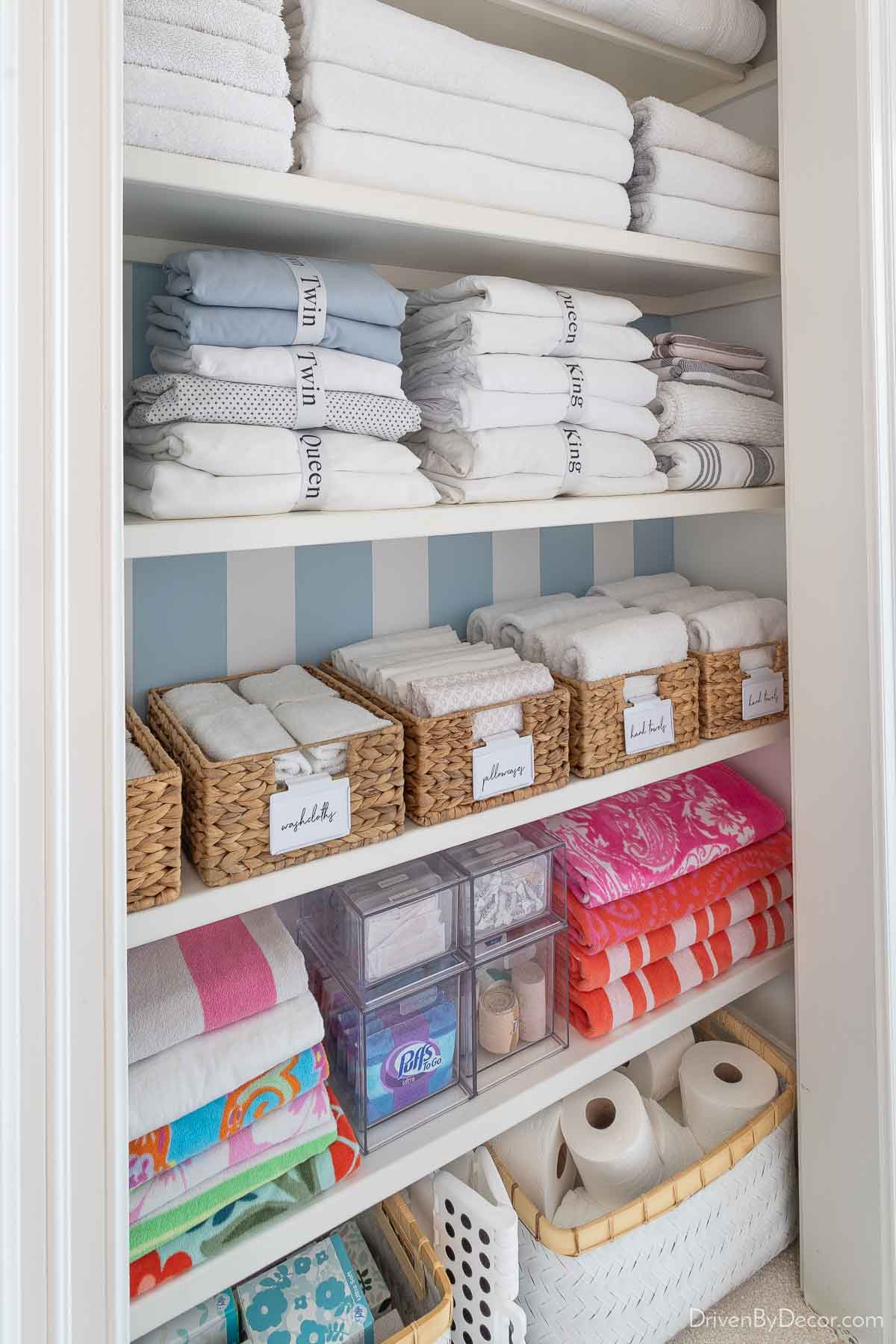
Properly storing table linens is not just about saving space. It is about preserving quality, appearance, and sentimental value. By cleaning thoroughly and ensuring complete dryness before storage, you prevent mold and mildew from damaging fibers. Choosing the right method for each fabric type, whether rolling delicate pieces or folding sturdy cotton, keeps linens wrinkle-free and ready to use. Using breathable, protective containers like cotton bags or acid-free boxes shields fabrics from yellowing and pest damage while maintaining airflow.
Whether you are organizing a single drawer or curating a full linen closet, these proven strategies will help you store table linens like a pro. Remember to inspect and air out your linens every few months, and implement the transfer system to extend the life of your collection. With these practices in place, your linens will stay fresh, elegant, and ready for every occasion, from casual dinners to holiday celebrations.