How to Clean a Table Chair
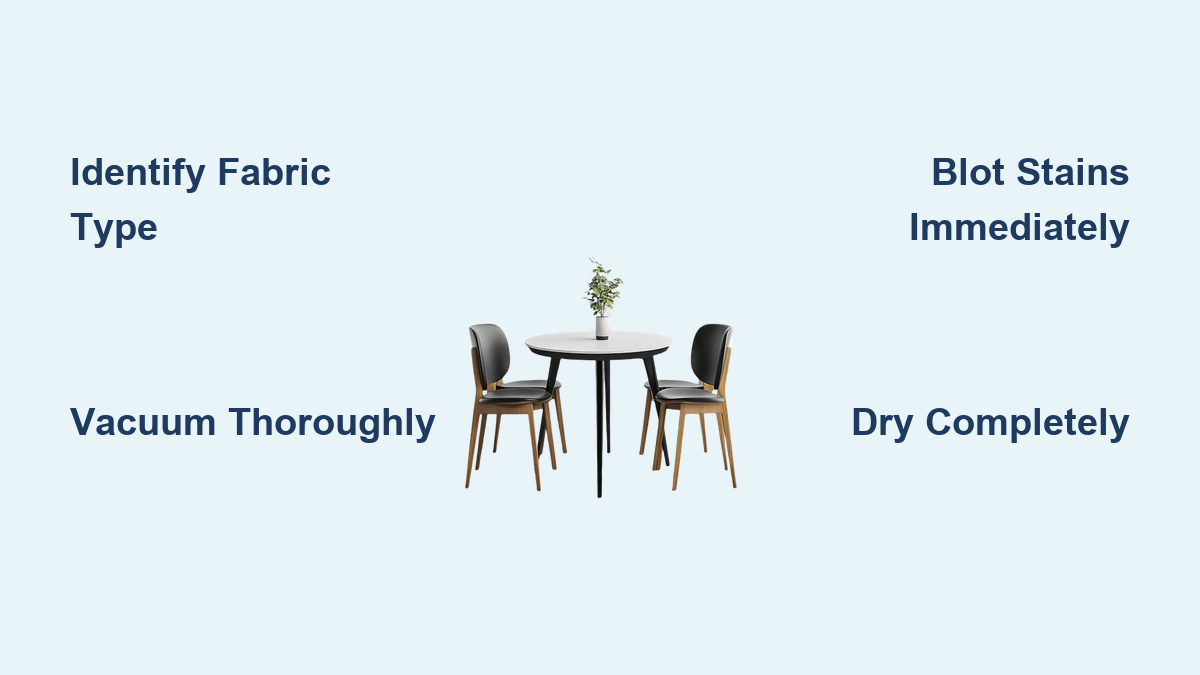
Is your dining room table chair looking dull, stained, or smelling a little off? Whether it is fabric, microfiber, or upholstered, regular cleaning is essential to maintain comfort, hygiene, and appearance. Dust, food spills, pet accidents, and daily wear can leave your chairs grimy and uninviting, especially in high-traffic areas like kitchens and dining rooms. The good news: with the right techniques, you can restore your chairs to like-new condition without reupholstering. This guide walks you through how to clean a table chair safely and effectively, covering fabric identification, spot cleaning, deep cleaning, odor removal, and drying best practices.
Identify Fabric Type First
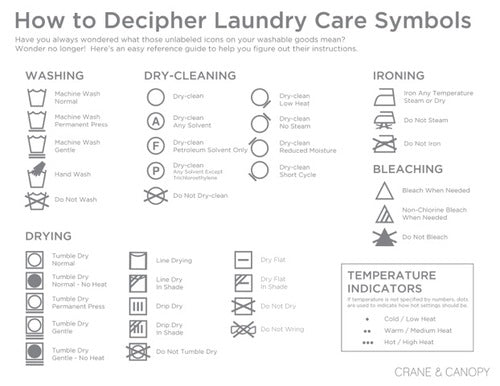
Before wetting any surface, determine what kind of fabric your chair is made of. This step prevents shrinkage, color bleeding, or permanent damage.
Check the Care Label
Flip the cushion or inspect under the seat for a care tag. Labels use codes to indicate safe cleaning methods.
Water-Safe Codes:
– W: Water-based cleaners allowed
– S: Solvent-based cleaners only
– WS: Both water and solvent cleaners safe
– X: Vacuum or dry clean only
If no label exists, assume the fabric is delicate and test any solution first on a hidden area.
Test Cleaning Solutions
Always test on a hidden area like the back or underside before full application. Apply a small amount of cleaner, wait 10 minutes, then blot dry. Check for color fading, texture changes, or residue. Never skip this step, especially on velvet, chenille, or silk blends.
Gather Essential Cleaning Supplies
Having the right tools ensures effective cleaning without damaging fibers.
Basic Supply List
- Vacuum with upholstery attachment
- Microfiber cloths for blotting and wiping
- Soft-bristled brush or toothbrush
- Spray bottle for even solution distribution
- Mild dish soap
- White vinegar
- Baking soda
- Hydrogen peroxide (3%)
Optional items include steam cleaners, enzyme cleaners, and commercial upholstery foam.
Remove Loose Debris Completely
Start every cleaning session with thorough dry prep.
Vacuum All Surfaces
Use the upholstery nozzle to clean the seat surface, backrest, seams, tufts, and creases. Do not forget the underside and legs if accessible. For chairs with removable cushions, vacuum both sides and pay extra attention to corners where crumbs accumulate.
Brush Delicate Fabrics
On velvet or textured upholstery, skip aggressive vacuuming. Instead, gently brush in the direction of the pile using a soft-bristled clothes brush to lift surface dust without damaging fibers.
Spot Clean Stains Immediately
:max_bytes(150000):strip_icc()/GettyImages-1148230668-2000-b697b396fe754adb968ffb36c4e3fbef.jpg)
Quick action prevents stains from setting into the fabric.
Blot Fresh Spills
For wine, coffee, or food spills, follow these steps. First, blot by pressing a dry microfiber cloth firmly into the spill. Do not rub. Second, dilute by lightly dampening a second cloth with water and blotting again. Third, dry by covering with a dry towel and pressing to absorb residual moisture. Remember that rubbing spreads the stain and damages fibers.
Treat Set-In Stains
For dried or stubborn stains, mix 1 teaspoon of dish soap with 1 cup of warm water. Apply the solution to a cloth, not directly to the fabric. Dab gently in circular motions until the stain lifts. Rinse residue with a water-dampened cloth and blot dry thoroughly. For organic stains like blood or urine, try hydrogen peroxide after testing first. For grease, sprinkle baking soda, let sit 15 minutes, then vacuum before cleaning.
Deep Clean with Safe Methods
Choose the right deep-cleaning method based on fabric type and soiling level.
Use Mild Soap for General Soiling
This method works best for weekly maintenance or light grime.
Apply Soap Solution:
– Spray or apply soapy water to a microfiber cloth
– Wipe high-traffic zones including seat center, armrests, and backrest
– Agitate lightly with a soft brush
– Blot dry immediately
Rinse to Prevent Residue:
Leftover soap attracts dirt. Dampen a clean cloth with plain water and blot the area again. Repeat until no slickness remains.
Steam Clean for Sanitization
Steam cleaning is ideal for heavily used dining chairs or post-pet-accident cleaning. It kills 99.9% of germs and loosens embedded dirt without chemicals.
Prepare the Steam Cleaner:
– Fill with distilled water only
– Attach upholstery nozzle or brush tool
Clean in Slow Passes:
– Hold nozzle 1-2 inches from fabric
– Move slowly across the surface
– Use light pressure
Extract Moisture:
If your machine has suction, use it. Otherwise, follow with a dry microfiber cloth to absorb excess moisture.
Combine Steam and Stain Remover
For tough, set-in stains, apply a multi-surface stain remover first. Wait 1 minute to let it penetrate. Gently scrub with a soft brush. Steam over the area to lift residue and sanitize. Finish with a final dry pass.
Eliminate Odors Naturally
:max_bytes(150000):strip_icc()/Baking-soda-and-stain-pre-treating-1901052_color-cdebdc6d60c648ada0099397a0253055.jpg)
Food, sweat, and pets can leave lingering smells in your chairs.
Apply Baking Soda Treatment
This method works best for general odor control.
Sprinkle and Soak:
– Vacuum chair first to remove loose debris
– Generously sprinkle baking soda over all fabric surfaces
– Let sit 30 minutes minimum, or overnight for strong odors
Vacuum Thoroughly:
Use the upholstery attachment to remove every trace. Do not miss crevices or seams.
Alternative Odor Neutralizers
- Activated charcoal in a breathable bag placed near the chair for 24-48 hours
- White vinegar spray (1:1 water to vinegar) misted lightly and air-dried
- Fabric-safe refresher sprays tested in a hidden spot first
Avoid aerosols with alcohol as they can dry out fibers.
Dry Chairs Completely
Rushing this step risks mold, mildew, and structural damage.
Air Dry in a Ventilated Space
Place chairs in a room with open windows, cross-breeze, and low humidity. Avoid direct sunlight as it fades fabric.
Speed Up Drying Time
Use a Fan:
Position a fan to blow across the surface, not directly into crevices. This cuts drying time by up to 50%.
Add a Dehumidifier:
In damp climates, run a dehumidifier nearby to pull moisture from the air and fabric.
Never Use Direct Heat
Avoid hair dryers on high heat, radiators, and space heaters. Heat can shrink or warp fabric and padding.
Protect and Maintain Clean Chairs
Preserve your cleaning work with simple preventative steps.
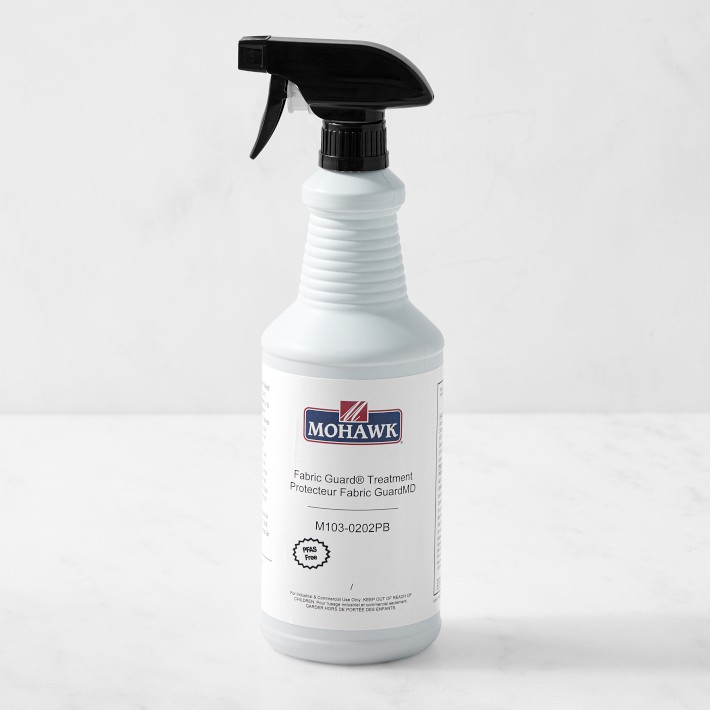
Apply Stain Guard Spray
Once fully dry, hold spray 6-8 inches from fabric. Apply evenly in sweeping motions. Let dry 1-2 hours before use. Reapply every 6 months or after deep cleaning.
Use Chair Covers or Slipcovers
For infrequently used formal chairs, covers prevent dust buildup and block spills during meals. Choose machine-washable, breathable fabrics and wash monthly.
Establish a Cleaning Routine
Weekly: Vacuum seats and crevices, wipe armrests with a damp microfiber cloth.
Monthly: Spot clean visible stains, refresh with fabric spray.
Every 3-6 Months: Deep clean with steam or soap, reapply stain protection.
Avoid Common Cleaning Mistakes
Even small errors can ruin upholstery.
Do Not Over-Wet the Fabric
Too much water causes prolonged drying, mold growth, and watermarks. Always use damp, not soaked, cloths.
Never Rub Stains
Rubbing grinds dirt deeper and frays fibers. Always blot or dab gently.
Skip the Test at Your Own Risk
A 10-second test prevents permanent damage. Always test cleaning solutions on hidden areas first.
Rinse Soap Residue
Leftover suds attract new dirt. Always follow cleaning with a water-only pass.
Do Not Sit on Damp Chairs
Wait until fabric feels completely dry to the touch. Premature use causes stains and fabric distortion.
Special Care for Delicate Fabrics
Velvet, chenille, and textured weaves need extra caution.
Clean Velvet Safely
Use a dry soft brush to lift dust. Avoid liquid unless the care label permits. For stains, blot with a barely damp cloth, never soak. Professional cleaning is recommended for valuable pieces.
Handle Chenille and Knits Gently
These fabrics pill easily. Use only soft cloths and minimal agitation to prevent damage to the weave.
Boost Resale Value with Cleaning
Cleaning pays off when preparing chairs for sale.
Flip Chairs for Profit
One user bought six chairs for $10, cleaned them with steam and stain remover, and sold them for $65. That is a $55 profit in 24 hours.
Skip Reupholstering
In many cases, deep cleaning restores appearance enough for resale. Save time and money by cleaning instead of re-covering.
Follow a Flip Workflow
- Steam clean to remove surface grime
- Identify remaining stains
- Apply stain remover, wait 1 minute
- Gently scrub
- Final steam pass to sanitize and refresh texture
Troubleshoot Persistent Problems
Odors Will Not Go Away?
Try activated charcoal for 24-48 hours. If smell persists, check for mold in padding. Professional cleaning may be needed.
Stain Still Visible?
If DIY methods fail, try an enzyme cleaner for organic stains. Consider professional upholstery cleaning. For water-damaged fabric, replacement may be necessary.
Watermarks After Cleaning?
Watermarks are caused by uneven drying or soap residue. Prevent them by rinsing thoroughly, drying evenly with airflow, and avoiding direct application of cleaner.
Frequently Asked Questions About Cleaning Table Chairs
What is the best way to clean upholstered dining chairs at home?
The best approach starts with vacuuming to remove loose debris, then spot cleaning any stains, followed by either a mild soap wash or steam clean for deep cleaning. Always identify the fabric type first and test any cleaning solution on a hidden area.
How do I remove set-in stains from fabric chairs?
Mix 1 teaspoon of mild dish soap with 1 cup of warm water. Apply to a cloth and dab the stain gently in circular motions. Rinse with a clean, damp cloth and blot dry. For tough organic stains, hydrogen peroxide can be used after testing first.
Can I steam clean my dining chairs?
Yes, steam cleaning is excellent for dining chairs. It sanitizes by killing 99.9% of germs and loosens embedded dirt without chemicals. Use the upholstery attachment, hold the nozzle 1-2 inches from the fabric, and move slowly across the surface.
How do I get odors out of dining chairs?
Sprinkle baking soda generously over all fabric surfaces and let it sit for at least 30 minutes, preferably overnight for strong odors. Vacuum thoroughly to remove all powder. For persistent smells, try activated charcoal for 24-48 hours.
How often should I clean my table chairs?
Vacuum weekly to prevent debris buildup. Spot clean immediately when spills occur. Deep clean with steam or soap every 3-6 months depending on usage. Reapply stain guard spray every 6 months.
Can I clean leather table chairs the same way?
No, leather requires different care. Use leather-specific cleaners and conditioners. Avoid excessive water and harsh chemicals. Test all products on hidden areas first. Professional cleaning is recommended for valuable leather furniture.
Key Takeaways for Cleaning Your Table Chairs
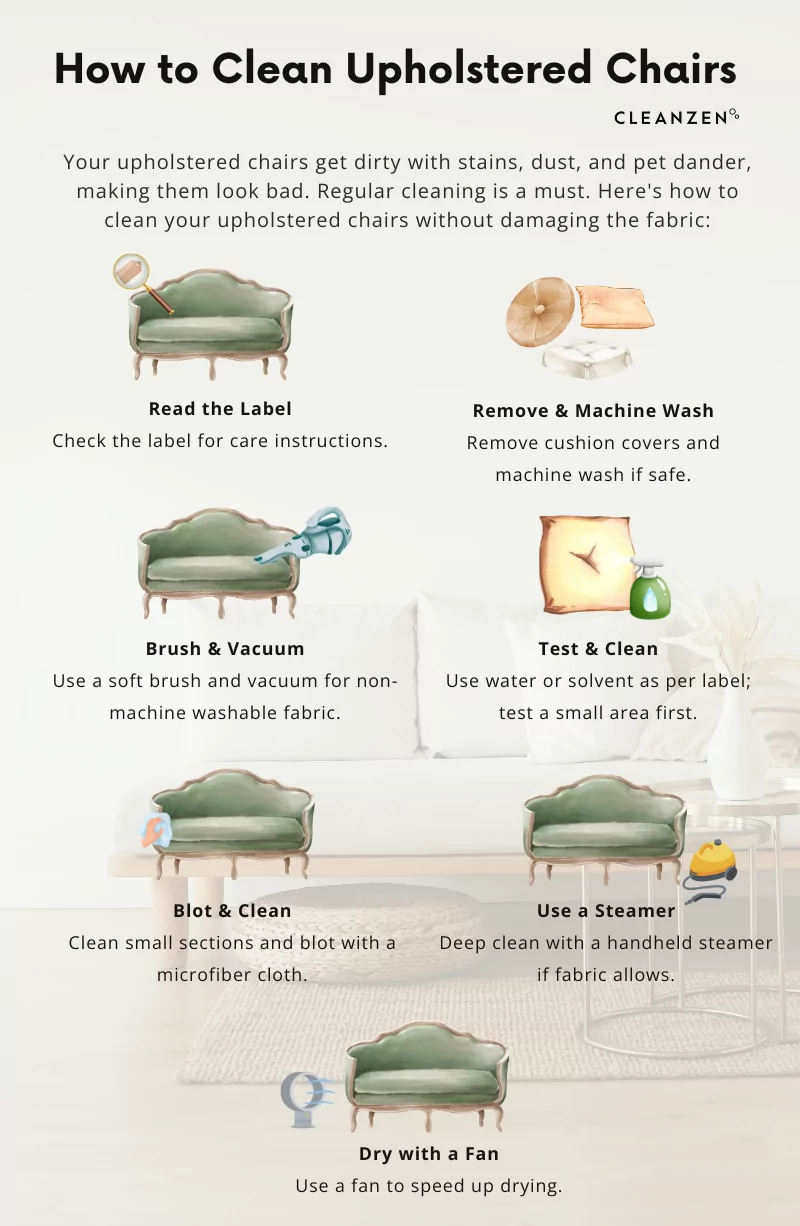
Knowing how to clean a table chair properly keeps your dining space fresh, hygienic, and inviting. By identifying fabric type, using the right tools, and following safe cleaning protocols, you can extend the life of your furniture and avoid costly replacements. Whether you are maintaining everyday chairs or preparing them for resale, consistent care makes all the difference.
Start every cleaning session with thorough vacuuming to remove loose debris. Treat stains immediately by blotting, never rubbing. Choose your deep cleaning method based on fabric type, with steam cleaning offering chemical-free sanitization. Dry completely before use to prevent mold and fabric damage. Finally, protect your work with stain guard spray and establish a regular maintenance schedule. Your chairs will stay cleaner, longer.