How to Choose Coffee Table Size
Choosing the right coffee table size can make or break your living room’s comfort and flow. Too small, and it looks lost and impractical. Too large, and it blocks movement or overwhelms the space. The key is not guesswork. It is proportion, ergonomics, and smart spacing. Whether you are furnishing a cozy apartment or a spacious family lounge, getting the dimensions right ensures your coffee table enhances both style and function. In this guide, you will learn how to measure for the perfect fit, pick the best shape for your layout, and avoid common sizing mistakes.
Apply the Two-Thirds Rule for Proportional Sizing

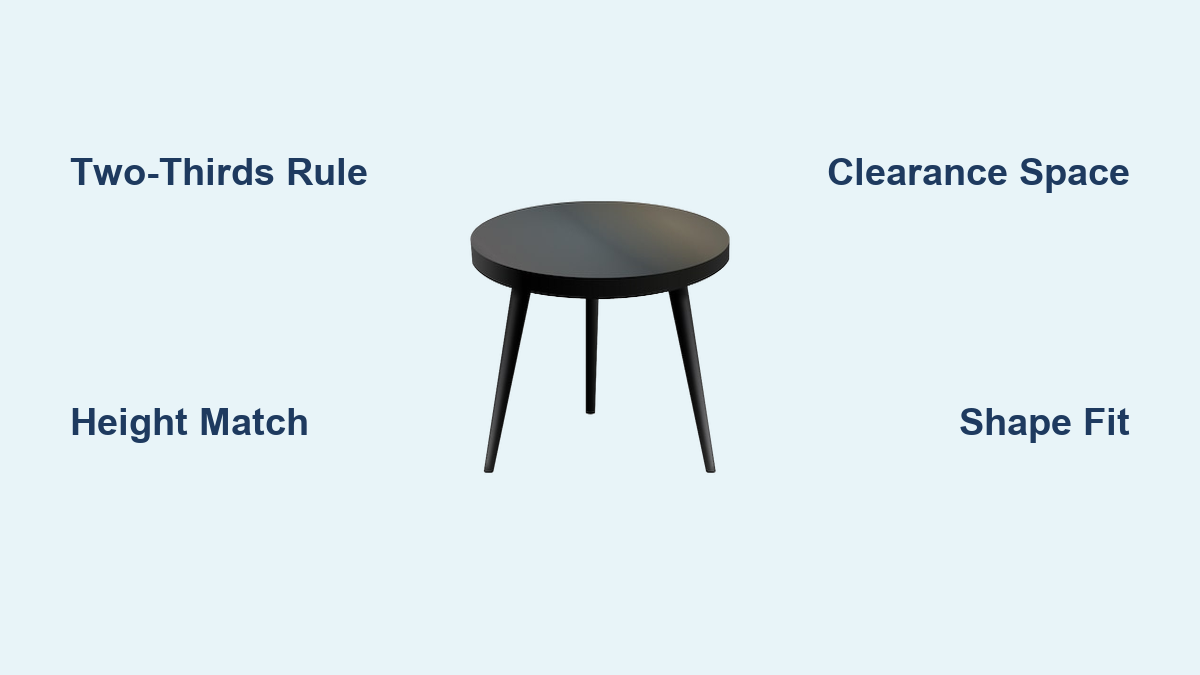
The most reliable method for choosing a coffee table size is the two-thirds rule. This golden ratio ensures your table visually balances the sofa without competing with it.
Match Sofa Length Proportionally
Your coffee table should be 66% to 67% of the sofa’s length. This creates harmony between furniture pieces. For example, a 96-inch sofa pairs perfectly with a 64-inch table. An 84-inch sofa works best with a 56-inch table.
Stay within the safe range. Never go below 50% of the sofa’s length, as the table will appear undersized and disconnected. Conversely, exceeding two-thirds risks making the table feel like a bulky island that dominates the room.
Adjust for Sectionals and Armchairs
With L-shaped sectionals, apply the rule to the main seating section, not the chaise. A table that stretches into the chaise corner should still align with the horizontal seat length. If armchairs flank the sofa, ensure the table width follows the same two-thirds logic relative to the chair width for balanced access.
Set the Right Height for Comfortable Use

Height affects how comfortable your coffee table feels when reaching for drinks, resting feet, or playing games. Getting this wrong leads to constant frustration.
Follow the Seat-Level Rule
The ideal coffee table height is level with or 1 to 2 inches below your sofa’s seat cushion. Most sofas sit at 17 to 18 inches, so aim for a table between 16 and 18 inches tall.
Avoid these extremes. More than 3 inches below the seat causes you to hunch to reach items. Higher than the seat disrupts legroom and blocks conversation sightlines. Americans especially prefer the ability to kick back and rest feet on the table, which requires the surface to be at or slightly below knee level when seated.
Adapt Height for Special Use Cases
Some situations call for exceptions. For dining or gaming, choose an 18 to 20 inch table to reduce strain while eating or playing. For formal or antique styles, taller tables (20+ inches) may work if used decoratively, especially with high-back seating. To balance a taller table, pair it with a sofa that has higher backs.
Maintain Proper Clearance Around the Table

Even the perfectly sized table can ruin a room’s flow if placed incorrectly. Spacing is just as critical as dimensions.
Space Between Sofa and Table
Leave 14 to 18 inches between the front edge of the sofa and the coffee table. This allows easy leg extension when seated and comfortable reach for remotes or drinks. Less than 14 inches feels cramped. More than 18 inches forces awkward leaning. In larger rooms, you can place the coffee table farther back as a display piece and use side tables for daily functionality.
Ensure Walkway Access
Keep 30 to 36 inches of clearance around all other sides of the table. This guarantees smooth foot traffic, especially in high-use areas like hallways or between the table and TV stand. Ignoring this rule turns your living room into an obstacle course.
Calculate Maximum Width Quickly
To determine the maximum table width for your space, follow these steps. First, measure from the sofa front to the opposite wall or furniture. Second, subtract 42 inches (18 inches for legroom plus 24 inches for walkway). The result is your safe width limit. For example, a 10-foot (120-inch) deep room equals 120 minus 42, which gives you 78 inches max usable depth.
Pick the Best Shape for Your Space and Lifestyle

Shape influences safety, traffic flow, and visual appeal. The right choice depends on your room layout and how you live.
Choose Rectangular for Long Sofas
Rectangular tables are best for 3-seater and 4-seater sofas, sectionals, and narrow rooms. They offer maximum usable surface and align naturally with straight seating. They are ideal when you need space for drinks, books, or remotes. Many come with drawers or lift-tops for storage and dining. Pair rectangular with oval tables if you want similar length but softer edges.
Go Square for Sectionals and Conversation Areas
Square tables work best for L-shaped or U-shaped sectionals and conversational seating groups. A 40 to 48 inch square table fits neatly into the L corner of a sectional, giving equal access from multiple seats. It creates a grounded, symmetrical focal point. Avoid undersized squares (under 36 inches) with big sofas. They look out of scale and fail to serve the seating group.
Use Round in Small Rooms and Tight Layouts
Round tables work best in studios, compact living rooms, and homes with kids. A 30 to 48 inch diameter table opens up tight spaces and prevents a blocked feel. They eliminate sharp corners, improving safety and flow. Round tables also contrast beautifully with rectangular sofas, adding visual softness. They are great for apartments where people walk through the living area.
Try Oval in High-Traffic Family Zones
Oval tables combine the length of a rectangle with the safety of a round table. They work best in homes with children and busy households. The curved ends prevent bumping and support smooth movement. They often feature slender legs, making them feel light and airy. Perfect for modern or family-friendly interiors where both style and safety matter.
Consider Nesting Tables for Flexibility
Instead of one large table, use two or three nesting tables. This works best in small spaces, multi-functional rooms, and for entertaining. Pull them apart to serve different seating areas or guests. Nest them together to save space when not in use. This approach is ideal for studio apartments or homes where the living room doubles as a workspace.
Match Size to Room and Function

Your coffee table should reflect not just your sofa, but your room size and how you actually use the space.
Scale by Room Size
Room size directly impacts what table dimensions work best. For small rooms (100 to 150 square feet), stick to 36 by 24 inches and choose round or small rectangle shapes. For medium rooms (150 to 250 square feet), a 48 by 28 inch rectangle or square works well. For large rooms (250+ square feet), go with 60 by 36 inches or oversized options. In small rooms, prioritize flow over surface area. In large rooms, go bigger to avoid a floating look.
Align with How You Use the Table
Your primary use matters as much as dimensions. For drinks only, a 36 to 48 inch long table at 16 to 18 inches tall works perfectly. For dining on the sofa, choose 48 to 60 inches long at 18 to 20 inches to prevent spills and hunching. For decor display, a 40 to 52 inch table at 16 to 17 inches (low profile) showcases items without blocking views. For board games, a 36 to 40 inch square at 18 inches provides centralized access for multiple players. For storage needs, 48 to 56 inches at 18 to 20 inches accommodates shelves and drawers.
Select the Right Material for Your Lifestyle
The material impacts durability, safety, and style. Choose based on your household needs.
Wood for Warmth and Versatility
Wood adds natural texture and works in traditional, rustic, or modern spaces. Solid wood is durable, but avoid matching it exactly to your floor. This can look monotonous. Instead, contrast with stone, metal, or glass. Use coasters to prevent rings and scratches.
Metal for Modern Edge
Metal tables (steel, iron, brass) bring an industrial or minimalist vibe. They are often paired with wood or glass tops. They add structure without bulk. Great for anchoring leggy furniture. Lightweight aluminum versions are easy to move.
Marble and Stone for Luxury
Marble, travertine, or granite tables make a bold, elegant statement. They are heavy, so they ground light furniture. The downside is that marble is porous. Seal it annually to prevent stains from drinks or oils.
Glass for Openness
Glass tables create an airy, uncluttered look, ideal for small spaces. But avoid them with kids or pets. They can shatter, causing injury. Safer alternatives include Lucite (acrylic). It is transparent like glass but shatter-resistant and lightweight.
Upholstered Ottomans for Comfort
Ottomans in fabric, leather, or tufted finishes double as footrests, extra seating, or soft surfaces. Always place a tray on top to stabilize drinks and decor. This prevents sinking and spills. Ideal for those who frequently rest feet on the table.
Mix Materials for Visual Interest
Combine marble and wood, metal and glass, or stone and Lucite to add depth. Balance heavy tops with slender legs to avoid visual bulk. For example, a black marble top on brass legs feels luxe but light.
Balance Visual Weight in Your Space
A coffee table should feel like part of the room’s design, not an afterthought.
Match Leg Style to Sofa Type
If your sofa has thin legs, choose a solid or chunky-legged table to ground the space. If your sofa has no legs (block style), pick a table with slender, elevated legs to prevent heaviness. If you have leggy furniture, a low solid table (like a trunk or ottoman) adds stability.
Create Cohesion Without Matching Exactly
Your coffee table does not need to exactly match your end tables. Instead, echo materials or tones. Both can be in walnut or oak. Metal finishes can match in brass or black. One wood and one metal works when unified by color or shape. Too much matchy-matchy feels staged. A little contrast adds character.
Avoid Common Sizing Mistakes
Even small errors can ruin the look and function of your living room.
Do Not Under-Scale the Table
A 24 by 24 inch table with an 8-foot sofa looks silly and undersized. It fails to serve the seating group and breaks visual balance. When in doubt, go slightly larger. It is better than too small.
Do Not Block Walkways
Ignoring the 30 to 36 inch walkway rule turns your living room into an obstacle course. Always measure clearance before buying.
Never Mismatch Height
A 24-inch tall table with an 18-inch sofa forces people to raise their arms awkwardly. It also blocks eye contact during conversation. Stick to the plus or minus 1 inch rule for seat-level alignment.
Optimize for Kids and Pets
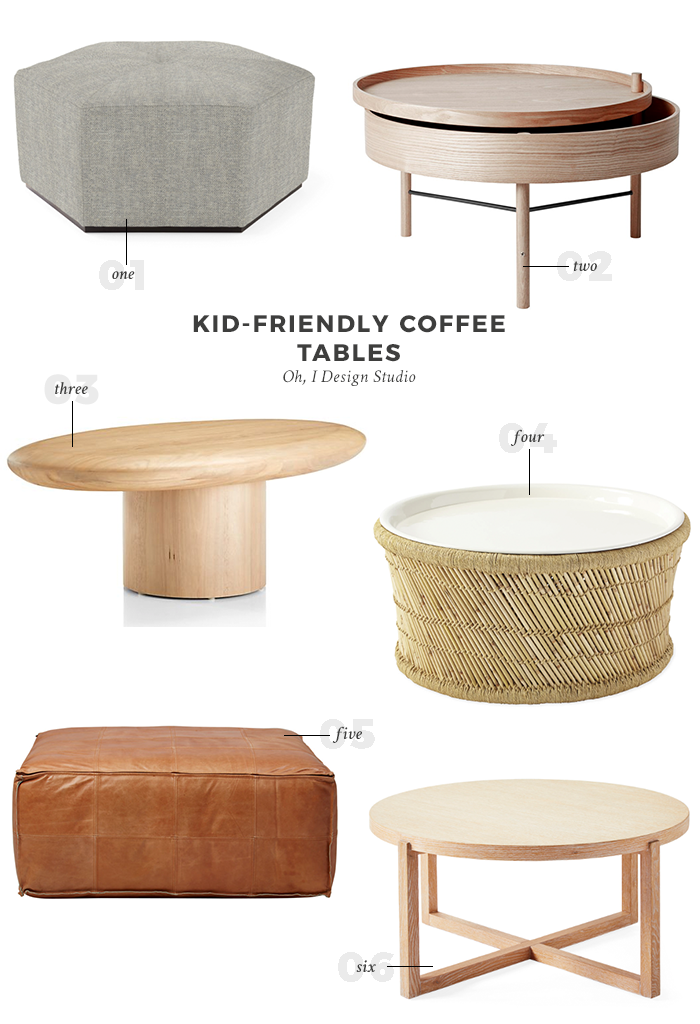
Safety and durability should guide your choice in active households.
Prioritize Rounded Edges
Choose round, oval, or kidney-shaped tables to eliminate sharp corners. This prevents injuries when kids run or play.
Skip Glass Tops
Despite their sleek look, glass tables are risky with children and pets. Opt for wood, upholstered ottomans, or Lucite instead.
Check Stability
Ensure the table will not tip if leaned on. Low-center-of-gravity designs (like trunks or solid wood) are safest.
Outdoor Coffee Table Sizing Tips
Patios and decks follow the same rules, but with weather in mind.
Stick to the Two-Thirds Rule
Outdoor sofas vary in size, but proportion still matters. Measure your lounge set and apply the 66% length rule.
Choose Weather-Resistant Materials
Use teak, powder-coated metal, stone, or all-weather wicker. These withstand sun, rain, and temperature changes.
Favor Dining-Friendly Heights
Outdoor tables are often used for meals. An 18 to 20 inch height makes eating more comfortable than standard 16-inch indoor tables.
Maximize Storage with Smart Features
If you hate clutter, build in storage from the start.
Look for Functional Features
Drawers store remotes, chargers, and cords. Shelves hold books, baskets, or games. Lift-top mechanisms reveal hidden compartments for blankets or tech. Trunks or chests double as seating and storage, ideal for family rooms.
Style Storage Wisely
Use baskets or bins on open shelves to organize items neatly. Keep frequently used things within easy reach.
Final Checklist Before Buying
Use this quick reference before making your purchase. First, measure sofa length and ensure the table is 50 to 67% of it. Second, check seat height and confirm the table is within 1 inch above or 3 inches below. Third, verify clearance of 14 to 18 inches to sofa and 30 to 36 inches for walkways. Fourth, consider lifestyle factors: kids, pets, storage needs, or dining habits. Fifth, review visual balance. Does leg style and material complement the sofa? Sixth, test the shape in your mind. Does it fit the flow and layout?
Frequently Asked Questions About Choosing Coffee Table Size
What is the two-thirds rule for coffee tables?
The two-thirds rule states that your coffee table should be approximately 66% to 67% of the length of your sofa. For example, a 96-inch sofa pairs with a 64-inch table. This proportion creates visual harmony and ensures the table serves the seating group properly.
How much clearance should I leave around a coffee table?
Leave 14 to 18 inches between the sofa and coffee table for comfortable reach and legroom. Allow 30 to 36 inches of walkway clearance on all other sides. This prevents a cramped feeling and ensures smooth traffic flow through the room.
What is the ideal coffee table height?
The ideal coffee table height is level with or 1 to 2 inches below your sofa seat cushion. Most sofas sit at 17 to 18 inches, so target a table between 16 and 18 inches tall. Never go more than 3 inches below or 1 inch above the seat height.
Can I use a round coffee table in a large room?
Yes, round tables work in any room size, but they especially benefit small spaces. In large rooms, a round table can create a softer focal point and improve flow. Just ensure the diameter (30 to 48 inches) matches the scale of your seating arrangement.
Should I avoid glass coffee tables with kids?
Yes, glass tables are not recommended for homes with children or pets due to breakage risks and sharp edges. Safer alternatives include wood, upholstered ottomans, or Lucite (acrylic) tables. These materials withstand active households without posing injury risks.
Key Takeaways for Finding Your Perfect Coffee Table Size
The perfect coffee table size is not one-size-fits-all. It is your-size-fits-your-room. By following the two-thirds rule, respecting height and clearance guidelines, and aligning with your lifestyle, you will create a living space that is both beautiful and functional. Remember to measure your sofa first, account for how you use the table daily, and prioritize safety if you have children or pets. Choose a shape that complements your layout, balance visual weight with your existing furniture, and do not skimp on clearance. Take your time with the selection. A well-chosen coffee table anchors your living room for years to come.