How to Choose an End Table: Quick Guide
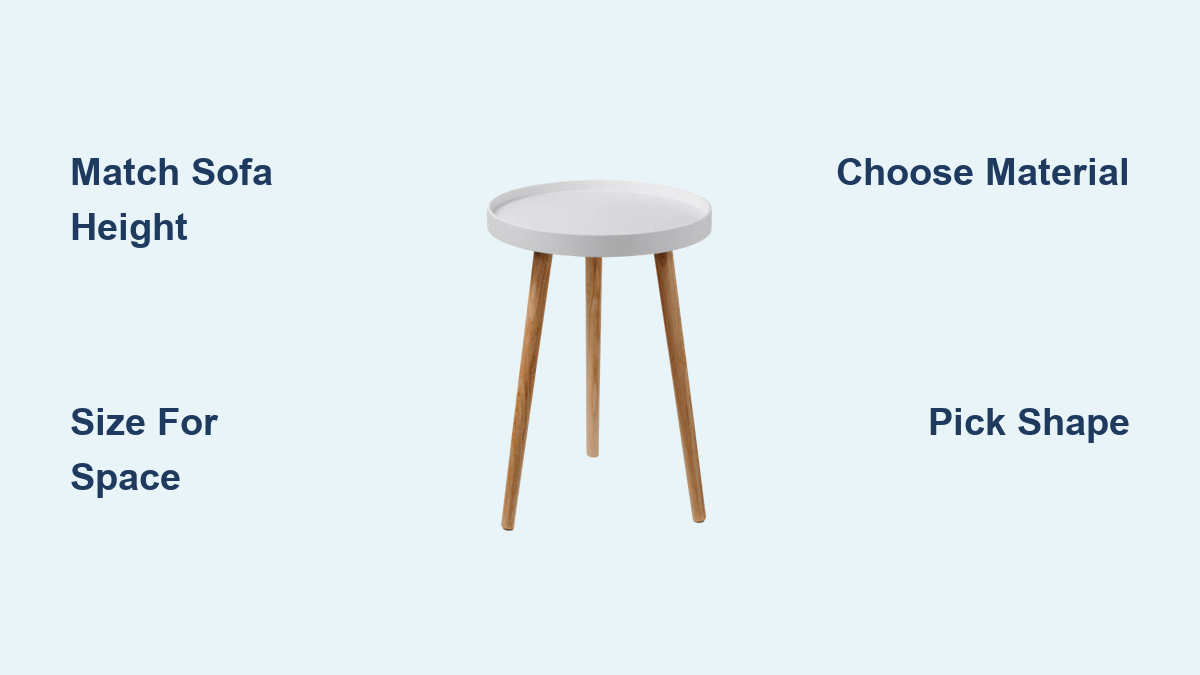
Choosing the right end table isn’t just about finding somewhere to rest your coffee or a lamp. It’s about balancing function, form, and flow in your living space. A poorly chosen end table can make daily tasks awkward, disrupt the visual harmony of a room, or become a clutter magnet that collects random items. But when you choose wisely, the perfect end table enhances comfort, complements your style, and ties your entire furniture layout together seamlessly.
The key lies in moving beyond aesthetics alone. Dimensions, materials, shape, storage needs, and long-term versatility all play critical roles in finding the right fit. Whether you’re furnishing a cozy apartment or styling a spacious living room, a strategic approach ensures your choice feels intentional rather than like an afterthought. In this guide, you’ll learn how to match table height to your sofa, pick the best materials for your lifestyle, use shape to improve safety and style, and avoid common design pitfalls.
Match Height to Your Seating

The height of your end table directly affects usability and visual balance. Get this wrong, and even the most beautiful table will feel off every time you reach for a drink.
Measure Your Sofa Arm First
Before browsing stores or websites, measure your sofa or chair arm from the floor to the top. This number is your target baseline. The ideal end table should sit within 1 to 3 inches below that height, preferably slightly below. For most standard sofas, that means aiming for around 24 inches tall, which is a common sweet spot across furniture lines.
If your seating has lower arms, like a mid-century modern chair, look for tables between 16 and 20 inches. These lower profiles also work well as dual-purpose stools or accent pieces in minimalist spaces. Conversely, if placing a table beside a taller chair or in an entryway, consider heights up to 27 to 30 inches for better proportion.
Respect the Visual Line
Even if ergonomics are perfect, a table that looks off disrupts the room. A drastically shorter table appears undersized, while one taller than the armrest can dominate the space. Modern design trends sometimes favor slightly taller tables, especially in sleek open-concept rooms, to prevent them from visually disappearing beside large furniture. Just ensure the tabletop doesn’t rise more than 4 inches above the armrest unless intentional for style.
Pro Tip: Sit in your seat and mimic reaching for a drink. If you have to lean forward or stretch upward, the table is too low or too high.
Size for Space and Function
Too big, and the table blocks movement. Too small, and it’s useless. Smart sizing balances surface utility with room flow.
Width and Depth Rules
Aim for a minimum 18-inch width or diameter for basic functionality, enough room for a lamp base, book, or drink. However, if you plan to use a table lamp, increase that to at least 22 inches in width or depth to prevent overcrowding and maintain balance.
Never choose a table deeper than your sofa. A protruding table creates a tripping hazard and breaks the clean line of your seating. Keep the table’s depth equal to or less than the sofa’s seat depth for a tucked-in, harmonious look.
Proportion Between Furniture
When placing a table between two pieces, say a loveseat and an accent chair, its width should be 50% to 66% of the adjacent furniture’s width. This prevents the table from looking lost or overwhelming. For example, if your sofa is 72 inches wide, a table between 36 and 48 inches wide fits best.
Leave Room to Move
Allow 2 to 3 inches between the edge of the seat and the table’s side for easy access. For walkways, maintain 18 to 24 inches between the table and nearby walls or other furniture. In tight spaces, opt for nesting tables or slim-profile designs to preserve clearance without sacrificing utility.
Pick the Right Material
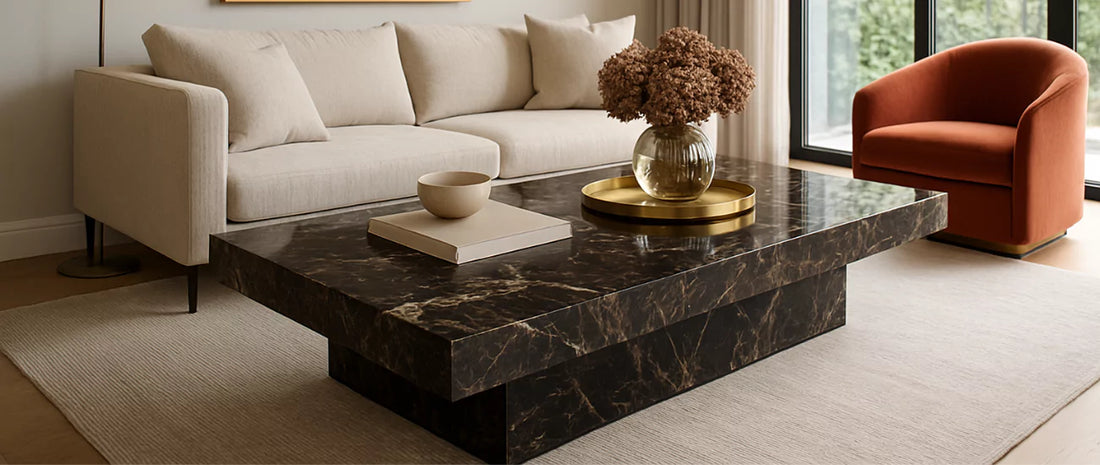
Your lifestyle and design goals should guide material choice. Each brings unique benefits in durability, maintenance, and aesthetic impact.
Hard Surfaces for Drinks
Materials like glass, stone, ceramic, and terrazzo are ideal if you regularly place drinks on the table. They resist water rings and don’t require coasters. Smoked glass adds modern elegance. Marble or malachite brings luxury. Concrete offers industrial edge.
Wood for Warmth
Wood, whether oak, walnut, or reclaimed, offers timeless warmth. It’s ideal for displaying books, remotes, or decor. However, untreated wood needs coasters to avoid moisture damage. Distressed or sealed finishes add character while improving scratch resistance.
Pair a wooden end table with a fabric sofa to soften the space, or contrast it with a leather chair for rich texture play.
Metal for Modern Flair
Brushed nickel, blackened steel, or brass finishes introduce sleek, contemporary energy. Metal tables often feature leggy designs, making them perfect for pairing with bulky sofas to lighten visual weight.
Rule: If using two metal tables, match the finish. Mixing metals is fine elsewhere in the room, but consistency on matching side tables avoids confusion.
Choose Shape for Flow and Safety

Shape influences how people move through a room and how the space feels emotionally.
Round and Oval Options
Round tables are the go-to for homes with children. No sharp corners to bump into. They also fit well in tight corners and small spaces and add soft contrast in rooms full of straight lines like sectionals or rectangular TVs.
Use a round table to soften a rigid, angular room. They’re especially effective when placed beside a square coffee table or linear sofa.
Square and Rectangular for Surface
These shapes provide the most usable space. They’re ideal for holding lamps, books, and decor simultaneously. They align naturally with symmetrical layouts and traditional designs.
Look for built-in storage, drawers, lower shelves, or cabinets to hide remotes, chargers, or games.
Sculptural and Abstract
Hourglass, pedestal, C-shaped, or geometric forms serve as artistic focal points. These prioritize style over storage but can anchor a modern or eclectic room.
Use these in minimalist spaces where one bold piece stands out, or pair with simple seating to avoid visual overload.
Prioritize Function and Storage
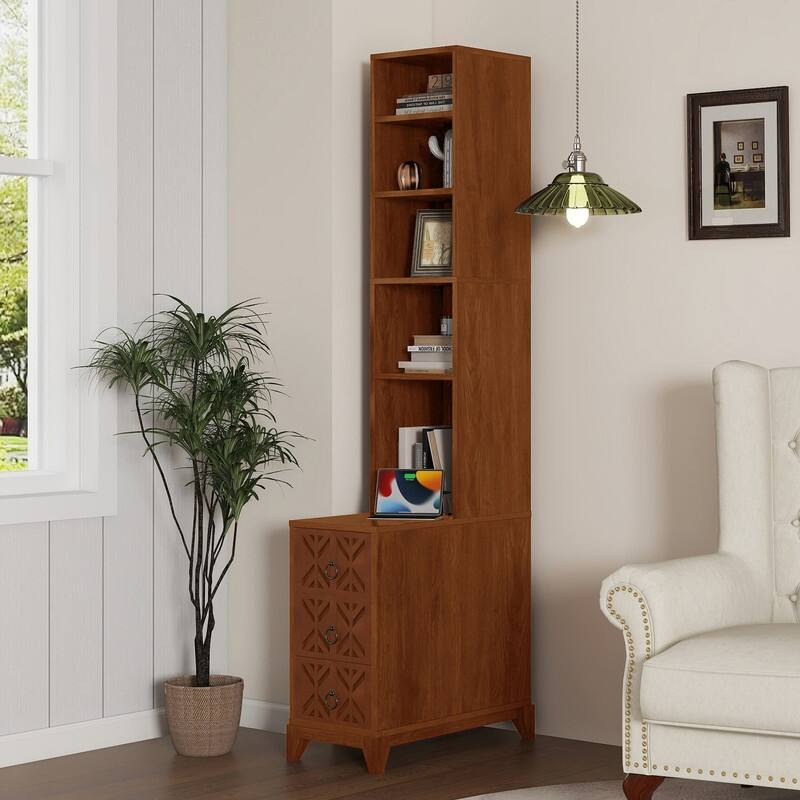
An end table should do more than look good. It should solve a problem.
Storage Solutions
If clutter is a concern, choose a table with enclosed storage like drawers or cabinets to hide electronics, DVDs, or cords. For accessible items like books or baskets, open shelving works best.
Tiered tables allow you to place a woven basket underneath for texture and hidden storage. This is ideal for family rooms or small apartments.
Multi-Purpose Potential
The right end table can pull double duty. As a nightstand, match the height to your bed, typically 24 to 28 inches, and ensure the surface holds a lamp, phone, and book. In the entryway, opt for taller models around 27 to 30 inches with a shelf for keys and mail.
As a coffee table substitute, place two or three end tables in front of a sofa for a flexible, modular setup. This is cheaper and easier to move than a large central table.
Lamp Placement Strategies
If your table is too small, under 18 inches wide, skip the table lamp. Instead, pair it with a nearby floor lamp to provide task lighting. This combo keeps the surface uncluttered while maintaining illumination.
Styling rule: Place bulky lamps toward the inner edge of the table. Place slim or base-heavy lamps on the outer edge for visual balance.
Style with Intention
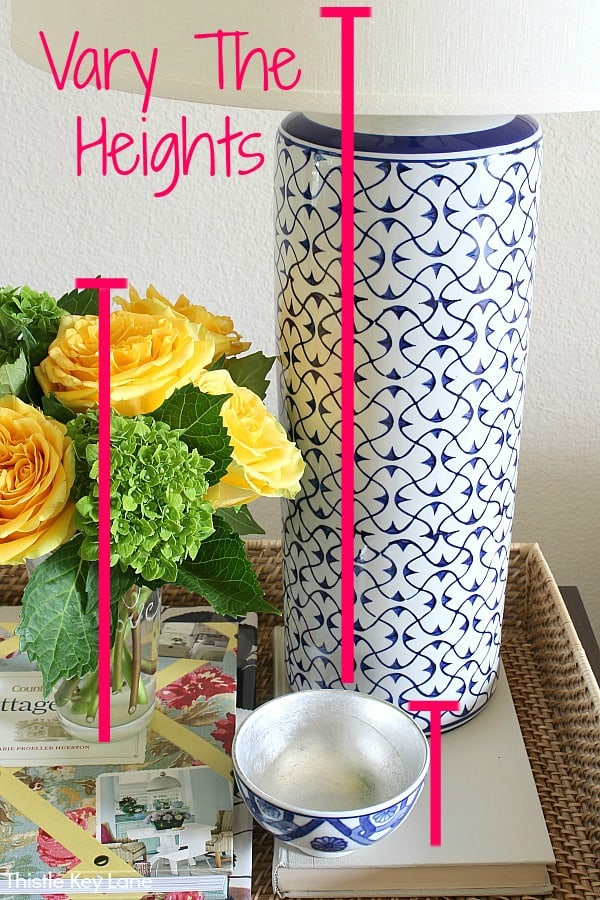
A well-styled end table completes the room. Follow professional formulas to avoid clutter and create polished vignettes.
The Cousins Not Siblings Rule
Avoid matching every furniture piece exactly. Instead, let tables relate like cousins, sharing subtle traits like wood tone, metal finish, or design era, without being identical twins.
One pair of matching tables beside a sofa is acceptable. Mixing a round wood table on one side with a square metal one on the other works if both share a unifying element like height or a bronze accent.
Layered Styling Formula
For larger tables, 18 inches or wider, style in three levels. Start with a tall element like a table lamp, 6 to 8 inches shorter than the sofa back. Add a mid-level piece like a small plant or sculpture. Finish with a low stack of 1 to 3 books aligned with the lamp base.
Ground asymmetrical pieces with a bold book cover to create visual weight. Keep knickknacks to a minimum. Less is more prevents clutter.
Minimal Approach for Small Tables
Tiny tables under 16 inches diameter only need two items. One book and one natural element like a small plant, candle, or incense holder. Rely on a nearby floor lamp for lighting. This minimalist approach keeps the space airy and functional.
Embrace Bold Choices and Alternatives
End tables are low-risk opportunities to experiment with color, shape, or unconventional pieces.
Try Trendy Designs
Since end tables aren’t focal furniture, they’re perfect for neon finishes, zigzag legs, or fluted details. These add momentary trendiness without overwhelming the room.
If investing long-term, stick to classic shapes in bold colors rather than fleeting silhouettes.
Consider Non-Traditional Options
Think beyond standard tables. Vintage stools or trunks add character and storage. Bar carts offer multiple shelves. Turn them sideways to minimize depth. Large baskets provide texture and hide remotes or blankets. Sculptural pedestals serve as art with a flat top for essentials.
Avoid Common Mistakes
Even small errors can ruin the look and function of your space. Steer clear of these pitfalls.
Don’t Ignore Traffic Flow
Placing a bulky table where it narrows a walkway to less than 18 inches makes the room feel cramped. Always map out movement paths before finalizing placement.
Avoid Forced Matching
Using identical tables in every room creates rigidity. In larger spaces, mix styles with a unifying thread like all warm wood tones or shared brushed nickel hardware. This creates cohesion without monotony.
Skip the Wrong Surface
Putting drinks on untreated wood without coasters leads to rings and damage. Likewise, expecting a 12-inch diameter table to hold a large lamp and books is unrealistic. Match the surface to its intended use.
Don’t Over-Style
Cluttering the table with figurines, candles, and books creates visual noise. Stick to the book plus nature plus lamp trio. If it feels crowded, remove one item.
Frequently Asked Questions About Choosing an End Table
What is the standard height for an end table next to a sofa?
The standard height for an end table is around 24 inches, which matches most standard sofa arm heights. The table should sit within 1 to 3 inches below the armrest for optimal comfort and visual balance.
How do I know what size end table to buy?
Measure your sofa depth first. Your end table should be no deeper than your sofa’s seat depth. For width, aim for at least 18 inches for basic functionality, or 22 inches if you plan to place a table lamp on it.
Should end tables match each other?
Not necessarily. While one pair of matching tables beside a sofa works, mixing styles with a unifying element like shared wood tone or metal finish creates a more curated, intentional look. The key is ensuring they relate like cousins, not identical siblings.
What is the best material for an end table?
The best material depends on your lifestyle. Hard surfaces like glass, stone, or ceramic are ideal if you frequently place drinks, as they resist water rings. Wood offers timeless warmth and works well for displaying books and decor. Metal suits modern or industrial spaces.
Can I use alternatives instead of a traditional end table?
Yes. Vintage stools, trunks, bar carts, large baskets, and sculptural pedestals can all function as end tables. These alternatives often provide extra storage or unique visual interest while serving the same practical purpose.
Key Takeaways for Choosing the Right End Table
Choosing the right end table comes down to measuring first, thinking about actual use, and styling with restraint. Prioritize height and depth relative to your seating. Pick materials that suit your lifestyle and maintenance preferences. Match the shape to your space requirements and safety needs.
Don’t be afraid to mix shapes or try unconventional options. Whether you go classic wood or bold color, the best end table blends seamlessly into daily life while adding a touch of intention to your space. Start by measuring your sofa arm height, determine your storage needs, and let those two factors guide every other decision.