How to Clean a Ping Pong Table
A clean ping pong table isn’t just about looks. Dust, sweat, and grime build up over time, subtly altering ball bounce and spin response. Whether you have a backyard outdoor table or a competition-grade indoor model, proper cleaning ensures consistent gameplay and extends the table’s lifespan. This guide covers everything you need to know about cleaning your ping pong table safely and effectively.
You’ll learn what supplies to use, step-by-step cleaning techniques, surface-specific care instructions, and expert tips to keep your table tournament-ready year-round.
Gather the Right Cleaning Supplies
Using the wrong tools or cleaners can damage your table’s surface permanently. Selecting safe materials from the start prevents costly mistakes.
Choose Safe Cleaning Tools
Stick to soft, non-abrasive materials that won’t scratch the playing surface.
• Microfiber cloths: Trap dust effectively without leaving lint or scratches.
• Chamois cloth: Ideal for streak-free drying after wet cleaning.
• Soft sponge: Use only if non-abrasive; apply gently when needed.
• Lint-free rag: Acceptable alternative when microfiber isn’t available.
Avoid paper towels, rough cloths, or scrubbing pads. These create micro-scratches that disrupt ball roll and bounce accuracy.
Use Approved Cleaning Solutions
Match your cleaner to your table’s surface type for best results.
• Lukewarm water: Safe for all tables; never use hot water as it can warp coatings.
• Mild dish soap (Dawn recommended): One drop in a bucket creates an effective, low-residue cleaner.
• Distilled water: Prevents mineral deposits, ideal for competition tables or final rinsing.
• Specialized table tennis cleaners: Brands like Cornilleau and Donic offer anti-static benefits and surface protection.
• Methylated spirits: Use only for melamine surfaces and only on a small test area first.
Never use bleach, ammonia, abrasive household cleaners, or excessive water. These strip protective layers and degrade the surface over time.
Prepare the Table for Cleaning
Proper preparation prevents scratches and ensures a thorough clean. Taking a few minutes to prepare saves time and protects your investment.
Clear and Inspect the Surface
Remove all items from the table including paddles, balls, nets, and accessories. This gives full access to the entire playing area.
Check for visible debris like dust, leaves, food crumbs, or pet hair. Pay special attention to edges, corners, and areas under the net.
Dry Dust Before Wet Cleaning
Always start with a dry microfiber cloth to remove loose particles first.
Wipe gently from one end to the other, folding the cloth frequently to use clean sections. Skipping this step risks grinding dirt into the surface when wet cleaning, which causes fine scratches that permanently affect ball bounce.
Clean the Playing Surface Step by Step

Follow this controlled wet-cleaning process to lift grime without damaging the finish. The order matters for best results.
Apply a Gentle Cleaning Solution
Mix lukewarm water with a single drop of mild dish soap. Dip a microfiber cloth into the solution, then wring it out thoroughly until it is damp, not wet.
For melamine tables with stubborn stains, methylated spirits can be used sparingly on a small hidden area first to test for damage.
Wipe in Circular Motions
Start at the center and work outward in widening circles.
This motion lifts dirt evenly and reduces streaking. Use light pressure and let the cleaner do the work. Increase pressure slightly only on greasy or stained spots.
Flip your cloth often to avoid redepositing dirt. Focus extra attention on high-contact zones near the net and corners where residue builds up most.
Rinse to Remove Residue
If soap was used, rinse with a clean cloth dampened only with plain water.
This prevents sticky film buildup that alters ball friction and bounce. Use distilled water if available to avoid mineral deposits from tap water.
Dry and Polish Completely
Moisture left on the surface can warp wood or encourage mold, especially on outdoor models. This step is critical for table preservation.
Wipe Immediately with a Dry Cloth
Never let the table air dry. Use a dry microfiber or chamois cloth right after rinsing.
Wipe in straight lines or circles to ensure full coverage. Pay special attention to seams, edges, and areas near hinges where water can pool and cause damage.
Buff for a Smooth Finish
Lightly polish the surface to restore shine and check for missed spots.
A polished table improves ball visibility and gives a professional feel. Confirm no damp patches remain before closing or storing the table.
Maintain Nets, Posts, and Frame
The table’s components also need care to ensure smooth operation and longevity. Neglecting these areas leads to rust and premature wear.
Clean the Net and Posts
Wipe the net with a damp microfiber cloth to remove dust and mildew.
For outdoor tables, remove the net and posts after every use. This prevents rust, UV damage, and extends the life of the netting system significantly.
If the net is heavily soiled, hand-wash it with mild soap and let it air dry completely before reattaching.
Wipe Down Edges and Legs
Dirt accumulates along the sides and support structures.
Use a damp cloth to clean edges, frame, and folding mechanisms. Avoid overspray or dripping water into hinges or wheels.
Check and Clean Wheels
Remove debris like pebbles, grass, or thread wrapped around the wheels.
Wipe clean with a damp cloth and ensure they rotate freely. Stuck or damaged wheels can misalign the table or cause frame stress over time.
Adapt Cleaning for Your Table Type

Different surfaces require different care approaches. Using the wrong method can permanently damage your table.
Painted Timber Indoor Tables
Most high-end indoor tables use painted wood finishes.
• Use: Weak soapy water, distilled water, or specialized TT foam cleaners.
• Avoid: Methylated spirits, harsh chemicals, excessive water.
• Tip: Minimize moisture to prevent warping. Always rinse soap off completely.
Melamine Finish Tables
Melamine is more scratch-resistant and water-resistant than paint.
• Use: Soapy water, methylated spirits for tough stains, or spray cleaners designed for melamine.
• Avoid: Abrasive pads or steel wool.
• Tip: Test strong solvents on a small hidden area first.
Outdoor Weather-Resistant Tables
Outdoor tables are built to withstand elements but still need regular maintenance.
• Use: Mild soapy water, outdoor-specific cleaners.
• Avoid: High-pressure washers, corrosive products.
• Tip: Remove leaves and pollen quickly. They can stain the surface if left wet.
Protect and Store Properly
Cleaning is only half the battle. Proper protection prevents dirt buildup and environmental damage between cleanings.
Use a Quality Cover
A cover is the most effective defense against dust, moisture, and UV rays.
• Outdoor tables: Must have waterproof, UV-resistant covers that protect both the surface and legs.
• Indoor tables: Even a simple sheet helps block ceiling dust and debris.
• Tip: Cover the table every time after use to reduce cleaning frequency by up to 80 percent.
Store in a Sheltered Area
Keep the table in a garage, shed, or against a wall to avoid direct sun and rain.
Don’t leave it exposed, even covered, during heavy storms or snow. Ensure the storage floor is flat to prevent leg or wheel deformation.
Avoid Extreme Temperatures
Don’t store the table in unheated garages during freezing weather or in hot attics.
Extreme heat or cold can warp the surface or crack the coating. Ideal storage is between 50°F and 80°F (10°C to 27°C).
Follow a Smart Maintenance Schedule
Regular upkeep prevents deep cleaning sessions and extends your table’s life significantly. Consistency is key.
After Every Few Games
Wipe the surface with a dry microfiber cloth.
This takes less than a minute and stops dust from becoming embedded in the finish.
Monthly for Indoor, Biweekly for Outdoor
Perform a full clean with mild soapy water.
Inspect for wear, rust, or hinge issues during each session.
Seasonal Deep Clean
Before winter or heavy pollen season, perform a thorough cleaning.
Check cover integrity and remove nets and posts if applicable for outdoor tables.
Troubleshoot Common Cleaning Issues

Even careful cleaning can go wrong. Here’s how to fix common problems quickly.
Stubborn Stains or Grease Marks
Reapply a slightly stronger soapy solution with gentle circular rubbing.
For melamine tables, try a dab of methylated spirits on a cloth. Never pour directly onto the surface.
Sticky Residue After Cleaning
This is caused by too much soap or chemical buildup.
Fix by wiping again with a water-only damp cloth, then dry immediately. Switch to distilled water next time to prevent recurrence.
Water Spots or Cloudiness
Usually results from hard tap water minerals.
Prevent by using distilled water for rinsing and drying. For persistent spots, buff gently with a dry microfiber cloth.
Mold or Mildew on Outdoor Tables
Wipe affected areas with a 1:1 mix of water and white vinegar, which is safe for most outdoor finishes.
Rinse well and dry completely. Ensure the cover isn’t trapping moisture by elevating edges if needed.
Maximize Performance and Longevity
A clean table isn’t just about appearance. It directly impacts gameplay quality and equipment lifespan.
Why Cleaning Improves Gameplay
• Consistent bounce: Dust and oil create uneven surfaces that alter ball behavior.
• True spin response: Clean surfaces provide reliable friction for accurate shots.
• Better ball visibility: A polished table reduces glare and improves tracking.
Even small amounts of grime can alter a serve or return in competitive play.
Prevent Long-Term Damage
Regular cleaning removes abrasive particles like dust and sand that scratch the surface over time.
It also prevents moisture buildup that leads to warping, delamination, or rust in metal parts. Proper care can double the usable life of high-end tables.
Expert Tips for Best Results
Follow these pro-backed practices for a flawless clean every time.
Stick to Simple Solutions
Most experts agree that a drop of Dawn in lukewarm water works better than expensive cleaners.
Specialized foams are useful but not necessary for routine cleaning.
Never Skip the Dry Wipe
Always dust before wet cleaning.
It’s the single most overlooked step and the most important for preventing scratches.
Cover It Every Time
The number one tip from users and manufacturers is to use a cover religiously.
It cuts cleaning time dramatically and protects against UV rays, rain, and debris.
Remove the Net Outdoors
Outdoor nets degrade quickly from sun and rain exposure.
Taking them down after play can extend their life by years.
Key Takeaways for Cleaning Your Ping Pong Table
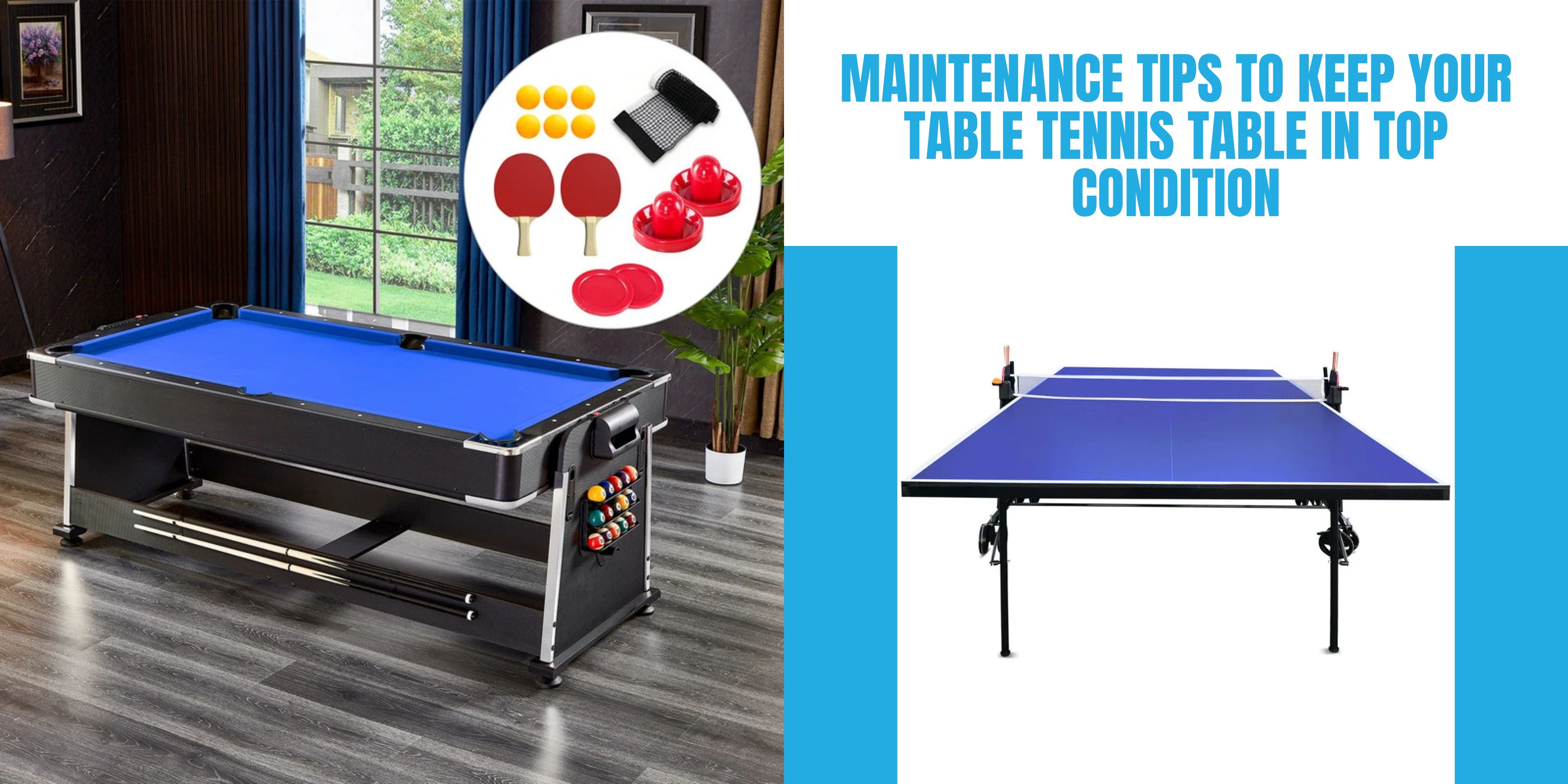
Cleaning a ping pong table is quick, easy, and essential for maintaining peak performance. With the right microfiber cloth, a drop of dish soap, and a few minutes of your time, you can keep a smooth, responsive surface that plays like new.
Remember to match your cleaning method to your table type, dry thoroughly after every wet clean, and always use a cover when the table isn’t in use. Remove outdoor nets and posts after each session, and store your table in a temperature-controlled area away from extreme heat or cold.
By following this guide consistently, you’ll ensure consistent gameplay, protect your investment, and keep your table ready for every match, rain or shine.
Frequently Asked Questions About Cleaning a Ping Pong Table
Can I use regular household cleaners on my ping pong table?
No, you should avoid bleach, ammonia, and abrasive household cleaners. These strip protective coatings and damage the surface. Stick to mild dish soap diluted in lukewarm water or specialized table tennis cleaners designed for your table type.
How often should I clean my ping pong table?
For indoor tables, dust weekly and deep clean monthly. Outdoor tables need cleaning at least every two weeks, or more frequently if exposed to pollen, rain, or leaves. Always cover outdoor tables when not in use.
Can I use a pressure washer on an outdoor ping pong table?
No, never use high-pressure washers on any ping pong table. The forceful water can damage the surface, warp materials, and force moisture into seams and mechanisms. Use a gentle garden hose at most, with low pressure.
What causes sticky residue after cleaning?
Sticky residue results from using too much soap or failing to rinse thoroughly. Wipe the surface again with a clean cloth dampened only with water, then dry immediately. Using distilled water helps prevent this issue.
Is it normal for water spots to appear after cleaning?
Water spots usually come from mineral deposits in tap water. Prevent them by using distilled water for rinsing and drying. If spots appear, buff gently with a dry microfiber cloth to remove them.
How do I remove stubborn stains from a melamine table?
For melamine surfaces, apply a small amount of methylated spirits to a microfiber cloth and gently rub the stain. Test on a hidden area first. Never pour solvents directly onto the table surface.