How to Clean a Concrete Table
Concrete tables bring industrial elegance to both indoor and outdoor spaces, combining durability with modern design. But because concrete is naturally porous, it can absorb spills, stains, and grime if not properly maintained. Knowing how to clean a concrete table the right way is essential to preserve its appearance and longevity. Without proper care, your table can develop discoloration, etching, or even structural damage over time.
This guide walks you through every step, from daily wiping to deep stain removal and sealing, so you can keep your concrete table looking its best. Whether you’re dealing with wine spills, grease buildup, or outdoor weathering, you’ll learn safe, effective cleaning methods backed by expert-recommended products and techniques.
Daily Cleaning Routine for Concrete Tables
Remove Dust and Debris First
Always start by clearing loose dirt, crumbs, or dust with a soft, dry cloth or microfiber duster. Skipping this step can lead to scratching during wet cleaning, especially if gritty particles are rubbed into the surface.
Wipe With Gentle Cleaners
Use a damp microfiber cloth, soft sponge, or non-abrasive brush with one of these safe cleaning solutions. Mild dish soap and warm water works well for everyday use. Diluted white vinegar (1 part vinegar to 3 parts water) helps cut through grime. Lithofin MN Easy Clean Spray is recommended for grease-prone dining tables because it removes grease while reinforcing the protective finish.
Gently wipe the entire surface, focusing on high-use areas. Avoid steel wool, scrubbing pads, or harsh detergents because they can degrade the finish and expose the concrete to stains.
Rinse and Dry Thoroughly
After cleaning, rinse the surface with clean water using a damp cloth or low-pressure spray. Then, dry immediately with a clean, lint-free towel. This prevents water spots and minimizes moisture absorption, especially on unsealed or aging surfaces.
Pro Tip: Wipe down your concrete dining table after each use. Frequent cleaning slows the breakdown of protective sealers and keeps the surface looking fresh.
Tackling Stains on Concrete Tables
Why Fast Action Matters
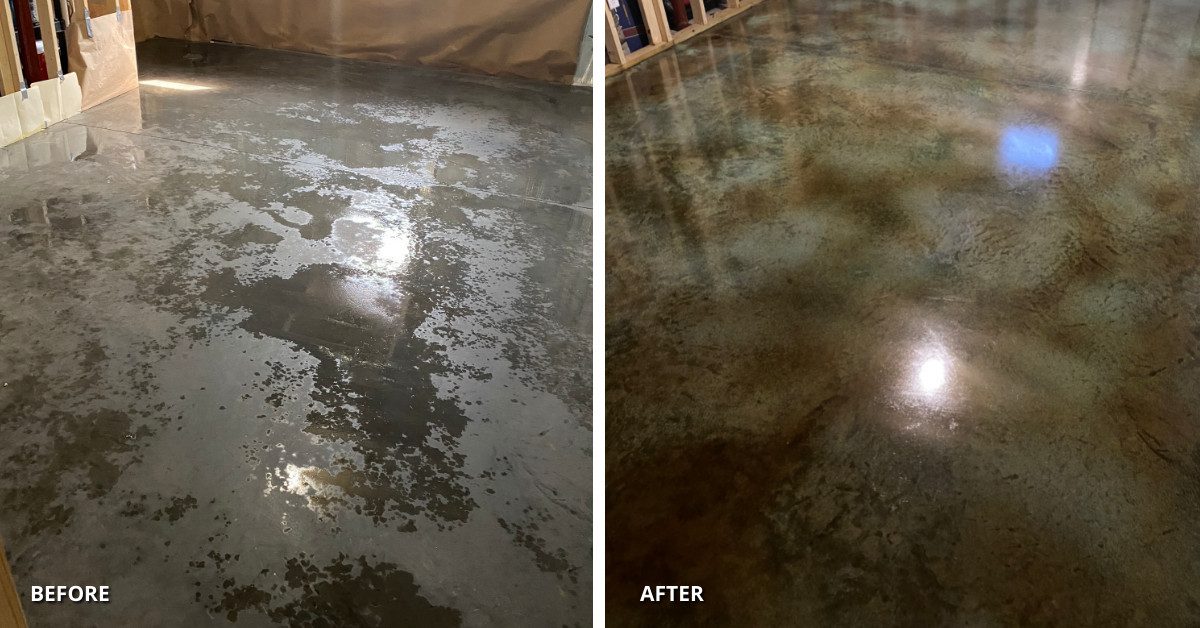
Spills, especially wine, oil, coffee, or acidic foods, can seep into unsealed or worn concrete within minutes. The longer a spill sits, the deeper it penetrates, making removal harder and increasing the risk of permanent discoloration.
Blot, Don’t Rub
For liquid spills, blot with a clean, absorbent cloth. Rubbing can push the liquid further into the pores. For sticky or dried spills, gently loosen with a plastic scraper before wiping.
Removing Tough Stains From Concrete Tables

Address Grease and Oil Stains
Grease from cooking or lotions builds up over time, especially on dining tables. When regular cleaning fails, use Lithofin MN Power-Clean with these steps. For light stains, dilute 1 part cleaner with 5 parts water. For heavy buildup, apply undiluted. Spread over the stained area and let sit 10 to 20 minutes. Scrub gently with a soft brush if needed. Rinse completely with clean water until runoff is clear. Dry and inspect, then repeat if the stain persists.
Warning: Always test in a small, hidden area first. Never mix with other chemicals.
Eliminate Wine and Organic Stains
Red wine, fruit juice, and food dyes can leave dark spots on your concrete table. Try a baking soda paste first. Mix baking soda with water to form a thick paste. Apply to the stain, cover with plastic wrap, and let sit 1 to 2 hours. Gently scrub and rinse.
If that fails, use Lithofin MN Power-Clean as described above. For extremely stubborn stains, LÖSEFIX by Lithofin may be needed for difficult cases.
Deep Cleaning Outdoor Concrete Tables
Outdoor tables face mold, algae, and heavy grime. Standard indoor methods will not suffice for these tough conditions.
Option 1: Bleach and Scrub
For heavily soiled patio tables, pour standard household bleach directly onto the surface. Let it sit 10 minutes to break down organic buildup. Scrub with a stiff-bristle broom, not metal-bristled. Rinse with a power washer or garden hose on high pressure.
Caution: Only use bleach on outdoor, unsealed, or sacrificial surfaces. It can damage sealers and discolor indoor tables.
Option 2: Cleaner and Reseal
For a safer, long-term solution, apply a commercial concrete cleaner like Lithofin MN Power-Clean. Power wash thoroughly. Immediately apply a fresh coat of sealer to protect the clean surface. This method restores both appearance and protection in one step.
Sealing Your Concrete Table for Protection

Why Your Table Needs a Sealer
Even factory-sealed concrete loses its water-repellent properties over time. Without sealing, your table is vulnerable to stains from oil and liquids, etching from acidic substances like lemon, vinegar, and wine, and freeze-thaw damage on outdoor tables. Sealing creates an invisible barrier that causes water to bead up, making cleanup easier and preventing absorption.
Check If It Is Time to Reseal
Perform the water test by sprinkling water on the surface. If it beads up, the sealer is still effective. If it soaks in or flattens, it is time to reseal. High-use tables may need resealing every 6 to 12 months. Low-traffic pieces can go 2 to 3 years.
Apply Lithofin Fleckstop W
This top-recommended sealer offers a matte, invisible finish with water- and oil-repellency. It is food-safe, making it ideal for dining tables.
Apply using these steps. First, clean thoroughly and ensure the surface is stain-free and dry. Second, apply evenly using a lint-free cloth or low-nap roller. Third, let absorb for 10 to 15 minutes. Fourth, wipe off excess to prevent hazing. Fifth, wait 24 hours before heavy use.
Expert Note: Reseal after any deep cleaning or repair to protect newly exposed concrete.
Preventing Damage to Your Concrete Table
Avoid Heat Exposure
Never place hot pans, pots, or grills directly on concrete. Thermal shock can cause surface cracking, discoloration (whitish or dark spots), and spalling (flaking). Always use trivets, hot pads, or heat-resistant mats.
Protect Against Impacts
While strong, concrete can chip if struck by heavy or sharp objects. Set down heavy vases or decor carefully. Avoid hammering or drilling into the surface. Use felt pads under decorative items to prevent micro-scratches.
Keep Acids Off the Surface
Lemon juice, vinegar, wine, and cleaning acids can etch the surface, leaving dull spots. Clean acidic spills immediately with mild soap and water.
Repairing Cracks and Chips in Concrete Tables
Decide: Fix or Embrace
Small cracks or chips do not always need repair. Two philosophies guide maintenance. The purist approach keeps the table flawless with regular sealing and immediate fixes. The contemplative approach accepts wear as character. Minor damage adds to the table’s story, like a well-used butcher block or zinc bar top. For large or structurally concerning damage, repair is recommended.
Fix Cracks Step-by-Step
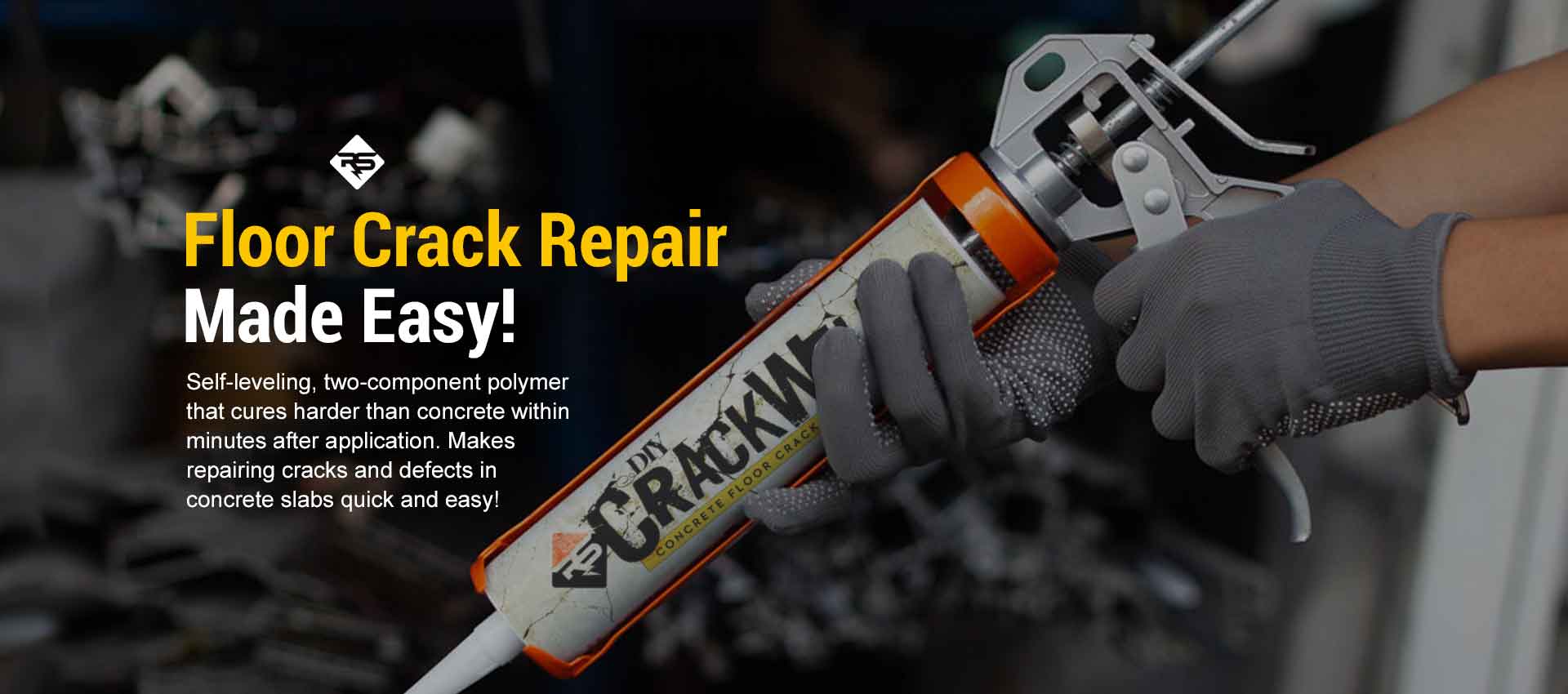
Clean the area first by removing dust and debris. Fill with quick-setting cement, pressing into the crack or chip until overfilled. Let cure according to product instructions, usually 1 to 4 hours.
Sand smooth using 120-grit sandpaper first to level the patch. Then use 180-grit or higher for a seamless blend. Reapply sealer by treating the repaired spot with Lithofin Fleckstop W to match the rest of the table.
Reality Check: Repairs will likely remain visible. The goal is protection, not invisibility.
When to Call a Professional for Concrete Table Repair
DIY work handles daily care and minor fixes, but seek professional help for deep structural cracks, full refinishing (grinding, polishing), and uniform resealing of large or complex tables.
Choose the Right Expert
Look for a contractor with experience in concrete furniture (not just floors or driveways), positive reviews and before/after photos, and proper licensing and insurance. Professionals can restore heavily damaged tables using industrial-grade sealers and polishing tools.
Essential Products for Concrete Table Care
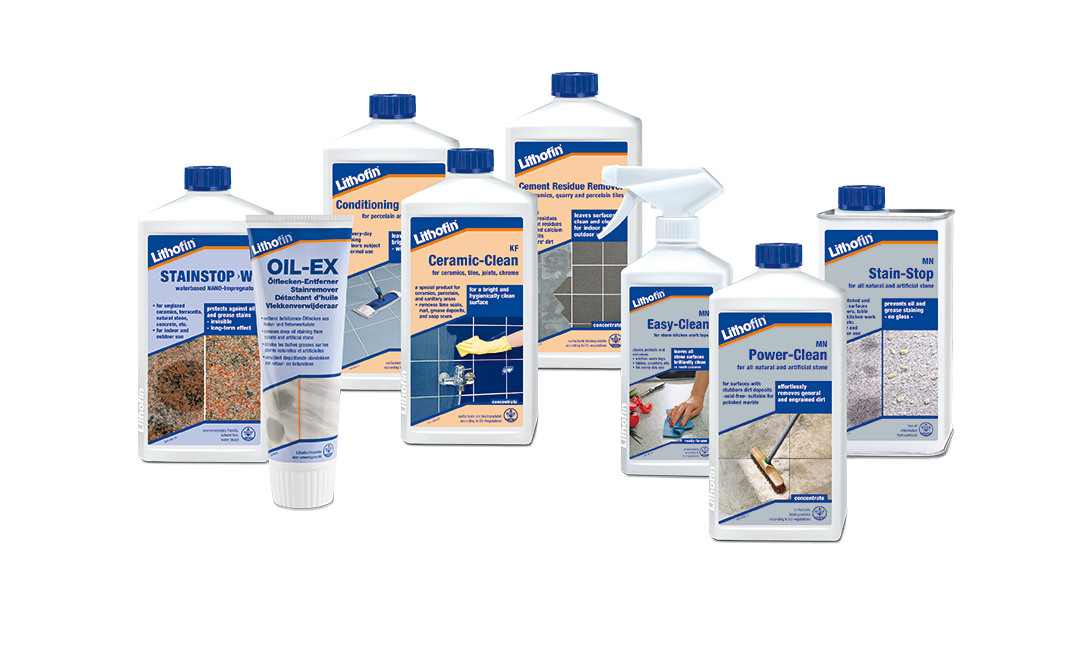
Use this quick reference for the right products. For daily cleaning, use Lithofin MN Easy Clean Spray. For stain removal, use Lithofin MN Power-Clean. For tough stains, use Lithofin LÖSEFIX. For sealing, use Lithofin Fleckstop W. For repair, use quick-setting cement. For sanding, use 120-grit and 180-grit sandpaper.
Note: Always use food-safe, concrete-specific products on dining tables. Avoid generic household cleaners unless they are pH-neutral and non-abrasive.
Frequently Asked Questions About Cleaning Concrete Tables
How Often Should I Clean My Concrete Table?
Wipe down your concrete dining table after each use for best results. Perform a deeper clean weekly if the table sees daily use. Outdoor tables may need more frequent attention depending on weather exposure.
Can I Use Vinegar on My Concrete Table?
Yes, diluted vinegar (1 part vinegar to 3 parts water) is safe for cleaning concrete tables. Vinegar helps cut through grease and grime without damaging the surface. Avoid using undiluted vinegar or leaving it on the surface for extended periods.
What Should I Do if My Concrete Table Gets a Crack?
For small cracks, clean the area and fill with quick-setting cement. Sand smooth once dry, then apply sealer to the repaired spot. Large or structural cracks require professional assessment and repair.
How Do I Know When to Reseal My Concrete Table?
Perform the water test by sprinkling water on the surface. If the water beads up, the sealer is working. If it soaks in or flattens, it is time to reseal. High-use tables typically need resealing every 6 to 12 months.
Can I Use a Pressure Washer on My Outdoor Concrete Table?
Yes, a pressure washer is effective for deep cleaning outdoor concrete tables. Use it after applying bleach or a concrete cleaner. Be careful around edges and seams to avoid damaging the surface.
Is It Normal for Concrete Tables to Develop a Patina Over Time?
Yes, concrete naturally develops a patina with use and age. Some owners embrace this weathered look as part of the table’s character. Others prefer the purist approach and reseal regularly to maintain a pristine appearance.
Key Takeaways for Maintaining Your Concrete Table
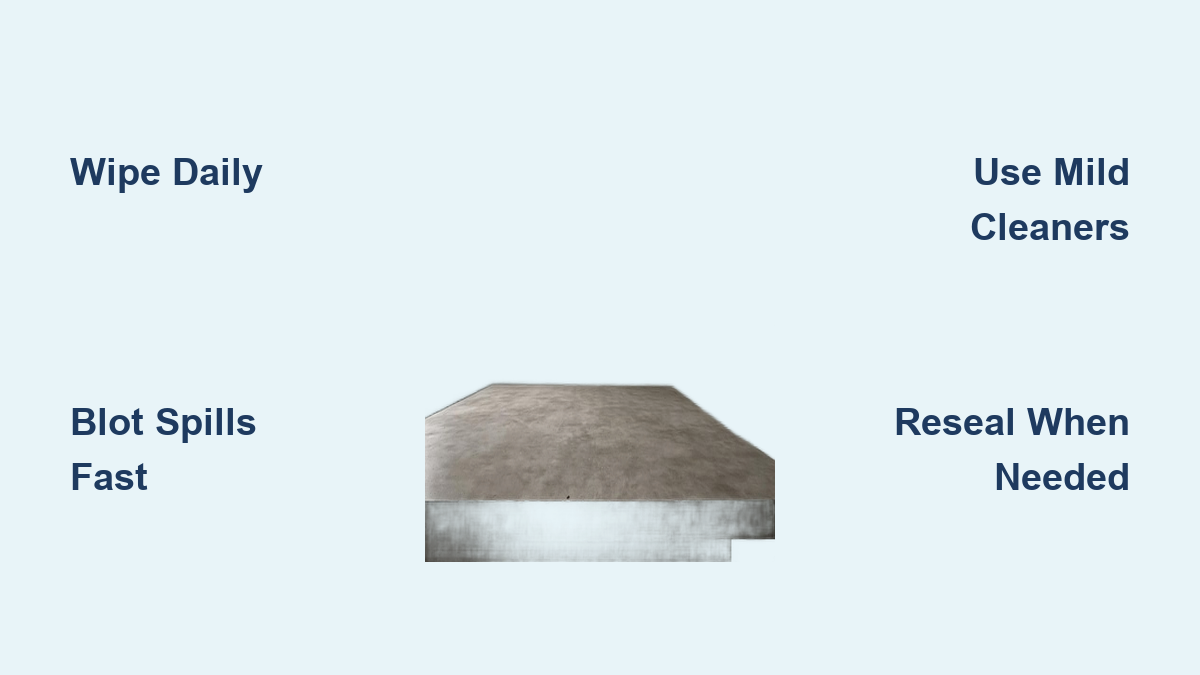
With consistent care, your concrete table can last decades, possibly becoming a family heirloom. Wipe daily, especially after meals. Reseal when water stops beading. Use coasters and placemats to reduce direct contact. Avoid bleach indoors, reserving it for outdoor deep cleans. Inspect monthly for chips, cracks, or wear.
Whether you prefer a pristine finish or a naturally aged look, the key is understanding how to clean a concrete table safely and effectively. Now that you know the full routine, from wiping up spills to sealing and repairing, you are ready to keep your concrete table looking beautiful for years to come.