How to Clean a Cast Iron Table
If your cast iron table is looking dull, stained, or showing early signs of rust, you are not alone. Cast iron is incredibly durable and often lasts decades, but it is highly susceptible to moisture damage. Without proper care, rust and grime can quickly compromise both the appearance and function of your table, especially for workshop machinery like table saws or outdoor furniture. The good news is that with the right tools and techniques, cleaning and protecting a cast iron table is simple, affordable, and effective.
This guide walks you through every step from gentle cleaning to full rust restoration and shows you how to keep your cast iron table in top condition for years. We will cover safe cleaning methods, rust removal tricks, best protective coatings, and climate-specific tips so you can tackle any issue confidently.
Clean Without Causing Damage

Use Gentle Solutions First
Start with the mildest option to avoid harming the metal. For indoor cast iron tables, mix half a cup of distilled white vinegar with half a gallon of warm water. This solution cuts through dust and light grime without scratching or etching the surface. For outdoor tables with heavier buildup, use one tablespoon of mild dish soap per quart of water. Never use bleach or antibacterial cleaners, as they can corrode the metal.
Apply the solution to a cloth rather than directly on the table, especially if the table has wood or cushion attachments. Wrap non-metal parts in plastic to protect them during cleaning.
Scrub Safely With Soft Tools
Use a damp sponge or microfiber cloth to scrub in small circular motions. Focus on joints, crevices, and textured areas where dirt accumulates. Never use steel brushes or abrasive pads unless rust is present, as regular cleaning should be gentle.
For stubborn spots, a green Scotch-Brite pad works well without damaging the surface. Avoid metal scouring pads at this stage. Save those for rust removal later if needed.
Rinse and Dry Immediately
Rinse thoroughly with clean water using a fresh cloth or garden hose for outdoor tables. Replace rinse water if it becomes dirty to prevent redepositing grime on the surface.
Drying is critical. Wipe every surface with a dry microfiber towel. For indoor tables, follow up with a second dry pass. Never air-dry unless in direct sunlight, as residual moisture causes rust within hours.
Remove Rust the Right Way
Degrease Before Rust Removal
Before tackling rust, clean off all oil, grease, and sawdust. Use Simple Green or mild soap with a Scotch-Brite pad. This step is essential because grease masks rust and blocks chemical removers from working effectively.
For machinery tables, use compressed air or a soft brush to clear debris from grooves and under guards.
Choose the Right Rust Removal Method
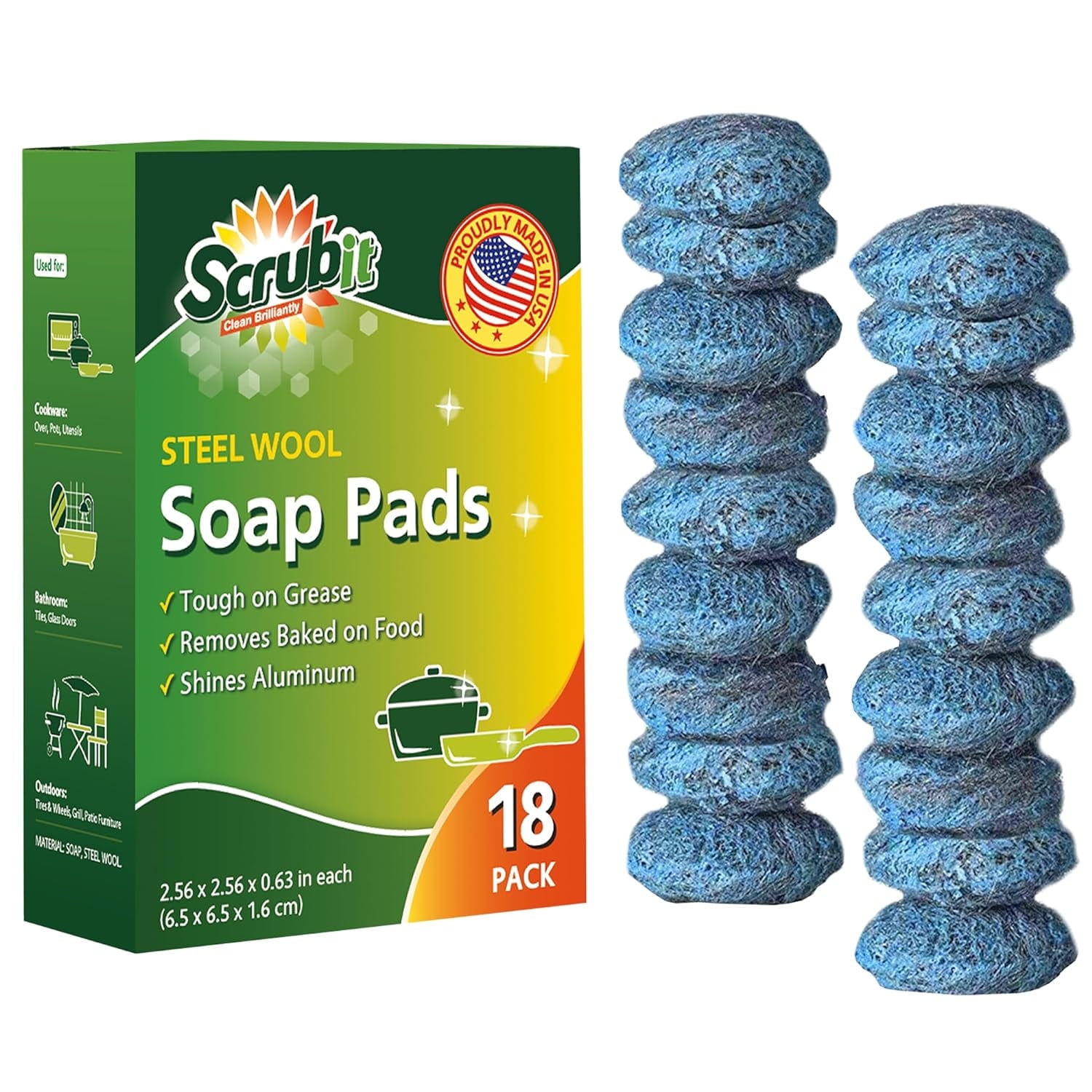
Light Rust: Use 0000 Steel Wool
Grab 0000-grade steel wool, which is the finest grade available. Rub gently in circular motions until rust disappears. This will not scratch the metal and restores shine effectively.
For extra cleaning power, pair the steel wool with Autosol metal polish on a green Scotch-Brite pad. This combination removes light oxidation and leaves a smooth finish.
Heavy Rust: Try Chemical Soaking
For thick rust, use EvapoRust, which is a safe and non-acidic rust remover. Submerge removable parts or apply with a cloth. Leave for several hours or overnight. It dissolves rust without harming the base metal, though it will not fix pitting.
Avoid hydrofluoric acid-based products, as they are dangerous and unnecessary for most users.
Stubborn Spots: Use Phosphoric Acid or Mineral Spirits
Apply naval jelly, which contains phosphoric acid, with a brush to convert rust into a stable black coating. Rinse thoroughly afterward. For oily residue, dampen a cloth with mineral spirits or acetone. Never soak the iron with these solvents.
Scrape Gently, Not Aggressively
Use a plastic scraper or old credit card to lift flaking rust before scrubbing. This prevents gouging the metal and makes the rust removal process faster.
Never use metal chisels or wire wheels on thin cast iron, as they can warp or damage the surface.
Apply Protective Coatings That Last
Wax Is Your Best Defense
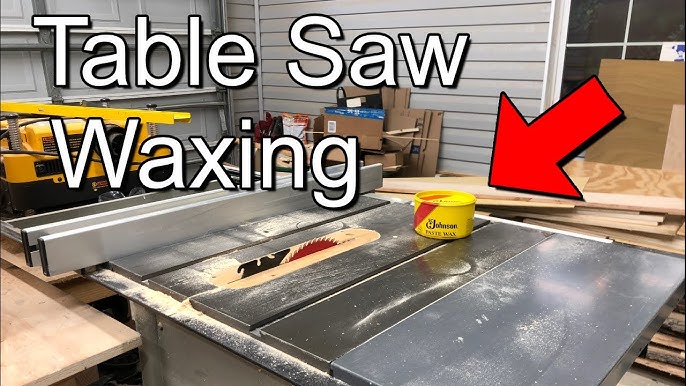
Johnson’s Paste Wax is the gold standard for protecting cast iron. It seals pores, repels moisture, and creates a slick surface ideal for workshop tables.
Apply a thin layer with a clean cloth. Let it dry to a haze, which takes about 15 to 30 minutes, then buff with a microfiber towel or 0000 steel wool for a smooth finish. Repeat the application for extra protection in humid climates.
Minwax Paste Wax, which is designed for wood, also works excellently on metal. Do not let the label fool you.
Try Oil and Wax for Workshop Tables
For table saws, jointers, or bandsaws, wipe the surface with light machine oil first, then apply wax over it. This dual layer enhances protection and improves wood glide.
Ensure the oil is fully absorbed or sealed with wax to prevent transfer to wood projects.
Use Talc Powder in Porous Areas
Some cast iron tables, especially older machinery, have microscopic pores. Talcum powder, rubbed in with a cloth or blackboard eraser, fills these gaps and blocks moisture.
This method is recommended by manufacturers like Robland and works well in combination with wax.
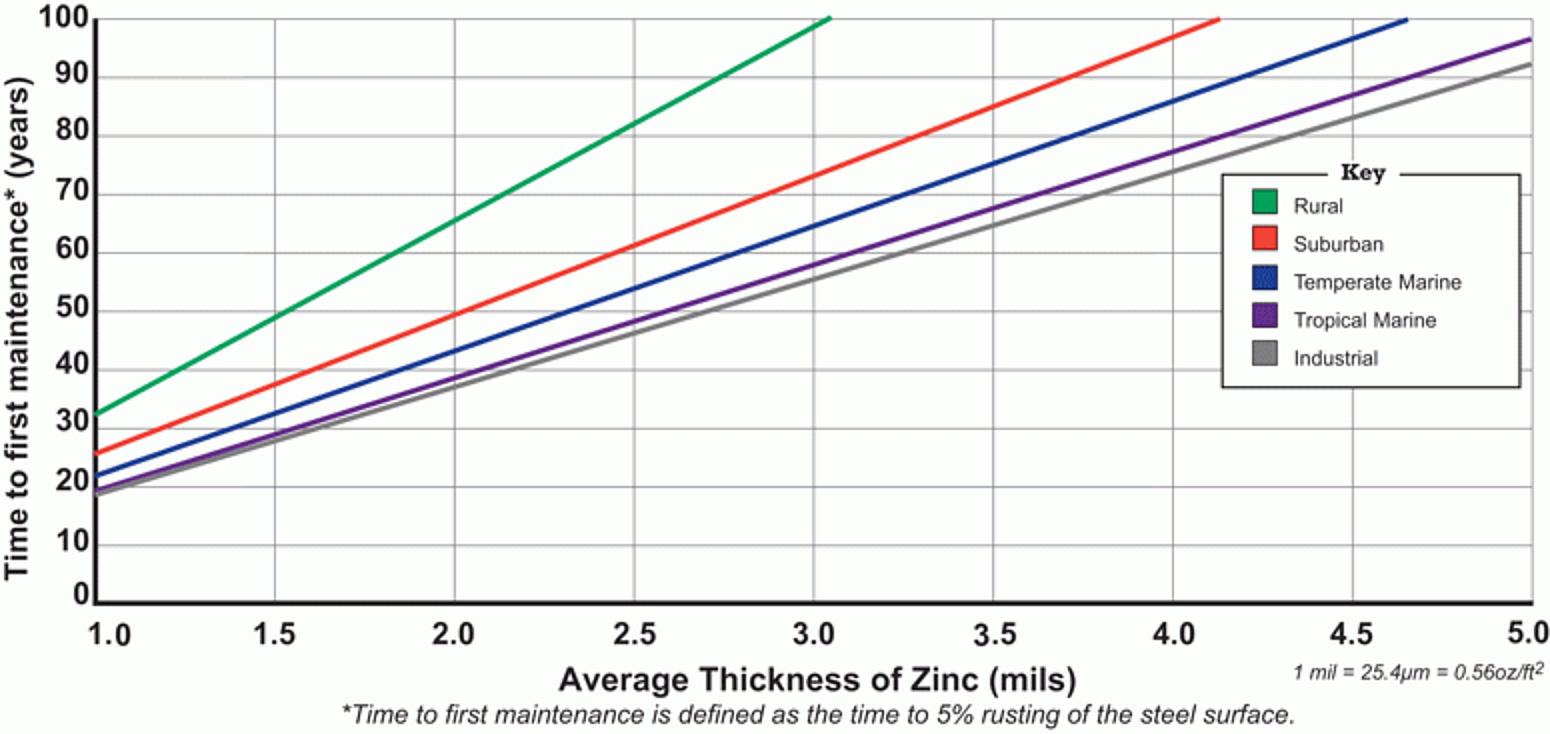
Consider Zinc Primer for Long-Term Protection
For completely bare and rust-free cast iron, apply a thin coat of inorganic zinc primer from a spray can. It adheres well, resists corrosion, and does not affect the table is flatness.
Touch up as needed and follow with wax for added durability.
Prevent Rust Before It Starts
Control Humidity and Temperature
Rust forms when metal temperature drops below the dew point. In humid environments, use a dehumidifier or air conditioner to keep relative humidity below 50 percent.
Place a 20 to 40 watt incandescent bulb inside machine bases to generate gentle heat. This keeps the iron warm enough to prevent condensation overnight.
Run a ceiling fan to improve air circulation, though it is less effective than humidity control.
Cover Properly When Not in Use
Use breathable covers like Gor-Tex mattress protectors. They shield from dust and moisture while allowing airflow, which is critical for preventing trapped humidity.
Avoid plastic sheeting unless the environment is dry and stable, as it can create a moisture trap.
Never Touch Bare Metal With Hands
Skin oils and sweat accelerate rust. Always wear gloves when handling clean cast iron surfaces.
If you leave a fingerprint or sweat mark, wipe it immediately with a dry cloth.
Handle Specific Scenarios Confidently
Fix Stains From Spills
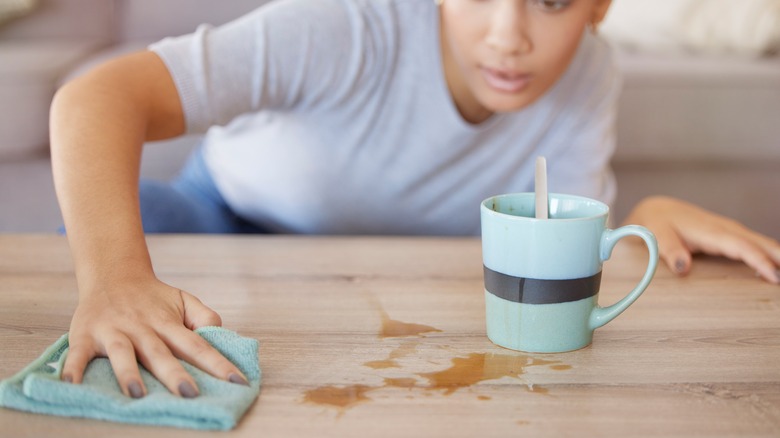
Coffee, soda, or beer spills cause instant rust spots. Blot immediately, then clean with WD-40 or Coca-Cola, as both can lift stains. Wipe clean and dry thoroughly.
For stubborn marks, follow with steel wool and reapply wax.
Address Pitting From Long-Term Rust
If rust has caused pitting, which are small holes, EvapoRust or phosphoric acid will remove remaining rust but will not restore the surface texture. Once clean, seal with wax or primer to prevent further corrosion.
Pitted areas require more frequent maintenance than smooth surfaces.
Protect Wood Finishing Projects
Oily finishes can transfer to wood, ruining stains or paints. After oiling, buff thoroughly with wax to seal the surface. Johnson is and Minwax waxes are safe once fully cured.
Avoid using CRC 3-36 or T-9 on tables used for fine woodworking unless fully sealed.
Follow a Smart Maintenance Schedule
Daily Habits That Prevent Damage
Wipe down your cast iron table after each use. Remove sawdust, wipe spills, and check for new rust spots. A quick 30-second wipe saves hours of restoration later.
Keep a microfiber cloth nearby for immediate cleanups.
Weekly or Monthly Care in Humid Areas
In humid climates such as Texas, Florida, or coastal regions, inspect tables weekly. Reapply wax if the surface feels dry or wood sticks during use.
Use CRC 3-36 every few weeks if wax does not hold up, as some users prefer it for extreme humidity.
Seasonal Deep Cleaning
Every few months, especially before humid seasons, do a full maintenance cycle. Degrease with Simple Green, scrub with 0000 steel wool, rinse and dry completely, then reapply two to three coats of paste wax.
Check environmental controls and replace dehumidifier filters or test AC units as needed.
Annual Maintenance in Dry Climates
In arid areas such as Arizona or New Mexico, a full waxing once a year is usually enough. However, during monsoon months, which are July through August, increase checks and apply oil or wax as needed.
Even dry areas have seasonal humidity spikes that require attention.
Choose the Right Tools and Products
Must-Have Supplies Checklist
Gather these essential items before starting your cleaning project.
0000-grade steel wool
Johnson is or Minwax Paste Wax
Microfiber towels, multiple
Green Scotch-Brite pads
Simple Green or mild dish soap
Distilled white vinegar
Plastic scraper or old credit card
Spray bottles, two
Mineral spirits for tough residue
Talcum powder
Optional items for workshops include a 20 to 40 watt incandescent bulb, Gor-Tex cover, and inorganic zinc primer.
Avoid These Common Mistakes
Using steel wool too early is a common error. Only use it on rust, not for routine cleaning. Skipping the degreasing step is another mistake, as oil blocks rust removers and prevents wax adhesion.
Letting the table air-dry is dangerous because moisture causes rust. Touching bare metal with hands transfers oils that accelerate corrosion. Using plastic tarps as covers traps moisture unless the space is climate-controlled.
Expert Tips for Long-Term Success
Wax builds up over time, so older machines often need less frequent waxing as pores fill. Use an old toothbrush to apply wax in tight corners, gears, or bolt holes.
Blackboard erasers work great for spreading talc evenly. New machinery needs more care because fresh cast iron has not developed a protective layer yet.
Test cleaners on a small area first, especially with chemical removers.
Frequently Asked Questions About Cleaning Cast Iron Tables
How Often Should I Wax My Cast Iron Table?
In humid climates, reapply wax monthly or whenever the surface feels dry. In dry climates, annual waxing is typically sufficient, though you should increase frequency during seasonal humidity spikes.
Can I Use Vinegar on Outdoor Cast Iron Tables?
Vinegar is too mild for outdoor tables with heavy buildup. Use mild dish soap instead, mixed at one tablespoon per quart of water. Vinegar works best for indoor furniture and light cleaning.
What Is the Fastest Way to Remove Light Rust?
Use 0000-grade steel wool with light pressure in circular motions. Pair it with Autosol metal polish on a green Scotch-Brite pad for best results. This method removes light rust without scratching the metal.
Should I Use Oil or Wax on My Table Saw?
Use a light machine oil first, then apply paste wax over it. This combination provides excellent protection and improves wood glide for better cutting accuracy.
How Do I Prevent Fingerprint Rust Marks?
Always wear gloves when handling clean cast iron. If you accidentally touch the surface, wipe immediately with a dry cloth. Skin oils and sweat accelerate rust within hours.
Can I Use Plastic Covers for Long-Term Storage?
Avoid plastic sheeting unless your environment is dry and stable. Plastic traps moisture and creates condensation. Use breathable covers like Gor-Tex mattress protectors instead.
Key Takeaways for Maintaining Your Cast Iron Table
Cleaning a cast iron table is not complicated, but consistency is everything. The formula remains the same whether it is a patio dining set or a precision woodworking machine. Clean gently, remove rust promptly, apply protective wax, and control moisture in your environment.
Stay vigilant by wiping down surfaces after each use and checking for new rust spots weekly. Reapply protection regularly, especially in humid conditions. Never underestimate the power of a quick dry wipe after use or after any exposure to moisture.
By following these steps, you will keep your cast iron table looking great and functioning flawlessly for decades. Your cast iron will reward you with years of reliable service when given proper care.