How Tall Should a Bedside Table Be
Choosing the right bedside table isn’t just about style or storage. It’s about comfort, function, and creating a bedroom that actually works for your daily routine. One of the most common mistakes people make? Picking a nightstand that’s too tall or too short for their bed. When the height is even slightly off, reaching for your phone, turning off a lamp, or grabbing a glass of water can feel awkward or strained.
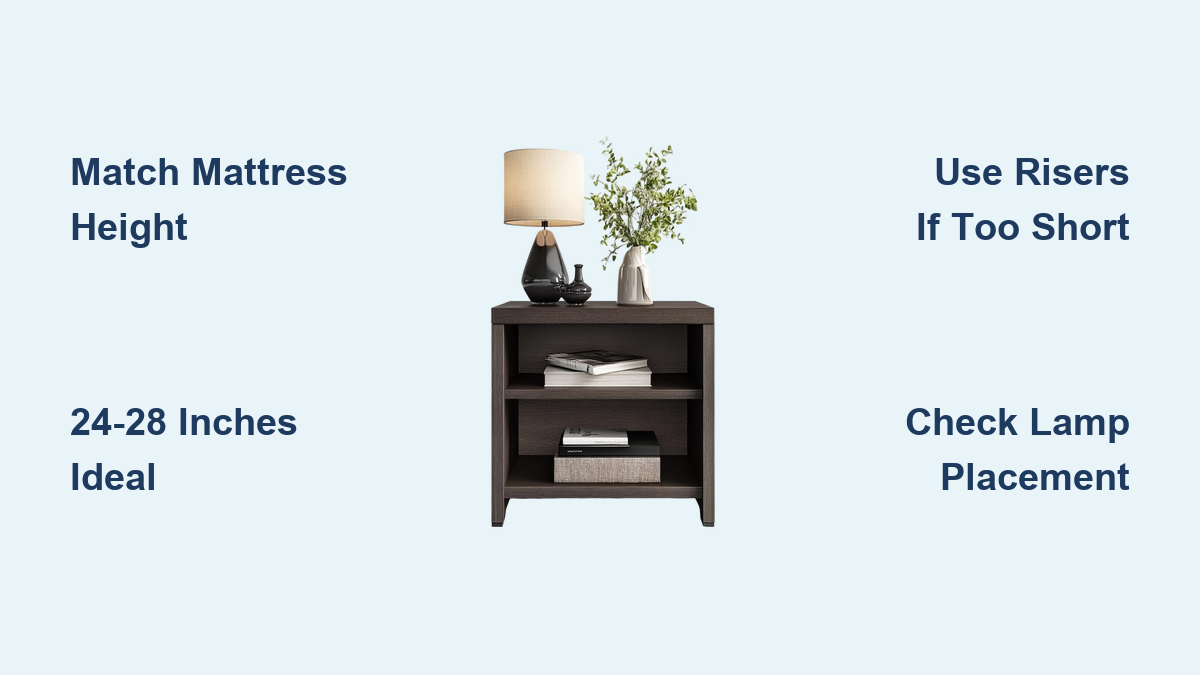
So, how tall should a bedside table be? The answer starts with your mattress. The top of your nightstand should align with the top of your mattress, ideally within 2 inches either higher or lower. This rule ensures effortless reach and ergonomic comfort whether you’re sitting up in bed or lying down. For most standard beds, this means selecting a table between 24 and 28 inches tall, but your exact height depends on your specific bed setup.
The Golden Rule: Match Nightstand to Mattress Height

The key to selecting the perfect bedside table lies in matching it to your bed’s actual sleeping surface. Too many people guess based on standard furniture sizes, only to end up with a table that throws off the room’s balance and makes daily use uncomfortable.
Why Alignment Matters
Proper height alignment prevents strain and enhances your daily routine. When your nightstand matches your mattress height, your arm rests naturally at a 90-degree angle when you’re sitting on the edge of the bed. This ergonomic sweet spot makes nighttime routines easier and keeps your space feeling intuitive.
The consequences of getting it wrong are real. A table that’s too low forces you to hunch forward and reach down, which strains your shoulders and neck. A table that’s too high makes you bump into it when getting in and out of bed and struggle to set things down smoothly.
The Tolerance Range
While exact leveling with the mattress is ideal, a tolerance range exists. Your nightstand can be slightly higher or lower than the mattress, but deviations should generally not exceed 2 to 4 inches. Being level with the mattress or up to 2 inches taller is considered the sweet spot for functionality.
In Feng Shui principles, if you must choose between higher or lower, a slightly lower table (under 2 inches below the mattress) is preferred over a higher one to promote better energy flow, though level is still the ultimate goal.
Ideal Bedside Table Height by Bed Type
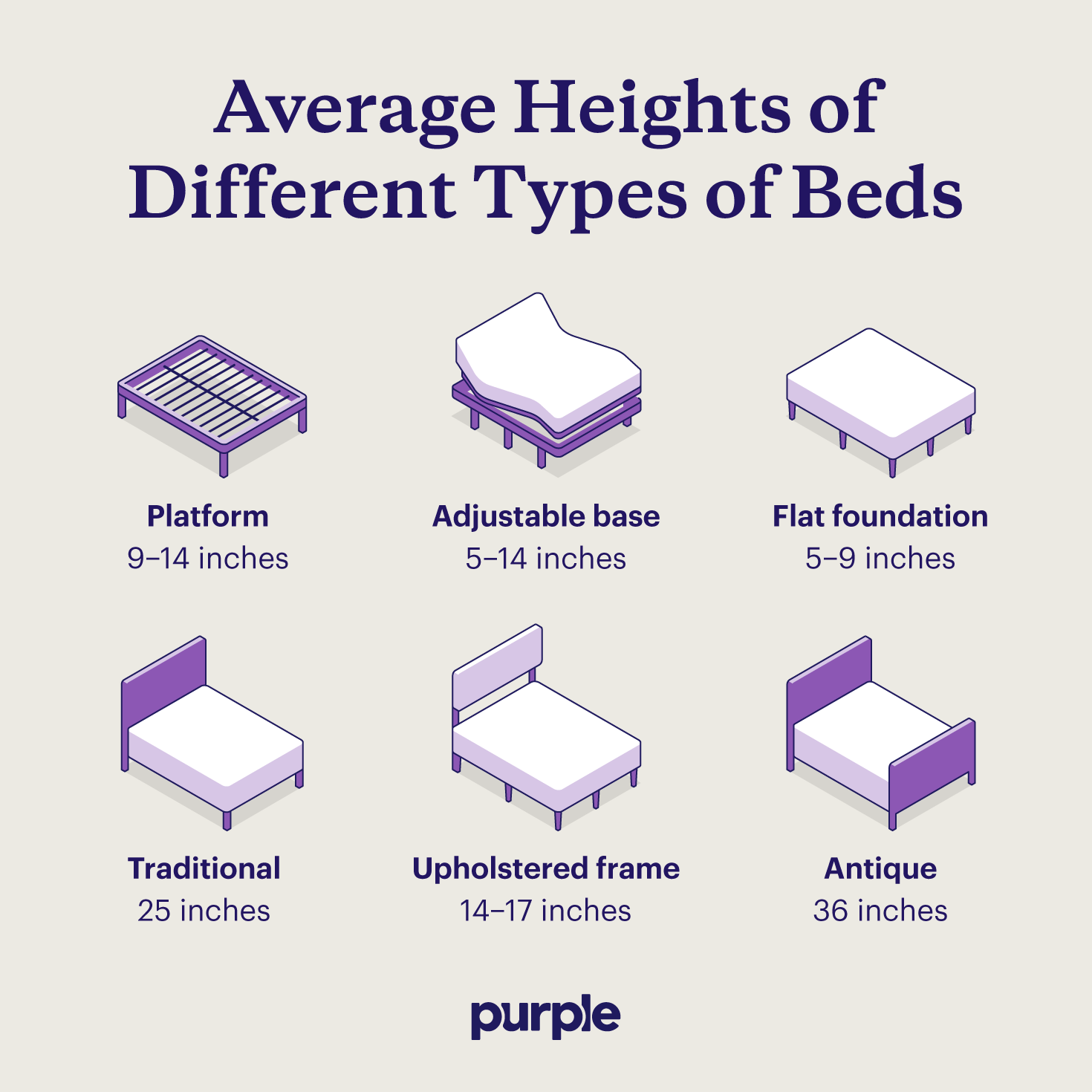
Not all beds are created equal, so your nightstand shouldn’t be either. Different bed styles and configurations demand different table heights.
Low-Profile Platform Beds
Modern platform beds sit close to the ground, often without box springs. With mattress heights typically between 18 and 22 inches, a standard 28-inch nightstand will look oversized and feel unbalanced.
Recommended Height: 20 to 24 inches
Choose shorter nightstands under 24 inches to maintain visual harmony. Floating shelves or wall-mounted units work particularly well here. Install them level with the mattress for ideal functionality. This approach is ideal for minimalist, Scandinavian, or mid-century modern rooms.
Standard Beds with Box Springs
This is the most common bedroom setup. A traditional bed frame with a box spring and standard mattress usually measures 23 to 26 inches from floor to top.
Recommended Height: 24 to 28 inches
Look for nightstands in the 25 to 27 inch range for best alignment. This height supports functional storage and proper lamp placement. It works with most bedroom styles from cottage to contemporary.
When viewed from the side, the bed, nightstand, and lamp should create a smooth horizontal line across the top.
Tall Pillow-Top and Upholstered Beds
Luxury beds with thick mattresses, high-profile box springs, or upholstered bases can reach 27 to 32 inches or more. Standard nightstands will appear too short and feel awkward to use.
Recommended Height: 28 to 32+ inches
Search for tall nightstands (28 inches plus) or repurpose a console table (typically 28 to 32 inches tall). These taller pieces add presence and match the bed’s grandeur. Don’t assume all nightstands max out at 28 inches. Many modern designs go up to 30 to 32 inches, especially in transitional or luxury collections.
Adjustable and Electric Beds
Adjustable bases change height or incline, so picking a fixed-height nightstand requires some flexibility.
Recommended Height: 26 to 28 inches (medium)
Choose a medium-height table around 26 to 28 inches as a safe compromise. Test reach with the bed in both flat and seated positions. Consider wall-mounted options that can be positioned at optimal height regardless of bed movement.
Avoid very short tables. They may become unreachable when the bed is elevated.
How to Measure Your Bed for the Perfect Fit
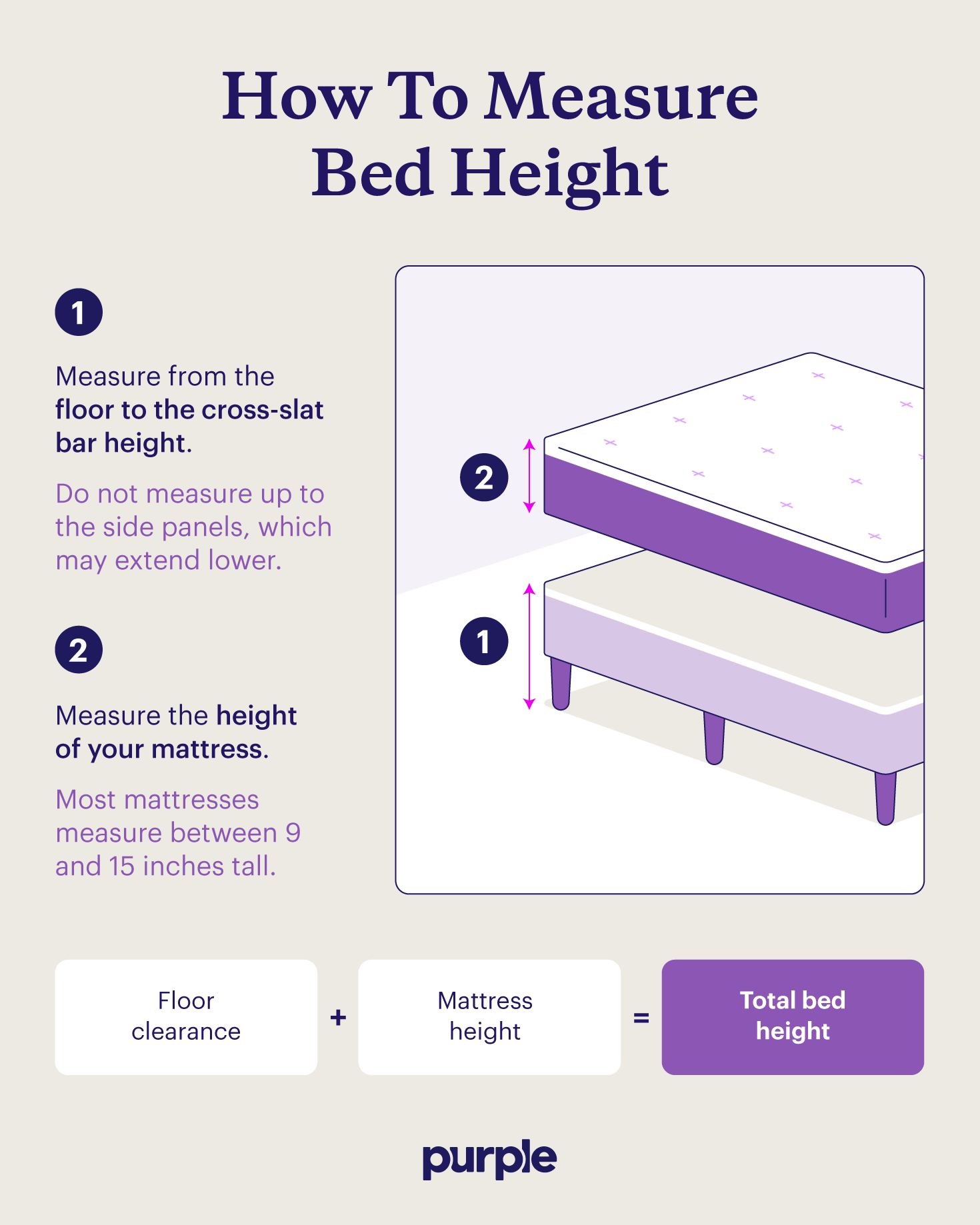
To find your perfect nightstand height, you need to measure your specific bed setup. Don’t guess based on old standards or catalog photos.
Step-by-Step Measurement Guide
First, measure the bed. Use a tape measure to determine the distance from the floor to the very top of the mattress, including any mattress toppers or pads. Do not measure to the bed frame. Measure to the sleeping surface.
Then, calculate your target range. Your ideal target equals mattress height. The acceptable range is mattress height plus or minus 2 inches, up to 4 inches maximum deviation.
Next, test the reach. Before purchasing, simulate the experience by sitting on the edge of the bed with your arms relaxed at your sides. Your elbows should naturally rest near the target height.
Finally, consider the lamp. If a table lamp will be used, add the lamp’s height to the table height. Ensure the light source lands in the 58 to 64 inch range from the floor.
Understanding Your Mattress Components
To determine the precise need, account for the cumulative height of your bed components. Standard mattress thickness ranges from 10 to 12 inches, while thick mattresses measure 14 to 16 inches. A standard box spring adds about 9 inches, while a low-profile box spring adds roughly 5 inches.
If using a thick mattress (14 inches) plus a standard box spring (9 inches) plus frame slats, the total height easily exceeds 25 inches, requiring a taller nightstand. Conversely, a modern platform with just an 8 to 12 inch mattress stays in the lower range.
Fixing a Bedside Table That’s Too Short or Too Tall

Even with good intentions, sometimes you end up with the wrong height. The good news? Many situations can be fixed without buying new furniture.
Solutions for Tables That Are Too Short
If your nightstand is 2 to 4 inches below the mattress, try these fixes.
Furniture risers are simple blocks or cylinders that lift the legs. Adjustable feet can replace short legs with taller ones (available online). A decorative tray or platform placed on top raises the functional surface.
Don’t stack books or boxes. They’re unstable and unsafe.
Solutions for Tables That Are Too Tall
A table that’s significantly taller than your mattress is trickier to correct. Reposition it as a console in another room. Use it only if within 4-inch tolerance and test reach before giving up. Swap it with a shorter piece from another room.
If you love the tall table’s look, consider lowering the bed height by removing the box spring if possible.
Bedside Table Dimensions: Width and Depth Guidelines
Height isn’t the only dimension that matters. A table can be the perfect height but still feel wrong if it’s too narrow or deep.
Choosing the Correct Width
Standard width for most bedrooms is 18 to 24 inches. For twin or full beds, 18 to 20 inches is sufficient. For queen or king beds, aim for 20 to 24 inches per side. Consider 24 to 29 inches for king or California king beds to balance visual weight.
A 16-inch table next to a king bed will look lost and unbalanced. If you prefer mismatched tables, that’s fine as long as both are within height tolerance and styled with matching lamps or decor.
Setting Proper Depth
The ideal depth is 16 to 20 inches. This must hold a lamp, book, and glass without crowding the walkway. Leave at least 18 to 24 inches between the nightstand and bed frame for easy movement.
Shallow tables 12 to 14 inches work in tight spaces but limit functionality. Use a table with a lower shelf or basket to store books or charging cables out of sight.
Lighting and Lamp Placement for Your Nightstand

A nightstand’s height affects more than reach. It impacts your bedside lighting significantly. A poorly placed lamp can cause glare or leave you reading in the dark.
Position Lamp at Eye Level
When sitting up in bed, the bottom of the lampshade should hit near your eye level, roughly 58 to 64 inches from the floor. For a 26-inch nightstand, choose a lamp that’s 24 to 28 inches tall.
If your table is shorter (22 inches), go for a taller lamp (30 to 34 inches) to compensate. If your table is tall (30 inches), use a shorter lamp or consider wall sconces.
Use dimmable LED bulbs and adjustable-arm lamps for better control over light direction.
Using Sconces for Tall or Odd Heights
If your nightstand is too short or too tall for ideal lamp placement, wall-mounted sconces are a smart alternative. Install them at 60 to 64 inches from the floor, just above the nightstand. Choose swing-arm or directional models to focus light where needed.
This frees up surface space and reduces clutter. Sconces add a boutique-hotel feel and work especially well with floating nightstands.
Storage Solutions for Bedside Tables
Even the best height won’t help if the table can’t hold what you need. Functionality extends beyond surface height to the internal organization of the unit.
Drawers and Shelves
At minimum, your nightstand should offer one drawer or shelf. Use the top drawer to keep phone, glasses, lip balm, and notepad. Store books, water bottle, or charging station on a lower shelf.
Drawers hide clutter while shelves offer quick access. Use a fabric bin or basket inside open shelves to corral small items.
Keeping Surface Minimal
A cluttered surface defeats the purpose of a calming bedroom. Follow the rule of three: lamp, book, and one personal item. Use a tray to group charging cables, jewelry, or skincare. Avoid stacking items. Keep it clean and functional.
Common Mistakes to Avoid When Choosing a Nightstand
Even experienced decorators get it wrong. Steer clear of these pitfalls to ensure your bedside table works for you.
Ignoring Modern Mattress Heights
Mattresses today are thicker than ever, often 14 to 16 inches with pillow tops. An old standard 24-inch nightstand may now be 6 inches too short. Always measure your actual bed setup. Don’t rely on outdated norms.
Prioritizing Looks Over Reach
That sculptural table may look stunning in the catalog, but can you reach it comfortably? Test reach before buying. Sit on your bed and mimic grabbing a glass. If your arm has to stretch or bend awkwardly, skip it.
Overlooking Room Scale
A massive 30-inch chest beside a twin bed overwhelms the space. Match furniture scale to bed size. In small rooms, opt for slim, floating, or leggy designs to preserve openness.
Poor Lighting Integration
A short table with a short lamp equals light too low for reading. Always consider table plus lamp height together. When in doubt, go taller on the lamp or switch to wall lighting.
Creative Nightstand Alternatives and Styles

You don’t have to choose between beauty and practicality. With smart planning, your nightstand can be both functional and stylish.
Floating Wall-Mounted Nightstands
Wall-mounted units offer total height control. Install them exactly level with the mattress. They’re great for small rooms because they keep floor space open. Pair with a single sconce or small table lamp.
They’re also easy to clean under and ideal for wheelchair accessibility.
Repurposing Console Tables
Narrow console tables (28 to 32 inches tall) make stylish, functional nightstands. They’re perfect for tall beds or modern aesthetics and provide extra surface area for decor or baskets underneath.
Ensure the piece is stable. Avoid wobbly pieces that could tip when leaned on.
Mixing and Matching Creatively
You don’t need matching nightstands. Use two different vintage pieces for character. Keep height within 2 inches of each other. Unify the look with matching lamps, art, or decor.
For example, a 25-inch wooden chest on one side and a 26-inch metal cart on the other, both topped with identical black lamps, creates cohesive style despite different pieces.
Frequently Asked Questions About Bedside Table Height
What is the standard height for a bedside table?
The standard height for most bedroom setups falls between 24 and 28 inches. This range accommodates standard mattress heights (including box springs) which typically measure 23 to 26 inches from the floor.
Does the bedside table have to match the mattress height exactly?
No, but it should be close. The ideal is leveling with the mattress top, with a tolerance of 2 to 4 inches either higher or lower. Anything beyond 4 inches risks causing reach issues or visual imbalance.
How do I measure for the correct bedside table height?
Measure from the floor to the top of your mattress (including any topper). That number is your target height. Look for nightstands within 2 inches of that measurement.
Can I use a console table as a bedside table?
Yes. Console tables 28 to 32 inches tall work well as nightstands, especially for taller beds. Just ensure the height falls within the acceptable range relative to your mattress.
What if my nightstand is too short?
Add height using furniture risers, adjustable feet, or a decorative tray on top. Avoid stacking unstable items like books.
What if my nightstand is too tall?
This is harder to fix. You can repurpose the piece in another room, use it if it’s within 4 inches of the mattress height, or lower your bed height if possible.
Key Takeaways for Finding Your Perfect Bedside Table Height
The perfect bedside table height starts with your mattress. Measure first, then choose a table within 2 inches of that height, ideally level. Whether you have a low platform bed or a plush luxury setup, the right height ensures comfort, function, and visual balance.
Prioritize ergonomics over aesthetics. Test reach before buying. Don’t be afraid to mix styles or repurpose furniture, just keep heights within range. Consider lamp height as part of your total setup. Ensure you have storage to keep surfaces clear.
With these guidelines, you’ll create a bedroom that’s not just stylish, but truly livable. Your nighttime routines will feel effortless, and your bedside setup will support rather than hinder your daily comfort.