How to Clean a Dining Table: Quick Steps
A clean dining table isn’t just about appearances. It’s the centerpiece of shared meals, family conversations, and lasting memories. Over time, daily use leaves behind sticky spots, water rings, dust buildup, and subtle grime that dulls the wood’s natural warmth. Without proper care, these issues can lead to permanent damage like warping, clouding, or finish erosion. The good news? With the right approach, you can keep your dining table looking pristine for years.
This guide delivers a step-by-step cleaning system tailored to your finish type. Whether your table is sealed, oiled, antique, or veneer, you’ll learn how to deep clean safely, remove stubborn stains, and prevent future damage using simple tools and household-friendly solutions.
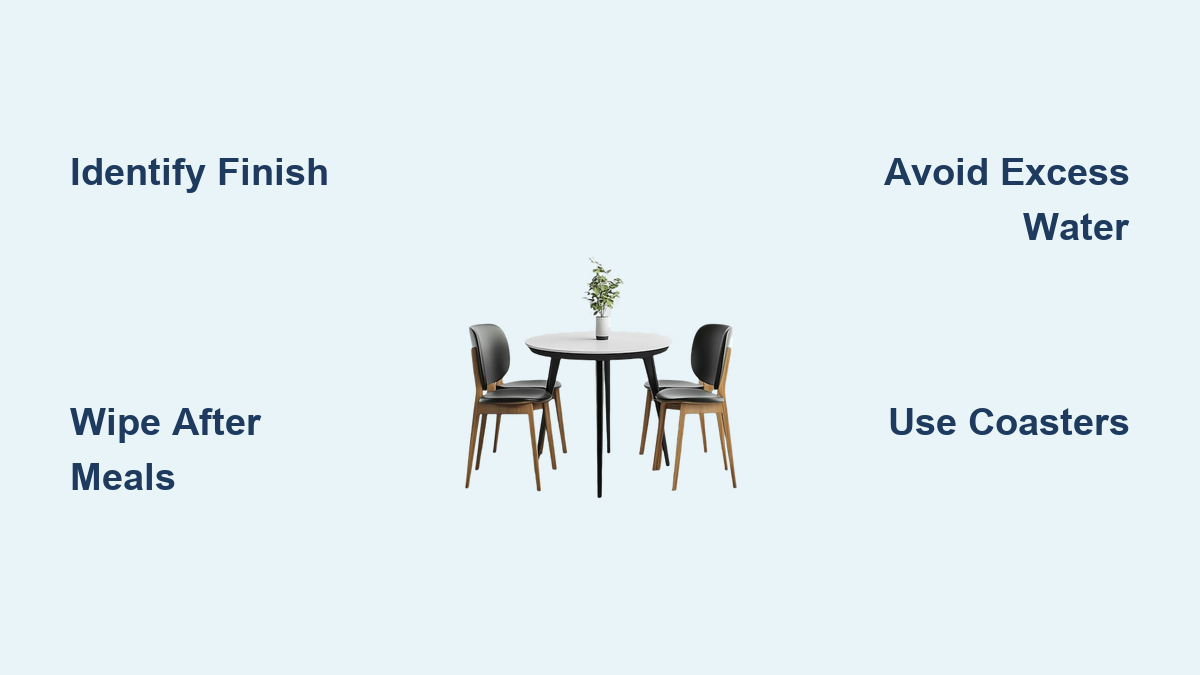
Identify Your Table’s Finish Before Cleaning

Before applying any cleaner, determine your table’s finish. Using the wrong method can cause irreversible harm. Most dining tables fall into one of four categories.
Sealed or Varnished Wood
This finish has a glossy or satin sheen and feels smooth, almost plastic-like. It acts as a protective barrier, making it safe for gentle cleaning with a barely damp microfiber cloth. Never let water pool, especially along seams or edges, where it can seep underneath and cause swelling or clouding.
Oiled or Unsealed Wood
These surfaces feel like raw timber and are highly porous. They absorb moisture quickly, so water must be avoided. Clean only with a dry or slightly damp cloth, and re-oil every three to six months to prevent cracking and maintain luster.
Antique or Restored Wood
Delicate by nature, antique finishes demand extra caution. Avoid vinegar, ammonia, and abrasive tools. Stick to mild soap and water or a wood-safe oil polish. Always test any product on a hidden area first.
Wood Veneer
Though thin, veneer responds well to standard wood care if moisture is kept under control. Excess water can cause delamination, or peeling. Treat it like solid wood but be extra vigilant about drying.
Pro Tip: When in doubt, assume your table is oiled or unsealed. This conservative approach prevents accidental water damage.
Daily and Weekly Maintenance Routine
Regular upkeep prevents grime buildup and protects the finish. A few minutes of care each week saves hours of deep cleaning later.
Dust With the Grain Weekly
Dust is more than unsightly. It is abrasive. Over time, it creates micro-scratches that dull the surface.
- Use a dry, lint-free microfiber cloth or old cotton T-shirt
- Wipe in the direction of the wood grain
- Include the legs and underside, where dust attracts pests
Avoid baby wipes unless labeled alcohol-free and fragrance-free, as many contain chemicals that degrade finishes.
Wipe After Every Meal
Clean the table immediately after eating to remove food residue, spills, and germs.
- Use a warm, barely damp microfiber cloth
- Add a drop of mild dish soap to the water
- Wipe gently with the grain, then dry immediately with a second cloth
This simple habit prevents sticky buildup and preserves the finish longer than infrequent deep cleaning.
Deep Clean Every Few Months
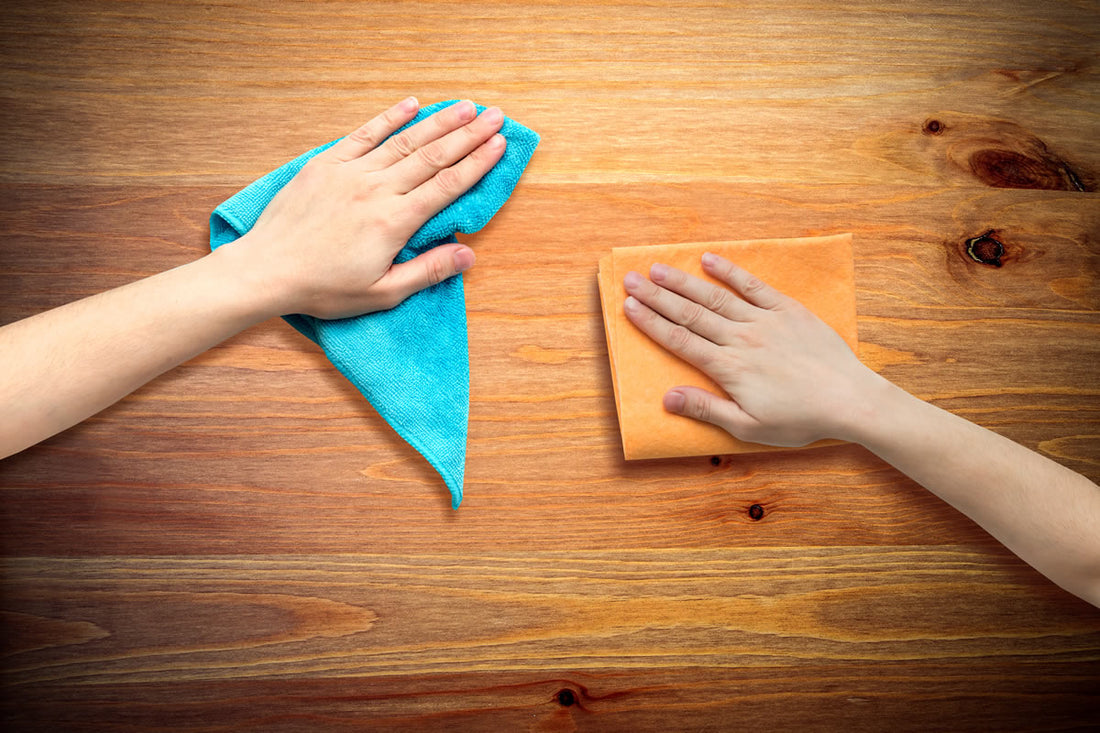
Perform a thorough cleaning every three to four months to remove accumulated grime and restore shine.
Prepare the Cleaning Solution
Mix a few drops of mild dish soap into a bowl of warm water. For a natural alternative, use one tablespoon of Castile soap per cup of warm water.
Never spray directly onto the table. Moisture can seep into joints and cause damage.
Apply With a Damp Cloth
Wring your cloth until it is just damp, no dripping. Test on a small, hidden area first.
- Wipe the surface gently, following the grain
- Avoid scrubbing. Let the soap lift grime naturally
- Focus on sticky spots or greasy areas near where hands rest
Rinse and Dry Immediately
After cleaning, rinse your cloth in clean water and wring thoroughly.
- Wipe the table again to remove soap residue
- Immediately buff dry with a clean, absorbent cloth
Leaving moisture on wood, even for twenty minutes, can cause swelling or white clouding.
Safe Cleaning Solutions for Wood
Using the right cleaner protects your table’s finish and prevents long-term damage.
Mild Soap and Water
This is the gold standard for sealed, varnished, and painted wood. It removes everyday grime without stripping protective layers.
- Safe for sealed, varnished, veneer, and painted finishes
- Use sparingly on unfinished or oiled wood, and dry instantly
Diluted Vinegar
Mix one part white vinegar with one cup of water. This solution is effective for cutting grease on sealed wood.
- Test first on a hidden spot and wait ten minutes
- Avoid on oiled, waxed, or antique finishes, as vinegar strips natural oils
- Frequent application can dull glossy finishes over time
Commercial Cleaners
Only use products labeled for your specific finish type.
- Look for “safe for oiled wood” or “for sealed finishes”
- Avoid all-purpose sprays and polishes with silicone, which create sticky buildup
What to Never Use on Wood
Some common household items can ruin your dining table permanently.
Abrasive Cleaners and Pads
Steel wool, scouring pads, and abrasive sponges scratch the surface permanently. Even non-scratch pads can dull finishes over time.
Ammonia and Bleach
Found in glass and bathroom cleaners, these chemicals haze or strip wood finishes. Never use Windex or bleach-based products.
Excess Water
Soaking the table or allowing puddles leads to warping, swelling, and finish failure. Always use a damp, not wet, cloth.
Silicone-Based Polishes
They create temporary shine but build up over time, attracting dust and making the surface feel sticky. Use silicone-free polish instead.
Clean Textured and Rustic Surfaces
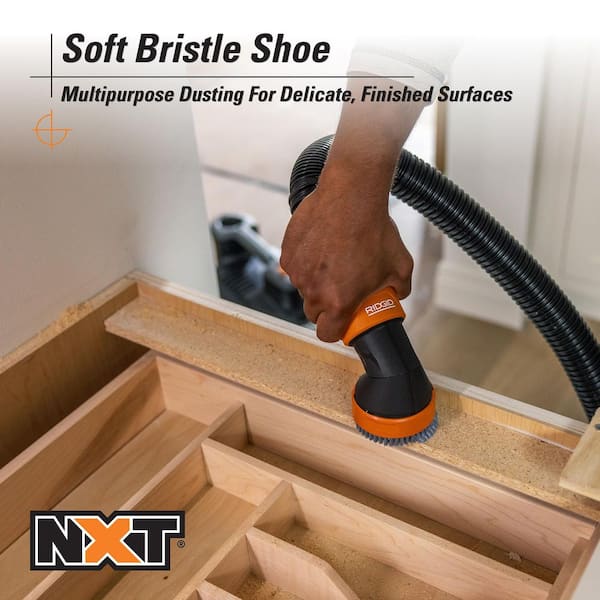
Rustic tables with grooves and carvings trap crumbs, dust, and spills. These require special attention.
Remove Debris First
- Use a soft-bristle toothbrush or small brush to dislodge particles from crevices
- Follow up with a vacuum brush attachment to lift loosened dirt
Clean Without Soaking
- Dampen a cotton swab or cloth, never spray directly
- Gently clean grooves, avoiding excess moisture
- Use a dry cloth to absorb any remaining dampness
Remove Sticky Residue

A sticky feel usually means polish or spray buildup, not dirt.
Try Soap and Water First
Clean with mild soap, then wipe with a fresh, damp cloth. Dry thoroughly. Repeat if needed.
For Persistent Stickiness
Use a finish-safe cleaner designed to dissolve buildup.
- Apply sparingly with a microfiber cloth
- Wipe, rinse with a damp cloth, and dry
- Never add more polish. This worsens the problem.
Treat Common Stains and Damage

Act quickly to address spills and marks before they become permanent.
White Water Rings
Caused by trapped moisture under the finish.
- Hair dryer method: Set to medium heat, hold six to eight inches away, and move in slow circles for one to two minutes
- Mayonnaise or petroleum jelly: Apply a thin layer, wait one to two hours, wipe off, and buff dry
- Warm cloth: Place a warm, not hot, damp cloth on the ring for a few minutes, then dry
Dark Water Stains
These indicate deep moisture penetration. Home remedies often fail.
- Light sanding with 220-grit sandpaper gently on the spot
- Apply matching oil or wax to refinish the surface
- Consult a professional for large or deep stains
Heat Marks
Hot dishes leave foggy or discolored spots.
- Always use trivets. If you cannot hold a dish for thirty seconds, it is too hot
- For mild marks, rub non-gel toothpaste in a circle, wipe clean, and dry
- Severe damage is often permanent. Professional refinishing may be needed.
Scratches and Dings
Fix minor damage with simple tricks.
- Walnut trick: Rub a walnut half over a scratch on dark wood. The oil darkens and fills the groove
- Color matching: Use a crayon, marker, or coffee grounds that match the wood tone
- Buffing: For shallow scratches, use 0000 steel wool with furniture wax
- Deep scratches: Use a wood touch-up pen or call a professional
Prevent Future Damage
The best cleaning strategy is preventing messes in the first place.
Use Protective Accessories
- Coasters for every drink, every time
- Trivets and heating pads for hot dishes and slow cookers
- Felt pads on the bottom of vases, lamps, and chairs to prevent scratches
- Placemats to block food stains and protect from cutlery. Avoid plastic, which can transfer dyes
- Tablecloths for large meals. Remove and clean underneath regularly to avoid sticky buildup
Control Light and Humidity
- Sunlight fades wood. Use curtains or reposition the table
- Keep away from radiators and vents to prevent drying and cracking
- Maintain forty to forty-five percent indoor humidity. Use a humidifier in winter, AC in summer
Polish and Refinish Properly
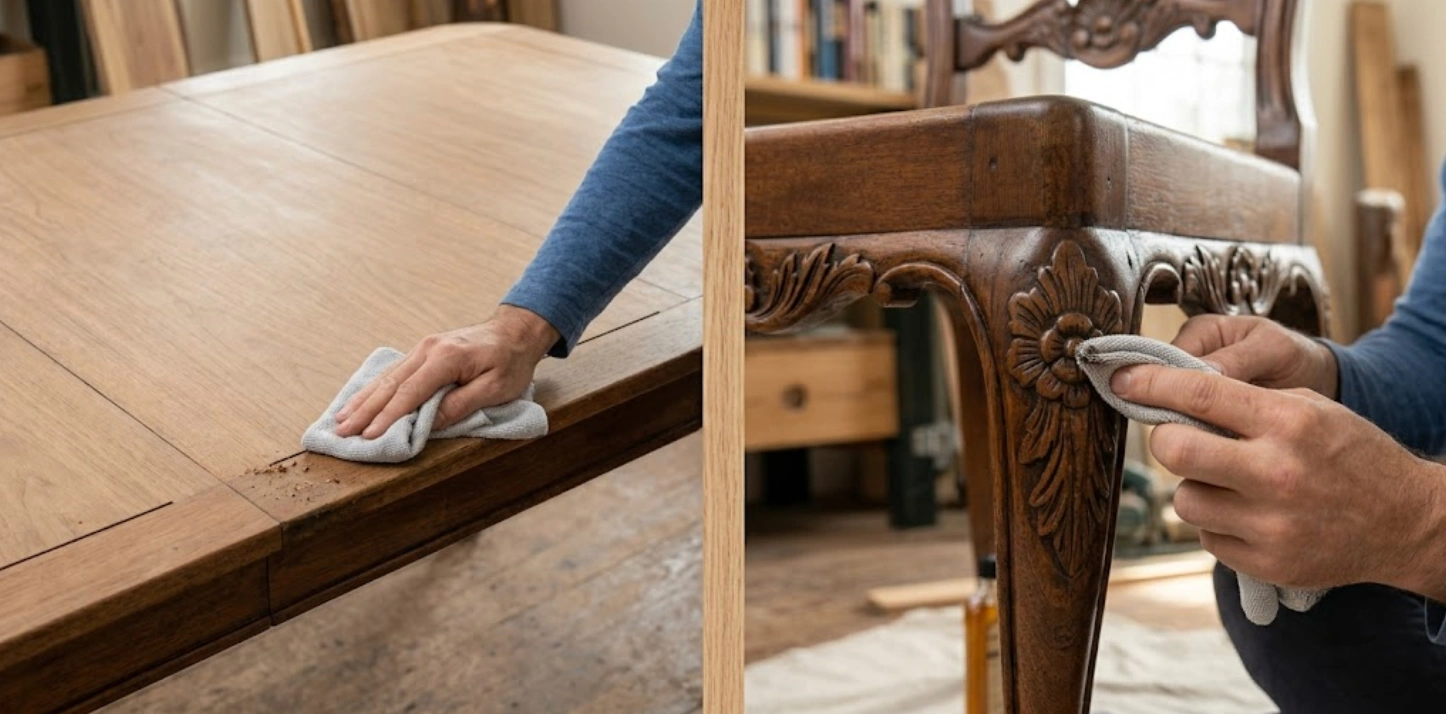
Polishing restores shine and adds a protective layer, but overuse causes stickiness.
Polish Twice a Year
- Use silicone-free polish applied with a lint-free cloth
- Buff with microfiber after application
- More frequent polishing leads to buildup
Re-Oil Unsealed Tables
Oiled wood loses moisture over time.
- Schedule re-oiling every three to six months
- Use manufacturer-recommended oil, such as tung or linseed
- Apply a thin, even coat with a cloth. Wipe off excess after fifteen minutes
When to Call a Professional
Some damage is beyond DIY fixes. Contact a professional if you notice deep scratches or gouges that catch your fingernail, persistent water stains after home treatment, mold that returns or appears deep in the grain, finish peeling or bubbling, or antique tables with historical value requiring specialized care.
Frequently Asked Questions About Cleaning a Dining Table
How often should I clean my dining table?
Perform weekly dusting and post-meal wipe-downs. Deep clean every three to four months. This routine prevents buildup and protects the finish.
Can I use vinegar to clean my dining table?
Only on sealed or varnished wood. Dilute one part white vinegar with one cup of water. Never use vinegar on oiled, waxed, or antique finishes, as it strips natural oils.
How do I remove water rings from my dining table?
For white rings, try the hair dryer method, apply mayonnaise or petroleum jelly, or use a warm damp cloth. Dark rings indicate deeper damage and may require light sanding or professional refinishing.
What is the best way to clean an antique dining table?
Use only mild soap and water or wood-safe oil polish. Avoid vinegar, ammonia, and abrasive tools. Always test any product on a hidden area first.
How do I prevent my dining table from getting water stains?
Always use coasters for every drink. Wipe spills immediately. Use trivets for hot dishes. These simple habits prevent most water ring formation.
Should I polish my dining table?
Polish twice a year with silicone-free furniture polish. Over-polishing creates sticky buildup that attracts dust and degrades the finish.
Key Takeaways for Keeping Your Dining Table Clean
A well-maintained dining table lasts generations. By identifying your finish type, cleaning gently and consistently, and using the right tools, you protect both beauty and function. Make post-meal wipes and weekly dusting a habit. Always dry immediately after cleaning, and use coasters and trivets without exception. With these practices, your table will stay clean, safe, and ready for every meal.