How to Disinfect a Kitchen Table
Is your kitchen table sticky, streaky, or potentially contaminated after meal prep? Knowing how to disinfect a kitchen table properly is essential for maintaining a hygienic home, especially if it doubles as a food prep surface. A quick wipe-down removes crumbs, but true disinfection kills harmful bacteria like Salmonella, E. coli, and Listeria that can linger after handling raw meat, eggs, or produce.
The key is that not all tables are cleaned the same. A wooden dining table used for family dinners requires a gentler method than a laminate countertop used for chopping vegetables. Using the wrong cleaner or skipping critical steps like rinsing soap residue or allowing proper contact time can leave germs behind or damage your furniture. In this guide, you’ll learn the exact steps to safely and effectively disinfect any kitchen table, from bleach solutions for non-porous surfaces to natural methods for delicate wood.
Clean vs. Disinfect: Know the Difference
Before grabbing a spray bottle, understand that cleaning and disinfecting are two separate steps. Skipping one compromises the other and puts your household at risk.
Cleaning removes visible dirt, grease, and food particles using soap and water. It improves appearance but does not kill germs. Disinfecting uses chemical or natural agents to destroy pathogens. However, disinfectants cannot penetrate grime. If the surface is not cleaned first, the sanitizer will not work.
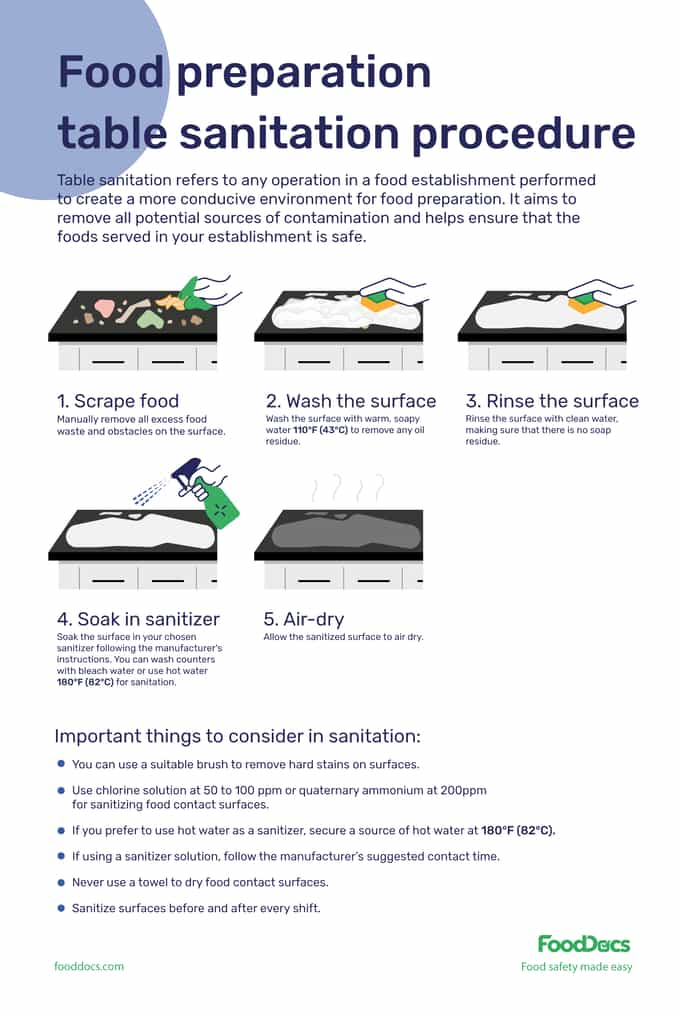
For food-safe results, follow this sequence. First, clean with warm, soapy water. Second, rinse thoroughly to remove soap residue, which can neutralize disinfectants. Third, apply disinfectant and let it sit for the required contact time. Fourth, air dry completely. Do not towel dry, as this can recontaminate the surface. This sequence is crucial, especially on surfaces where raw meat, poultry, or eggs are handled.
Choose the Right Disinfectant for Your Table
Not all cleaners kill germs. Use only EPA-approved disinfectants for food contact surfaces, unless you are using a proven natural alternative.
Best Chemical Disinfectants
• Diluted bleach: 100 ppm concentration (1 tablespoon per gallon of water), 2-5 minutes contact time, best for non-porous tables like laminate, plastic, and stainless steel
• Quaternary ammonium (quats): 200 ppm concentration, 1 minute contact time, commercial-grade sanitizing safe on most hard surfaces
• Hydrogen peroxide (3%): Undiluted, 1-3 minutes contact time, general use with eco-friendly benefits but may discolor some finishes
Pro Tip: Always check the product label for contact time. The surface must stay wet for the full duration. If it dries too soon, reapply the solution.
Avoid These on Kitchen Tables
• Hand sanitizers (not approved for surfaces, leave sticky residue)
• Undiluted vinegar (too acidic for wood, degrades finish over time)
• Ammonia or Windex (can damage finishes and release harmful fumes when mixed with bleach)
Disinfect Non-Porous Tables (Laminate, Plastic, Metal)

Tables made of laminate, Formica, stainless steel, or plastic are easy to disinfect and can handle stronger chemicals without damage.
Step-by-Step: Sanitize Hard Surfaces
- Remove debris with a dry microfiber cloth or scraper.
- Wash with warm, soapy water and a soft sponge. Focus on sticky or greasy spots.
- Rinse with clean water to remove soap film.
- Apply disinfectant using diluted bleach or a ready-made quat-based spray. Spray or wipe the solution evenly across the surface.
- Wait 2-5 minutes (or as directed) to allow full germ-killing action.
- Air dry completely. Do not wipe with a cloth.
Time Estimate: 10-15 minutes total. Warning: Never mix bleach with vinegar, ammonia, or hydrogen peroxide, as this creates toxic gases.
Disinfect Wood Tables Safely

Wood is porous and sensitive to moisture, heat, and harsh chemicals. While you cannot sanitize wood like metal, you can clean and disinfect it effectively without warping or dulling the finish.
Step-by-Step: Clean and Disinfect Wood
- Clear debris with a dry microfiber cloth or soft brush. Vacuum crevices.
- Clean gently by mixing a few drops of mild dish soap with warm water. Dampen a cloth (wring until almost dry) and wipe with the grain.
- Rinse with a clean, water-dampened cloth.
- Dry immediately with a soft, dry towel to prevent water spots.
- Disinfect lightly using a diluted vinegar solution (1 part vinegar to 2 parts water) sparingly. Spray lightly, wipe, and dry immediately. Alternatively, use hydrogen peroxide (3%) applied with a cloth, then wipe and dry fast.
- Air dry for 5-10 minutes.
Pro Tip: For high-touch disinfection after illness, use disposable paper towels for the final wipe to avoid cross-contamination from reusable rags.
Natural DIY Disinfecting Options
Prefer non-toxic solutions? These DIY mixes clean and offer mild germ-killing power, ideal for dining tables not used for raw food prep.
All-Purpose Natural Cleaner (Safe for Wood)
This recipe cleans, conditions, and leaves no streaks. Safe for daily use on finished wood.
• 1 ½ cups filtered water
• 2 tablespoons olive oil
• ½ tablespoon Castile soap
• 5-10 drops essential oil (optional: lemon, tea tree, or lavender)
Mix in a spray bottle and shake well before each use. Spray on table and wipe with a lint-free cloth in circular motions, then buff dry.
Natural Disinfecting Spray (Light Germ Control)
• 1 cup water
• ½ cup white vinegar
• 10 drops tea tree or eucalyptus oil (natural antimicrobials)
Spray lightly on surface, wipe with microfiber cloth, and dry immediately.
Limitation: Not a substitute for EPA-approved sanitizers on food preparation surfaces. Warning: Avoid frequent use on wood, as vinegar’s acidity can erode finishes over time.
How Often to Disinfect Your Kitchen Table
Frequency depends on use. Follow these guidelines to maintain a hygienic surface.
• Daily: Wipe and clean dining tables after each meal.
• After raw food prep: Disinfect immediately after handling meat, poultry, seafood, or eggs.
• After illness: Disinfect multiple times daily if someone is sick.
• Weekly: Deep clean and disinfect all kitchen tables, even if used only for dining.
• After spills: Clean and disinfect sticky or organic spills like milk, juice, or food right away.
Rule of Thumb: If the table is a food contact surface, sanitize before and after each prep session.
Common Mistakes to Avoid When Disinfecting
Even with the right products, poor technique reduces effectiveness. Avoid these errors to ensure proper disinfection.
• Skipping rinsing after soapy wash: Soap residue attracts dirt and can deactivate disinfectants. Always rinse with clean water before applying sanitizer.
• Letting disinfectant dry too fast: If bleach or hydrogen peroxide dries in 30 seconds, it has not had time to kill germs. Reapply and keep the surface wet for the full contact time.
• Using steel wool or abrasives: Scratches harbor bacteria and ruin finishes. Use soft cloths and sponges only.
• Soaking wooden tables: Even a few minutes of standing water can cause warping or swelling. Always wipe and dry immediately.
• Using hot water on wood: Hot water can raise the grain or damage the finish. Stick to warm or cool water.
Handle Stains and Damage on Kitchen Tables

Accidents happen. Here is how to fix common table issues without causing more harm.
Remove Water Rings
- Place a clean cloth over the ring.
- Set an iron to low heat (no steam).
- Press gently for 5-10 seconds.
- Check progress and repeat if needed.
Why it works: Heat draws out trapped moisture under the finish. Test first on a hidden spot to avoid finish damage.
Erase Sharpie or Ink Marks
- Color over the mark with a dry-erase marker.
- Wipe immediately with a damp cloth. The solvents lift the permanent ink.
- Repeat if needed.
Alternative: Apply fresh Sharpie over the stain and wipe while wet.
Hide Scratches
• Brown crayon: Rub into scratch and wipe excess with a damp cloth.
• Permanent marker: Use a fine-tip marker close to wood tone, then wipe with cleaner to blend.
Always test in an inconspicuous area first.
Clean Crevices and Corners
Use a soft toothbrush or grout brush for grooves. For sticky residue, dip a cotton swab in DIY cleaner and target the spot. Finish with a dry cloth.
Protect and Maintain Your Kitchen Table

Prevention beats repair. Extend your table’s life with these simple habits.
Use Protective Barriers
• Placemats and coasters prevent water rings and stains.
• Tablecloths shield against spills and UV fading.
• Trivets protect from hot pans. Never place hot items directly on wood.
Dust Regularly
Dust contains abrasive particles. Wipe with a dry microfiber cloth weekly to prevent micro-scratches.
Condition Wood Monthly
If your table looks dull or feels dry, apply mineral oil, furniture wax, or tung oil. Rub in with a soft cloth following the grain. Let sit 15-30 minutes, then buff to a soft shine. This restores moisture and protects the finish.
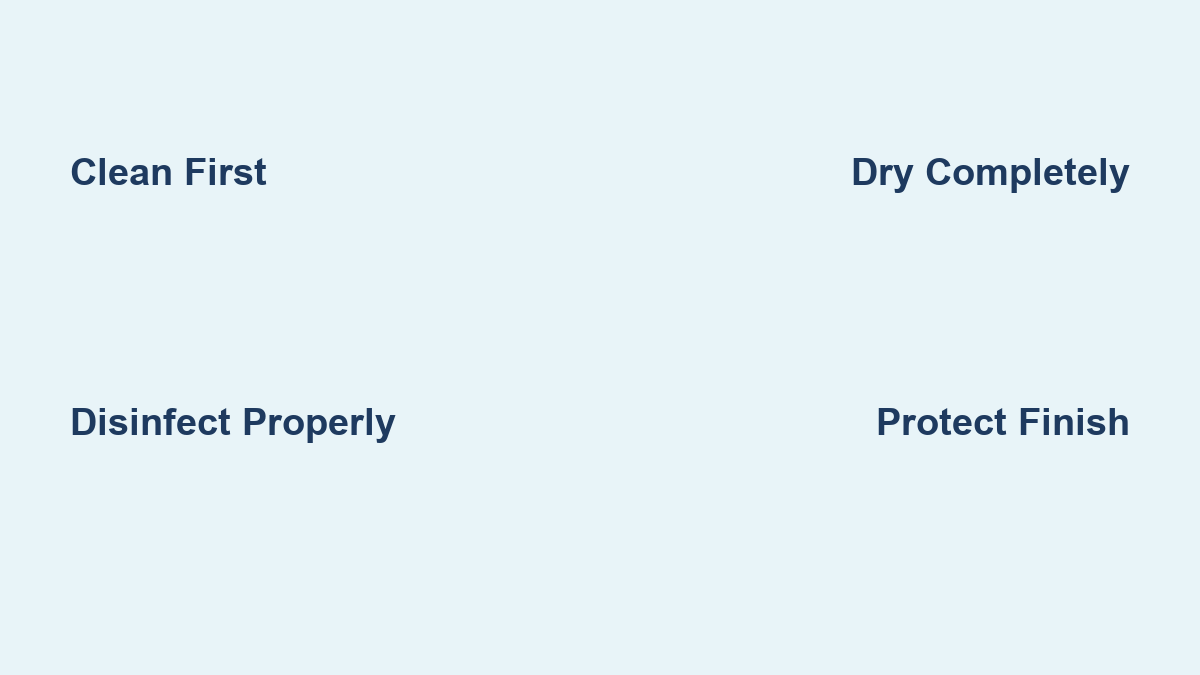
Final Checklist: Safe Disinfection in 5 Steps
Use this quick-reference guide for reliable results every time.
- Remove debris: Wipe away crumbs and spills.
- Wash: Clean with soapy water and rinse well.
- Disinfect: Apply approved solution and keep wet for contact time.
- Air dry: Let surface dry naturally.
- Protect: Use placemats, trivets, and condition wood monthly.
Frequently Asked Questions About Disinfecting a Kitchen Table
What is the difference between cleaning and disinfecting a kitchen table?
Cleaning removes visible dirt, grease, and food particles using soap and water. Disinfecting kills harmful bacteria and pathogens using chemical or natural agents. Both steps are necessary. Cleaning first allows disinfectants to work properly.
Can I use bleach on my wooden kitchen table?
No. Bleach is too harsh for finished wood and can strip the finish and damage the wood fibers. For wood tables, use a diluted vinegar solution or hydrogen peroxide, and always wipe dry immediately to prevent moisture damage.
How long does disinfectant need to sit on a kitchen table?
Contact time varies by product. Diluted bleach requires 2-5 minutes, while quaternary ammonium products need about 1 minute. The surface must remain wet for the full duration. If it dries too soon, reapply.
Is vinegar a safe disinfectant for kitchen tables?
Vinegar has mild antimicrobial properties but is not EPA-approved for food preparation surfaces. It is safe for occasional use on non-porous surfaces but can damage wood finishes with frequent use. For high-risk food prep, use EPA-approved disinfectants instead.
How often should I disinfect my kitchen table?
Disinfect after every raw food preparation session, after handling meat, poultry, or eggs, after any illness in the household, and after spills involving organic matter. For general dining use, a weekly deep disinfection is sufficient.
Can I use hand sanitizer to disinfect my kitchen table?
No. Hand sanitizers are not approved for surface disinfection. They leave sticky residue, may transfer scents to food, and are not cost-effective for table cleaning. Use EPA-approved food-safe sanitizers instead.
Key Takeaways for Disinfecting Your Kitchen Table
Disinfecting your kitchen table is not just about cleanliness. It is about protecting your family from harmful pathogens. Whether you are using bleach, hydrogen peroxide, or a natural DIY mix, the right method depends on your table’s material and how you use it.
Prioritize food-safe practices for prep surfaces. Never skip the rinsing step after soapy cleaning, as soap residue can neutralize disinfectants. Always allow proper contact time. Keep the surface wet for the full duration specified on your disinfectant product.
For wood tables, protect the finish by avoiding harsh chemicals, never soaking the surface, and drying immediately after cleaning. Use placemats, coasters, and trivets to prevent damage. Condition wood monthly to maintain its luster and protect against drying.
With consistent care using the proper techniques for your table type, your kitchen table can stay clean, germ-free, and beautiful for years. Start with the five-step disinfection sequence today. Clean first, then disinfect, and your table will be truly safe for food preparation and family dining.