How to Clean an Outdoor Stone Table
Is your outdoor stone table looking dull, stained, or weathered? You’re not alone. Many homeowners love the elegance of natural or faux stone patio tables but struggle to keep them clean and protected from the elements. The key to a long-lasting, beautiful finish lies in using the right methods for your specific stone type. Whether you have granite, marble, sandstone, or a composite surface, improper cleaning can lead to etching, staining, or even cracking. This guide delivers a complete, step-by-step approach to safely cleaning and maintaining your outdoor stone table without damaging its finish.
Identify Your Stone Type

Choosing the correct cleaning method starts with knowing what kind of stone you’re working with. Each material reacts differently to moisture, acids, and cleaners. Taking time to identify your stone type prevents costly mistakes and ensures you’re using the appropriate care routine.
Natural vs. Faux Stone Differences
Natural stone includes marble, granite, travertine, and sandstone, each offering unique beauty but varying in durability. Granite is dense and highly resistant to stains and weather, making it virtually maintenance-free. Marble and sandstone, however, are porous and easily damaged by acids and freezing water. Faux stone and composites like porcelain or solid surface materials mimic natural stone but are generally more resilient and easier to clean. Still, manufacturer guidelines should always be checked, as formulations differ significantly between products.
Match Care to Stone Porosity
Granite requires minimal maintenance and can handle occasional spills without damage. Marble and travertine need immediate spill cleanup and frequent sealing to prevent staining. Sandstone behaves similarly to marble, prone to staining and water absorption. If you’re unsure of your table’s material, perform a water test: place a few drops on the surface. If it darkens within minutes, the stone is porous and needs sealing.
Gather Safe Cleaning Supplies
Using the wrong tools or cleaners is the fastest way to ruin a stone surface. Always prepare the correct, stone-safe materials before starting your cleaning project. Having everything on hand makes the process smoother and more effective.
Approved Cleaning Agents
Stick to pH-neutral solutions for safe cleaning. A mix of mild dish soap and lukewarm water works well for routine cleaning. For tougher jobs, use a dedicated stone cleaner like Simple Green, a biodegradable, water-based option that won’t strip sealants. For oil-based stains on granite, white spirit can be used cautiously, but always rinse thoroughly and reapply wax if needed. For deep-set stains, a poultice paste draws out discoloration without scrubbing.
Essential Tools
Use only soft, non-abrasive tools to protect your stone surface. Microfiber cloths or color-fast sponges gently clean without leaving residue. Plastic scrapers remove dried-on debris without scratching. Soft dust mops handle daily particle removal. Paper towels work best for immediate spill blotting. Avoid anything rough or metallic, including steel wool, scouring pads, or abrasive brushes.
Avoid Harmful Cleaners and Tools
Even if a product works on other surfaces, it may destroy your stone table. Knowing what to avoid is just as important as knowing what to use. Many common household cleaners contain chemicals that cause permanent damage to stone finishes.
Never Use Acidic or Alkaline Cleaners
Vinegar, lemon juice, and citrus-based cleaners cause etching, which creates permanent dull spots, especially on marble and travertine. Ammonia, bleach, and baking soda break down sealants and discolor the surface. Avoid generic tile or bathroom cleaners, as they’re too harsh for stone finishes. These products may seem effective in the short term but cause irreversible damage.
Skip Abrasives and Silicone Sprays
Scouring creams, glass cleaners, and oil soaps leave residues or scratch the surface. Silicone-based sprays create a film that traps moisture and prevents the stone from breathing. Stick to stone-specific products only. Your table will stay protected and looking its best when you avoid these common pitfalls.
Perform Routine Surface Cleaning
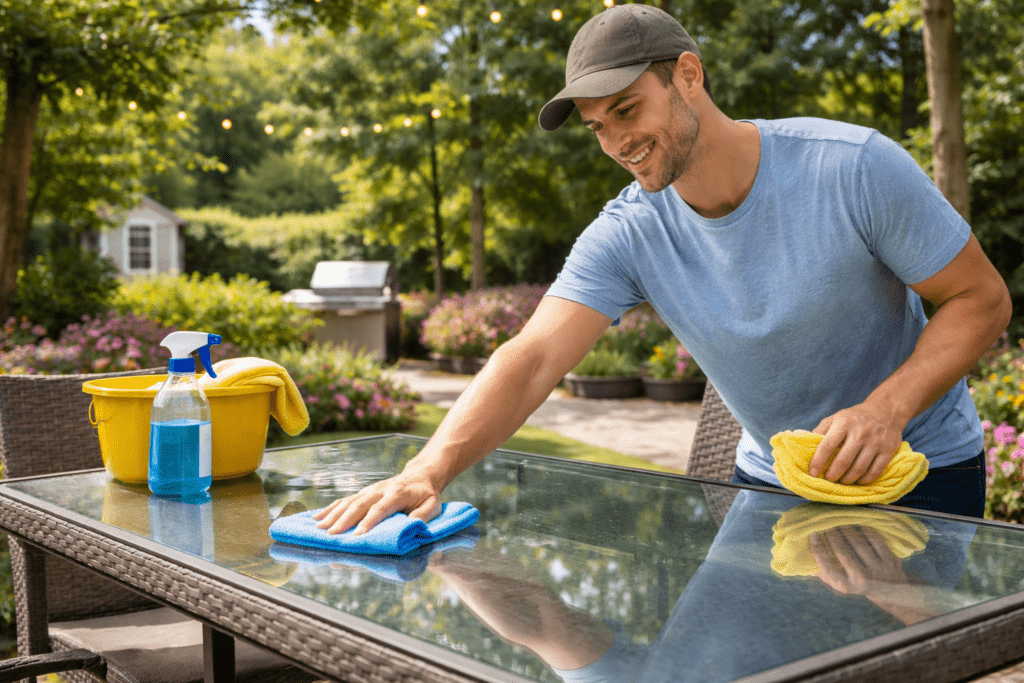
Daily and weekly maintenance prevents buildup and extends the life of your table. Consistent care is far easier than dealing with embedded stains later. A few minutes each day keeps your table beautiful for years.
Daily Dust and Debris Removal
Use a dry microfiber cloth or soft dust mop to wipe away pollen, leaves, and dust. This prevents abrasive particles from scratching the surface when wet. Daily attention takes less than two minutes but protects your investment significantly.
Weekly Rinse and Wipe
Rinse the table with plain water to flush away settled dirt. For light grime, wipe with a soapy solution using a soft sponge. Rinse thoroughly and dry completely with a clean cloth. Never let water sit, especially on porous stone, as lingering moisture leads to staining and freeze damage.
Deep Clean With pH-Neutral Soap
When the surface appears dull or has light stains, a deeper clean is needed. This monthly or bi-monthly process restores the stone’s natural beauty without causing harm. Plan for about 10 to 15 minutes for a thorough deep clean.
Mix the Right Cleaning Solution
Combine a few drops of pH-neutral dish soap with a bucket of lukewarm water. Avoid over-sudsing, as soap residue attracts dirt. A gentle solution cleans effectively without leaving behind film or buildup.
Clean and Rinse Thoroughly
Gently scrub the entire surface, paying attention to crevices and edges. Use a plastic scraper for stuck-on food or sap. Rinse with clean water and dry immediately with a microfiber cloth. This process removes embedded grime that routine wiping cannot reach.
Handle Spills Immediately
Time is critical when liquids hit the surface. The faster you act, the better your chances of preventing permanent staining. Porous stone can absorb liquids in under five minutes, making immediate response essential.
Blot, Do Not Wipe
At the first sign of a spill, especially wine, juice, or oil, blot with paper towels. Wiping spreads the liquid and pushes it deeper into pores. Keep blotting until no more liquid transfers. This simple habit prevents most staining emergencies.
Address Stain Types Quickly
Oil and fat stains may not show right away but cause yellowing over time. Use a degreaser or poultice as soon as possible. Sugary spills like soda or syrup damage the sealant if left for minutes. Remove them immediately. For hardened residue, scrape gently with plastic, then clean with soapy water.
Remove Stubborn or Deep Stains
When regular cleaning fails, deeper intervention is required. Stubborn stains penetrate beyond the surface and need specialized treatment. Understanding when to escalate prevents further damage.
Apply a Poultice for Set-In Stains
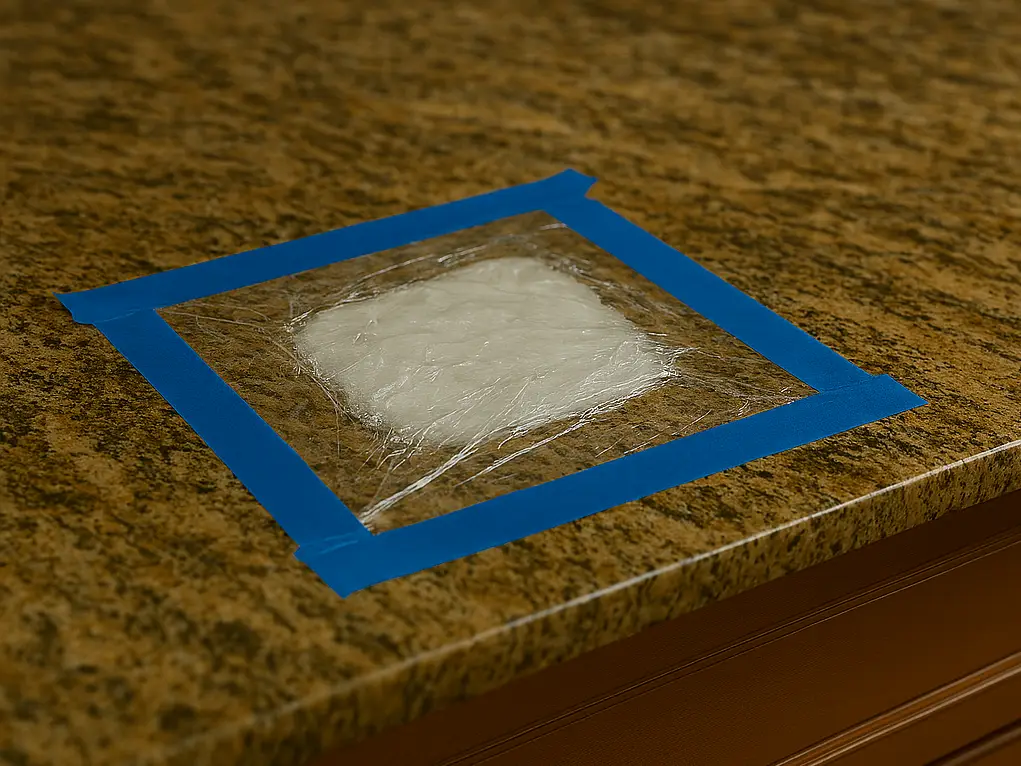
A poultice draws out oil, rust, or organic stains from deep within the stone. Follow these steps: clean the area and let it dry, apply the poultice in a thick layer of about one-quarter inch, cover with plastic wrap and let sit 24 to 48 hours, then remove and rinse thoroughly. Repeat if needed. For persistent stains, consult a professional rather than risking damage from aggressive DIY methods.
When to Call a Professional
If etching, deep discoloration, or cracking is present, DIY methods may worsen the damage. Professionals use specialized polishes and equipment to restore the surface safely. Knowing when to call an expert saves money in the long run.
Reseal Your Stone Table Regularly

Sealing is the most important defense against outdoor damage. A good sealer prevents water absorption, blocks stains, and protects against UV fading. It also helps prevent freeze-thaw cracking in cold climates by keeping moisture out.
Test Before Resealing
Use the water bead test: sprinkle water on the surface. If it beads up, the sealant is effective. If it soaks in or darkens the stone, it’s time to reseal. Testing every few months ensures you reseal at the right moment.
Apply Sealer Correctly
Clean and dry the table completely before applying any sealer. Apply a thin, even coat of stone sealer with a microfiber cloth. Let it sit for 5 to 10 minutes, following product instructions exactly. Wipe off excess to prevent hazing. Reseal every six to 12 months, or twice a year in high-exposure areas.
Protect Against Weather and UV Damage

Outdoor tables face constant environmental stress from sun, rain, and temperature changes. Taking preventive measures extends the life of your stone table significantly. Protection is always easier than repair.
Use a Proper Cover
Always cover your table when not in use. Choose a breathable, weather-resistant fabric designed for outdoor furniture. For long-term storage, use the tenting method: place a bucket or spacer in the center to lift the cover, allowing airflow and preventing moisture buildup. This simple technique prevents mold and mildew.
Store or Elevate in Winter
In freezing climates, store the table indoors if possible. If left outside, reseal before winter and cover with a tented system. Never use salt or de-icers on stone, as these chemicals cause pitting and erosion. Proper winter preparation prevents costly damage.
Shield From Direct Sun
Prolonged UV exposure fades colors and breaks down sealants. Use a patio umbrella or cover during peak sunlight hours. This simple habit preserves the stone’s appearance and extends the sealant’s effectiveness.
Follow Daily Protection Habits
Prevention is easier than repair. Small habits make a big difference in maintaining your stone table’s beauty. Consistency is key to long-term success.
Use Coasters and Trivets
Always place coasters under drinks and trivets under hot dishes. This prevents water rings, etching, and thermal shock from hot pans. These small barriers protect against common daily damage.
Never Sit or Stand on the Table
Even slight pressure from body weight can cause cracks, especially in marble or sandstone. Treat the surface with care and keep heavy items off the tabletop. The weight stress can lead to expensive repairs.
Keep Harsh Chemicals Off
Avoid placing perfumes, lotions, or pool chemicals directly on the stone. These often contain acids or solvents that damage the finish. Keep toiletry products away from the table surface to prevent accidental damage.
Troubleshoot Common Problems
Quick fixes for frequent outdoor stone issues help you address problems before they worsen. Knowing what to do in emergencies protects your investment.
Red wine or tea spills require immediate blotting with paper towels, then cleaning with pH-neutral soap. Never wipe, as this spreads the stain. Oil or grease discoloration needs an oil-specific poultice, and multiple treatments may be necessary. Ignoring oil leads to permanent yellowing. Etched dull spots are caused by acid exposure, so don’t scrub. These require professional polishing to restore shine. For snow or ice buildup, brush off gently and never use metal tools or de-icers. If water soaks into the stone, clean and reseal immediately to prevent staining and freeze damage.
Frequently Asked Questions About Cleaning Outdoor Stone Tables
What is the best daily cleaning method for outdoor stone tables?
Use a dry microfiber cloth or soft dust mop to remove pollen, leaves, and dust daily. This prevents abrasive particles from scratching the surface when wet. For weekly cleaning, rinse with plain water and wipe with a soft sponge.
Can I use vinegar or lemon juice to clean my stone table?
Never use vinegar, lemon juice, or citrus-based cleaners on stone tables. These acidic substances cause etching, which creates permanent dull spots, especially on marble and travertine. Always use pH-neutral cleaners specifically formulated for stone surfaces.
How often should I reseal my outdoor stone table?
Reseal your outdoor stone table every six to 12 months for optimum protection. In high-exposure areas, apply sealant twice per year. Use the water bead test to determine if resealing is needed: if water soaks in rather than beading up, the sealant has worn off.
What is the difference between cleaning natural stone versus faux stone?
Natural stone like marble and sandstone is porous and requires careful handling with pH-neutral cleaners and regular sealing. Faux stone and composite materials are generally more resilient and easier to clean but still require manufacturer-specific care instructions. Always check product guidelines.
How do I remove oil stains from my outdoor stone table?
Apply an oil-specific poultice to draw out the stain. Clean the area first, apply the poultice in a thick layer, cover with plastic wrap, and let sit 24 to 48 hours. Remove, rinse, and repeat if necessary. Oil stains left untreated cause permanent yellowing.
When should I call a professional to clean my stone table?
Call a professional if you notice deep etching, persistent stains that resist poultice treatment, or cracking. Attempting aggressive DIY removal on severe damage can worsen the problem. Professionals have specialized equipment to restore the surface safely.
Key Takeaways for Cleaning Your Outdoor Stone Table
Cleaning an outdoor stone table doesn’t have to be complicated, but it must be done correctly. By identifying your stone type, using safe cleaners, sealing regularly, and protecting it from weather and spills, you’ll preserve its beauty for years to come. Start by determining whether you have natural or faux stone, then choose appropriate cleaning methods accordingly.
Always stick to pH-neutral products and never use abrasives or acidic cleaners. Act fast on spills, as porous stone absorbs liquids in under five minutes. Reseal every six to 12 months using the water bead test to check effectiveness. Cover your table when not in use and store it indoors during freezing weather.
With consistent care, your stone table will remain a stunning centerpiece of your outdoor space for many years. The small daily habits of blotting spills, using coasters, and dusting regularly make the biggest difference in maintaining its beauty.