How to Move a Glass Table Safely
Moving a glass table can be stressful. One wrong bump or shift, and you might end up with cracks, chips, or total breakage. Whether it’s a sleek modern coffee table or a large dining set with a thick tempered glass top, improper handling is the fastest way to ruin it. The good news is that with the right preparation, materials, and technique, you can move your glass table safely and intact.
This guide delivers step-by-step instructions based on professional moving standards. You’ll learn how to disassemble, wrap, secure, and transport your glass table using proven methods that minimize risk. We’ll cover everything from essential packing supplies to positioning in a truck, driving precautions, and when to call in the pros.
Assess Your Glass Table Before Moving
Check Glass Thickness and Weight
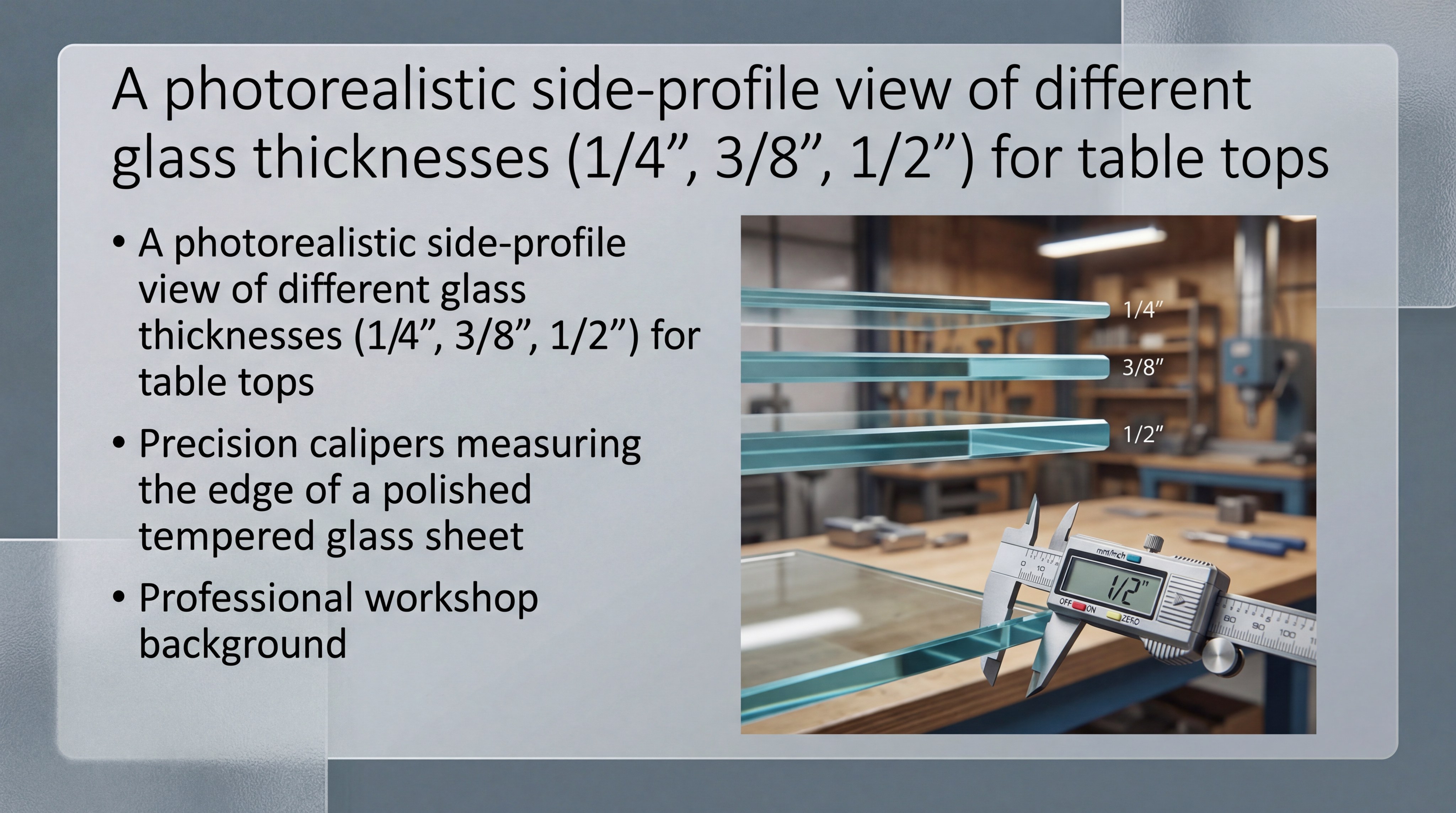
Start by inspecting your glass table closely. Is it thin and lightweight, or is it a heavy one-inch-thick slab? Thicker glass is heavier and more rigid but still vulnerable to impact at the edges and corners. Note the size and weight. This determines whether you need extra support like wooden panels or mattresses during transport.
Clean the Surface Thoroughly
Clear all items off the table first. Then wipe the glass with a microfiber cloth to remove dust, fingerprints, and grit. Any trapped particles can scratch the surface when pressure is applied during wrapping. Let it dry completely. Moisture reduces tape adhesion and can cause slipping inside packaging.
Decide: Disassemble or Move Whole
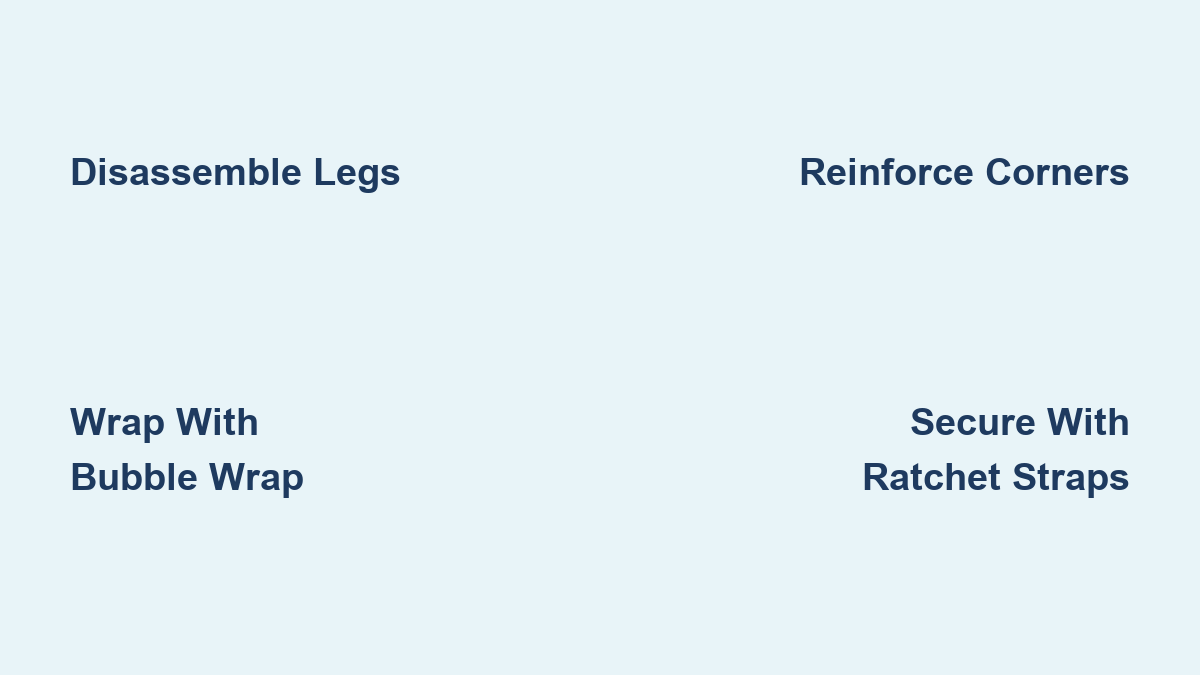
Always remove the legs if possible. Separating the glass top from the base reduces stress on the glass and makes wrapping easier. If the legs are bolted or screwed in, keep hardware in a labeled bag taped to the underside of the base. Only move the table assembled if disassembly is not safe or feasible. Even then, tape the glass securely to the frame to prevent sliding.
Gather the Right Packing Supplies
Essential Materials Checklist
Do not skimp on supplies. Using weak or incorrect materials increases breakage risk. Here is what you need:
- 2-inch bubble wrap for shock absorption
- Thick corrugated cardboard for rigidity
- Foam corner protectors or cut foam board to size
- Moving blankets or furniture pads for padding in vehicles
- Packing tape and duct tape for sealing layers (never on glass)
- Wooden boards or panels slightly larger than the glass for sandwich protection
- Ratchet straps, not bungee cords, to prevent shifting
- Heavy-duty tarp or truck bed liner for open-air transport
- Permanent marker to label “FRAGILE” and “DO NOT STACK”
Avoid newspaper. It lacks cushioning and can leave ink smudges. Use moving blankets instead of quilts or sheets, which offer little protection.
Wrap the Glass Properly

Step 1: Apply Bubble Wrap
Lay the glass on a clean, flat surface like a carpeted floor. Wrap the entire surface with bubble wrap, starting from one edge and working across. Use multiple overlapping layers, especially near edges, for maximum cushioning. Secure seams and edges with packing tape, but never apply tape directly to the glass. Residue or sudden pulls can crack or scratch it.
Step 2: Reinforce Corners and Edges
Corners are the weakest point. Attach foam corner protectors to all four corners. No protectors available? Cut triangular pieces from scrap foam board to cradle each corner. Then wrap edges again with extra bubble wrap or rolled towels and secure with duct tape. This double layer prevents chipping during bumps or contact.
Step 3: Add Cardboard or Wooden Protection
Place a sheet of thick cardboard over the wrapped glass. For high-value or heavy tables, go further. Sandwich the glass between two wooden panels slightly larger than its dimensions. Tape or strap the panels together at the edges. This creates a rigid shell that resists bending and frontal impacts.
The wooden sandwich method is ideal for antique or custom glass tables. It is used by professional movers for long-distance or high-risk transport.
Label Everything for Safety
Mark All Sides Clearly
Use a black or red permanent marker to write “FRAGILE – GLASS” in large letters. Add “DO NOT STACK” and “THIS SIDE UP” if orientation matters. Place labels on multiple sides so handlers can see them from any angle. If using a box or wooden crate, put arrows showing which way is upright.
Load It Into the Vehicle

Option 1: Lay Flat on Padded Surface
Best for disassembled glass tops wrapped in rigid protection. In a moving truck or trailer, lay a mattress or thick foam pad on the floor. Place the wrapped glass flat on top. Ensure no heavy items go above it. This method works only if the packaging is strong enough to resist pressure.
Option 2: Transport Vertically (Upright)
Ideal for most situations, especially in cars or SUVs. Keep the glass upright like a mirror or TV. Support it between soft, stable items like couches or mattresses. Never let it rest on its edge without full support.
Do not lay large glass flat in a car unless the vehicle is fully empty and suspension will not flex under weight.
Option 3: Lay on Side Between Mattresses
For heavy, thick glass tables (1 inch or more), position the wrapped table on its side. Sandwich it between two mattresses in a trailer. Strap the whole assembly down with ratchet straps. This protects against both edge impact and bending stress.
Secure It for Transport

Use Ratchet Straps, Not Bungees
Bungee cords stretch and allow movement. Ratchet straps lock the load in place. Anchor them to floor or wall tie-down points in the truck. Tighten until the table does not shift, but do not over-tighten. Excessive pressure can stress the glass and cause spontaneous cracking.
Cover and Protect from Elements
If using an open trailer or pickup truck, cover the table with a heavy-duty tarp or truck bed liner. Secure all edges with ropes or straps to prevent flapping. Flapping creates vibrations that can shatter glass over time. Position the table with the glass side facing the cab to reduce wind exposure and road debris impact.
Drive with Care
Slow Down and Avoid Rough Roads
Even well-packed glass can break from repeated vibration. To protect your table, drive slowly, especially on bumps or potholes. Avoid gravel, dirt roads, and uneven terrain. Take turns gently because sharp turns push the load sideways. Brake gradually to prevent forward lurching. The smoother your drive, the safer your glass.
Unload with Caution
Use a Two-Person Lift
Glass is heavy and awkward. Always have at least two people for loading and unloading. Communicate clearly with commands like “lift,” “stop,” “turn,” and “set down.”
Watch the Corners When Setting Down
Even with wrapping, never drop the table vertically. Lower it slowly and evenly. If one corner hits the ground first, it can chip or crack. Set it down on a soft surface like carpet or cardboard.
Final Check Before Unwrapping
Once at the destination, inspect the packaging. Look for torn wraps, crushed corners, and loose straps. If damage is visible, unwrap carefully and assess the glass before reassembling.
Avoid These Common Mistakes
Never Stack Items on Top
No matter how well wrapped, never place anything on top of a packed glass table. Pressure points, even from soft items, can cause cracks over time.
Do Not Tape Directly to Glass
Packing tape residue is hard to remove and can weaken the glass surface. Always tape only to wrapping materials.
Do Not Skip Edge Protection
Rushing past corner protection is the number one cause of chipped glass. Spend extra time reinforcing edges. It is worth it.
Do Not Over-Tighten Straps
Too much tension from ratchet straps can bow the packaging and stress the glass. Tighten just enough to prevent movement.
When to Hire Professional Movers

High-Value or Antique Tables
If your glass table is custom, vintage, or expensive, consider hiring professionals. They use specialized crates, climate-controlled trucks, and have experience with fragile loads.
Long-Distance Moves
Extended travel means more vibration and temperature changes. Pros use wooden crates and shock-absorbing mounts to protect glass over time.
Oversized or Unusual Shapes
Tables that do not fit in standard vehicles or require disassembly beyond your skill level should be handled by experts.
Table over 60 pounds, tempered or laminated glass, curved or irregular shape, or no help available for lifting are all red flags indicating you need professional help.
Key Takeaways for Moving Your Glass Table Safely
Moving a glass table does not have to end in disaster. The key is planning, protection, and patience. By disassembling when possible, wrapping with layered cushioning, reinforcing corners, and securing the load properly, you dramatically reduce the risk of damage. Whether you are moving across town or across state lines, following these steps ensures your glass table arrives safely, ready to shine in its new home.
Take a photo of the table before packing. If damage occurs, it helps with insurance claims or professional disputes. Now go move that glass table with confidence.
Frequently Asked Questions About Moving a Glass Table
Can I move a glass table without disassembling it?
Yes, but it is riskier. If the legs are attached firmly, you can move the table assembled. Just make sure to tape the glass securely to the frame to prevent sliding. However, removing the legs whenever possible is always the safer option.
What is the best way to protect glass corners during a move?
Use foam corner protectors on all four corners. If you do not have protectors, cut triangular pieces from scrap foam board to cradle each corner. Then wrap edges again with extra bubble wrap or rolled towels. Corners are the weakest point and the primary failure point during transport.
Should I use bungee cords to secure my glass table in the truck?
No. Bungee cords stretch and allow movement, which increases the risk of breakage. Use ratchet straps instead. They lock the load in place and allow you to control the tension precisely. Tighten just enough to prevent shifting without stressing the glass.
How should I position glass in a moving truck?
For heavy, thick glass tables (1 inch or more), lay the wrapped table on its side and sandwich it between two mattresses. For standard glass tops, you can transport them flat on a padded surface or upright like a TV, depending on the packaging strength. Always ensure the glass is supported and cannot shift during transport.
When should I hire professional movers for my glass table?
Hire professionals if your table is custom, vintage, or extremely expensive. Also consider pros for long-distance moves where vibration exposure is high, tables over 60 pounds, or unusual shapes that do not fit in standard vehicles. Professional movers have specialized crates and experience with fragile loads.
Can I transport glass table in my car?
Yes, but only for smaller glass tops or disassembled pieces. Transport the glass upright, similar to how you would transport a large TV or mirror. Place it in the back seat if possible, keeping it vertical. Do not lay the glass flat in a car if there is any risk of stacking items on top or if the vehicle suspension cannot handle the weight distribution.