How to Style a Coffee Table
There’s no faster way to elevate your living room than by learning how to style a coffee table with intention. This small surface acts as the visual anchor of your seating area, blending personality, function, and design harmony into one curated vignette. Whether you’re starting from scratch or revamping an overstuffed mess, mastering this space can transform your entire room’s vibe. The key isn’t perfection, it’s balance. With the right mix of height, texture, and personal flair, your coffee table can be both beautiful and usable.
This guide breaks down the proven methods interior stylists use to create effortlessly chic arrangements. From the foundational “tall, medium, short” rule to smart editing techniques, you’ll learn how to avoid common pitfalls like cluttered surfaces or obstructed sightlines. We’ll cover everything from choosing books that spark conversation to selecting organic elements that breathe life into your setup.
Start with a Blank Slate
Before adding anything, clear every item from your coffee table surface. Remove remotes, coasters, books, candles, and everything else. This reset eliminates visual noise and forces you to make deliberate choices rather than building around existing clutter. A blank table reveals the true size and shape of your surface, helping you assess how much room you actually have for arrangement.
Why Emptying Matters
Starting empty reveals asymmetries, lighting conditions, and traffic patterns you may have ignored before. Many people overstyle because they keep adding on top of what already exists. By clearing everything, you avoid stacking clutter and instead create a composition with purpose. This is like hitting refresh on your design brain.
Use the Photo Test
Snap a quick photo of the empty table. Later, compare it to your finished look. Stylists often use the photo test to catch issues the eye misses in real time. A photo flattens perspective, revealing crowding, uneven spacing, or awkward focal points that need adjustment.
Pick a Dominant Anchor Piece

Every great coffee table arrangement starts with one dominant element that grounds the rest of the design. Think of it as the foundation that sets the tone. Common anchor pieces include a large tray, a stack of three to four books, a wide bowl, or a substantial plant.
Choose Based on How You Use the Space
Your anchor should reflect your lifestyle. For families, a lidded box hides toys and remotes while adding height. For entertainers, a large ceramic bowl holds coasters and invites guests to grab one. For readers, a tall stack of hardcover books becomes both platform and decor. For minimalists, a single sculptural object serves as quiet focus.
Size It Correctly
The anchor should occupy about one-third to half of the table’s surface, leaving room for layering and daily use. If it’s too big, the table feels crowded. Too small, and the arrangement lacks stability. On rectangular tables, place the anchor slightly off-center toward the main seating area. On round tables, center it.
Apply the Height Variation Rule
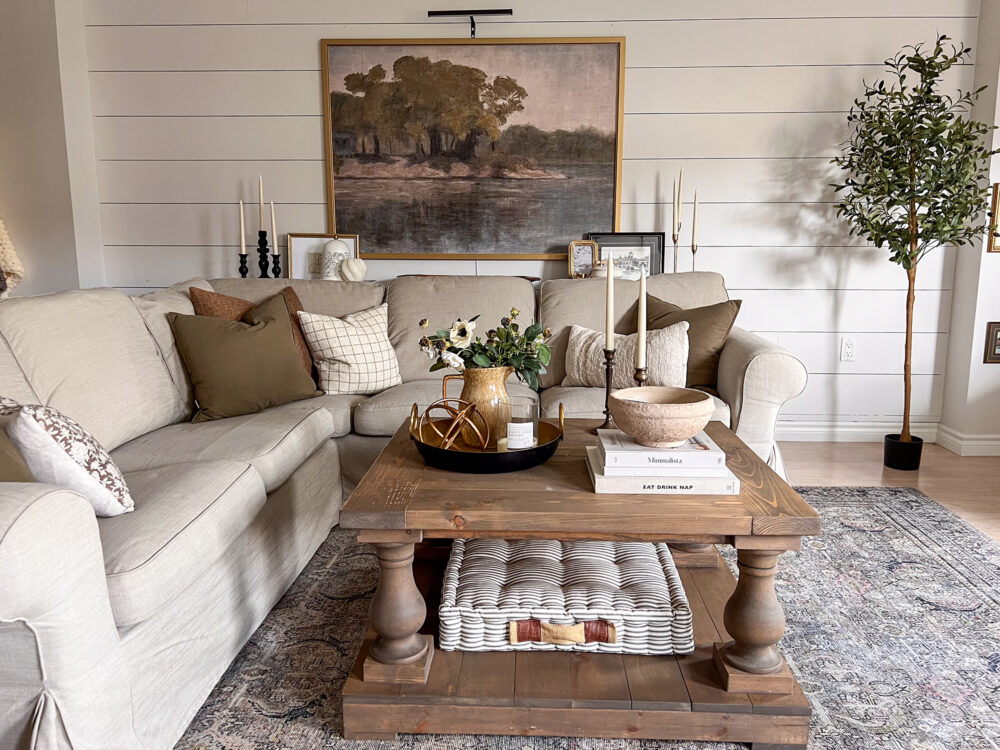
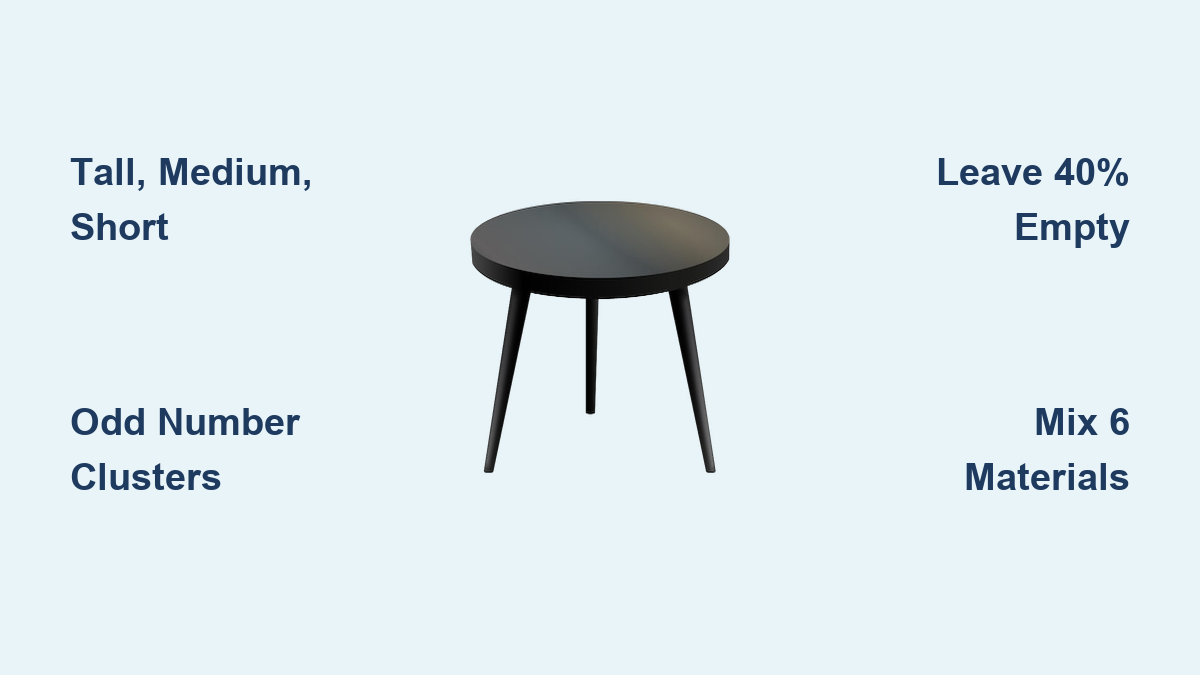
This classic formula ensures visual balance by varying height. A flat arrangement feels lifeless, while layering creates depth and draws the eye. The rule is simple: include at least one tall, one medium, and one short item in your grouping.
Keep Tall Items Under 12 Inches
Tall elements like a vase with branches, a potted plant, or a candle holder add vertical interest. But they must stay under 12 inches to avoid blocking sightlines between people sitting across from each other. For low-profile sofas, keep tall items even shorter at 8 to 10 inches. Use book stacks or risers to elevate smaller objects without increasing their actual height.
Use Medium Pieces as Platforms
Medium items serve as foundations. A tray, a wooden box, or a stack of two books provides a base for other decor. These elements anchor the taller and shorter pieces, creating tiered levels. When stacking books, place the largest at the bottom and vary thicknesses for organic rhythm.
Add Low-Impact Accents
Short items sit directly on the table or on top of book stacks. Examples include a small candle, a dish of matches, a single coaster, or a tiny sculpture. These details add polish without overwhelming. Group them near taller pieces to create micro-clusters that guide the eye.
Mix Six Essential Materials

Designers agree that rich, layered arrangements combine multiple textures. Aim to include at least one item from each of these six material categories for a sophisticated, tactile feel.
The six materials to incorporate are:
- Organic: Plants, branches, pinecones add life and softness
- Stone: Marble trays, slate coasters bring cool weight and elegance
- Wood or Leather: Acacia bowls, leather boxes warm up modern spaces
- Metal: Brass candlesticks, iron figures reflect light and add shine
- Glass: Vases, cloches, apothecary jars create transparency and airiness
- Pottery or Ceramic: Glazed vases, textured bowls offer handmade charm and color
Create Contrast Without Chaos
Combine rough textures like woven rattan with smooth ones like glossy ceramic, matte concrete with reflective mirrored trays. But keep the palette cohesive. For example, pair a brass candle snuffer with a cream ceramic vase and a marble dish in a neutral scheme. Too many bold colors or shiny finishes compete for attention.
Style with Books Like a Pro
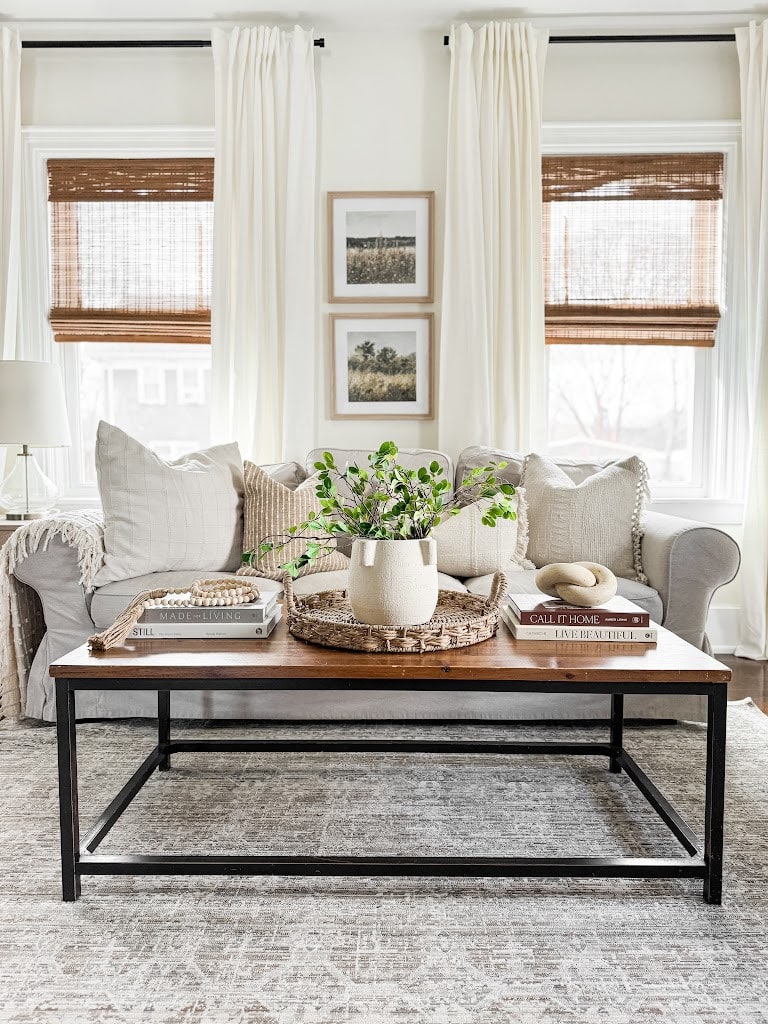
Books are the most versatile styling tool available. They add height, texture, color, and personality while doubling as functional platforms for other decor items.
Stack with Intention
Use groups of two or three books stacked horizontally. Vary sizes and orientations for rhythm. Place the most attractive cover face-down so the top book becomes a neutral stage for a candle or small plant. Alternatively, align spines by color for a curated gallery effect.
Open One for Visual Interest
Flip open a large-format book to a page with bold imagery or typography. This adds dimension and breaks up flat surfaces. A coffee table book on travel, art, or architecture also invites guests to engage with the space.
Source Books Strategically
Thrift stores, used bookshops, and library sales are goldmines for affordable, stylish books. Look for solid-colored spines in navy, terracotta, or olive. Seek textured covers in linen or leather. Choose thematic content around gardening, vintage photography, or design. Avoid outdated textbooks or paperbacks with busy covers.
Add Organic Life
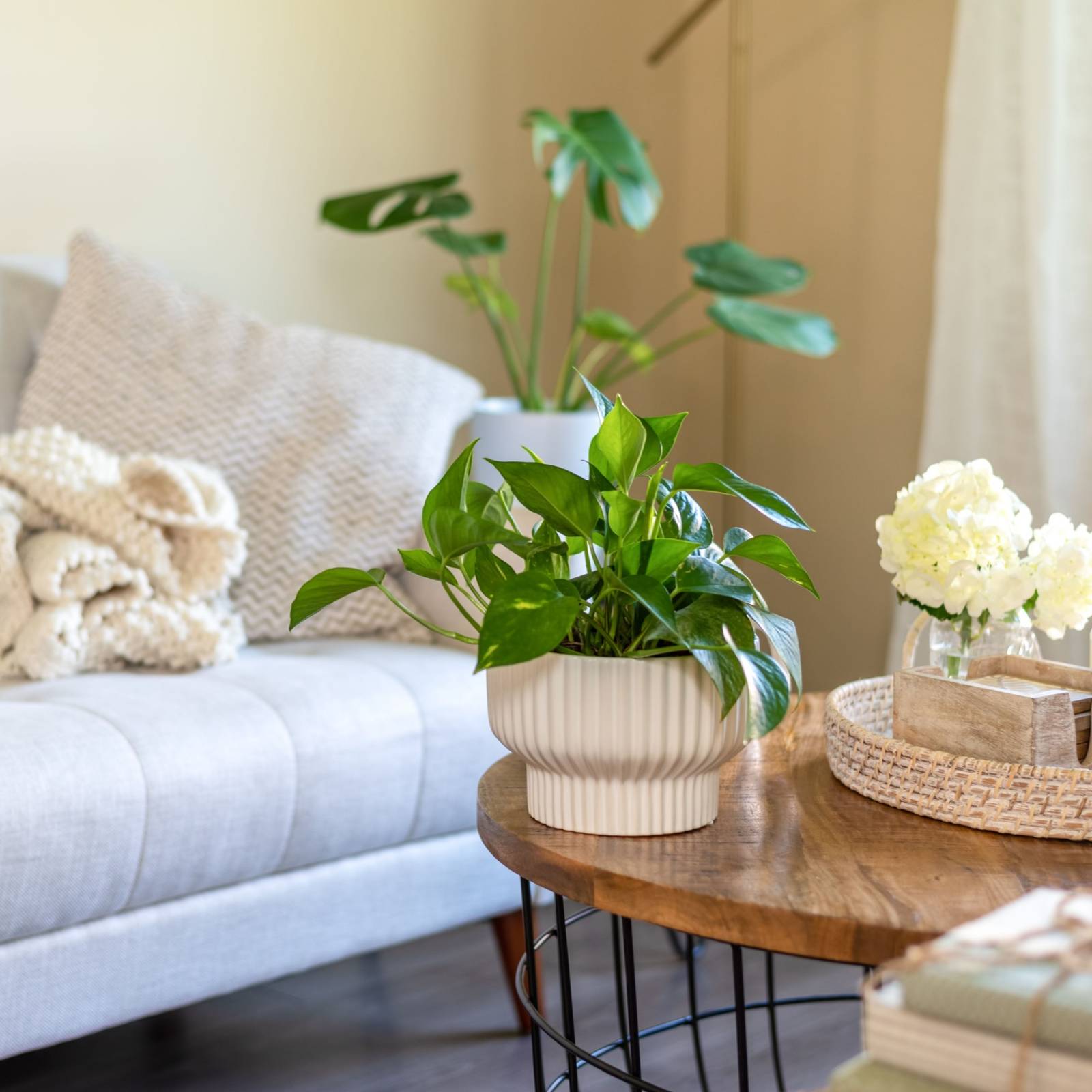
A coffee table without nature feels sterile. Even one organic element like a small plant or a single stem can soften hard materials and make the arrangement feel alive.
Choose Low-Maintenance Plants
If you forget to water, choose forgiving varieties. Pothos trails beautifully and thrives in low light. The ZZ Plant is nearly indestructible. Spider plants are air-purifying and pet-safe. Orchids are elegant and bloom for weeks with minimal care. Place plants in decorative pots or woven baskets to boost texture.
Use Dried or Faux Alternatives
For long-lasting style, try dried eucalyptus in a vase, burgundy berry sprigs, preserved moss in a terrarium, or realistic faux olive branches. These require zero upkeep and maintain shape for months.
Cluster Items in Odd Numbers
Groupings of three or five items feel balanced and natural. Even numbers, especially two, can look stiff or matchy. Odd-number clusters create asymmetry, which the eye finds more dynamic and interesting.
Arrange in Triangles
Arrange items so their tops form an invisible triangle when viewed from above. Place a tall vase at the apex, a stack of books at bottom left, and a small bowl at bottom right. This guides the eye in a circular path, creating movement through the arrangement.
Avoid Grids and Straight Lines
Do not line items up in straight rows. Instead, stagger depths and angles. Slightly turn a book, tilt a candle, or offset a bowl. Imperfection feels more human and inviting.
Contain Clutter with Trays and Boxes
A coffee table must function for daily life. Trays and boxes keep essentials organized without sacrificing style.
Use Trays as Stages
A tray corrals smaller items like candles, matches, and remotes into a defined zone. It also makes cleaning easy, simply lift and wipe. Popular materials include brass or gold for warmth, rattan or bamboo for texture, acrylic for an invisible look, and marble for luxury.
Hide Utilities in Boxes
A lidded box is ideal for remotes, chargers, tissues, or kids’ toys. Top it with a candle or book to make it part of the display. Look for leather or lacquered wood for elegance, woven rattan for boho charm, or ceramic with handles for sculptural appeal.
Personalize with Meaningful Objects
The best coffee tables tell a story. Add one or two items that reflect your hobbies, travels, or passions.
Choose Objects with Backstory
A seashell from your honeymoon, a vintage camera from your dad’s collection, a handmade bowl from a local market, or a mini chess set for game nights. These become conversation starters and make the space feel uniquely yours.
Prioritize Touch and Texture
Select items people want to interact with: a smooth stone, a textured ceramic, a soft fabric-covered box. Avoid fragile decor if kids or pets are around.
Leave Room for Real Life
Style should not sacrifice usability. Ensure your table works for real life by reserving at least 40 percent of the surface for practical needs like setting down a drink, resting feet, playing a card game, or holding a laptop.
Add Functional Elements
Stack coasters neatly in a bowl or tucked in a tray. Choose materials that match your theme, cork for rustic, marble for modern, leather for luxe. For family spaces, feature a chess set, deck of cards, or travel board game as a centerpiece. It signals that this space is for connection.
Test and Edit Ruthlessly
Styling is not done until you have edited. Most arrangements improve by removing one item.
Take the Photo Test Again
Snap another picture of your finished table. Review it critically. Check whether anything blocks the view, if colors feel cohesive, or if it looks too full. If yes, remove the least essential piece.
Apply the One Away Rule
Even if the arrangement looks good, take one thing off. Editing creates breathing room and highlights your best pieces. If it does not add, it distracts.
Rotate Themes Seasonally

Keep your coffee table feeling fresh by changing the theme every few months.
Try these vibe shifts:
- Mini Library: Book stacks, reading lamp, bookmark for cozy nights
- Curiosity Cabinet: Glass cloche, travel souvenirs, feathers for conversation lovers
- Game Night: Chess set, dice cup, playing cards for families and entertainers
- Nature Minimalist: Clear vase, single stem, wooden bowl for calm, clean spaces
- Sensory Grounding: Large candle, stone, matches bowl for relaxation and meditation
Switching themes keeps your space dynamic and allows you to reuse decor in new ways.
Frequently Asked Questions About Coffee Table Styling
What is the rule for styling a coffee table?
The most important rule is the “tall, medium, short” formula. Include at least one item from each height category to create visual balance and depth. This prevents a flat, lifeless arrangement and draws the eye across the entire surface.
How many items should be on a coffee table?
Group items in odd numbers, typically three or five per cluster. This creates a balanced but dynamic look. Always leave 40 percent of the surface empty for practical use like placing drinks or playing games.
What height should coffee table decor be?
Tall items should generally stay under 12 inches to avoid blocking sightlines between people sitting across from each other. For low-profile sofas, keep tall items to 8 or 10 inches maximum.
How do I make my coffee table look expensive?
Mix six key material categories: organic, stone, wood or leather, metal, glass, and pottery or ceramic. Combine rough textures with smooth ones, and keep your color palette cohesive. Use the photo test to catch imbalances that the naked eye misses.
Should I use a tray on my coffee table?
Yes, trays are highly recommended. They corral smaller items into defined zones, make cleaning easier by allowing you to lift and wipe the entire vignette at once, and add an extra layer of texture and style to your arrangement.
Key Takeaways for Styling Your Coffee Table
Styling a coffee table is about personality and purpose, not perfection. Start with a blank slate, choose an anchor piece that reflects how you use the space, and apply the tall-medium-short rule to create depth and visual interest. Mix materials from all six categories to achieve that sophisticated, designer-level look. Add organic elements like plants or dried branches to bring life to the arrangement. Cluster items in odd numbers and arrange them in triangular formations rather than straight lines. Always leave room for real life, with at least 40 percent of the surface remaining functional. Edit ruthlessly by taking the photo test and applying the “one away” rule. Finally, rotate your themes seasonally to keep the space feeling fresh and dynamic. The most inviting coffee tables feel lived-in, not staged, combining beauty with function to create a centerpiece that welcomes conversation, connection, and calm.