Why Cats Knock Things Off Tables
You’re sitting quietly, sipping coffee, when suddenly, crash. A pen, a cup, or your phone hits the floor. You look up. There it is: your cat, sitting calmly, tail flicking, eyes wide with satisfaction. You have just been victimized by one of the most common yet baffling feline behaviors, why does a cat knock things off the table.
The answer is not mischief or malice. Cats do not knock things down because they are bad or trying to annoy you. Instead, this behavior is deeply rooted in instinct, curiosity, and communication. Understanding why does a cat knock things off the table transforms frustration into fascination. It is not destruction, it is data collection, hunting rehearsal, or a cry for attention. In this guide, we will break down the science behind the swat, decode your cat’s hidden messages, and give you practical ways to redirect the behavior without punishment.
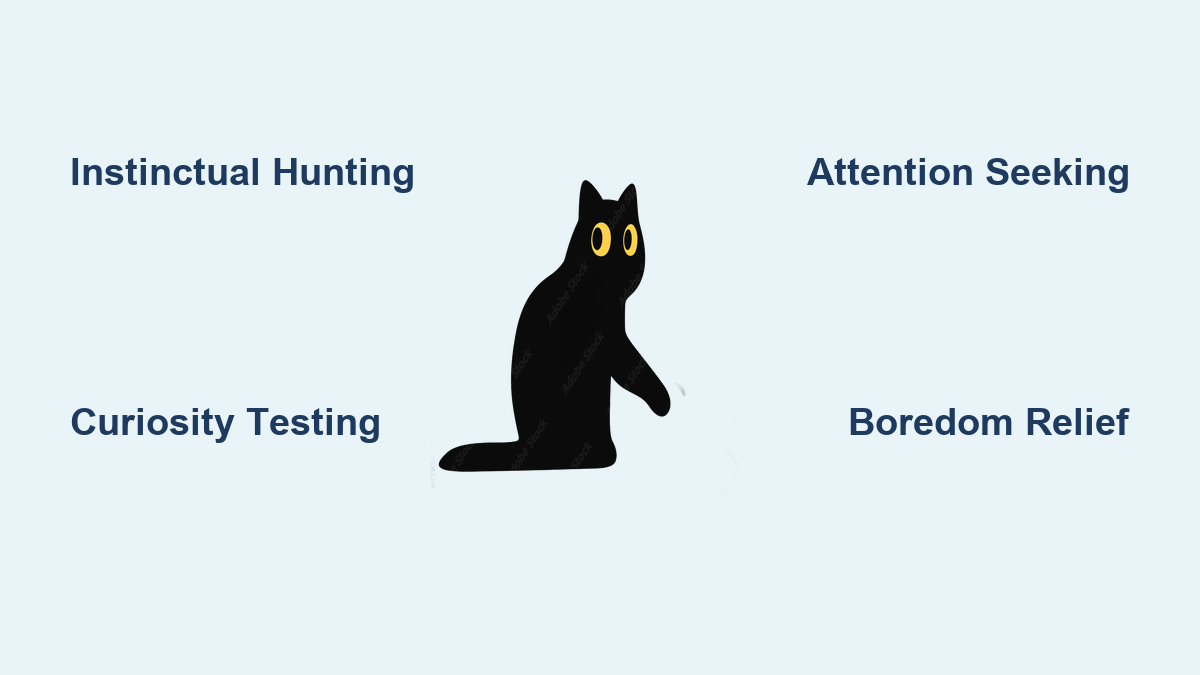
Instinctual Hunting Drive Behind Table-Knocking

Cats are hardwired predators. Even if your cat has never seen a mouse, their brain operates like a wild hunter. That remote control on the table? It is prey.
When a cat bats an object off a table, they are practicing the full predatory sequence: stalk, chase, pounce, kill. The movement of a falling item mimics the erratic motion of live prey. The sound of it hitting the floor provides the satisfying thud of a successful hunt.
Cats use their paws to test if something is alive. A still object becomes interesting when it moves. By nudging it, they trigger motion, just like swatting a bird or insect in the wild. The resulting fall activates their chase instinct, even if they do not pursue it further.
A cat’s paws are packed with nerve endings. They feel the weight, texture, and balance of objects. Pushing something toward the edge gives tactile feedback similar to gripping prey. This sensory input satisfies their need to interact physically with their environment.
Pro Tip: If your cat targets small, lightweight items like pens or keys, it is likely because they mimic the size and movement of real prey.
Curiosity and Scientific Experimentation
Cats do not just act; they investigate. Your cat is a natural physicist testing gravity, cause, and effect.
Every push is a hypothesis: what happens if I move this? When the object falls, the cat observes the result, sound, motion, your reaction. This is learning in action. Kittens do this constantly as they explore their world, but adult cats retain this investigative drive.
Documented cases show cats repeating the same knock-off behavior 6 to 15 times in a row. This is not out of obsession but to confirm consistency. Like a scientist running trials, they verify that the object always falls the same way.
By interacting with objects, cats build a mental map of their territory. They learn what is fragile, what makes noise, and what moves unpredictably. This is not vandalism; it is reconnaissance.
Look for this: If your cat watches the object fall intently, then walks away with no chase, curiosity, not hunting, is the main driver.
Attention-Seeking Communication Tactics
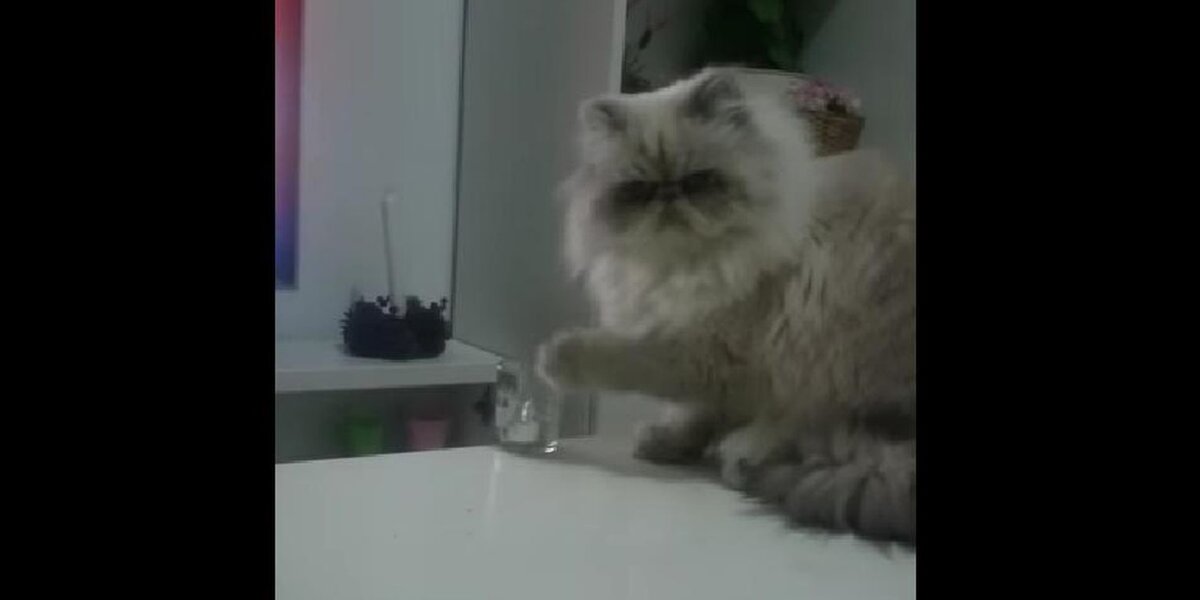
If your cat knocks something over and looks at you, they are not being sneaky. They are being strategic.
Cats are masters of operant conditioning. If you react by yelling, laughing, or picking up the item, your cat learns: knock equals attention. Even negative attention reinforces the behavior.
One documented case involved a cat who pushed a TV remote off a table 15 times in one session. The owner finally realized the cat wanted treats. The behavior became a successful extortion tactic, leading to a 23-pound cat.
Watch for deliberate eye contact. If your cat slowly pushes an object while staring at you, or waits for you to wake up before continuing, it is communication. They are saying: I am here, notice me.
Morning wake-up calls are classic examples. Cats knock items off nightstands to rouse sleeping owners, especially if they are due for food.
Boredom and Lack of Stimulation Solutions
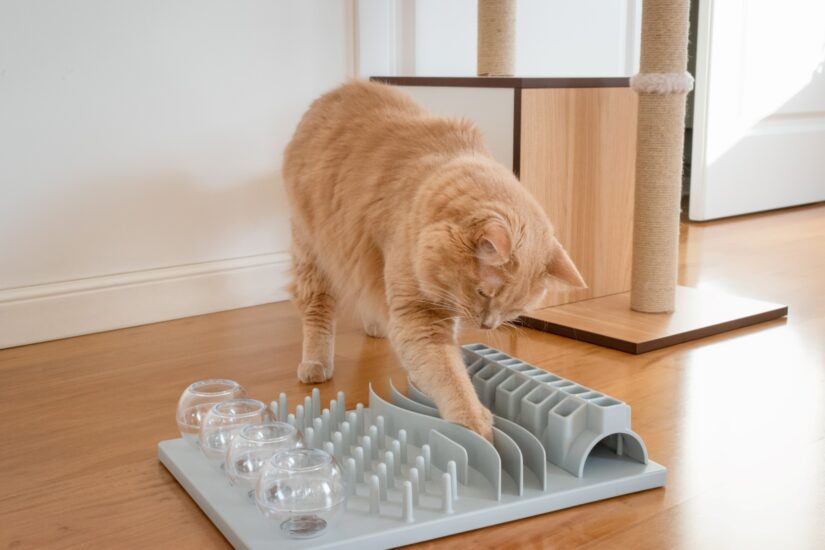
A cat with nothing to do will create its own entertainment. Boredom is a top trigger for table-knocking.
Indoor cats lack the constant stimulation of the outdoors. There are no birds to watch, no scents to follow, no prey to chase. Without enrichment, they turn household objects into toys.
This is especially true in quiet homes or when owners are away. The more isolated the cat, the more likely they are to seek interaction, even if it is through destruction.
Signs of under-stimulation include frequent knocking when alone, targeting the same object repeatedly, and escalation to other destructive behaviors like scratching furniture or overgrooming.
Solution: Provide alternatives. Boredom is not fixed by scolding; it is fixed by play.
Hunger and Feeding Time Signals
Sometimes the message is simple: I am hungry.
Cats are creatures of habit. If meals are delayed, they may knock things over to signal their need. This is especially common if the behavior occurs near feeding times or in kitchens.
Changes in diet or schedule can also trigger protests. A cat used to free-feeding may knock items to demand food if switched to portioned meals.
Beware of treat-based reinforcement. A cat that learns knocking equals treats can become overweight. One case study noted a cat reaching 23 pounds due to successful food extortion.
Fix: Stick to a strict feeding schedule. Do not reward knocking with food, even once.
Identifying Your Cat’s Behavioral Profile

Not all knockers are the same. Identifying your cat’s profile helps tailor your response.
The Scientist Cat repeats the same knock-off multiple times, watches the object fall with no chase, and aims to understand cause and effect. Provide puzzle toys and gravity-activated feeders.
The Extortionist Cat uses slow, deliberate pushes while watching you, waits for you to pick it up, then repeats. The goal is treats, food, or attention. Ignore completely and reward calm behavior instead.
The Prankster Cat targets liquids and knocks things near sleeping owners. They want a playful reaction and find it funny. Remove tempting items and use motion-activated deterrents.
The Morning Alarm Cat only knocks things off at dawn, targeting nightstands and dressers near the bed. The goal is to wake you up for food or play. Play before bed and use automatic feeders.
How to Stop Cats From Knocking Things Off Tables

Punishment does not work. It increases stress and often reinforces attention-seeking. Instead, address the root cause.
Provide daily interactive play for 10 to 15 minutes twice daily at dawn and dusk. Use wand toys, feather teasers, and laser pointers, ending with a physical toy for capture. Mimic the hunt: chase, catch, kill, eat, sleep.
Pro Tip: Play before feeding. This completes the natural hunting cycle and reduces post-meal energy.
Use puzzle feeders and enrichment to turn meals into mental challenges. Place puzzles in high-traffic areas where knocking occurs. Rotate puzzle types to maintain interest. Avoid free-feeding; set meal times reduce food-related protests.
Ignore the behavior completely. If attention is the reward, remove it. Do not look, speak, or pick up the item immediately. Wait until the cat leaves, then quietly clean up. Reward calm behavior with treats or play. This breaks the reinforcement loop. It may get worse before it improves, but consistency wins.
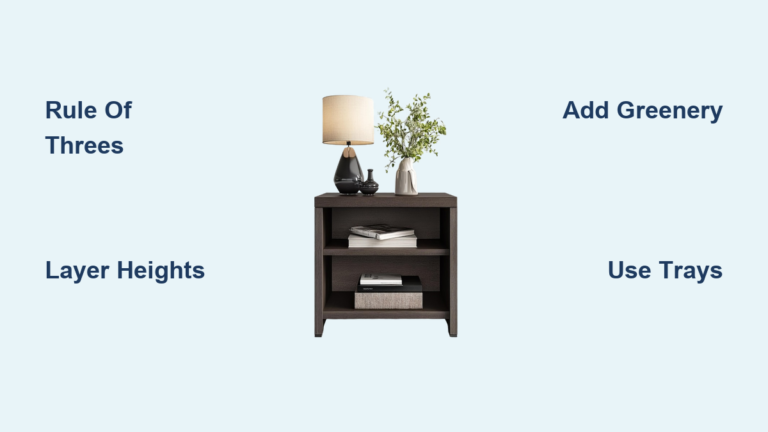
Secure or remove tempting objects. Keep breakables, electronics, and liquids out of reach. Use non-slip mats to prevent easy sliding. Install barriers like ledges or baby gates to block access to high surfaces.
Create a stimulating environment. Add window perches with bird feeders outside for cat TV. Install cat shelves, trees, or condos for vertical space. Swap toys weekly to keep them novel. Consider a second cat if your cat is lonely.
When Knocking Signals Stress or Anxiety
Occasional knocking is normal. But if it is frequent and paired with other issues, it may signal deeper problems.
Red flags include hiding for long periods, overgrooming or hair loss, aggression or litter box avoidance, and loss of appetite.
If you see these, consult a vet or feline behaviorist. The knocking may be a symptom of anxiety, not just boredom.
Key Takeaways for Managing Table-Knocking
The behavior is not random. It is purposeful. Whether your cat is a hunter, a scientist, or a manipulative genius, they are expressing natural instincts.
It is not spite; it is communication or exploration. Punishment fails; it increases stress and attention-seeking. Enrichment works: play, puzzles, and perches prevent boredom. Consistency is key: ignore the behavior, reward the calm.
By understanding why does a cat knock things off the table, you stop seeing it as a problem and start seeing it as a window into your cat’s mind. With the right tools, you can protect your belongings and support your cat’s wellbeing. The goal is not to stop the behavior entirely; it is to give your cat better outlets so your coffee mug stays safe.
Frequently Asked Questions About Why Cats Knock Things Off Tables
Is my cat knocking things off the table故意的吗
Yes and no. Cats do not plot revenge, but they do learn that knocking items produces results. The behavior starts from instinct but becomes purposeful when it gains attention or reactions from you.
为什么猫喜欢推东西到桌子边缘
Cats push things to the edge because it triggers movement and sound, mimicking prey behavior. Their paws are highly sensitive, so pushing objects provides tactile feedback similar to hunting and catching prey.
我的猫是故意的吗
Your cat may be deliberate if they make eye contact while pushing or repeat the action after you pick up the item. This indicates learned behavior for attention or treats, not accidental play.
如何阻止猫把东西从桌子上推下去
Ignore the behavior completely, provide puzzle feeders and interactive play sessions, and secure or remove tempting objects. Punishment increases stress and often worsens the behavior.
猫会把东西推下来是不是因为无聊
Boredom is a major cause. Indoor cats without sufficient stimulation will create their own entertainment. Regular play, enrichment toys, and vertical spaces help prevent boredom-driven destruction.
猫推东西下来是在表达什么
Cats communicate through this behavior. They may be saying they are hungry, bored, want attention, or simply exploring their environment. The key is observing when it happens to decode the message.