How to Clean an Aluminum Table
Aluminum tables are a favorite for outdoor spaces because they are lightweight, rust-resistant, and built to last. But over time, exposure to sun, rain, and hard water can leave them looking dull, streaked, or covered in chalky residue. You might notice white spots, rough patches, or discoloration, and wonder if your table is ruined. The good news? Most of these issues are not permanent damage. With the right cleaning method, you can restore your aluminum table to like-new condition in under an hour.
This guide walks you through every step, from routine wiping to deep oxidation removal, using proven techniques backed by real-world use. Whether you are dealing with everyday grime, calcium buildup from sprinklers, or years of neglected oxidation, this comprehensive approach ensures your table stays protected and polished for seasons to come.
Routine Cleaning Steps
For weekly maintenance or light dirt removal, stick to gentle cleaning that preserves the finish without risk.
Mix Mild Soap Solution
Combine a few drops of mild dish soap or non-bleach laundry detergent with warm water. This solution safely lifts dust, pollen, and light grime without harming the aluminum surface. Avoid harsh detergents or bleach, especially on anodized finishes, as they can cause etching or discoloration.
Scrub With Soft Tools
Use a soft sponge, microfiber cloth, or soft-bristled brush to wipe down all surfaces. Pay extra attention to joints, leg crevices, and under the table rim where debris collects. Never use steel wool or abrasive pads unless treating heavy oxidation, as those can scratch and worsen the problem.
Rinse and Dry Completely
After scrubbing, rinse thoroughly with clean water to remove all soap residue. Leftover suds can attract more dirt and lead to spotting. Let the table air dry in partial sunlight or shade before replacing cushions. Drying fully prevents moisture buildup inside frame tubes, which can cause internal corrosion or cracking in freezing weather.
Remove Calcium and Hard Water Stains
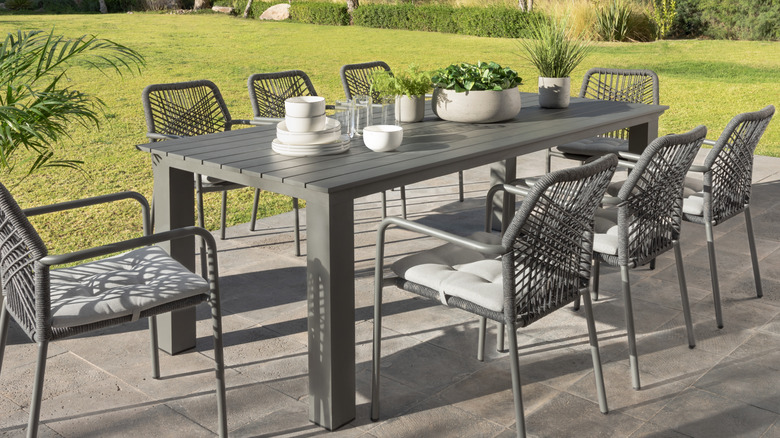
White, chalky spots that do not wipe away are likely calcium deposits from hard water or sprinkler runoff. These minerals bond to the surface and require a slightly acidic solution to dissolve.
Apply Vinegar Solution
Mix one part white distilled vinegar with nine parts water in a spray bottle. Test on a hidden area first, especially if your table has a powder-coated or anodized finish, to ensure no discoloration occurs. Spray directly onto stained areas and let sit for two to three minutes. The acidity breaks down limescale without damaging most aluminum finishes.
Wipe and Rinse
Use a soft cloth to gently wipe away the loosened deposits. For stubborn buildup, lightly scrub with a non-abrasive sponge. Rinse the area completely with clean water afterward to neutralize any remaining acid. Repeat if needed, but avoid prolonged vinegar exposure to prevent finish dulling.
Fix Oxidation and Chalky Residue
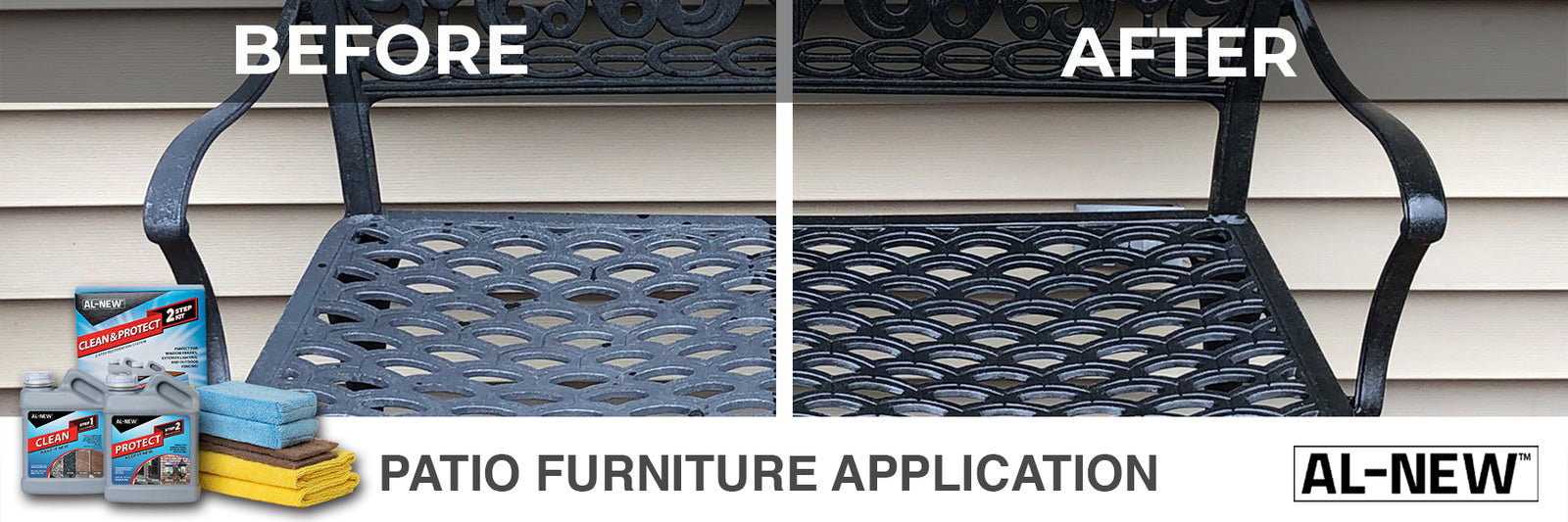
Over time, aluminum reacts with oxygen and moisture, forming a powdery white layer called oxidation. It is not rust, but it weakens the surface and makes the table look aged. If the finish feels rough or looks faded, it is time for restoration.
Assess Oxidation Level
Light oxidation appears as a dull, hazy film and responds well to cleaning. Heavy oxidation feels rough, looks chalky, and may flake off. In severe cases, the metal structure can weaken. Start with the least aggressive method and work up only if needed.
Use Vinegar or Polish Paste
For moderate oxidation, try a one-to-one mix of vinegar and water. Apply with a cloth, wait two minutes, then wipe clean. Alternatively, use a metal polishing paste designed for aluminum. Rub in circular motions with a soft cloth until the shine returns. Both methods remove surface oxidation without scratching.
Try Specialized Aluminum Restorer
For deep oxidation, use a commercial aluminum restorer. These products chemically reverse oxidation in minutes. Apply a small amount to the affected area, wait two to three minutes, then wipe off with a clean rag. The surface dries clear with no greasy residue and works even in tight crevices. User reports confirm dramatic results on badly degraded tables, often restoring them to near-original luster.
Safe Abrasive Cleaning Methods
When chemical cleaners are not enough, mechanical action may be required. But caution is critical. Too much abrasion damages the protective finish.
Smooth Rough Spots With Steel Wool
For rough or pitted areas, use fine-grade steel wool (000 or 0000). Dip it in soapy water and gently rub the oxidized zone. Always follow up by wiping the entire surface with a magnet or lint roller to catch any stray steel fibers. Leftover particles can rust and stain the aluminum.
Sand Scratched Areas Lightly
If the table has chips or deep scratches exposing bare metal, lightly sand with medium-grit sandpaper (180 to 220 grit). This evens the surface and prepares it for touch-up paint. Wipe clean with a damp cloth and dry immediately to prevent flash corrosion.
Power Wash Only When Necessary
For heavily soiled or oxidized tables, a low-pressure power washer (under 1,500 PSI) can speed up cleaning. Hold the nozzle at least 12 inches away to avoid gouging the metal. Never use this method on anodized or painted finishes unless absolutely necessary.
Protect and Maintain the Finish
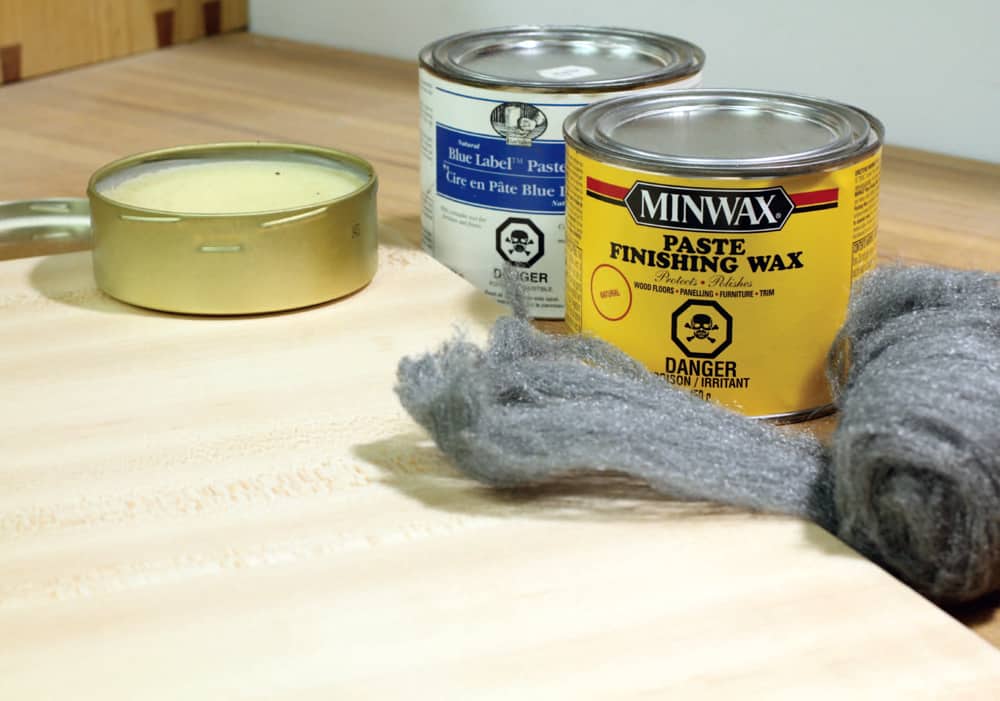
Cleaning is only half the battle. To keep your aluminum table looking new, apply protective treatments that resist future buildup.
Wax Glossy Surfaces
After deep cleaning, apply a fine automotive wax to smooth, shiny finishes. Buff it on with a soft cloth and let it haze before wiping off. This creates a hydrophobic barrier that repels water and dirt. Reapply every three to six months for best results.
Oil Textured or Matte Finishes
Wax does not adhere well to brushed or textured aluminum. Instead, use a few drops of mineral oil or baby oil on a cloth and rub it in. This restores luster and prevents grime from embedding in the grain. It is less durable than wax but safer for detailed surfaces.
Treat Moving Parts With WD-40
Spray WD-40 on hinges, bolts, and joints after cleaning. It displaces moisture, prevents seizing, and protects against surface corrosion. Wipe off excess to avoid attracting dust. Note that WD-40 is not a cosmetic fix. It will not restore shine, but it is essential for function.
Prevent Future Damage
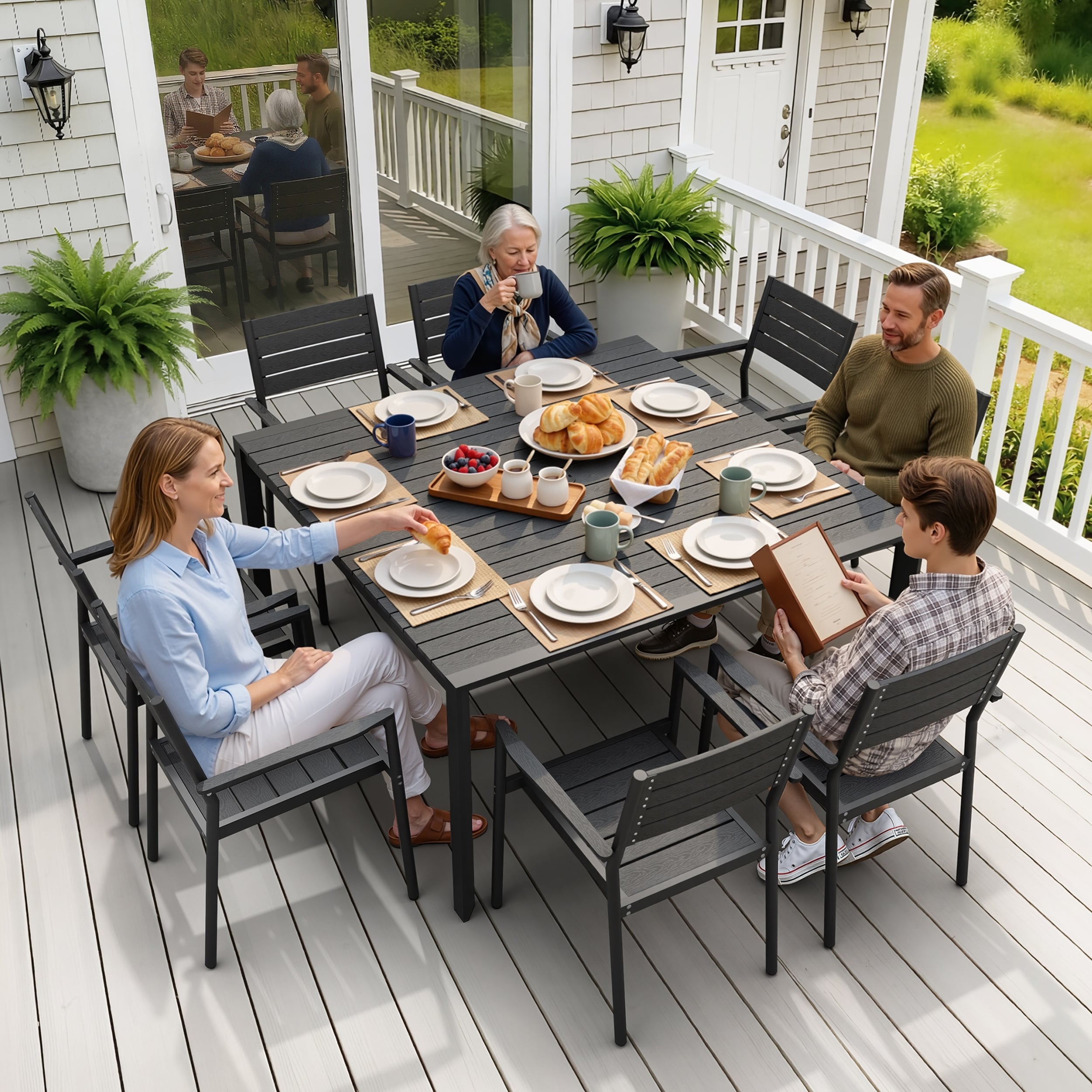
The best way to reduce cleaning frequency is to stop damage before it starts.
Drain Water From Legs
Remove foot caps or glides from the bottom of table legs to allow trapped rainwater to escape. This prevents internal corrosion and avoids freeze-thaw damage in cold climates. Replace caps only if they seal properly and include drainage holes.
Cover When Not in Use
Invest in a breathable, weather-resistant cover. It shields against UV rays, bird droppings, tree sap, and acid rain. Choose a cover with air vents to prevent mold and mildew from forming under trapped moisture. Machine-washable models stay fresh and effective longer.
Clean More Often in Harsh Environments
If you live near the coast or in a tropical zone, rinse your table weekly with fresh water. Salt spray and high humidity accelerate oxidation. Address stains immediately. Do not let them bake in under hot sun.
When to Refinish or Repair
Sometimes cleaning is not enough. If the finish is peeling, deeply pitted, or showing structural wear, refinishing may be the only solution.
Spot-Treat Scratches and Chips
Exposed bare metal means corrosion risk. Lightly sand the area, wipe clean, and apply touch-up paint made for metal. Most manufacturers offer color-matched paints through dealers. Let dry fully before use.
Spray Paint Severely Damaged Frames
For tables with widespread oxidation or faded powder coating, sand the surface smooth and apply exterior-grade, rust-inhibiting spray paint. Choose a color that matches or complements the original. This resets the protective layer and can extend the table is life by years.
Avoid These Common Mistakes
Even with the right tools, errors can make problems worse.
Do Not Use Bleach on Anodized Aluminum
While bleach removes stubborn stains in tropical areas, it can etch or discolor anodized finishes. If you must use it, dilute heavily (one capful per gallon), test first, and rinse immediately. Better alternatives exist, like vinegar or specialized restorers.
Never Skip the Rinse Step
Whether using soap, vinegar, or commercial cleaner, always rinse thoroughly. Leftover residue attracts dirt and can degrade the finish over time.
Avoid Harsh Commercial Cleaners
Oven cleaners, degreasers, or industrial solvents may seem effective but often strip protective layers. Stick to aluminum-specific products or mild household solutions.
Frequently Asked Questions About Cleaning Aluminum Tables
What is the best everyday cleaner for aluminum tables?
Mild dish soap or non-bleach laundry detergent mixed with warm water is the safest and most effective everyday cleaner. Apply with a soft sponge or cloth, rinse thoroughly, and let dry completely. This routine prevents dirt buildup and maintains the finish without risk of damage.
Does vinegar damage aluminum table finishes?
Diluted vinegar (one part vinegar to nine parts water for calcium, one-to-one for oxidation) is generally safe when tested first on a hidden area. The acidity dissolves mineral deposits and light oxidation without harming most finishes. Always rinse thoroughly after application and avoid prolonged exposure to prevent dulling.
How do I remove white chalky residue from my aluminum table?
White chalky residue is typically calcium deposits or oxidation. For calcium, apply a one-to-nine vinegar-water solution and wipe after two to three minutes. For oxidation, use a specialized aluminum restorer or a one-to-one vinegar mix. Both methods dissolve the buildup without scratching the surface.
Can I pressure wash my aluminum table?
Yes, but only when necessary and with caution. Use low pressure (under 1,500 PSI) and keep the nozzle at least 12 inches away. Avoid pressure washing anodized or painted finishes, as the force can strip the protective coating. For routine cleaning, gentle hand washing is safer and equally effective.
How often should I clean my outdoor aluminum table?
In standard conditions, clean your aluminum table once a week with mild soap and water. In harsh environments (coastal areas, tropical zones, or regions with hard water), rinse more frequently, ideally weekly, and address stains immediately to prevent permanent damage.
Should I wax or oil my aluminum table after cleaning?
Use automotive wax on glossy, smooth finishes to create a protective hydrophobic barrier. Apply mineral oil or baby oil on textured or matte surfaces where wax will not adhere properly. Reapply wax every three to six months and oil as needed to maintain protection and luster.
Key Takeaways for Cleaning Your Aluminum Table

Cleaning an aluminum table does not require expensive gear. It requires the right approach. Start with mild soap and water for routine maintenance, escalate to vinegar solutions for calcium and light oxidation, and use specialized aluminum restorers for heavy buildup. Always rinse thoroughly, dry completely, and protect the finish afterward with wax or oil depending on your table is surface type.
Preventive care matters just as much as cleaning. Drain water from leg tubes, cover your table when not in use, and clean more frequently if you live near the coast or in a harsh climate. With regular care, your aluminum table will stay sleek, strong, and stain-free for decades.