How to Decorate a Dining Table
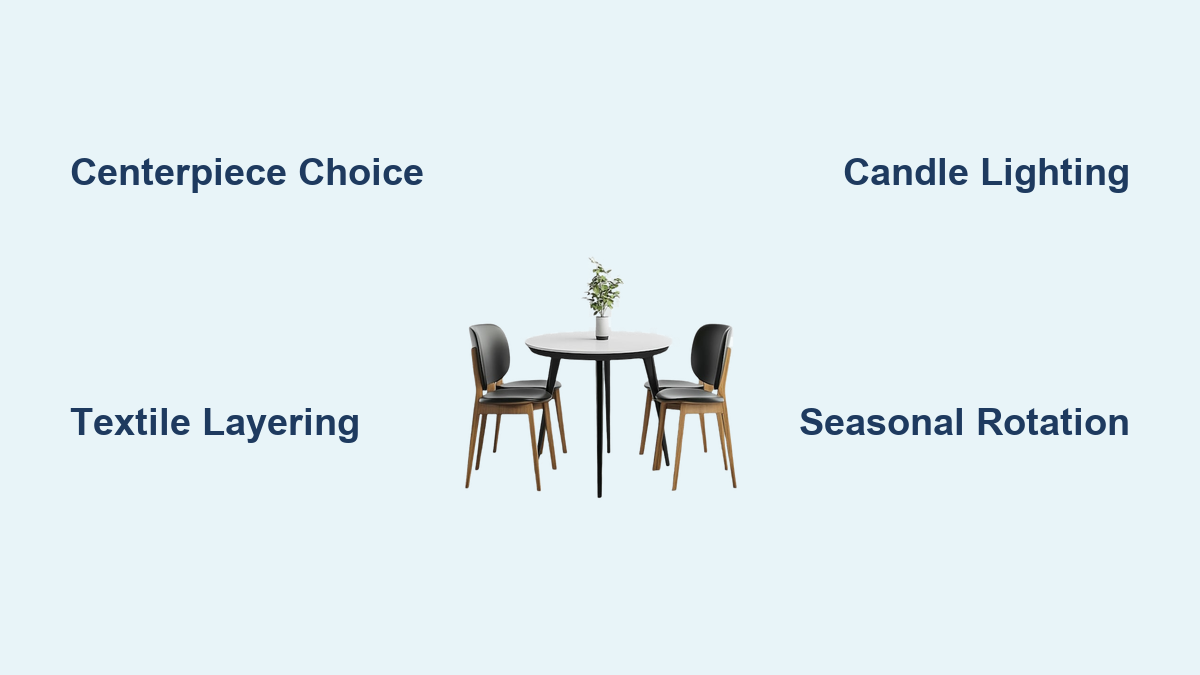
A beautifully decorated dining table does more than just look good. It transforms your home’s heart into a welcoming, intentional space that sets the tone for meals, gatherings, and everyday life. The key isn’t perfection, but curated intentionality: avoiding the twin traps of cluttered chaos and sterile emptiness. Whether you’re styling for a special dinner or elevating everyday moments, the way you decorate your dining table impacts mood, function, and overall design harmony.
This guide reveals how to decorate a dining table that feels both stylish and lived-in. You’ll learn proven styling formulas, seasonal inspiration, and budget-smart strategies for choosing centerpieces, layering textures, and creating ambiance with lighting. From minimalist modern to cozy farmhouse, we cover styles, materials, and real-world tips to keep your decor functional, fresh, and inviting.
Choose Your Styling Formula for Visual Balance

Every great tablescape starts with a solid structure. Instead of randomly placing items, use one of three proven approaches to create visual balance and impact on your dining table.
Single Statement Centerpiece Approach
When in doubt, go bold with one large, eye-catching piece placed in the center. This approach works especially well on long or wide tables where symmetry matters.
• Use oversized ceramic bowls, tall vases, or vintage tureens.
• Ensure the piece is proportional. Small items get lost on large surfaces.
• Example: A white footed soup tureen filled with faux hydrangeas or seasonal gourds.
This minimalist method keeps things clean and elegant, making it ideal for modern, Scandinavian, or transitional spaces. The key is choosing something substantial enough to anchor the entire table without overwhelming the eye.
Group in Threes or Fives
The rule of three creates rhythm and depth by grouping similar or contrasting items. This technique prevents your dining table from looking random while maintaining visual interest.
• Trio of like items: Three matching candlesticks or identical vases add formality.
• Mixed groupings: Combine a vase, bowl, and candlestick for relaxed charm.
• Cluster small vases together for a collected-over-time feel.
Vary heights and textures when grouping items. For example, place a tall brass bud vase beside a low rattan bowl and a mid-height pillar candle to create dimensional appeal.
Create a Casual Vignette
For everyday warmth, style a natural-looking still life with 3 to 5 objects that suggest use without appearing staged. This approach feels inviting and human, perfect for family homes where the table doubles as a workspace.
• Include alive elements: fresh fruit, herbs, or a simple floral arrangement.
• Mix practical and decorative: a fruit bowl next to a lit candle and open cookbook.
• Add imperfection: let a few petals fall from a vase or stack plates slightly askew.
The goal is looking as though items were casually left on the table, not arranged by a professional stylist.
Add Life with Botanicals and Greenery
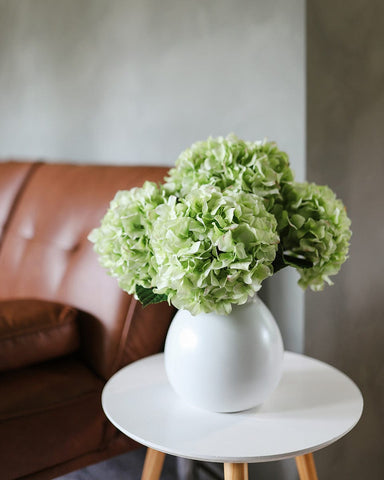
Plants and flowers are the most versatile decor tools, bringing color, texture, and energy to any dining table. They add life and freshness that artificial items simply cannot replicate.
Fresh vs. Faux Florals
Fresh flowers elevate special occasions with scent and realism. Pick seasonal blooms from farmers markets or clip from your garden.
• Best picks: tulips, ranunculus, zinnias, or eucalyptus branches.
• Change water every 2 to 3 days. Replace every 5 to 7 days.
Faux flowers are ideal for daily use. High-quality Real Touch stems look authentic and last for years.
• Top choices: Real Touch hydrangeas, ranunculus stems, or tulips.
• Dust occasionally. No watering needed.
For everyday styling on your dining table, faux florals offer the best balance of beauty and practicality.
Greenery and Branches
Long-stemmed greenery adds height and movement with minimal effort.
• Eucalyptus: Drapes beautifully in a simple vase with a fresh scent.
• Olive or myrtle stems: Soft texture that complements Mediterranean or French country styles.
• Magnolia branches: Bold leaves perfect for winter or formal settings.
Use one or two branches in a narrow vase for instant elegance. The organic shape adds natural beauty without requiring maintenance.
Potted Plants and Air Plants
Low-maintenance live plants work well for year-round greenery on your dining table.
• Pothos or ferns: Thrive in indirect light and add lushness.
• Orchids: Sleek and modern with blooms lasting for weeks.
• Air plants in a bowl: No soil or watering needed, great for minimalist tables.
Rotate pots seasonally or swap in seasonal accents like pinecones or mini pumpkins.
Set the Mood with Candles and Lighting
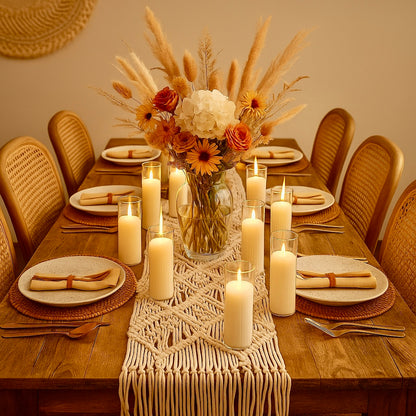
Candlelight instantly shifts a space from daytime utility to evening warmth. The right lighting transforms your dining table into an intimate gathering spot.
Pick the Right Candle Type
• Taper candles: Classic and elegant. Use in brass or iron holders for vintage charm.
• Pillar candles: Substantial presence. Black pillars add modern contrast.
• Tea lights: Soft glow. Group in lanterns or scattered holders.
• Battery-operated: Safe for homes with kids or pets with realistic flicker.
For daily use, opt for high-quality LED candles. They last longer and reduce fire risk while providing ambient glow.
Style with Candle Holders
Mix materials and heights for visual interest on your dining table.
• Vintage finds: Thrift stores offer unique, mismatched candlesticks.
• Materials: Brass, ceramic, iron, or wood.
• Arrangement: Cluster three candlesticks of varying heights or scatter singles down a long table.
A single standout holder like an antique brass sconce mounted nearby can complement the centerpiece beautifully.
Use Ambient Lighting
Enhance ambiance beyond candles with additional light sources.
• Table lanterns: Cast a moody glow, great for dimmed evenings.
• String lights: Drape over a mirror behind the table or wrap around a centerpiece.
• Overhead fixtures: Chandeliers or pendants should hang 30 to 36 inches above the table. Match style to decor.
Match your lighting to your overall theme. Floral enamel works for cottage style, while black iron suits farmhouse aesthetics.
Layer with Textiles for Depth and Warmth

Textiles ground the table, adding softness, pattern, and protection. They create the foundation for your entire tablescape.
Table Runners
Break up large surfaces and frame centerpieces with runners.
• Solids: Linen in white, beige, or gray for minimalism.
• Patterns: Stripes, checks, or florals for seasonal flair.
• DIY option: Cut from leftover fabric or reupholstery remnants.
For small tables, a narrow runner adds interest without overwhelming the space.
Tablecloths
Tablecloths are ideal for formal dinners or protecting delicate surfaces.
• Materials: Cotton or linen for breathability and texture.
• Vintage linens: Source from flea markets to add character.
• Checkered cloths: Classic for French bistro or farmhouse style.
Iron before use for a polished look that elevates your entire dining experience.
Placemats and Napkins
Practical yet decorative, especially in high-traffic homes.
• Materials: Wipeable vinyl for kids, woven rattan for summer, felt for winter.
• Napkins: Cloth adds warmth. Fold simply or use decorative holders.
• Napkin rings: Brass, wood, or ceramic to match your theme.
Use placemats even when not dining to define the space and add visual structure.
Use Trays and Functional Decor

Trays organize and elevate decor while keeping it movable and practical. They serve as mini-stage platforms for your favorite items.
Decorative Trays as Bases
• Use a scalloped brass or rattan tray to hold candles, a small vase, or fruit.
• High-sided trays protect the table and can be scooped away when serving food.
• Materials: wood, ceramic, metal, or woven rattan.
A tray keeps vignettes cohesive and prevents items from spreading across your entire dining table.
Repurpose Everyday Items
Get creative with what you already own.
• Julep cups or milk jugs: Use as impromptu vases.
• Cake stands: Display candles, fruit, or desserts.
• Lazy Susans: Rotate spices or seasonal accents. Doubles as serving aid.
Move decor from other rooms, like a living room sculpture or bathroom tray, to create new interest.
Match Decor to Seasons
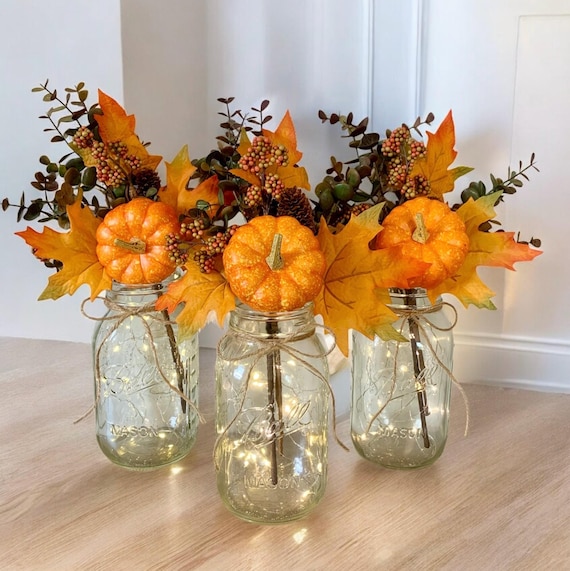
Rotate your table styling to reflect the time of year. Seasonal updates keep your dining table feeling fresh and relevant throughout the year.
Spring and Summer Decor
Aim for light, fresh, and vibrant aesthetics.
• Colors: Pastels, whites, greens, and bright florals.
• Elements: Wildflowers, seashells, potted herbs, linen runners.
• Themes: Picnic vibe with wire birdcages as candle holders, string lights, and mason jars.
Use airy fabrics and open arrangements to avoid heaviness during warmer months.
Fall and Winter Decor
Go cozy, rich, and festive as temperatures drop.
• Colors: Deep reds, oranges, golds, and metallics.
• Elements: Mini pumpkins, cinnamon sticks, evergreens, rustic wood.
• Themes: Harvest with woven baskets, gourds, and mason jars with wheat.
Swap in heavier textiles like velvet or embroidered runners for visual warmth.
Adapt to Your Space
Tailor your decor to your table’s size, shape, and room layout. What works for one space may overwhelm another.
Small Dining Tables
Avoid overcrowding small spaces.
• Use light-colored linens like white or cream to open the space.
• Choose vertical decor: a tall narrow vase with a single branch.
• Skip bulky centerpieces. Opt for a small bowl of lemons or a single candle.
Round tables with leaves offer flexibility. Style simply when extended.
Long Farmhouse Tables
Long tables need length-spanning decor.
• Use a long runner with multiple groupings like three candlestick clusters.
• Style with a linear centerpiece: a wooden tray holding vases or lanterns.
• Mix chairs for eclectic charm. Mismatched adds warmth.
Ensure centerpieces are low enough to allow eye contact across the table.
Outdoor Dining Areas
Prioritize durability for outdoor settings.
• Materials: Driftwood, weather-resistant planters, wipeable placemats.
• Decor: Lanterns, potted succulents, ceramic bowls.
• Lighting: String lights or solar-powered candles for evening use.
Store delicate items when not in use to prevent weather damage.
Keep It Practical and Functional
The best dining table decor works in real life, not just in photos. Balance beauty with everyday functionality.
Balance Beauty and Function
• Use trays or pedestals so decor can be moved quickly when serving.
• Avoid tall centerpieces that block conversation across the table.
• Keep a footed fruit bowl as both decor and snack station.
Your table should feel usable, not like a museum display.
Avoid Common Mistakes
• The lonely item: A small vase in the center of a large table looks lost. Go bigger or group items.
• Over-cluttering: More than 5 items in a vignette feels messy. Stick to 3 to 5.
• Too staged: Perfect symmetry can feel cold. Add slight asymmetry for warmth.
• Ignoring height: Flat arrangements lack interest. Mix tall and short elements.
Test your setup. Does it look balanced from all angles? Can you pass dishes easily?
Maintain Easily
Choose low-maintenance options for daily use.
• Faux florals and dried arrangements last for months.
• Wipeable ceramics and metals resist spills.
• Washable linens survive everyday use.
Rotate seasonal decor every 3 to 4 months to keep things fresh.
Style by Aesthetic
Match your table to your home’s overall design style. The dining table should feel like a natural extension of your existing decor.
Farmhouse and Rustic
• Key items: Wood crates, mason jars, checkered runners, mismatched chairs.
• Colors: Cream, sage, denim blue, natural wood.
• Centerpiece idea: A wooden tray with mini pumpkins, eucalyptus, and a pillar candle.
French Country
• Colors: Soft blues, whites, antique pinks.
• Items: Vintage Digoin dishes, lilac sprigs, antique pink rose trays.
• Touch: Worn ceramics, linen napkins, brass accents.
Modern and Minimalist
• Palette: Monochrome or neutral.
• Elements: Single sculptural object, solid runner, clean lines.
• Example: Black ceramic jug with one olive branch, no extra clutter.
Boho and Eclectic
• Textures: Rattan, macramé, beads, pampas grass.
• Layering: Mix patterns, metals, and organic shapes.
• Centerpiece: Pampas grass in a rattan vase surrounded by crystals and candles.
DIY and Budget Tips
You do not need to spend a lot to style beautifully. Creative sourcing and repurposing yield stunning results.
Shop Secondhand
• Thrift stores: Find vintage candlesticks, linens, and vases for under $20.
• Yard sales: Hunt for unique ceramics or serving platters.
• Estate sales: Great for high-quality, one-of-a-kind pieces.
Mix new and old for a collected, layered look.
Use What You Have
• Pantry items: Julep cups as vases, decant spices into pretty jars.
• Nature: Clip branches, stones, or flowers from your yard.
• Other rooms: Borrow a sculpture, tray, or plant from the living room.
Make Your Own
• Runners: Sew from leftover fabric or old tablecloths.
• Placemats: Cut and hem fabric remnants.
• Centerpieces: Fill a pedestal with decorative beads or pinecones.
Even a simple DIY touch adds personality and uniqueness to your dining table.
Frequently Asked Questions About Dining Table Decor
What is the rule for decorating a dining table?
The most common approach is the rule of three: group three items together for visual interest. Alternatively, use a single statement piece for minimalist spaces or create a casual vignette with 3 to 5 objects for everyday warmth. Always vary heights and textures for dimension.
How do I make my dining table look expensive on a budget?
Shop secondhand for vintage candlesticks and linens. Use what you have by repurposing everyday items like julep cups as vases. Add faux florals that look real. Layer textures with textiles and mix high and low pieces for a collected, expensive-looking aesthetic.
What do you put in the middle of a dining table?
Options include a statement centerpiece like a large tureen or vase, a grouped vignette with candlesticks and florals, or a functional tray holding candles and decorative objects. Choose based on your style preference and table size.
How often should I change my dining table decor?
Rotate seasonal decor every 3 to 4 months to reflect the time of year. Update for special occasions or holidays. For everyday styling, keep things fresh by swapping one or two accessory pieces rather than completely redoing the entire tablescape.
Can I decorate my dining table when not in use?
Absolutely. Your dining table should look intentional even when not being used for meals. Use it as a display surface with a beautiful vignette, functional decor like a fruit bowl, or simply keep it styled with a runner and centerpiece that complements your room.
Key Takeaways for Decorating Your Dining Table
Decorating a dining table is about creating a space that feels intentional, warm, and ready for life. Start with a solid styling formula, whether that is a bold statement centerpiece, a grouped vignette, or a casual arrangement of 3 to 5 objects. Layer in botanicals for life, candles for ambiance, and textiles for warmth and texture.
Match your aesthetic to your home style, whether farmhouse rustic, French country, modern minimalist, or boho eclectic. Adapt your approach to your specific space, using light colors for small tables and longer arrangements for farmhouse tables. Prioritize functionality by using trays and keeping items at a height that allows conversation.
Rotate your decor seasonally, shop secondhand for budget-friendly finds, and repurpose items you already own. A well-decorated dining table is not just for guests. It is for you and your everyday life. Start with one change today, whether adding a runner, grouping three candlesticks, or bringing in a simple vase with greenery. Your dining table will thank you.