How to Get Wrinkles Out of Table Linens
Nothing ruins a beautifully set table faster than wrinkled linens. Whether you’re preparing for a wedding, holiday dinner, or corporate event, smooth, crisp tablecloths make all the difference. But removing wrinkles is not one-size-fits-all. How to get wrinkles out of table linens depends heavily on fabric type, equipment available, and time constraints. The wrong method can melt polyester, damage prints, or set creases deeper.
This guide breaks down the most effective, fabric-safe techniques from ironing wet cotton to steaming delicate branded linens. You will learn which methods deliver 100% wrinkle removal, which are best for last-minute fixes, and how to prevent wrinkles before they start. No fluff, no guesswork. Just proven strategies backed by professional event teams and real-world testing.
Know Your Fabric First
Choosing the right wrinkle-removal method starts with identifying your table linen’s material. Using high heat on polyester can melt it. Ironing linen dry takes twice as long as wet. Missteps lead to shine, shrinkage, or ruined logos.
Cotton and Linen Traits
Cotton and linen respond best to high heat and moisture. They wrinkle easily but tolerate aggressive treatment. Linen in particular holds deep creases after drying and needs full dampness for optimal ironing. For a crisp, hotel-quality finish, these fabrics must be ironed while damp, not dry.
Polyester and Spandex Risks
Polyester is heat-sensitive. High temperatures cause shine, stiffness, or melting. Printed or sublimated designs are especially vulnerable. Direct iron contact can blur or peel graphics. Spandex blends stretch tightly over tables, which naturally reduces wrinkles, but deep folds still need careful steaming or low-heat treatment.
Check the Label
Always inspect care tags. Some wrinkle-resistant linens are treated with finishes that degrade under steam or iron pressure. If no tag exists, assume it is polyester and use the safest method. Steaming with distance and tension is your best bet.
Iron Wet for Crisp Cotton and Linen

Ironing wet fabric delivers the best results for natural fibers. This method relaxes fibers completely, eliminating all wrinkles in one pass. It is faster and more effective than steaming or dry ironing.
Why Wet Ironing Works
When cotton or linen is fully damp, heat penetrates evenly. The water acts as a natural conductor, allowing fibers to reset without scorching. Unlike dry ironing, which fights set creases, wet ironing prevents them from forming.
Step-by-Step Wet Ironing
- Wash the tablecloth and remove it while still soaking.
- Wring out excess water. Fabric should be damp, not dripping.
- Turn off the steam function on your iron. The cloth provides moisture.
- Set iron to high heat for cotton or linen.
- Iron in straight, overlapping strokes. Pull fabric taut with your free hand.
- Lay flat to dry or hang immediately.
Pro Tip: For large cloths, work in sections on a clean, dry surface like a countertop or ironing board extended with a towel.
Avoid These Mistakes
- Using steam on already-wet fabric. This causes pooling and uneven results.
- Leaving the iron in one spot. This can scorch or leave marks.
- Ironing dry cotton. This requires multiple passes and often leaves residual creases.
Steam Polyester Safely from a Distance
Steaming is the gold standard for polyester and printed linens. No direct contact means no risk of melting or damaging graphics. Moist heat relaxes fibers gently.
Choose the Right Steamer
- Handheld steamers work best for touch-ups and small jobs. They have limited power for thick folds.
- Vertical garment steamers are more powerful, ideal for full tablecloths. They are faster and more consistent.
Always use distilled water to prevent mineral spots on light-colored fabrics.
How to Steam Effectively
- Hang the tablecloth on a shower rod or drape over a door.
- Hold steamer 1 to 2 inches from fabric.
- Move slowly in straight lines. Do not press nozzle into cloth.
- For deep creases, pass over 2 to 3 times, waiting 10 seconds between passes.
- Clip edges taut using binder clips or table clamps for best results.
Time Estimate: 15 to 30 seconds per square foot for light wrinkles. Up to 60 seconds for factory folds.
Why Tension Matters
Steaming without tension only relaxes fibers. It does not stretch them smooth. Clipping corners or sides to a table edge pulls the fabric flat as it softens, ensuring a wrinkle-free finish.
Use Dryer with Damp Towel for Speed

This is the fastest non-iron method for basic polyester linens. The tumbling action combined with steam from a damp towel releases creases in minutes.
Quick Dryer Fix Steps
- Place wrinkled tablecloth in dryer.
- Add one damp towel or 1 to 2 ice cubes for lighter moisture.
- Set to Low Heat or Permanent Press. Never use high heat.
- Run for 10 to 15 minutes only.
- Remove immediately and lay flat or drape over table.
Why It Works: The damp towel creates humidity inside the drum. Tumbling prevents new creases from forming.
Risks and Limitations
- Over-drying. Leaving it in longer sets new wrinkles.
- Print damage. Tumbling can crack or fade sublimated logos.
- Uneven results. Large or thick cloths may retain creases in folded areas.
Best For: Factory folds on plain polyester, last-minute prep, or when no steamer or iron is available.
Hang in Steamy Bathroom Overnight
For delicate or branded linens, this no-tool method uses ambient humidity to relax wrinkles safely. It is slow but foolproof for heat-sensitive fabrics.
How to Use Bathroom Steam
- Hang tablecloth on shower rod or hanger.
- Close bathroom door.
- Run hot shower for 5 to 10 minutes until room fills with steam.
- Leave cloth overnight or for at least 4 to 6 hours.
- Add light weights like clothespins to bottom edge to encourage straightening.
Mechanism: Moist air penetrates polyester fibers, softening them enough to release creases under their own weight.
When to Use This Method
- Printed or custom-logo tablecloths
- No access to iron, steamer, or dryer
- Avoiding any risk of heat damage
Limitation: Will not remove deep, sharp folds completely. Best for light to moderate wrinkling.
Spot-Fix Wrinkles with Heat Gun
For on-site events, especially outdoors, a heat gun can quickly smooth stubborn wrinkles on stretched tablecloths if used correctly.
Safe Heat Gun Technique
- Drape tablecloth tightly over table.
- Secure edges with clips or tucks to eliminate slack.
- Set heat gun or hair dryer to lowest setting.
- Hold 6 to 8 inches from fabric.
- Wave slowly over wrinkle. Do not hover.
- Stop as soon as crease releases.
Critical Rule: Never touch the nozzle to fabric. Polyester melts at 480°F. Most heat guns exceed this in seconds.
Why This Works On-Site: Tension from the table surface allows heat to relax fibers evenly. Wind can cool the fabric too fast, so avoid using outdoors in breezy conditions.
Not for: Printed areas, thin fabrics, or inexperienced users.
Prevent Wrinkles Before They Start
The best way to remove wrinkles is to never get them. Smart washing, drying, and storage prevent creases from forming.
Wash and Dry Right
- Remove immediately after wash cycle ends. Damp fabric left in washer creates deep folds.
- Do not overload. Crowded loads twist and crease linens.
- Use low heat for polyester. High heat causes shrinkage and shine.
- Air dry when possible. Hanging prevents dryer-induced wrinkles.
Store Linens Without Creases
- Roll, do not fold. Wrap around a cardboard tube or hanger to avoid sharp folds.
- Hang if space allows. Use wide, padded hangers to support fabric weight.
- Keep dry and dark. Store in breathable bags away from sunlight and moisture.
- Avoid stacking heavy items. Pressure sets permanent creases in stored linens.
Pro Move: Event teams roll matching linens together for quick, wrinkle-free deployment.
Fix Wrinkles with Spray Bottle
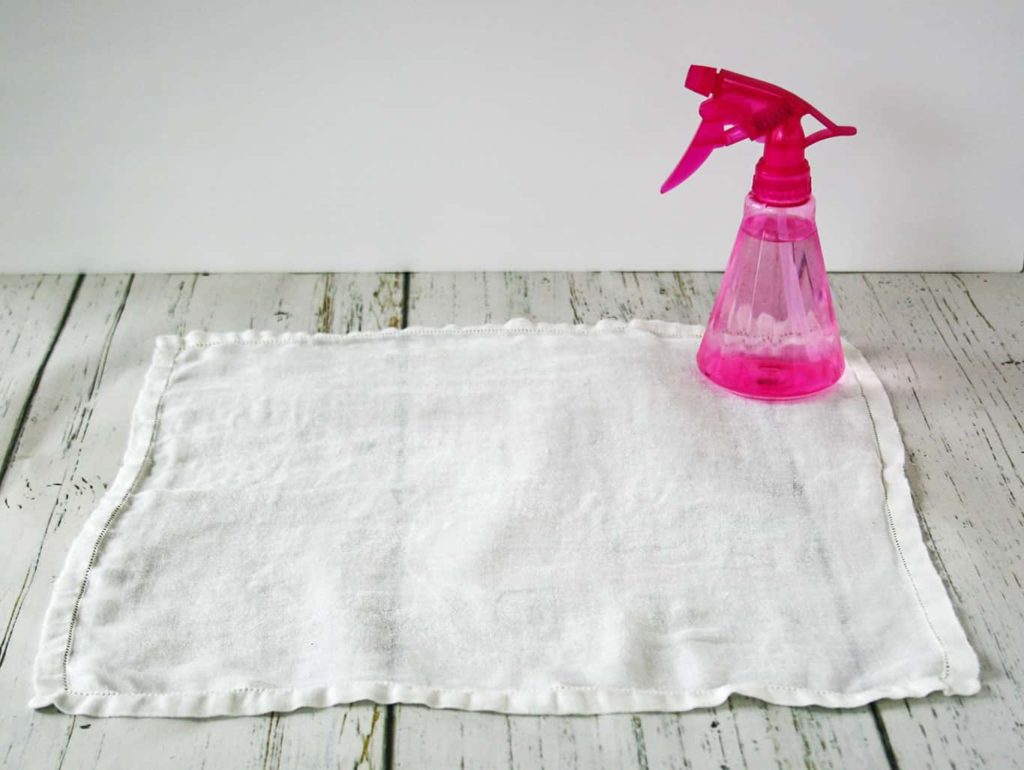
When no tools are available, a spray bottle and hand smoothing can salvage a table setting. This will not deliver a crisp finish, but it can help.
Emergency Smoothing Steps
- Lay tablecloth flat on table.
- Fill spray bottle with water.
- Lightly mist wrinkled areas. Do not soak.
- Smooth by hand, pulling from center outward.
- Use a second person for large cloths to apply even tension.
Best For: Minor creases, backyard gatherings, or last-minute fixes.
Limitations: Fabric stays slightly damp. Will not achieve ironed sharpness. Risk of water spots on dark linens.
Freeze for Later Ironing (Napkins Only)
Freezing wet linens preserves moisture until you are ready to iron. This is ideal for napkins or small cloths but impractical for full tablecloths.
How to Freeze and Iron
- Wet napkins thoroughly after washing.
- Place in sealed bag. Remove air to prevent freezer burn.
- Freeze overnight.
- Remove and thaw completely.
- Iron while still damp from thawing.
Results: Same crisp finish as wet ironing, with no waiting for laundry.
Drawbacks: Takes planning. Not feasible for large items due to freezer space.
Match Method to Your Linen Type

Choosing the wrong technique risks damage. Use this quick-reference guide to pick the best method.
Cotton or Linen: Wet Iron for Crisp Finish
- Best method: Iron while damp, no steam
- Avoid: Dry ironing without misting
- Outcome: 100% wrinkle-free, sharp look
Printed Polyester: Steam or Hang in Bathroom
- Best method: Vertical steaming or overnight bathroom steam
- Avoid: Direct iron contact, high heat
- Outcome: Smooth without logo damage
Plain Polyester: Dryer Plus Damp Towel
- Best method: 10-minute low-heat dryer cycle
- Avoid: Over-drying, high heat
- Outcome: Fast wrinkle release, decent finish
Spandex Blends: Stretch and Steam
- Best method: Drape tightly, steam under tension
- Avoid: Heat guns on printed panels
- Outcome: Smooth, tension-fitted look
Final Thoughts on Getting Wrinkles Out of Table Linens
How to get wrinkles out of table linens is not just about tools. It is about matching the method to the fabric. Wet ironing wins for cotton and linen. Steaming from a distance is safest for polyester. The dryer trick saves time, but only if you act fast. Prevention rolling, hanging, and immediate removal beats correction every time.
Use tension, control heat, and respect fabric limits. Whether you are prepping for a gala or fixing a last-minute crease, these proven techniques ensure your table looks flawless without risking a single melt spot or stubborn wrinkle.
Frequently Asked Questions About Removing Wrinkles from Table Linens
What is the best way to get wrinkles out of polyester tablecloths?
Steaming is the safest method for polyester. Hold the steamer 1 to 2 inches from the fabric and move slowly in straight lines. Use distilled water and clip the edges taut for best results. This prevents melting or damaging printed designs.
Can I iron polyester tablecloths?
Yes, but only on low heat with a pressing cloth between the iron and fabric. Never use steam on polyester as the heat and moisture can cause damage. For printed or branded linens, avoid ironing entirely and use steaming instead.
How do I get wrinkles out of linen tablecloths?
Iron linen while it is still damp from washing. Turn off the steam function on your iron and use high heat. Pull the fabric taut with your free hand as you iron. This method removes 100% of wrinkles and leaves a crisp finish.
Does the dryer method really work for table linens?
Yes, for plain polyester. Place the tablecloth in the dryer with a damp towel on low heat for 10 to 15 minutes. Remove immediately and lay flat or drape. This works well for factory folds but risks damaging prints or creating new wrinkles if left too long.
How can I remove wrinkles without an iron or steamer?
Hang the tablecloth in a steamy bathroom overnight. Run a hot shower for 5 to 10 minutes, then leave the fabric hanging for 4 to 6 hours. This gently relaxes fibers using ambient humidity. It is safe for all fabric types but works best for light to moderate wrinkles.