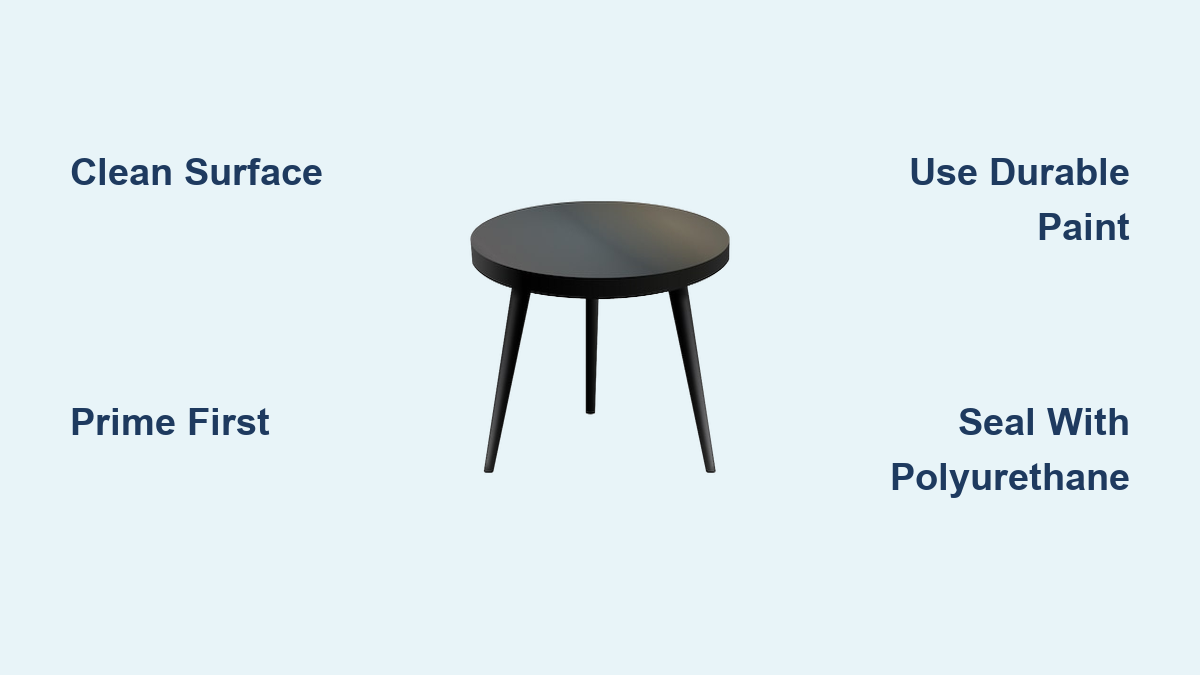
How to Paint a Coffee Table
Is your coffee table looking tired, outdated, or worse, covered in sticky fingerprints and water rings? You do not need to replace it. Painting a coffee table is one of the most cost-effective, beginner-friendly ways to transform your living space. With the right prep and materials, you can create a finish that lasts for years, even with kids, pets, and daily use.
This guide walks you through every step, from choosing paint and prep methods to sealing for maximum durability. Whether you are working with solid wood, veneer, or a glossy thrift-store find, you will learn how to avoid chipping, streaks, and peeling.
Prep the Surface Right
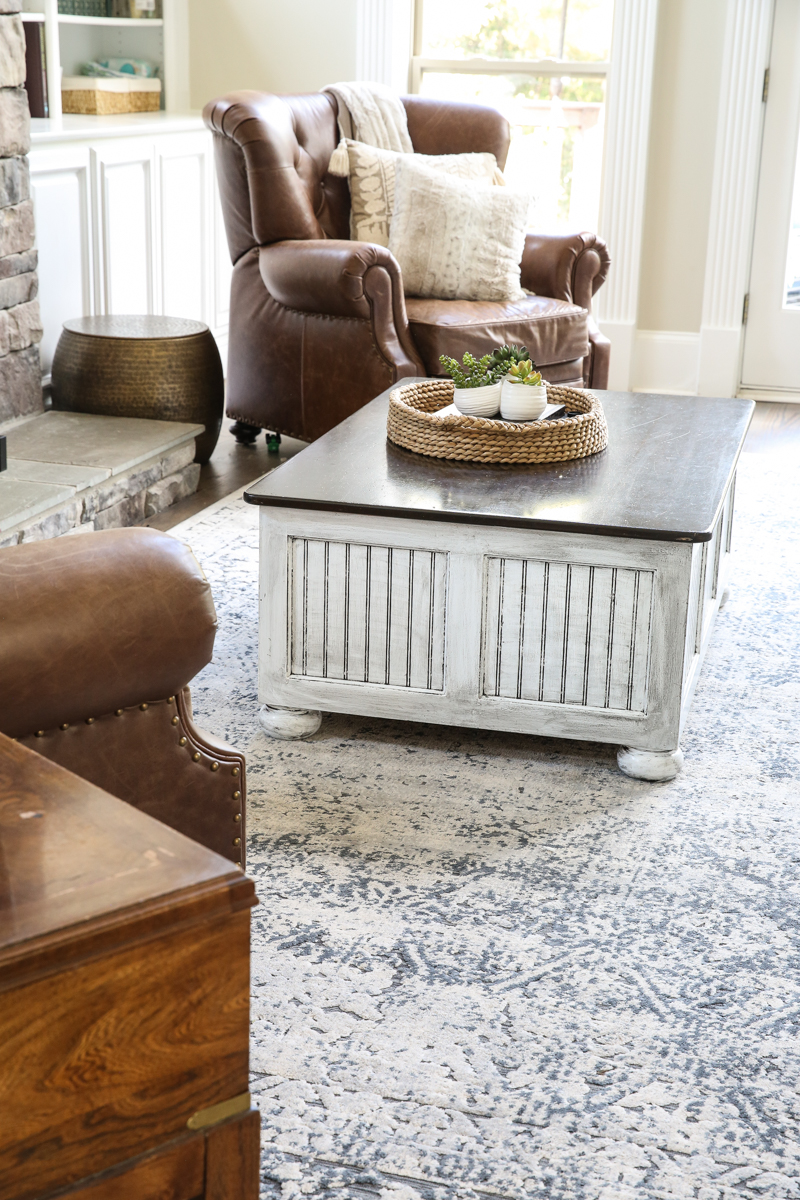
Skipping prep is the number one cause of paint failure. A clean, properly prepped surface ensures your paint sticks and resists chipping.
Clean with a Deglosser or Soapy Water
Start by removing dirt, oils, and grime. For lightly soiled tables, wipe down with soapy water and a sponge. For shiny or greasy finishes, use a deglosser like Liquid Sandpaper. Pour it into a bowl, soak a rag, and scrub in circular motions. Work in sections and replace the rag if it gets cloudy. Let it dry 30 minutes before priming.
Skip Sanding When Possible
You do not always need to sand. If the surface is intact and you are using a high-adhesion primer like Zinsser Stix or deglosser, skip the sandpaper. Sand only if there are deep scratches, dents, or if you are applying wood filler. If you do sand, wipe away dust with a damp cloth.
Prime for Maximum Adhesion
Primer is non-negotiable. It is the glue that bonds paint to your table. Skip paint and primer in one products because these often fail on furniture. Use a dedicated water-based primer like Zinsser Stix or an extreme bond primer for bare wood. Apply one smooth coat. Full coverage is not necessary. Just a uniform layer. Let it dry completely before painting.
Choose the Right Paint

Not all paints stand up to coffee spills and lego drops. Pick a formula built for durability.
Use Latex or Urethane Enamel
For high-traffic tables, Behr Premium Plus or Sherwin Williams Emerald Urethane Trim Enamel are top choices. These latex-based paints resist chipping, scratches, and cleaning. Sample sizes around six dollars are often enough for one table.
Avoid Standard Chalk Paint
Chalk paint dries matte and trendy but lacks durability unless sealed heavily. If you use it, follow with a strong topcoat. Better yet, use DecoArt Americana Decor Satin Enamel, which has a built-in hardening topcoat.
Mix Custom Colors
Want a unique shade? Mix acrylics like DecoArt Americana Multi-Surface on a paper plate. Blend small amounts of True Blue, Pewter, or Beige into a base to match your rug or wall color. Test on a hidden area first.
Apply Paint Smoothly
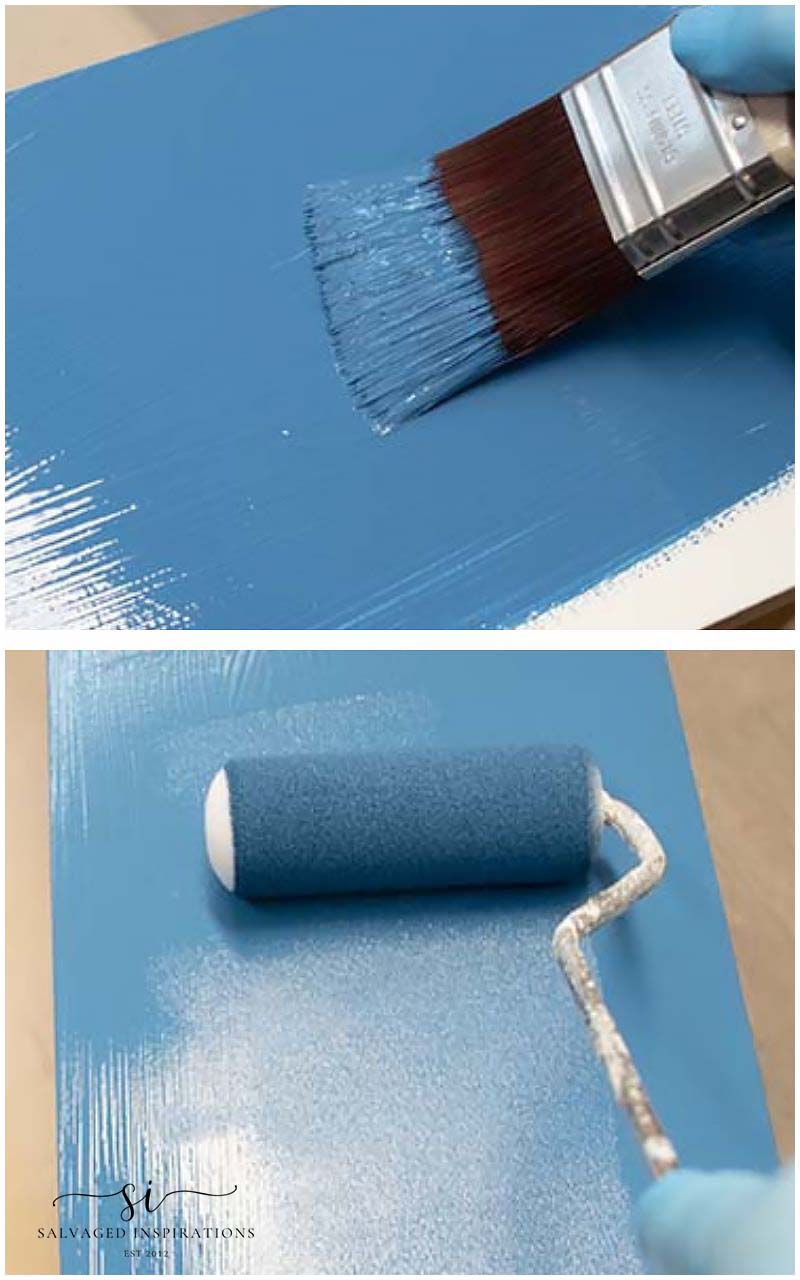
Brush marks and streaks disappear with the right tools and technique.
Use a Brush and Roller Combo
For edges and corners, use a high-quality synthetic brush. For flat surfaces, use a mini foam roller. Load the roller lightly and apply paint in a W pattern, then smooth in one direction following the wood grain.
Expect a Splotchy First Coat
Do not panic if the first coat looks uneven. This is normal. Let it dry 45 minutes to 2 hours, depending on humidity. Most tables need two coats, especially when painting dark to light like black to white.
Paint in a Dust-Free Area
Close windows and turn off fans. Dust particles stick to wet paint. If lint lands on the surface, wait until dry, then lightly sand with 220-grit paper before the next coat.
Seal for Long-Lasting Protection
Paint alone will not survive daily abuse. A topcoat is essential.
Apply Water-Based Polyurethane
Use Varathane Water-Based Polyurethane. It is durable, dries clear without yellowing, and reduces sheen to a modern matte. Apply 2 to 3 coats with a foam brush, stirring gently with a plastic spoon. Never shake the can because this causes bubbles.
Do Not Sand Between Clear Coats
Sand only if there is dust or debris after drying. Otherwise, sanding can ruin the finish. Apply each coat 30 minutes apart for best results.
Let It Cure Fully
Even if dry to the touch, wait 21 to 30 days before heavy use. Paint and topcoats continue to harden during this time. Use coasters and avoid placing hot items directly on the surface.
Try a Two-Tone Design
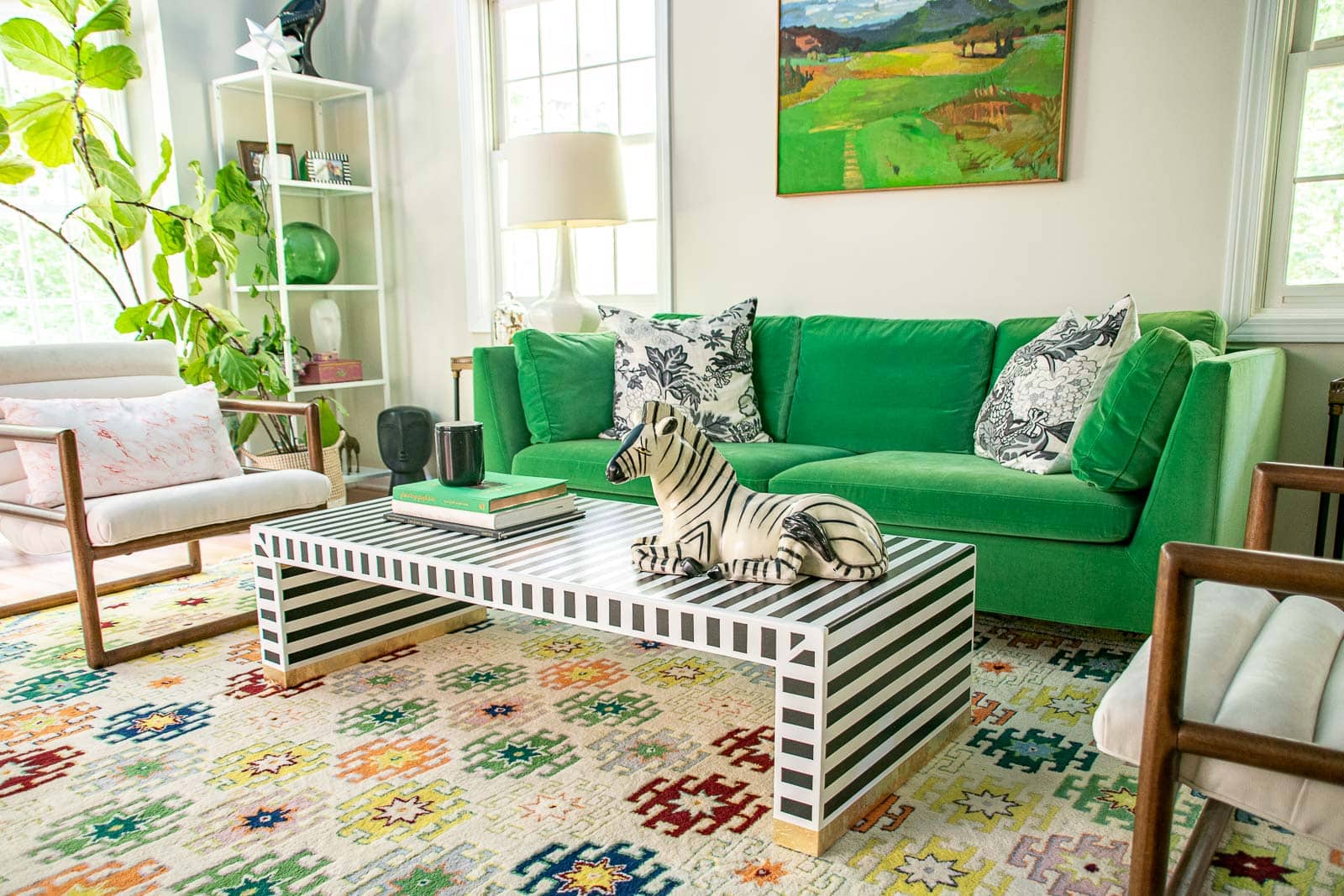
Give your table a mid-century modern update with contrasting colors.
Tape Off Sections
Paint the entire table with primer first. Then, tape off the interior section like the top center using painter’s tape. Press edges firmly to prevent bleed.
Paint the Exterior First
Use a dark, rich color like Sherwin Williams Rockweed on the legs and outer edges. Apply with a brush and roller, following the grain. Let dry at least 4 hours.
Paint the Interior
Tape off the freshly painted exterior, then paint the center with a contrasting shade like Reflecting Pool. Remove tape once dry. Seal the entire table with polyurethane.
Create a Faux Wood Grain Look
Turn laminate or damaged wood into a convincing wood finish without stripping.
Apply a Neutral Base Coat
Paint two coats of a light, neutral color like Dixie Belle Putty. Use a roller for the first coat, a brush for the second. Always brush in the same direction because this becomes your grain pattern.
Wait 24 Hours for Clear Wax
Apply a thin layer of Annie Sloan Clear Wax in the grain direction. Wipe off excess. This layer must dry for 24 hours before adding dark wax. Do not rush it.
Layer Dark Wax for Grain
Dip a brush in Annie Sloan Dark Wax and apply in thin, wavy lines following the grain. Wipe off large excesses but leave variation. Apply 2 to 3 layers, waiting a few hours between coats. Never let one layer dry completely before adding the next.
Buff and Cure
If it looks too dark, buff with clear wax. Too light? Add more dark wax. Let the piece cure for 21 days before heavy use.
Fix Common Problems
Even pros run into issues. Here is how to fix them fast.
Streaky Paint
Keep painting. Streaks disappear after the second coat and proper drying. Use long, even strokes and avoid overworking the paint.
Bubbles in the Clear Coat
Bubbles are caused by shaking the can. Always stir gently with a plastic spoon. If bubbles form, lightly sand when dry and reapply.
Chipping Paint
You likely skipped primer or used paint and primer in one. Strip the paint, prime with Stix, and repaint with a durable latex or enamel.
Water Rings
Prevent them with coasters. On waxed finishes, light rings can sometimes be buffed out. On painted surfaces, touch up with a small brush.
Maintain Your Painted Table
A few simple habits keep your table looking new.
Clean Gently
Wipe with a damp microfiber cloth. Avoid abrasive cleaners or soaking the surface.
Touch Up When Needed
Keep leftover paint in a sealed container. Use it to cover scratches or scuffs before they worsen.
Re-Wax Over Time
If you used wax, reapply every few years depending on use. Never place hot pans or mugs directly on waxed surfaces.
Protect the Finish
Use felt pads under lamps and decor. Rotate items periodically to prevent uneven wear.
Frequently Asked Questions About Painting a Coffee Table
What type of paint is best for a coffee table?
Latex or urethane enamel paints like Behr Premium Plus or Sherwin Williams Emerald Urethane Trim Enamel offer the best durability for high-traffic coffee tables. These paints resist chipping, scratches, and cleaning better than standard chalk paints.
Do I need to sand before painting my coffee table?
Not always. If the surface is intact and you use a high-adhesion deglosser or primer like Zinsser Stix, you can skip sanding. Sand only if there are deep scratches, dents, or if you need to apply wood filler.
How long should I wait before using my painted coffee table?
Even if the paint feels dry to the touch, wait 21 to 30 days before heavy use. Paint and topcoats continue to harden during this curing period. Use coasters and avoid placing hot items directly on the surface.
Why is my painted coffee table chipping?
Chipping happens when you skip primer or use paint and primer in one products. These combined products often fail on furniture. Strip the paint, apply a dedicated primer like Zinsser Stix, and repaint with a durable latex or enamel.
Can I paint over a glossy finish without sanding?
Yes. Use a deglosser like Liquid Sandpaper to clean and dull the glossy surface. Apply it with a rag in circular motions, let it dry 30 minutes, then prime and paint.
How do I get a smooth finish without brush marks?
Use a mini foam roller for flat surfaces and a high-quality synthetic brush for edges. Apply paint in a W pattern with the roller, then smooth in one direction following the wood grain. Lightly sand between coats if needed.
Key Takeaways for Painting Your Coffee Table
Painting a coffee table is not just about color. It is about creating a durable, personalized piece that stands up to real life. The key steps are thorough prep using deglosser and primer, choosing durable latex or urethane enamel paint, and sealing with 2 to 3 coats of water-based polyurethane.
Whether you go bold with black, elegant with a two-tone design, or rustic with faux wood grain, the details matter. Clean, prime, seal, and cure properly. Keep leftover paint for touch-ups, use coasters, and reapply wax every few years if needed.
Now that your table looks brand new, consider tackling a side table or hutch next. The same principles apply. Refresh, do not replace.