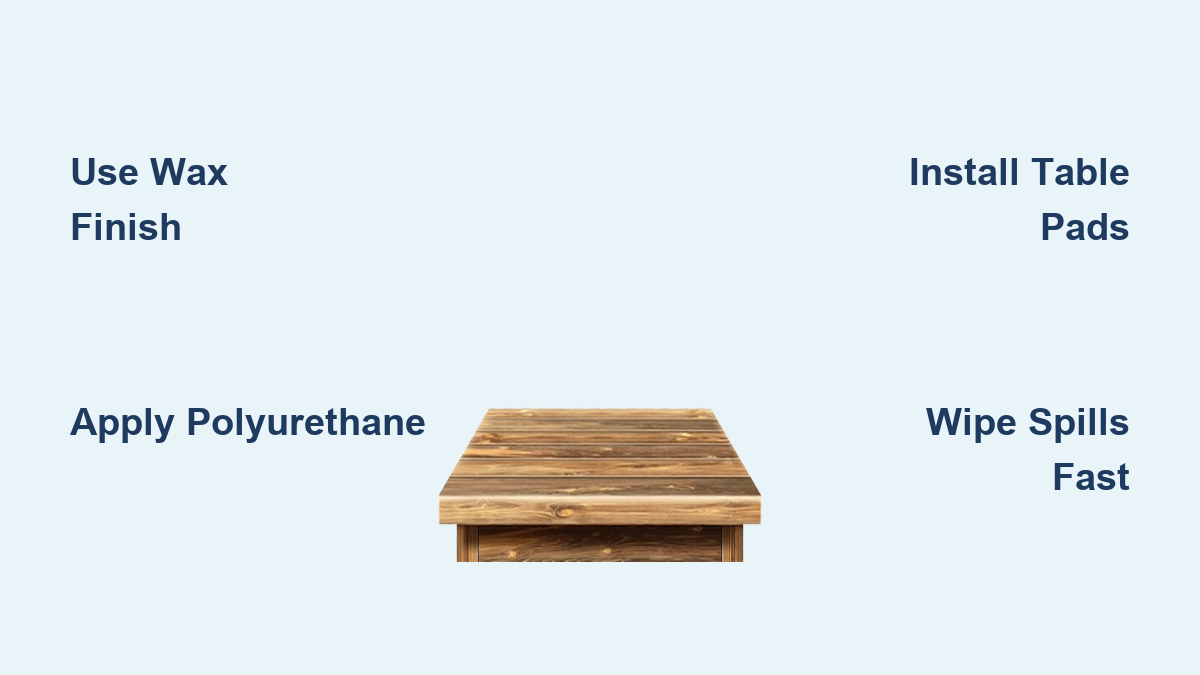
How to Protect a Wood Table
Wood tables serve as stunning centerpieces in any home, but daily use quickly leads to scratches, heat rings, water stains, and faded finishes. Learning how to protect a wood table requires more than a single solution. It demands a layered approach combining the right finish, physical barriers, and smart daily habits. Whether you have a rustic farmhouse table or an elegant dining set, this guide covers proven methods to preserve your wood table’s beauty and functionality for decades.
You’ll discover how to choose between wax, polyurethane, and oil finishes based on your aesthetic preferences. We’ll explore physical barriers like custom pads versus glass tops, plus practical accessories that shield high-traffic areas. By the end, you’ll have a complete protection system tailored to your lifestyle.
Choose the Right Finish for Your Wood Table
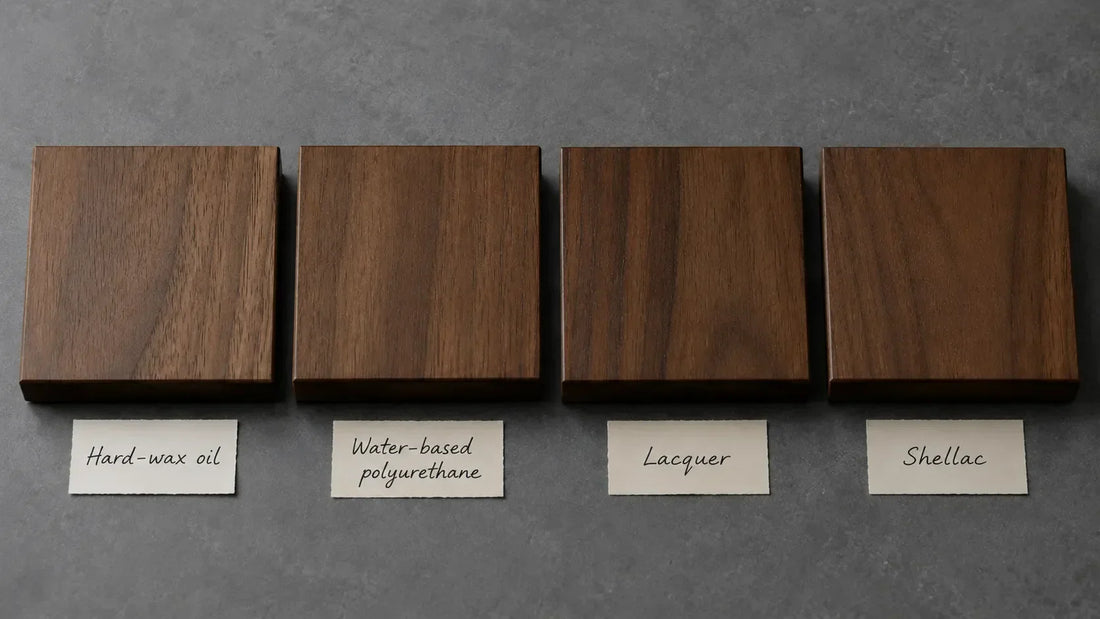
The foundation of table protection starts with the surface finish. Your choice of sealant determines how well the wood resists spills, heat, and wear, along with how often you’ll need to maintain it.
Wax for Natural-Looking Protection
Wax preserves the wood’s original color and feel, making it ideal for tables where maintaining the authentic look matters most. This method works especially well for high-end furniture from brands like Restoration Hardware or Pottery Barn, where darkening from polyurethane would ruin the intended aesthetic.
Use a carnauba-based paste wax like Crystal Clear, which dries transparent without adding yellow tones. Apply thin layers using a lint-free waxing brush, working with the grain. Remove excess with a clean cloth and allow each coat to dry overnight. Two to three coats provide moderate protection against light spills and minor scuffs.
Wax isn’t impervious. It won’t stop hot pans or standing water, but it repels everyday spills effectively. Reapply once a year or every six months for heavy use. The entire process takes just 10 to 15 minutes.
Pro Tip: Always wipe the surface with a tack cloth before waxing to remove dust. Wax traps debris, so a clean start ensures a smooth, professional finish.
Polyurethane for Maximum Durability
If your table sees daily use, especially in homes with children, polyurethane offers the toughest protection. It forms a hard, plastic-like shell that resists water, heat, and scratches far better than wax.
The trade-off involves appearance. Polyurethane darkens the wood, often adding an amber or warm tone. Water-based versions yellow less than oil-based options, but both alter the natural color. This makes polyurethane better suited for tables where durability matters more than preserving the original shade.
Apply with a brush or foam applicator in thin, even coats. Lightly sand between layers with 220-grit paper for proper adhesion. Allow full curing, typically 72 hours, before use. Once applied, polyurethane lasts for years without reapplication.
Warning: Avoid polyurethane on veneer tables unless you’re experienced. Sanding mistakes can sand through the thin wood layer.
Oil Finishes for Easy Maintenance
Oil finishes like tung or linseed oil penetrate the wood rather than sitting on top. They enhance grain visibility and preserve a natural, soft-to-the-touch surface.
Oiled wood hides minor scratches better because fresh oil can be applied directly to worn areas without stripping the entire table. However, oil doesn’t offer the same moisture resistance as film finishes.
Re-oil when the surface looks dry or water no longer beads on contact. Use a clean cloth to apply, let it soak for 15 to 30 minutes, then wipe off excess. Full re-oiling may be needed every one to two years depending on use.
Install Physical Barriers for Maximum Protection

Even the best finish needs backup. Physical covers act as a first line of defense, especially in high-risk environments with kids or frequent meals.
Why Glass Table Protectors Cause Problems
Glass seems like an easy solution. It shows the wood while blocking spills, but in practice it creates more problems than it solves.
Glass traps moisture and debris underneath, especially at the edges. Crumbs, liquids, and dust slide in and become nearly impossible to clean without lifting the heavy panel. On dark wood, it creates a mirror effect that shows every fingerprint and streak.
Spacers don’t help much. They allow airflow but create gaps where spills enter. Without spacers, moisture is trapped directly against the finish, risking warping or clouding.
Verdict: Avoid glass, especially in homes with children or frequent dining. The maintenance outweighs the benefits.
Custom-Fitted Table Pads
For total protection without sacrificing style, custom leather-felt pads represent the gold standard. These half-inch thick pads are cut to match your table exactly, including extension leaves.
They protect against heat, spills, and impact. The felt backing prevents scratches, while the leather-like top resists wear and blends with most decors. You can use them bare or cover with a tablecloth for formal events.
They’re foldable for storage and wipe clean with a damp cloth. Though expensive upfront, they’re a long-term investment that preserves your table’s value.
Thick Vinyl Covers for Budget Protection
Need a waterproof, kid-friendly surface? Heavy-duty vinyl from craft stores provides practical protection.
Cut it to size, accounting for rounded corners and extension leaves, then place directly on the table. It’s highly resistant to spills, markers, and heat, especially with thicker gauges. Wipe clean with mild soap.
While it has a plastic appearance, you can hide it under a tablecloth or runner. It’s ideal for craft tables, kids’ meals, or rental homes.
Pro Tip: Use two layers of vinyl or add batting underneath for extra cushion and heat protection.
Contact Paper for Temporary Shielding
Contact paper offers a low-cost, semi-permanent option. Cut to fit the tabletop, it blocks scratches and spills.
High-quality adhesive paper looks clean and modern if applied smoothly. Avoid bubbling by using a squeegee during installation.
It’s not permanent. Adhesive degrades over time, and edges may peel, but it’s great for short-term use or rented spaces.
Layer with Table Accessories for Daily Defense

You don’t have to cover the whole table to protect it. Strategic use of linens and décor shields high-traffic zones while showing off the wood.
Placemats Prevent Daily Wear
Placemats are the simplest way to prevent heat rings and scratches during meals. They create a barrier under plates, glasses, and utensils.
Choose placemats with soft backing to prevent sliding and surface abrasion. Wipeable materials like cork, silicone, or laminated fabric make cleanup easy.
Use them every time you eat, even casually. Over time, they prevent the micro-scratches caused by grit under dishes.
Expert Note: Placemats don’t protect the whole table. Combine with a runner for centerpieces and serving dishes.
Table Runners Shield the Center Zone
The center of the table takes the most abuse from elbows, serving bowls, and wine bottles. A runner shields this high-traffic area.
Place it down the middle and layer with décor, candles, or a centerpiece. It prevents scuffs and contains spills before they spread.
In outdoor or humid climates, use a runner with batting underneath to buffer against moisture and temperature shifts.
Chargers Protect Under Dinnerware
Chargers sit beneath plates and prevent direct contact between rough ceramic edges and the wood. They also catch small spills and crumbs.
Essential for formal dining, chargers combine elegance with function. Use them during gatherings to reduce wear on high-use spots.
Tablecloths for Full Spill Control
A tablecloth offers broad protection and softens noise from dishes. It’s perfect for large gatherings or messy meals.
Standard cloth doesn’t block heat. Always use trivets under hot dishes. For full thermal protection, add a layer of batting or an insulated pad underneath.
In humid areas, avoid leaving damp cloths on the table for long periods. Moisture can seep through and damage the finish.
Prevent Common Types of Damage
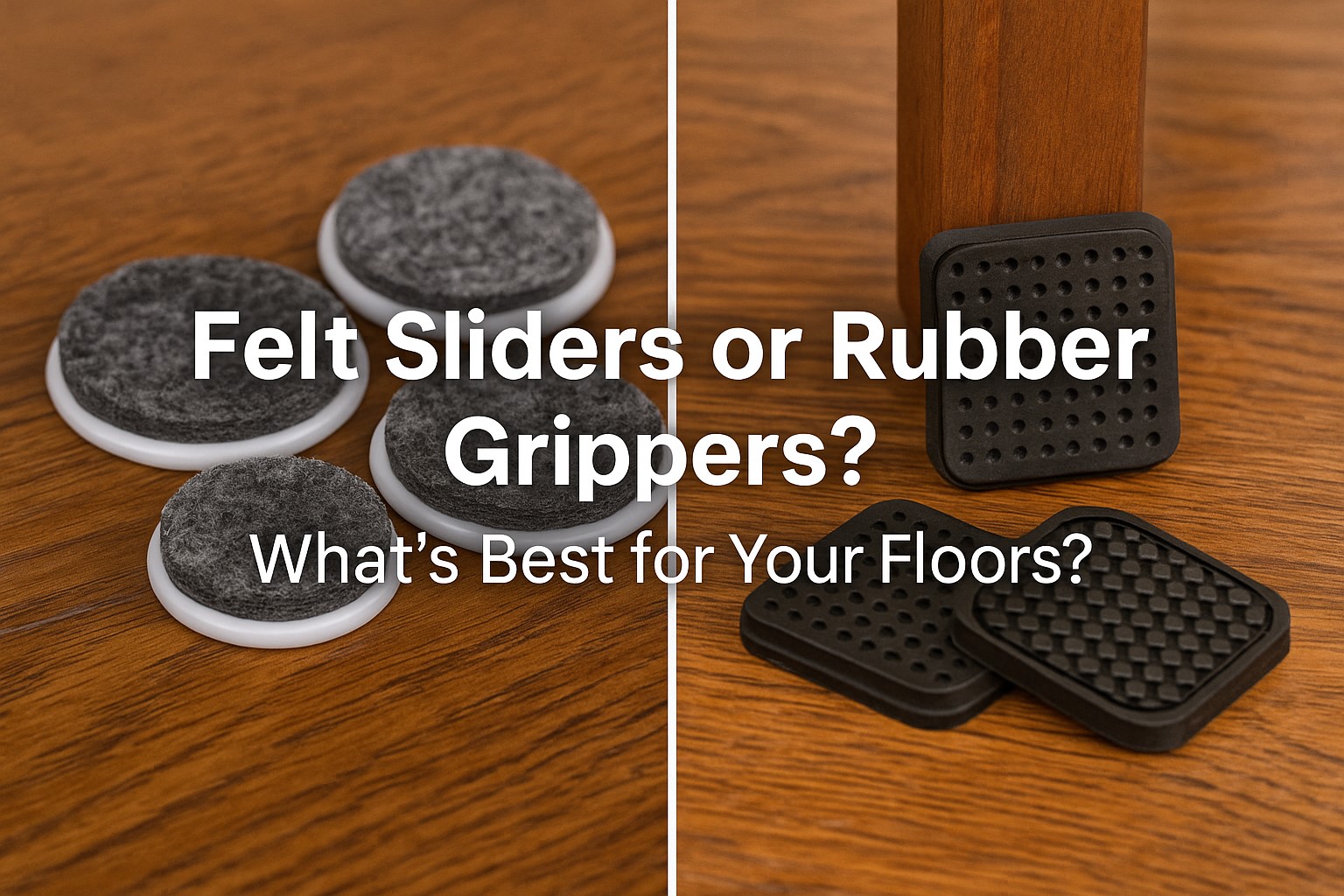
Most table damage comes from preventable habits. Adjusting small behaviors eliminates the majority of wear.
Stop Scratches by Lifting, Not Sliding
Scratches aren’t usually from knives. They’re from grit. Crumbs, sand, or dust trapped under a plate act like sandpaper when you slide it.
Always lift items instead of dragging them. This includes plates, laptops, centerpieces, and décor.
Attach felt pads to the bottom of vases, lamps, and electronics. Even soft materials can scratch over time with friction.
Block Heat with Trivets and Pads
Hot pans, coffee mugs, and laptops leave white rings or permanent burns.
Always use trivets or hot pads under hot items. Ceramic, silicone, or cork trivets work best.
For laptops or projectors, place a batting layer or desk mat underneath to absorb heat and prevent discoloration.
Wipe Spills Immediately
Water, wine, and acidic foods like tomato sauce can stain or cloud the finish if left sitting.
Blot spills with a dry microfiber cloth. Don’t wipe, which spreads the liquid. Follow with a slightly damp cloth if needed, then dry thoroughly.
Wax and oil finishes buy you a few minutes, but polyurethane is more forgiving. Still, quick cleanup is essential for all finishes.
Maintain Your Protection System Consistently
Even the best defense fails without upkeep. A consistent maintenance routine keeps your table looking new.
Clean with the Right Tools
Use a microfiber cloth and a mixture of warm water with one drop of clear dish soap. Dampen the cloth, wring well, and wipe with the grain.
Never use all-purpose cleaners, vinegar, or ammonia. They strip wax and damage finishes over time.
Dry immediately after cleaning. Finish with a dry microfiber pass to prevent water spots.
Reapply Wax Annually
Waxed tables need a refresh every 12 months or every six months for heavy use. Test by sprinkling water on the surface. If it no longer beads, it’s time to re-wax.
The process is quick. Clean the surface, apply a thin coat, wipe off excess, and buff. No sanding required.
Check Covers for Debris
Glass, vinyl, and pads should be lifted periodically to inspect the wood underneath. Remove trapped crumbs, moisture, or dust.
Clean both the cover and the table surface before replacing. This prevents hidden damage from going unnoticed.
Repair Scratches Promptly
Minor scratches in the finish can be fixed with color-matched touch-up pens or wax sticks. Rub into the scratch and wipe off excess.
For oiled tables, apply fresh oil to the area. It often blends in seamlessly.
Deep scratches or finish failure may require spot-sanding and re-finishing. If damage is widespread, consider professional refinishing.
Match Protection to Your Lifestyle
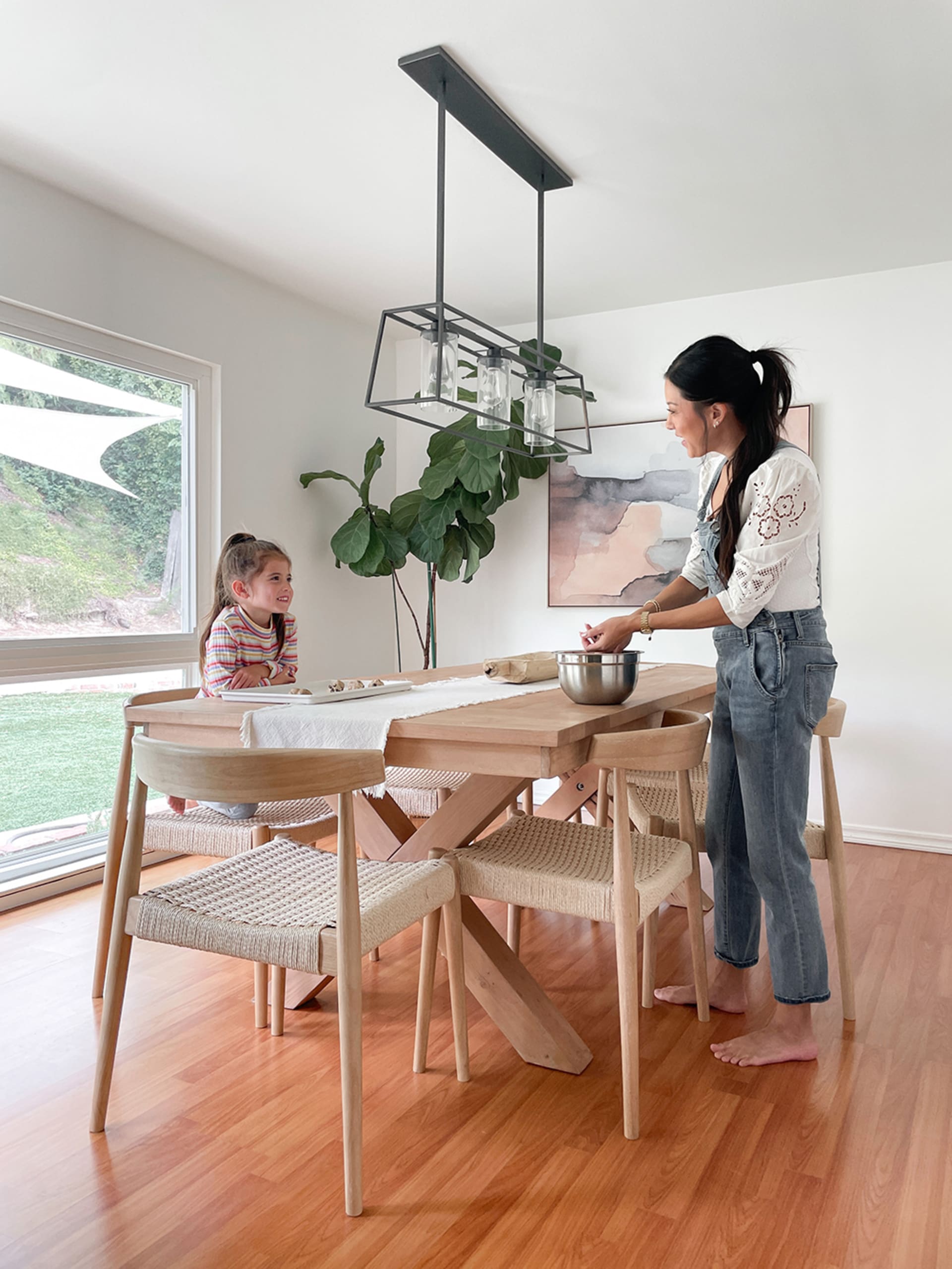
The best method depends on how you use your table.
For Homes with Kids
Avoid glass. Use a custom table pad or thick vinyl for wipeable, durable protection. Apply polyurethane if you want to keep the wood visible.
Enforce lift, don’t slide rules and use placemats at every meal. These habits reduce wear dramatically.
For Entertaining and Formal Use
Preserve the wood’s beauty with wax and protect during events with chargers, runners, and placemats.
Lift serving dishes instead of sliding them. Use trivets for warm platters. After the meal, clean and re-wax as needed.
For Multi-Use Tables
Use a removable table pad or apply polyurethane for all-day durability.
When working, place a desk mat over the pad to protect against pens, laptops, and papers. Clear the surface of abrasive items before dining.
For Outdoor or Humid Areas
Use outdoor-rated varnish or oil. Combine with runners and placemats to reduce direct exposure.
Avoid glass. Condensation from temperature swings can trap moisture and damage the finish.
Frequently Asked Questions About Protecting Wood Tables
What is the best way to protect a wood table from scratches?
The most effective scratch prevention combines felt pads on furniture legs with daily habits. Always lift items instead of sliding them across the surface. Use placemats under plates and felt pads under decorative objects. This approach addresses the primary cause of scratches, which is grit trapped under sliding objects.
How often should I re-wax my wood table?
Re-wax annually for average use. For high-traffic tables with daily meals, reapply every six months or whenever water stops beading on the surface. The process takes 10 to 15 minutes and requires no sanding.
Can I use glass on a dark wood table?
Glass is technically usable but often discouraged for dark wood. It creates a highly reflective, mirror-like surface that exaggerates fingerprints, dust, and streaks. Cleaning becomes labor-intensive, and spills frequently trap underneath, potentially causing water damage to the finish.
Do placemats really prevent scratches?
Yes, placemats prevent direct contact between plates and the wood surface, which stops scratches from forming. However, they don’t protect areas between placemats. For comprehensive coverage, combine placemats with a runner or full table pad.
What removes heat marks from a wood table?
Minor heat marks often sit in the finish rather than the wood itself. Try rubbing with a mixture of toothpaste and baking soda, or use a dedicated heat-mark remover product. If the finish is blistered, light sanding and spot refinishing may be necessary.
Is polyurethane better than wax for protecting a wood table?
Polyurethane offers superior durability and resistance to heat, water, and scratches. It lasts for years without reapplication. However, it darkens the wood significantly. Wax preserves the natural appearance but requires annual reapplication and offers less protection against heavy use.
Key Takeaways for Protecting Your Wood Table
Protecting a wood table isn’t about choosing one perfect solution. It’s about layering smart finishes, physical barriers, and daily habits to create comprehensive defense. Wax keeps the natural look but needs yearly maintenance. Polyurethane creates tough, long-lasting protection but alters the wood’s color. Physical barriers like custom pads or vinyl covers add real-world defense against spills, heat, and impacts.
Start with a clean surface and assess your lifestyle needs. For homes with kids, skip glass and use durable pads or vinyl. For formal dining, preserve beauty with wax and add placemats during events. Match your protection system to how you actually use the table, then maintain it consistently. Your wood table can remain both stunning and practical for decades.