How to Wash Table Linens: Quick Steps
Nothing elevates a meal like crisp, well-maintained table linens. But when stains strike or wrinkles pile up, the question arises: Can you really toss your favorite linen napkins or heirloom tablecloth in the wash? The answer is yes, if you know how to wash table linens properly. Done right, washing enhances softness and longevity. Done wrong, it leads to shrinkage, fading, or permanent damage. This guide walks you through every step, from identifying fabric types to treating red wine spills, drying without damage, and storing for decades.
Identify Your Fabric Type Before Washing

Before water touches fabric, know what you are washing. Different fibers demand different care protocols. Mistaking linen for cotton risks brittleness. Tossing burlap in the washer destroys it beyond repair. Use this quick-reference to protect your linens.
Linen vs Cotton: Key Differences
Linen comes from the flax plant and feels smoother, stronger, and cooler than cotton. It has a natural luster and softens beautifully over time. Cotton starts softer but lacks sheen and pills more easily. Linen wrinkles more but presses crisply. Cotton is easier to care for but fades faster. Both absorb water well, but linen is more durable, making it ideal for heirloom pieces that last 20 to 30 years.
Polyester and Blends: Lower Maintenance
Polyester tablecloths mimic linen is look but resist wrinkles and dry quickly. Linen-poly blends offer elegance with less ironing. However, they are sensitive to high heat, which sets permanent creases. Always check labels. Many linen-look cloths are actually synthetic.
Specialty Fabrics Needing Extra Care
Some linens are not meant for home washing. Burlap from jute must be spot-cleaned only. Machine washing destroys it. Spandex requires cool water and oxygen-based detergent to prevent fading. Velvet, organza, or taffeta need low-alkaline cleaners and careful ironing. If your linen has beading, metallic threads, or embroidery, professional cleaning is safest.
Pre-Treat Stains the Right Way
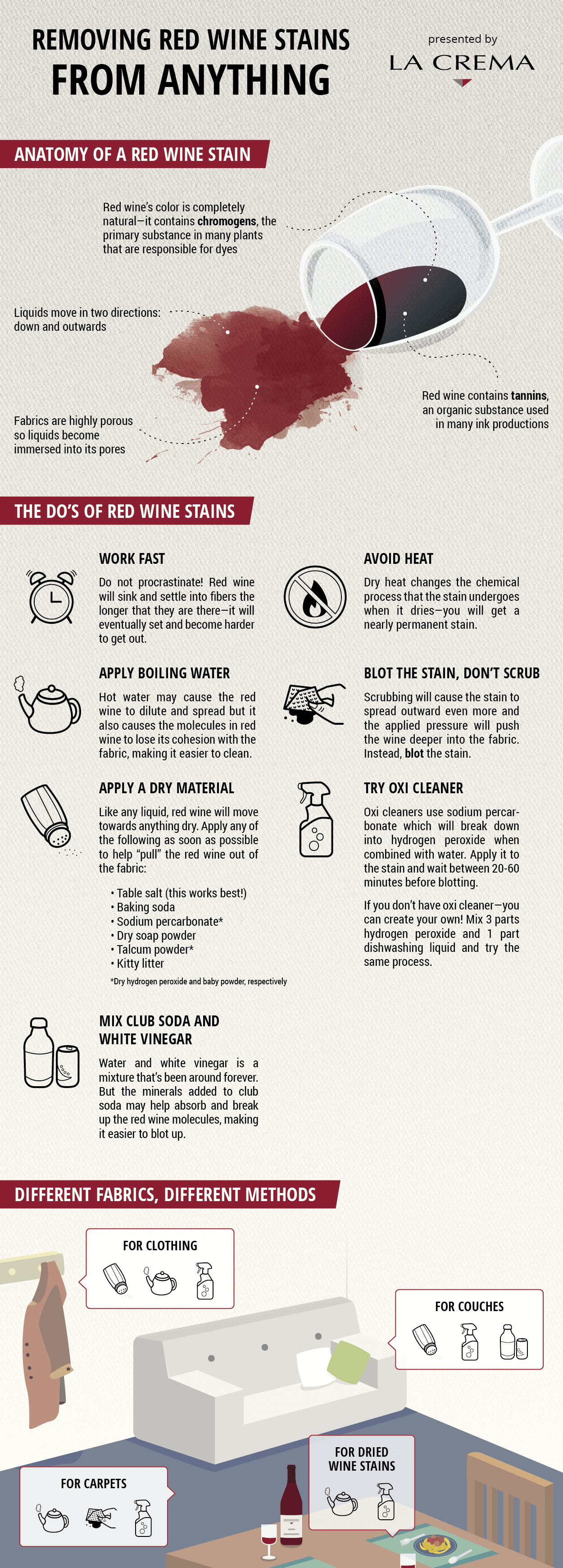
Washing sets stains permanently, especially with heat. Always treat spills before they hit the machine. The faster you act, the better your chances of full removal.
Blot, Never Rub: The Golden Rule
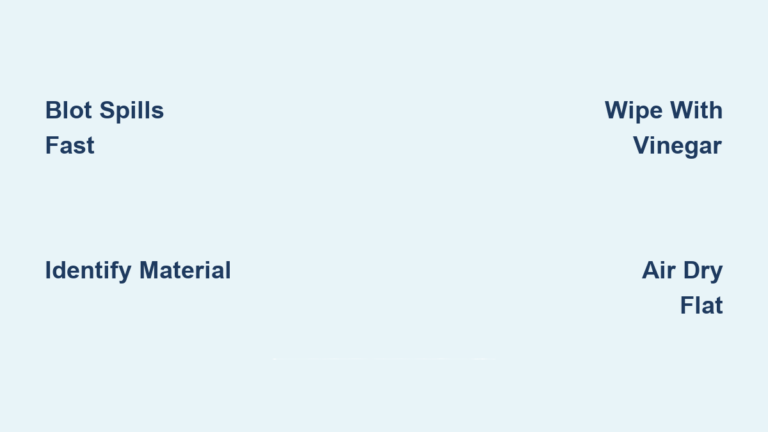
Rubbing pushes stains deeper and damages fibers. Instead, blot gently with a clean, absorbent cloth. Press down, lift, and repeat. For liquid spills like wine or coffee, this removes up to 80 percent of the mess before treatment even begins.
Red Wine: Act Fast With Salt or Vinegar
Blot immediately. Sprinkle coarse salt over the stain to draw out wine. Let sit for 5 minutes, then brush off. Rinse with cold water from the back of the fabric. For stubborn spots, soak in white vinegar and water in a one-to-one ratio for 20 minutes. Still visible? Apply hydrogen peroxide, test on a hidden area first, wait 10 minutes, then rinse. Never use hot water. It sets the color permanently.
Grease and Oil: Break It Down
Scrape off excess butter or gravy with a spoon. Dab liquid dish soap directly on the spot. Gently massage in and let sit 10 to 15 minutes. The degreaser lifts oil from fibers. For dried stains, try WD-40. Spray, wait 30 minutes, then wash. Alternatively, sprinkle baking soda on the spot, add soap, rub lightly, wait 15 minutes, then launder.
Candle Wax: Melt It Away
Let wax harden completely. Scrape off chunks with a butter knife. Place parchment paper or a brown bag over the stain. Iron on low heat. The wax melts and absorbs into the paper. Replace paper until no more wax transfers. Treat any oily residue with stain remover before washing.
Yellowing on White Linens
For aged whites, pre-treat with laundry detergent, wait 10 minutes, then soak in color-safe bleach. For pure linen, avoid chlorine bleach. It weakens fibers and creates holes over time. Instead, use oxygen-based powder in warm water for 1 to 2 hours. Sun-dry whites when possible. UV light naturally whitens fabric.
Wash Linen Without Causing Damage
:max_bytes(150000):strip_icc()/how-to-select-the-correct-cycle-2145866_FINAL-10d1b95640284e0a8d01d4523455c7ee-25c018a4c0304212a13315b7ab181e33.png)
One-size-fits-all washing ruins linens. Follow fabric-specific protocols to protect fibers, colors, and structure.
Wash Linen Separately and Gently
Linen absorbs water heavily. Mixing it with synthetics unbalances the load and causes pilling. Wash linen alone or with similar fabrics. Use a gentle cycle with lukewarm or cold water and low spin to reduce stress. For white linen, hot water above 140 degrees Fahrenheit can be used occasionally to brighten. Avoid it for colored or vintage pieces.
Use Mild Detergent and Skip the Bleach
Harsh detergents, bleach, and optical brighteners degrade flax fibers and cause yellowing. Use a mild, pH-neutral detergent. Enzyme-based detergents work well on food stains. Never use chlorine bleach on linen. It creates weak spots and holes over time. For whitening, choose oxygen bleach instead.
Load the Machine Properly
Overloading prevents proper agitation and rinsing. Fill the washer no more than 85 percent full. Linens need room to move. Avoid washing with zippers, hooks, or buttons that snag delicate weaves. Front-load or agitator-free machines are best for reducing wear.
Cotton and Blends: Hot Wash With Caution
Everyday cotton tablecloths can handle hot water and regular detergent. However, frequent hot washing causes fading and fiber breakdown. For colored cotton, stick to cold or warm water. Poly-cotton blends resist wrinkles and tolerate bleach only on whites. Repeated bleach use weakens cotton fibers.
Synthetics: Cold Water Only
Polyester and linen-poly blends must be washed in cold water between 60 and 80 degrees Fahrenheit. Heat can set stains and create permanent wrinkles. Use a gentle or permanent-press cycle to minimize creasing. Standard detergent is fine, but avoid high-alkaline formulas that dull colors.
Delicates: Hand Wash or Spot Clean
Spandex, velvet, and embroidered linens should be hand-washed in cool water with mild soap. Swirl gently. Do not stretch or wring. Burlap cannot be machine-washed. Clean with a damp cloth and mild soap, then air dry. For vintage pieces, professional cleaning is recommended.
Dry Table Linens Without Shrinkage

Heat is the enemy of most table linens. Drying improperly leads to shrinkage, stiffness, and deep wrinkles.
Air Dry: Best for All Linens
Hang linens on a clothesline or drying rack. Shake them out first to reduce wrinkles. Lay flat if possible, especially for heavy tablecloths, to prevent stretching. Avoid direct sunlight for colored linens. It fades colors. But use it to brighten whites.
Machine Dry: Low Heat Only
If you must use a dryer, select low heat or delicate setting. Never exceed 180 degrees Fahrenheit. High heat makes linen brittle. Remove linens immediately when the cycle ends. Letting them sit sets wrinkles. For polyester, use permanent press with a cool-down phase to reduce creasing.
What Not to Dry
Linen high heat ruins texture. Air dry is best. Spandex tumble dry on cool only and remove promptly. Burlap never machine dry. Air dry flat instead.
Iron or Steam for a Crisp Finish
Linen natural creases are part of its charm. But for formal settings, a crisp finish matters.
Iron While Damp for Best Results
Iron linens when slightly damp. It is easier and prevents scorching. If dry, mist with water or use a steam iron. Use a medium-hot setting for linen and low-to-medium for blends. Always test on a hidden area first.
Protect Embellishments and Weaves
Iron monogrammed or embroidered areas face-down on a towel to avoid flattening stitches. When flipping, iron around the design, not directly on it. Use a pressing cloth for delicate fabrics. For velvet, iron only on the reverse side.
Use Starch for Crisp Napkins
For formal folding, apply light starch spray before ironing. It adds body and helps creases hold. Avoid heavy starch. It attracts dust and stiffens fabric too much.
No-Iron Alternatives
Many linen-poly blends go straight from dryer to table. Use a garment steamer for quick wrinkle removal without direct contact. Or try wrinkle-release spray. A light mist followed by smoothing with hands works for minor creases.
Store Linens for Long-Term Use
Improper storage causes yellowing, mildew, and permanent creases. Do it right, and linens stay fresh for decades.
Clean and Dry Before Storing
Never store damp linens. Moisture breeds mildew and odors. Ensure they are completely dry before folding or rolling. Even slight humidity in storage causes damage over time.
Use Breathable Storage, Not Plastic
Plastic bins trap moisture and cause yellowing. Instead, use linen or cotton storage bags, or wrap in acid-free tissue paper. This allows airflow and protects against light and dust.
Fold or Roll: Choose Wisely
Folding works best for cotton and everyday use. Stack heavier items at the bottom. Rolling is ideal for linen and long-term storage. It prevents deep creases. Roll around a cardboard tube or by hand. Hanging prevents wrinkles entirely. Use a padded hanger in a dark closet to avoid fading.
Rotate and Refresh
Change fold lines every few months to prevent permanent creases. Air out linens seasonally to remove mustiness. Consider professional cleaning before and after long storage to remove invisible stains.
How Often Should You Wash Different Linens
Over-washing wears out fibers. Under-washing leads to set-in stains. Follow these guidelines.
Napkins: After Every Use
Wash napkins after each meal. Even light use transfers oils and bacteria. For casual settings, you can reuse if no stains appear, but wash within a few uses.
Tablecloths: Monthly or After Events
Everyday cloths need washing once a month. Special-occasion linens need washing every few months unless stained. Always wash immediately after parties or messy meals.
Runners: Spot Clean Between Washes
Runners cover less surface. Wash only when soiled. For crumbs or spills, shake out and spot clean with a damp cloth.
When to Call a Professional
Home care works for most linens, but some situations require expert hands.
Tough Stains That Will Not Budge
Old red wine, ink, or set-in grease may need industrial solvents. Dry cleaners have tools to lift stains without damaging fabric.
Vintage or Heirloom Pieces
Antique linens are fragile. Professional cleaners handle them with care, preserving embroidery and lace.
Embellished Linens With Beads or Metallic Threads
Home washing can dull or detach decorations. Dry cleaning protects embellishments.
Seasonal Deep Cleaning
Before storing for months, consider a professional refresh to remove odors and hidden stains.
Common Mistakes That Ruin Linens
Even small errors can ruin linens. Steer clear of these pitfalls.
Overloading the washer prevents proper cleaning and increases wrinkles. Using bleach on colors or linen causes fading and weakens fibers. High heat drying shrinks linen and sets wrinkles in synthetics. Rubbing stains spreads the mess and damages fabric. Ignoring care labels always backfires. Manufacturer instructions override general rules.
Frequently Asked Questions About Washing Table Linens
Can I wash linen tablecloths in the washing machine?
Yes, you can wash linen tablecloths in the washing machine. Use a gentle cycle with cold or lukewarm water and mild detergent. Wash linen separately from synthetic fabrics to prevent pilling. Avoid chlorine bleach. Air drying is recommended to prevent shrinkage and maintain texture.
What temperature should I use to wash table linens?
Water temperature depends on the fabric type. Use cold or lukewarm water for linen and polyester. Hot water above 140 degrees Fahrenheit is acceptable for white cotton only and only occasionally. Never use hot water on colored linen or polyester. It causes fading and sets permanent wrinkles.
How do I remove red wine stains from tablecloths?
Blot the stain immediately. Sprinkle coarse salt over the area and let sit for 5 minutes. Rinse with cold water from the back of the fabric. For stubborn stains, soak in white vinegar and water for 20 minutes. Test hydrogen peroxide on a hidden area first. Never use hot water. It sets the stain permanently.
Can I put table linens in the dryer?
Yes, but use low heat or delicate setting. Never exceed 180 degrees Fahrenheit for linen. Remove linens immediately when the cycle ends to prevent wrinkles. Air drying is gentler and recommended for all linen types. Polyester benefits from the permanent-press setting with a cool-down phase.
How often should I wash table napkins?
Wash table napkins after every meal. Even light use transfers oils, food particles, and bacteria to the fabric. For casual settings with no visible stains, you can reuse napkins a few times, but wash them regularly to maintain hygiene and freshness.
Should I use bleach on white table linens?
Use chlorine bleach only on white cotton or polyester. Avoid bleach on colored linens, pure linen, or delicate fabrics. Chlorine bleach weakens linen fibers and causes holes over time. For whitening, use oxygen-based bleach instead. It is gentler and safe for most fabric types.
Key Takeaways for Washing Table Linens
Washing table linens does not have to be daunting. With the right approach, your linens stay beautiful for years. Identify the fabric type first. Linen, cotton, polyester, and blends each require specific water temperatures, detergents, and drying methods. Treat stains immediately using the blot technique. Never rub. Use cold water for most synthetics and avoid high heat when drying. Store linens clean, dry, and in breathable containers. Avoid plastic bags that trap moisture. Professional cleaning is worth it for vintage pieces, heavily embellished linens, and set-in stains that home methods cannot remove. Linen softens with age, cotton stays fresh with care, and synthetics offer convenience without sacrifice. Whether you are hosting a holiday dinner or refreshing everyday napkins, these steps ensure every piece looks its best, wash after wash.