How to Choose Wedding Table Centerpieces
Choosing the right wedding table centerpieces is one of the most impactful decisions you will make for your reception. More than just decoration, centerpieces shape the mood, guide the eye, and appear in nearly every photo from your big day. But with endless Pinterest inspiration, it is easy to pick something beautiful that does not work in practice, blocking views, breaking the budget, or violating venue rules.
The key is balancing aesthetic vision with real-world function. A stunning centerpiece should never come at the cost of guest comfort or logistical chaos. This guide walks you through every critical factor, from table shape and sightline safety to budget-smart alternatives and seasonal flower choices, so you can create centerpieces that are as practical as they are picturesque.
Match Centerpieces to Venue Rules
Your venue is not just a backdrop. It is a set of constraints that dictate what will actually work on the day. Ignoring its rules can lead to last-minute swaps or unsafe setups.
Confirm Flame and Setup Policies
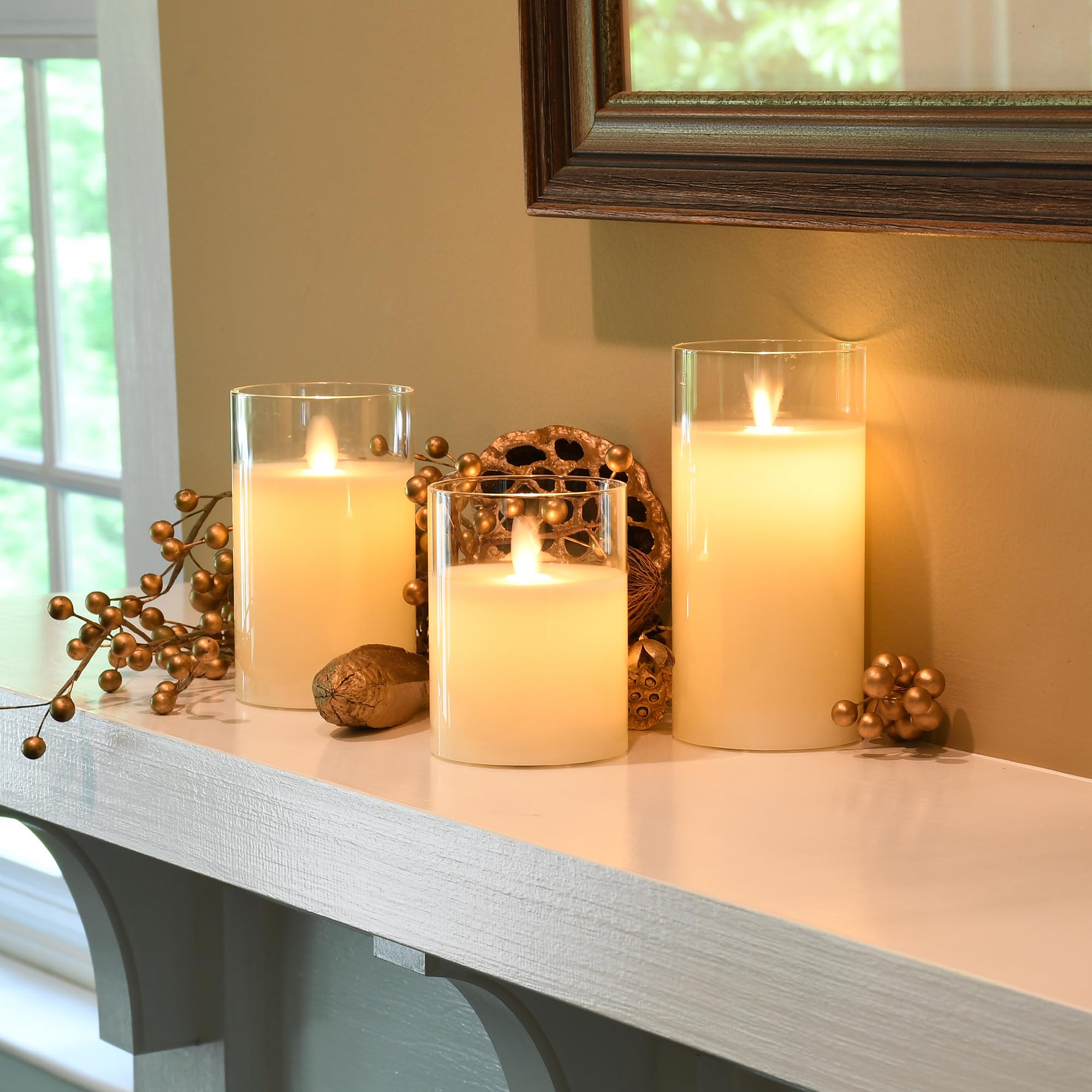
Many venues ban open flames due to fire codes. Always ask whether candles are allowed and if they must be enclosed in hurricanes. Some venues require LED candles instead. Others mandate licensed florists or vendors for setup due to insurance policies. If open flames are prohibited, flameless LED candles are a smart alternative. They last all night, do not drip wax, and mimic flickering flames realistically.
Check Wind and Weather Exposure
Outdoor weddings demand wind-resistant designs. Lightweight vases, tall unweighted structures, or loose petals can blow away. Use heavy bases, weighted votives, or glass enclosures. Anchor arrangements with sandbags or secure stands if needed. Avoid overly tall, narrow vases that tip easily.
Avoid Heat and Sun Damage
Direct sunlight and heat can wilt flowers quickly and melt wax candles. Choose durable blooms like roses or orchids over delicate hydrangeas. Opt for faux or dried flowers in hot climates. Use glass-enclosed candles to protect from melting.
Design for Table Shape and Size
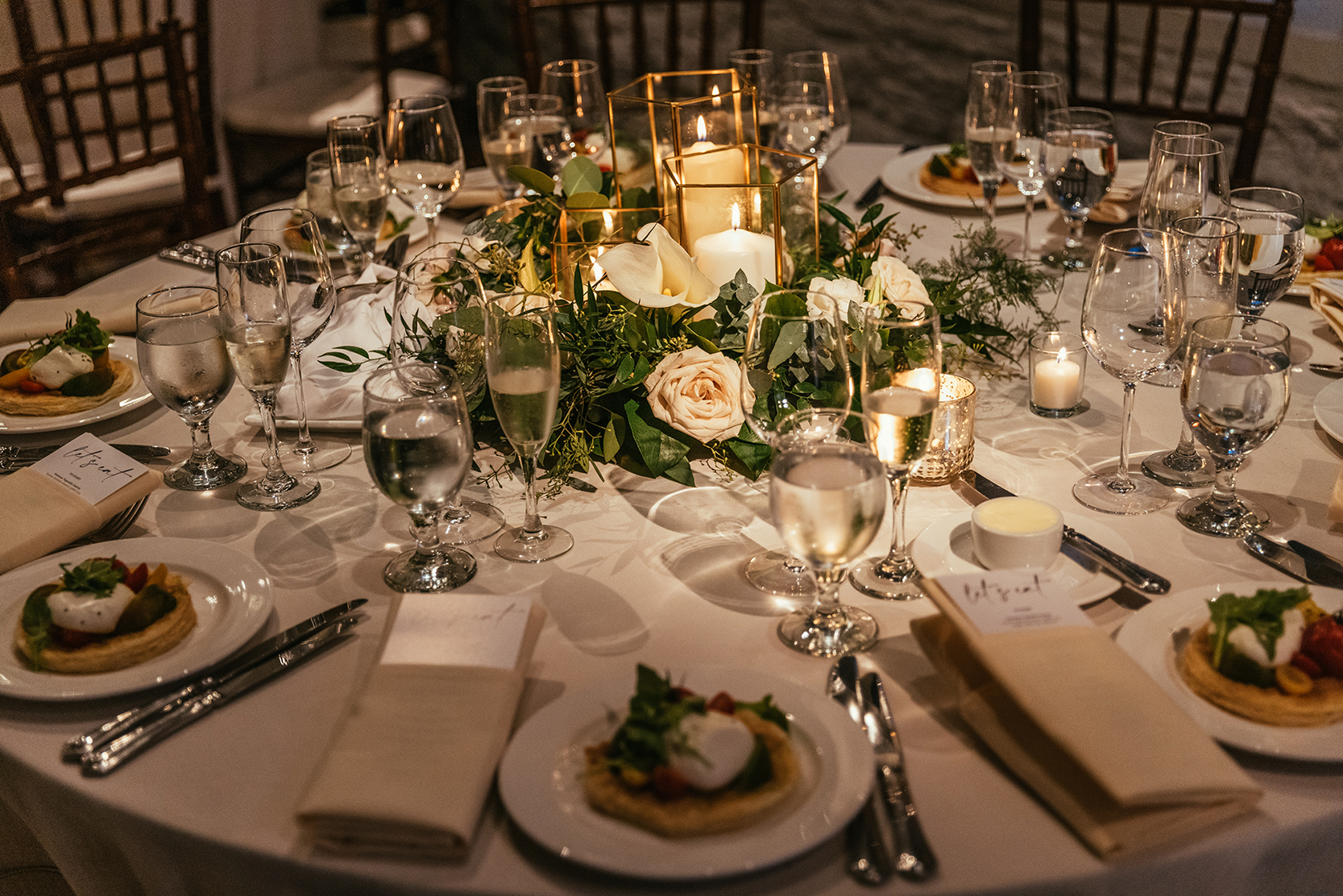
The shape of your tables determines how many centerpieces to use, their size, and how they are arranged.
Round Tables: Keep It Balanced
Standard 60-inch round tables seat 8 to 10 guests and need symmetrical, compact centerpieces. Maximum width should be 14 to 16 inches to avoid crowding place settings. Best options include one statement bowl, a cluster of three bud vases, or a low floral dome in a hurricane. Use heavy bases because these tables get bumped often.
Avoid placing a single tall centerpiece dead center unless it is over 24 inches tall so guests can see under or over it.
Long Tables: Create Rhythm, Not Clutter
Farm tables, banquet, or rectangular tables require repetition and flow, not one central piece. Space centerpieces every 24 to 36 inches. Alternate tall and low elements such as a taper candle paired with a low compote. Use runners of greenery with scattered votives for budget-friendly impact. Never block the center. Leave room for shared dishes and glassware.
Specialty Tables: Mix Heights for Drama
Large or irregular tables like hexagons or ovals benefit from layered heights. Combine tall candelabras over 30 inches with low floral clusters. Add tea lights at table level for warmth. Use mirrored trays to reflect light and enhance visual depth.
Prioritize Sightline Safety
Nothing ruins guest interaction like a centerpiece that blocks the view. Follow the sightline rule to keep conversations flowing.
Stick to Safe Heights
Under 12 inches is ideal for round tables because guests can see each other easily. Over 24 inches is tall enough to clear sightlines completely, which works best for high ceilings and dramatic effect. The 12 to 24 inch range is the danger zone that blocks eye contact and should be avoided on round tables.
For long tables, mid-height arrangements around 18 to 20 inches can work if placed at intervals and not directly in front of guests.
Test Viewing Angles
Walk around a mock setup at eye level. Ask whether seated guests can see the head table, dance floor, or band. Check if there is a clear line of sight across the table. Verify that tall pieces do not obstruct waitstaff carrying trays. If the answer is no, adjust the height or spacing.
Align With Your Wedding Theme

Your centerpieces should reflect your overall aesthetic, whether modern, rustic, or opulent.
Modern and Minimalist: Less Is More
Choose vessels made of sleek glass, ceramic, or acrylic cylinders. Use one bold bloom like a calla lily or orchid, or sculptural greenery. The style features clean lines, negative space, and monochrome palettes. A practical idea is a single stem in a bud vase grouped in threes at varying heights.
Romantic and Garden-Inspired: Soft and Lush
Select vessels like mercury glass, footed bowls, or vintage china. Flowers should include peonies, roses, ranunculus, and trailing eucalyptus. The style is overflowing, slightly wild, with soft colors like blush, ivory, and mauve. A great idea is a low garden-style arrangement with tea lights in mercury votives.
Rustic and Boho: Earthy and Organic
Use vessels such as mason jars, wooden boxes, terracotta pots, or woven baskets. Choose wildflowers, dried lavender, pampas grass, or succulents. The style features natural textures, asymmetry, and a mix of fresh and dried elements. Try dried botanicals in amber glass with chunky pillar candles.
Luxury and Dramatic: Bold and Opulent
Select vessels like crystal chandeliers, gold-rimmed dishes, or mirrored stands. Use hydrangeas, orchids, metallic foliage, or black calla lilies. The style features high contrast, verticality, and shimmer. A striking idea is a 31.5-inch crystal hurricane with cascading white blooms.
Coastal and Nautical: Light and Airy
Choose chinoiserie porcelain, sea glass, or driftwood vessels. Use white hydrangeas, delphiniums, or pale blues. The style is crisp and breezy with a blue-and-white palette. Try a cluster of blue-and-white vases with coral pink accents.
Choose Flowers Wisely: Season, Durability, Scent

Flowers are not just about beauty. They affect cost, longevity, and guest comfort.
Pick In-Season Blooms
Spring brings tulips, ranunculus, and cherry blossoms. Summer offers sunflowers, zinnias, dahlias, and citrus fruits. Fall features dahlias, chrysanthemums, dried grasses, and berries. Winter includes evergreens, amaryllis, anemones, and silver branches. In-season flowers are fresher, cheaper, and more sustainable.
Avoid Fragrant Flowers
Strong scents like lilies or hyacinths can clash with food or trigger allergies. Stick to lightly scented or unscented varieties to keep guests comfortable.
Consider Silk or Dried Alternatives
Silk flowers are ideal for outdoor, hot, or windy venues. Modern real-touch versions look authentic. Dried florals work well for rustic or fall themes and are reusable and eco-friendly. A smart tip is to mix fresh greenery with dried or silk blooms for volume and realism.
Use Candles and Lighting Strategically

Candles add warmth and romance, but safety and function come first.
Mix Candle Types and Heights
Combine tapers, pillars, and votives for visual interest. Use mismatched holders made of wood, metal, or glass for eclectic charm. Place tea lights in enclosed hurricanes for wind protection.
Opt for LED When Needed
LED candles are mandatory in flame-prohibited venues. They are ideal for daytime weddings or long events. Rechargeable table lamps offer a modern twist and double as decor.
Avoid Backlighting Issues
Do not place candles directly behind the speaker or band because this can silhouette faces in photos. Position candles to reflect light upward or sideways instead.
Cut Costs Without Sacrificing Style
Centerpieces multiply fast. Fifteen tables mean fifteen centerpieces. Smart budgeting keeps costs under control.
Focus on Impact Zones
Splurge on the head table, sweetheart table, or entrance tables. Use simpler designs like a single bud vase with a candle on guest tables.
Repurpose Ceremony Decor
Move aisle markers, altar arrangements, or lounge florals to the reception. Use ceremony pillars as sweetheart table centerpieces. Have a designated team member handle the switch during cocktail hour.
Go Green, Literally
Greenery runners using eucalyptus or olive branches cost less than flowers and look lush. Dot with votives or bud vases for accent.
Buy or Rent Smart Vessels
Simple glass cylinders are cheaper than ornate vases. Rent crystal, gold, or chandeliers instead of buying. DIY with thrifted items like books, trays, or lanterns.
Follow the 3-5-8 Rule for Visual Appeal
Group items in odd numbers, three, five, or eight, for a more natural, dynamic look. Three bud vases clustered together create impact. Five tea lights in a staggered line add warmth. Eight stems in a low arrangement provide fullness. Even numbers can feel stiff or symmetrical. Odd groupings create balance and movement.
Ensure Stability and Safety
A tipped centerpiece ruins the moment and the table.
Weight Tall Arrangements
Use heavy vases or weighted bases for tall centerpieces. Fill vases with stones, marbles, or water for stability. Test by gently nudging. The arrangement should not wobble.
Hydrate Flowers Properly
Use floral foam, water tubes, or reservoirs to keep blooms fresh. Deliver flowers three to four hours before guests arrive so they hydrate and open. Keep arrangements away from heat until setup.
Secure Outdoor Pieces
Anchor bases with sandbags or stakes if windy. Use enclosed candles to prevent flameouts.
Final Checklist Before You Decide
Run through this list to ensure your centerpieces are beautiful, functional, and stress-free.
Check whether venue rules are confirmed regarding flames, setup, and wind exposure. Confirm table shapes and sizes have been measured. Verify heights are under 12 inches or over 24 inches to avoid the danger zone. Confirm flowers are in-season and durable. Ensure the selection is scent-free or lightly scented. Align the budget with repurposing, greenery, and rental options. Confirm candles are flameless or enclosed. Verify stability and anchoring, especially for outdoor events. Confirm there is enough space for place settings and food. Test how the design photographs in venue lighting with no glare or shadows.
Frequently Asked Questions About Choosing Wedding Table Centerpieces
What is the best height for wedding table centerpieces?
The safest heights are under 12 inches or over 24 inches. Arrangements under 12 inches allow guests to see each other clearly. Pieces over 24 inches clear sightlines completely and work well with high ceilings. Avoid heights between 12 and 24 inches on round tables because they block eye contact.
How do I choose centerpieces that fit my wedding theme?
Match your centerpiece style to your overall wedding aesthetic. Modern themes work with sleek vessels and single bold blooms. Rustic weddings suit mason jars, wildflowers, and dried botanicals. Luxury events call for crystal, gold, and cascading florals. Choose vessels, flowers, and textures that reflect your chosen theme.
What flowers last longest at wedding receptions?
Roses, ranunculus, lisianthus, chrysanthemums, and orchids hold their shape well under event timelines. Avoid delicate hydrangeas and garden roses in hot or outdoor settings. Consider silk flowers or dried botanicals for venues with heat or wind challenges.
How can I save money on wedding centerpieces?
Focus spending on key tables like the head table and use simpler designs for guest tables. Use greenery runners with scattered votives for high impact at low cost. Repurpose ceremony flowers at the reception. Choose in-season flowers and simple vessels. Rent high-end containers instead of buying them.
Can I use candles as centerpieces?
Yes, candles work beautifully as centerpieces. Many venues prohibit open flames, so check policies first. Use enclosed hurricanes or LED flameless candles where required. Mix candle heights and types for visual interest. Position candles where they will not backlight speakers or create glare in photos.
Key Takeaways for Choosing Wedding Table Centerpieces
The best wedding centerpieces do not just look good. They work. They let guests connect, survive the event is demands, and reflect your style without breaking the bank. Prioritize sightline safety by choosing heights under 12 inches or over 24 inches. Match your design to venue rules about flames, setup requirements, and outdoor conditions. Choose in-season, durable flowers or consider silk and dried alternatives for challenging environments. Design according to your table shapes, using single statement pieces for round tables and repeated elements for long tables. By designing with purpose, you will create a reception that feels intentional, welcoming, and unforgettable.