How to Clean a Plastic Table Cover
Plastic table covers are a staple in homes, restaurants, and event spaces because they are durable, waterproof, and easy to wipe down. But over time, grease, food stains, ink marks, and mold can dull their shine or leave stubborn blemishes. Knowing how to clean a plastic table cover properly is essential to maintain its appearance, hygiene, and lifespan.
Using harsh cleaners like bleach or ammonia might seem effective, but they can actually damage the material, causing cloudiness, cracking, or stickiness. This guide walks you through every step, from daily wiping and deep cleaning to removing tough stains and storing your cover correctly.
Quick Daily Cleaning Routine
Keeping your plastic table cover clean starts with consistent maintenance. A quick wipe after each use prevents spills from setting and reduces the need for intensive cleaning later.
Immediate Spill Response
When a drink, sauce, or food spills, act fast. Blot the mess with a dry microfiber cloth. Rubbing spreads liquids into textured areas and can push stains deeper. For sticky substances like syrup or juice, use a damp cloth with a few drops of mild dish soap to lift the residue gently.
Quick Cleaning with Soapy Water
Mix a few drops of bleach-free dish soap with lukewarm water. Dip a soft sponge or cloth into the solution and wipe the entire surface. Pay extra attention to high-contact zones like edges and center patterns where grime builds up. Rinse with a clean, damp cloth to remove soap film, which attracts dust. Finish by drying with a lint-free towel to prevent water spots.
Prevent Soap Residue Buildup
Leaving soap behind dulls the surface over time. Always follow cleaning with a final rinse using plain water, especially on clear vinyl. This keeps the cover glossy and streak-free. For frequently used tables, repeat this wipe-down after every meal.
Hand Wash Method for Plastic Table Covers

Hand washing is the safest and most effective method for cleaning plastic table covers, especially delicate, decorative, or flannel-backed types.
Prepare a Gentle Cleaning Solution
Fill a bathtub or large basin with lukewarm water. Never use hot water, as heat can warp or crack vinyl. Add one to two tablespoons of mild dish soap or laundry detergent. Avoid fabric softeners, which can leave a filmy residue.
Scrub Gently with a Soft Sponge
Submerge the table cover and wipe both sides using a soft sponge or microfiber cloth. Use light, repetitive strokes. Focus on stained or greasy areas, but never scrub aggressively. For textured surfaces, a soft-bristled brush can help lift grime without scratching.
Use Vinegar for Shine and Disinfection
After soapy cleaning, wipe the cover with a one-to-one mixture of white vinegar and water. Vinegar cuts through grease, removes mineral deposits, and disinfects naturally. For clear vinyl, use a one-to-two vinegar-to-water ratio to prevent cloudiness. Apply with a spray bottle or damp cloth. Do not soak the material.
Rinse and Air Dry Completely
Rinse thoroughly under cool running water or with a garden hose if cleaning outdoors. Ensure no soap or vinegar remains. Hang the cover on a clothesline to dry. Sunlight helps kill mold spores, but do not leave it out for days. Prolonged UV exposure causes fading. Dry completely before folding or storing to prevent mildew.
Buff to Restore Shine
Once dry, gently buff the surface with a clean microfiber towel. This restores the glossy finish and removes any water marks. Avoid paper towels on clear vinyl. They can scratch or leave lint.
Machine Washing Guidelines
Some heavy-duty vinyl table covers can be machine washed, but only if they are free of flannel backing and in good condition.
Check Material Compatibility
Only wash vinyl or PVC covers without fabric backing. Flannel-backed covers absorb water and may develop mold in the washer. If unsure, hand wash instead.
Use Gentle Cycle and Mild Detergent
Fold the cover loosely and place it alone in the drum. No other laundry. Use a small amount of bleach-free detergent. Select a gentle or delicate cycle with cold or warm water. Never use hot water. Set the spin speed to low.
Avoid Tumble Drying
Never use a high-heat dryer. Heat causes cracking and warping. Remove the cover immediately after the cycle and hang it to air dry. If slightly wrinkled, toss it in the dryer with heavy towels on low heat for two to three minutes only. Monitor closely.
Removing Stubborn Stains from Plastic Table Covers
:max_bytes(150000):strip_icc()/Baking-soda-and-stain-pre-treating-1901052_color-cdebdc6d60c648ada0099397a0253055.jpg)
Different stains require targeted treatments. Always test cleaners on a hidden corner first.
Grease and Oil Marks
Grease sinks into the surface, leaving a cloudy film. For fresh spills, blot first, then treat.
Baking Soda Paste Method
Mix three parts baking soda to one part water to form a paste. Apply to the greasy area, let sit ten to fifteen minutes, then wipe with a damp cloth. Repeat if needed. Baking soda is non-abrasive and safe for all vinyl types.
Rubbing Alcohol for Set-In Grease
Dip a soft cloth in isopropyl alcohol and dab the stain. Work from the outside in to prevent spreading. Rinse with water and dry. Alcohol breaks down oil without damaging the plastic.
Ink and Pen Marks
Ink stains are time-sensitive. The sooner you act, the better.
Rubbing Alcohol or Nail Polish Remover
Soak a cotton ball in rubbing alcohol and gently dab the mark. For fresh pen marks, nail polish remover can work, but test first. Acetone can melt or cloud vinyl. Some sources note that six light rubs are often enough to remove ink. If it does not lift quickly, the ink may be permanent.
Mold and Mildew
Mold is common on covers stored damp or left outside.
Vinegar Treatment
Wipe the entire cover with undiluted white vinegar or a one-to-one solution. Let it sit for ten minutes, then rinse. Dry in direct sunlight for two to three hours. UV light kills mold spores. Never store a cover that smells musty.
Discoloration and Cloudiness
Yellowing or haze often results from heat, improper cleaners, or residue buildup.
Vinegar Rinse for Clarity
Wipe with a one-to-one vinegar-water mix. Rinse well and dry. Avoid wax, ammonia, or bleach, which cause cloudiness. If the cover remains hazy, it may be degraded. Replacement is likely needed.
Unknown Stains
When the stain type is unclear, start with the safest option.
Baking Soda Paste
Apply the paste, let sit fifteen to thirty minutes, then gently scrub with a soft sponge. Rinse thoroughly. This method is effective for food, drink, or mystery marks without risking damage.
How to Clean Clear Vinyl Table Covers Without Streaks
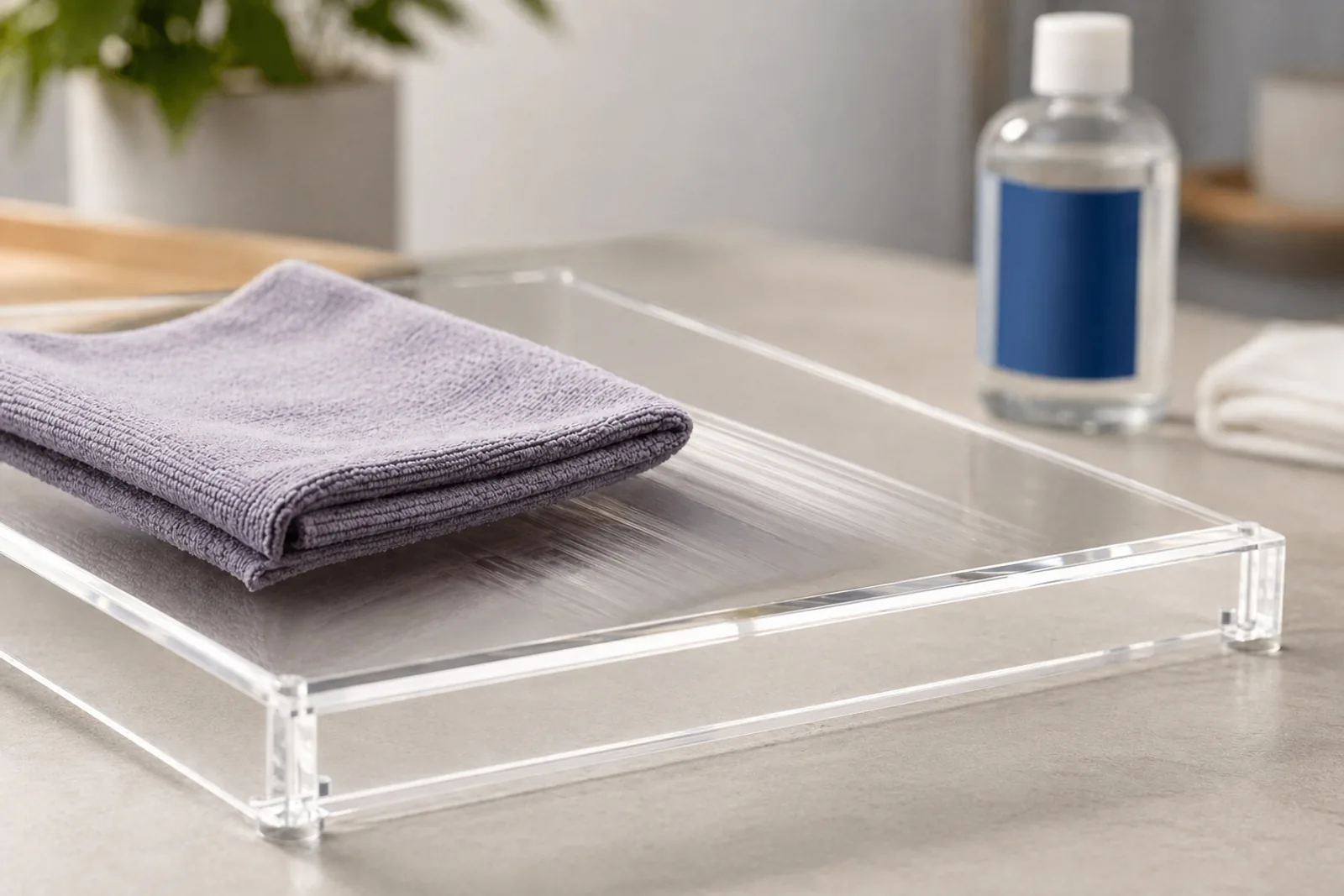
Clear plastic table covers demand extra care to stay transparent and streak-free.
Clean Without Streaks
Mix one part vinegar to two parts water. Spray lightly or dampen a microfiber cloth. Do not oversaturate. Wipe in one direction. Rinse with cool water, then buff dry with a lint-free cloth.
Avoid Common Mistakes
Avoid using paper towels. They scratch and leave lint. Never use ammonia-based cleaners. They cloud the surface. Skip wax, which creates a hazy film. Do not place the cover in direct sunlight for long periods. This causes fading and brittleness.
Proper Storage Tips for Plastic Table Covers

How you store your table cover determines how long it lasts.
Roll Instead of Fold
Folding causes permanent creases that can crack over time. Roll the cover around a cardboard tube to prevent folds. This is the best method for long-term storage.
Ensure It Is Fully Dry
Even slight dampness encourages mold. Always confirm the cover is one hundred percent dry before rolling or folding.
Use Breathable Storage
Place the rolled cover in a cloth bag or ventilated bin. Avoid sealed plastic bags that trap moisture. If stacking, place tissue paper or fabric between layers to prevent sticking.
Keep in a Cool, Dark Place
Store away from sunlight, heaters, or damp basements. Heat and UV rays degrade vinyl over time.
Common Mistakes That Damage Plastic Table Covers
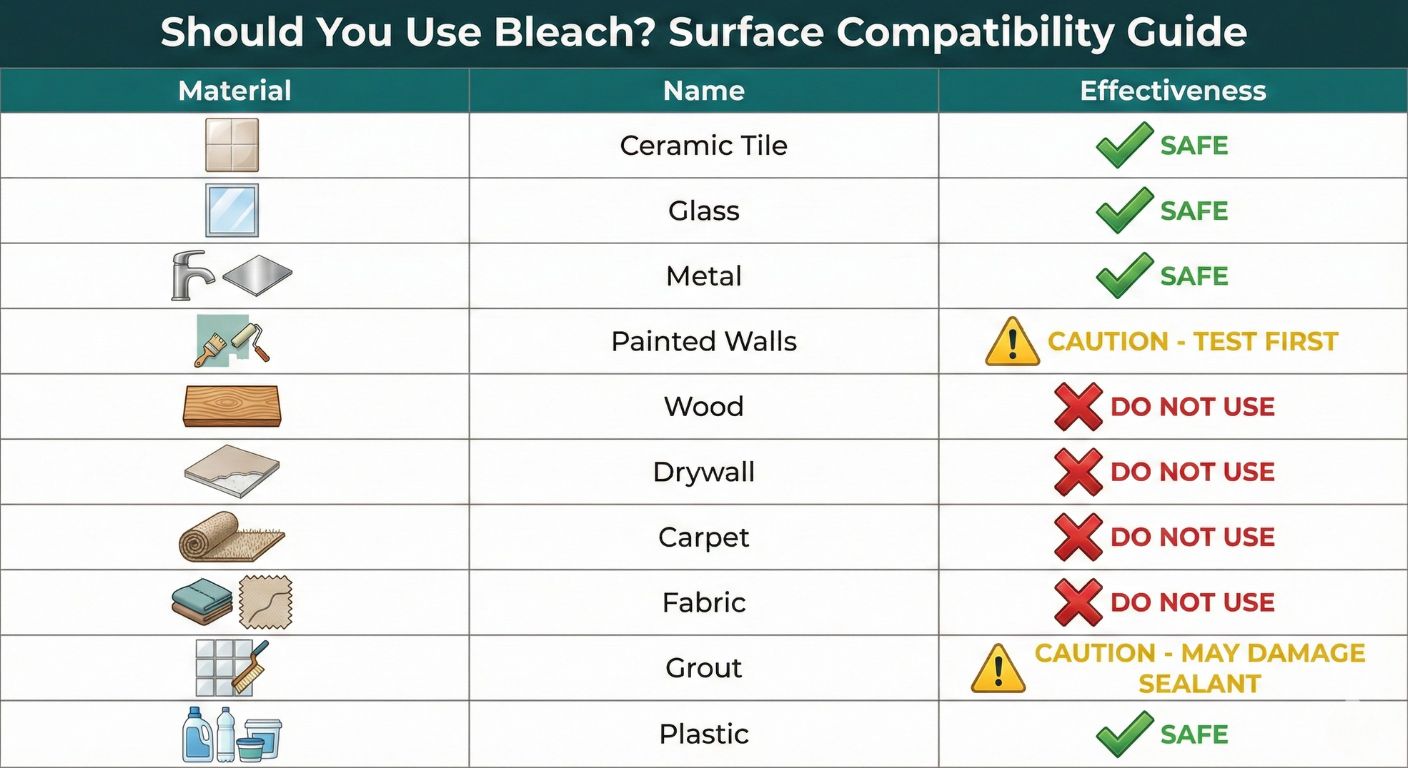
Even small errors can ruin a plastic table cover.
Never Use Bleach or Ammonia
Bleach dries out vinyl, making it brittle and prone to cracking. Ammonia clouds clear plastic and damages the surface. Stick to vinegar and mild soap.
Skip the Hot Water
Hot water can warp or shrink plastic. Always use lukewarm or cold water for cleaning and rinsing.
Do Not Use Abrasive Tools
Steel wool, harsh scrub pads, or stiff brushes scratch the surface and remove the protective coating. Use only soft sponges and cloths.
Never Tumble Dry on High
Dryers generate heat that melts or cracks vinyl. If using a dryer at all, use low heat for two to three minutes only, and only to loosen wrinkles.
Do Not Leave Flannel-Backed Covers in Rain
The fabric backing absorbs water, leading to mold growth. These covers are waterproof on top but not safe for prolonged outdoor wet conditions.
Removing Wrinkles from Plastic Table Covers
Wrinkles happen, but high heat is dangerous.
Sun or Hairdryer Method
Lay the cover flat in indirect sunlight for a few hours. It will naturally relax. Or use a hairdryer on low heat, held twelve inches away, moving constantly.
Iron as Last Resort
If ironing is necessary, use low heat only. Place a damp cotton cloth between the iron and vinyl. Iron the back side, especially for flannel-backed covers. Lift the iron. Do not slide it.
How to Make Your Plastic Table Cover Last Longer
A plastic table cover can last two to five years with proper care.
Use Trivets for Hot Dishes
Never place hot pots or pans directly on the cover. Use cork coasters, trivets, or heat-resistant mats to prevent melting or heat stains.
Control Static Indoors
Dry air causes static cling. Lightly mist the underside with diluted vinegar or wipe with a fabric softener sheet. Humidifiers also help.
Repair Small Tears
For minor rips, use a vinyl repair kit or patch with matching fabric on the underside. Sew carefully with a vinyl needle to avoid further tearing.
Key Takeaways for Cleaning Your Plastic Table Cover
Cleaning a plastic table cover does not require harsh chemicals or complicated steps. With mild soap, vinegar, and a soft cloth, you can keep it looking new. Always dry thoroughly before storing, and roll the cover instead of folding to prevent creases.
Avoid bleach, heat, and abrasives at all costs. These cause cloudiness, cracking, and permanent damage. For clear vinyl, stick to the vinegar-to-water ratio of one to two and always buff dry with a lint-free cloth.
By following these methods, your table cover stays hygienic, clear, and crack-free, ready for every meal, party, or outdoor gathering.
Frequently Asked Questions About Cleaning Plastic Table Covers
Can I use bleach to clean a plastic table cover?
No. Bleach dries out vinyl and plastic, making them brittle and prone to cracking. Always use mild dish soap, vinegar, or baking soda instead. Harsh chemicals will damage the material permanently.
How do I remove ink stains from a vinyl tablecloth?
Act quickly. Dab the stain with rubbing alcohol or nail polish remover. Test on a hidden area first. Gently rub the area about six times. If the ink does not lift, it has likely set and may be permanent.
Can I machine wash a plastic table cover?
Only if it is heavy-duty vinyl without flannel backing. Use a gentle cycle with cold water and mild detergent. Never use fabric softener. Remove immediately and air dry. Never tumble dry on high heat.
Why does my clear vinyl table cover look cloudy?
Cloudiness comes from wax, ammonia-based cleaners, soap residue, or acetone damage. Wipe with a one-to-one vinegar-water solution and rinse thoroughly. Avoid paper towels, which scratch the surface.
How often should I clean my plastic table cover?
Wipe down after every use for daily maintenance. Deep clean by hand every three uses or weekly for tables used daily. Clean thoroughly before long-term storage.
How do I store a plastic table cover to prevent wrinkles?
Always ensure the cover is completely dry. Roll it around a cardboard tube instead of folding. Store in a breathable bag in a cool, dark place. Do not stack heavy items on top.