How to Remove Glue From Wood Table
Spilled glue on your wood table? Whether it’s dried PVA, stubborn super glue, or sticky residue from a label, removing adhesive from wood requires care to avoid damaging the finish or leaving behind invisible residue that ruins future staining. The key is acting quickly and choosing the right method based on the type of glue and whether your table is finished or unfinished.
Left untreated, even a thin film of dried glue clogs wood pores, leading to blotchy stains, uneven finishes, or permanent discoloration. This guide walks you through proven methods, step by step, so you can remove any glue without harming your wood surface.
Identify the Glue Type First
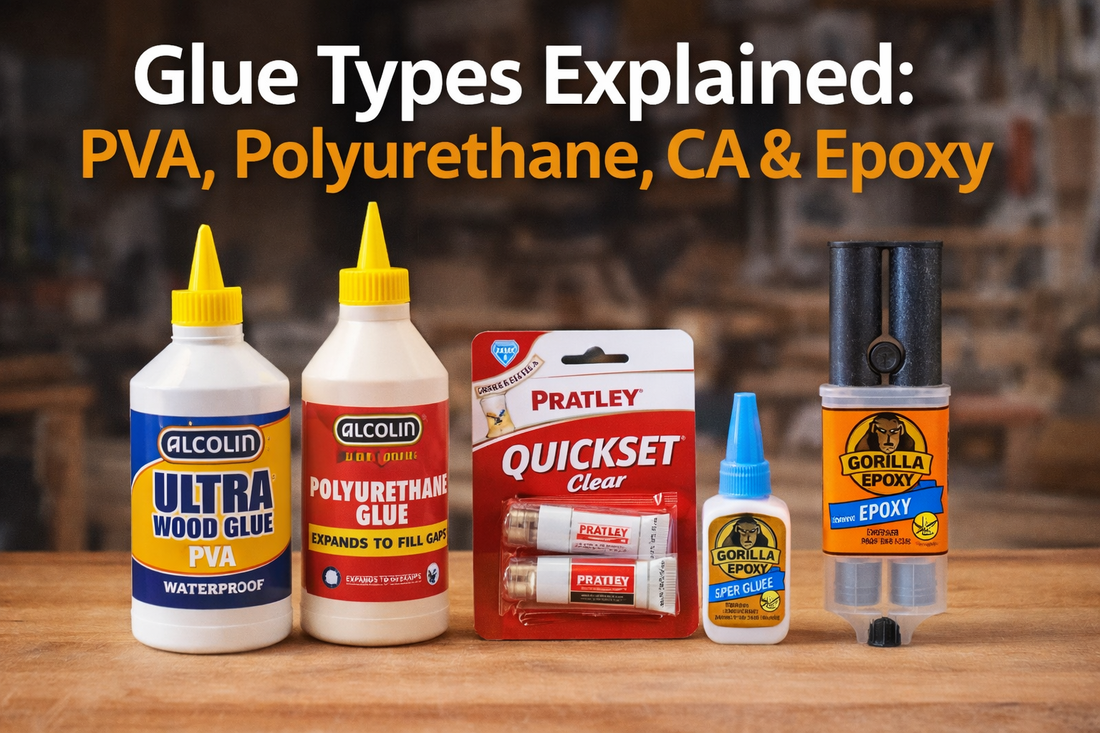
Before applying any solvent or tool, determine what kind of adhesive you are dealing with. The wrong approach can damage your table’s finish or make the problem worse.
Check Common Glue Types
- PVA (White/Yellow) Glue: Dries clear or amber; water-based; responds well to vinegar or heat
- Polyurethane (Gorilla Glue): Expands as it cures; foamy texture; needs acetone after scraping
- Super Glue (Cyanoacrylate): Hard, brittle, fast-setting; requires acetone
- Epoxy: Two-part, rock-hard; resists most solvents; needs heat and acetone
- Nail Glue: Often acrylic-based; may stain wood; use alcohol or acetone carefully
- Hide Glue: Found in antiques; softens with heat and moisture
Use Visual and Texture Clues
Look at the color, texture, and hardness. Fresh PVA is soft and milky. Cured super glue is glassy and hard. If you are unsure what type of glue you have, test solvents on a hidden spot first before applying them to the visible area.
Remove Fresh Glue Immediately
The best time to remove glue is within 30 to 60 minutes of application, before it fully cures. At this stage, the glue is soft enough to scrape off easily but stiff enough to avoid smearing into the wood pores.
Scrape While Soft
Use a plastic scraper, credit card, or butter knife to gently lift the glue. Hold the tool flat against the surface and scrape in the direction of the grain. On unfinished wood, a card scraper works best.
Never wipe wet glue with a damp cloth. This spreads it deeper into the pores and causes invisible contamination that leads to blotchy staining later.
Blot, Do Not Rub
For small spills, blot gently with a dry paper towel to absorb excess. Avoid pressing down, which forces glue into the wood. Work quickly but carefully to catch the glue before it sets.
Scrape Off Dried Glue Safely
Once glue hardens, mechanical removal comes first, especially for thick buildup. The approach differs depending on whether your table has a finish.
Use Plastic Tools on Finished Wood
Metal scrapers will scratch varnish or polyurethane. Instead, use a plastic putty knife, old credit card, or Goo Gone Sticker Lifter. Work slowly, lifting edges and peeling away chunks. Apply heat with a hair dryer first to soften stubborn spots.
Try a Razor Blade Carefully
If plastic tools fail, a single-edge razor blade can be used, but only if held at a near-flat angle and moved with the grain. One slip can gouge the wood or strip the finish entirely. This method requires patience and a steady hand.
Use Vinegar for PVA Glue

White vinegar is the safest, most effective solution for dried PVA (white or yellow) glue on finished wood. The acetic acid softens water-based glues without damaging most finishes.
Apply Vinegar Precisely
Dip a Q-tip or wooden toothpick into white vinegar and dab it directly onto the glue spot. Avoid soaking surrounding areas. Let it sit for 2 to 5 minutes to soften the bond, then gently scrape with a plastic tool. Repeat if needed.
Vinegar will not damage most finishes and evaporates cleanly without leaving residue.
Dilute for Sensitive Surfaces
Mix equal parts vinegar and water for antique or delicate finishes. Always test in an inconspicuous area first to ensure the solution does not dull or discolor the finish.
Try Heat for Softening Glue
Heat softens thermoplastic adhesives like PVA and hide glue without using harsh chemicals. This method is safe for most finished surfaces.
Use a Hair Dryer Safely
Hold a hair dryer 6 to 8 inches from the surface. Move constantly to avoid scorching. Warm the glue for 30 to 60 seconds until it softens but does not liquefy. Immediately scrape with a plastic tool while it is warm.
Never use a heat gun on finished wood. It can blister varnish or burn the surface. A hair dryer provides enough heat for most situations without the risk.
Steam for Antiques
For hide glue in vintage furniture, apply steam with a damp cloth and iron on low heat with no steam setting. The moisture and heat reverse the bond, making the glue easy to wipe away. This technique is specifically effective for antique restoration.
Use Acetone for Tough Glues

Acetone dissolves super glue, epoxy, polyurethane glue, and nail glue, but it is harsh on finishes and should be used with caution.
Apply Acetone with Caution
Soak a cotton ball in pure acetone or acetone-based nail polish remover. Dab onto the glue without rubbing. Wait 5 to 10 minutes, then scrape softened glue gently. Repeat for thick layers.
Acetone removes varnish, lacquer, shellac, and some paints. Only use on unfinished wood or test first on a hidden area. If the finish wrinkles or dulls when tested, do not proceed on the visible surface.
Test Finish Compatibility
Apply a drop of acetone to a hidden spot like the table underside. If the finish changes appearance, you will need to refinish the area after removal. This step is mandatory before using acetone on any finished table.
Clean Sticky Residue with Oil
For leftover stickiness from stickers, labels, or craft glue, oil breaks down adhesive safely without damaging finishes.
Use Cooking or Mineral Oil
Apply a few drops of cooking oil, baby oil, or mineral oil to a soft cloth. Rub gently in circular motions over the residue. Let it sit for 5 minutes, then wipe clean with a dry cloth.
Oil will not harm most finishes and is safe for daily-use tables. It works well for label residue that often builds up on new furniture.
Add Heat for Stubborn Spots
Warm the area slightly with a hair dryer before applying oil. Heat helps the oil penetrate the adhesive and lift it more effectively. This combination works well for old price stickers or shipping labels.
Try Isopropyl Alcohol for Light Glue
Rubbing alcohol works on fresh PVA glue, tape residue, and some nail glues. It is gentler than acetone but still effective for lighter adhesive problems.
Use High Concentration
Choose 90% or higher isopropyl alcohol. The standard 70% concentration is much less effective. Soak a cotton ball and dab onto the glue. Let it sit for 2 to 3 minutes, then wipe or scrape gently.
Alcohol may dull shellac finishes. Test on a hidden spot before applying to visible areas. If the finish remains unchanged, proceed with confidence.
Avoid These Common Mistakes
Even small errors can cause permanent damage to your wood table. Learn what not to do before you start.
Never Use Water on Wet Glue
Damp cloths spread glue into pores, creating invisible stains that show up later during staining or finishing. Always scrape or blot dry instead.
Skip Metal Scrapers on Finished Wood
Steel blades cut through varnish and leave scratches that cannot be repaired without refinishing. Stick to plastic tools unless using a razor with extreme care and proper technique.
Do Not Skip the Test Spot
Always test solvents like acetone or alcohol on a hidden area. Finishes vary widely in chemical resistance, and a test prevents permanent damage to your table.
Avoid WD-40
WD-40 is ineffective on cured wood glue and leaves a greasy film that is hard to remove. It can also damage finishes. Stick to purpose-made adhesive removers instead.
Sand Only If Unfinished
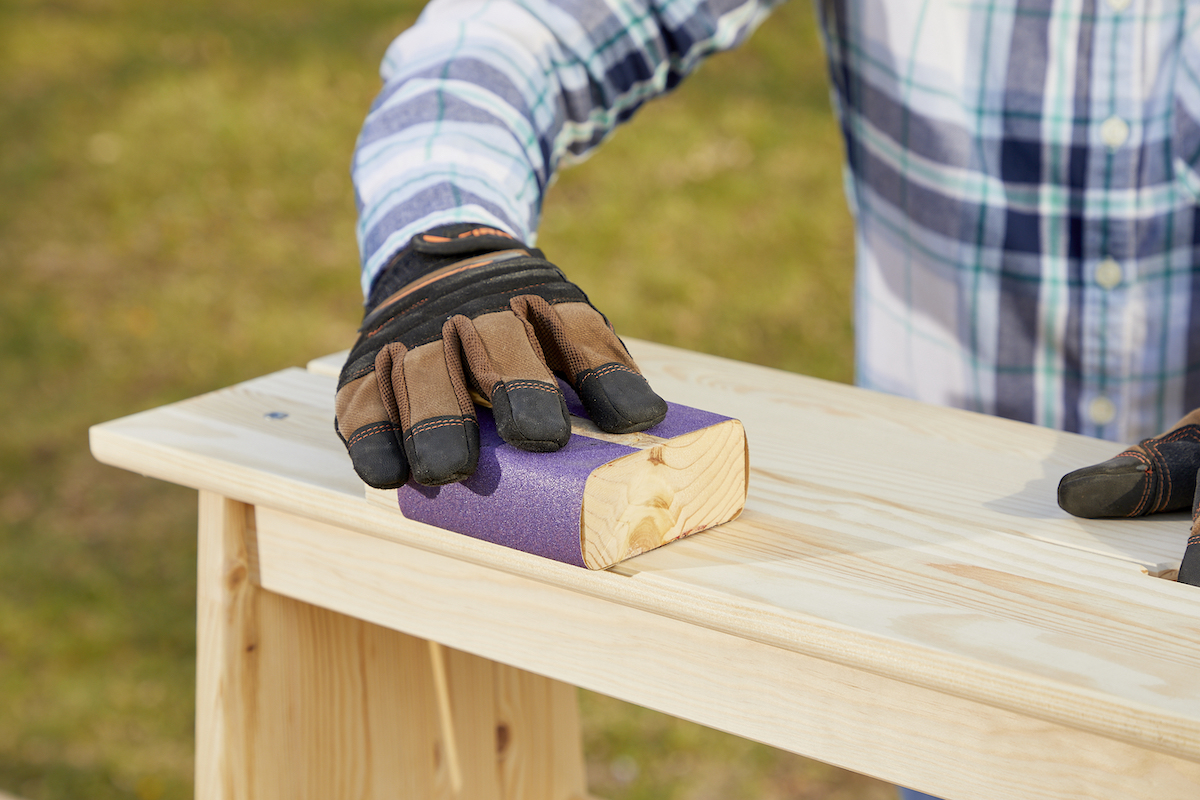
Sanding removes the top wood layer, eliminating glue-clogged pores. This is a critical step before staining but only works on unfinished wood.
Hand Sand for Control
Use fine-grit sandpaper (220 grit) and a flat sanding block. Sand lightly in the direction of the grain. Stop when the glue is gone and the surface is smooth. Wipe with a tack cloth to remove all dust.
Never sand finished wood. It strips the protective coating and requires complete refinishing to restore.
Use Foam Sanders for Curves
For rounded table edges, wrap sandpaper around a foam pad or use a flexible sanding sponge. This conforms to the shape and prevents gouging into the curve.
Restore the Surface After Cleaning
Once glue is gone, restore shine and protection, especially if solvents were used during the removal process.
Wash Off Oily Residue
After using Goo Gone or cooking oil, clean the area with hot, soapy water and a soft cloth. Rinse with a damp cloth, then dry thoroughly with a towel. Oily residue left behind can attract dirt and dull the finish.
Refinish If Needed
If the finish is dull, scratched, or stripped, apply furniture polish for light restoration. Use wood touch-up markers for small blemishes. For larger areas, apply clear varnish or polyurethane with a brush. Let it dry completely before using the table.
Prevent Future Glue Spills
A few smart habits protect your wood table from future accidents and save you cleanup time.
Use Protective Coverings
Place a silicone craft mat, plastic tray, or wax paper under glue projects. This catches drips and spills before they reach your table surface.
Clean Spills Fast
Wipe fresh glue immediately with a dry cloth. The 30 to 60 minute window is critical for easy removal. The longer you wait, the harder the cleanup becomes.
Store Glue Bottles Upright
Keep caps tightly closed and store bottles in a container to prevent leaks. Check bottle seals regularly, especially for older glue that may have dried around the cap.
Frequently Asked Questions About Removing Glue from Wood Tables
Will vinegar damage my wood table finish?
White vinegar is safe on most finished wood surfaces. It is a mild acid that softens PVA glue without harming varnish, polyurethane, or lacquer. Always test on a hidden spot first, and dilute with water for antique or delicate finishes.
Can I use acetone on a finished wood table?
Acetone will likely damage most finishes, including varnish, lacquer, and shellac. Only use acetone on unfinished wood or after testing a hidden area. If the finish wrinkles or dulls, you will need to refinish the area after glue removal.
How do I remove super glue without damaging the finish?
Apply acetone or acetone-based nail polish remover to the super glue. Let it sit for 5 to 10 minutes, then gently scrape. This method risks finish damage, so test first. For finished tables, consider hiring a professional if the glue covers a large area.
What removes dried PVA glue from unfinished wood?
Scrape off the bulk with a card scraper, then sand the area with fine-grit sandpaper to remove glue from the pores. Sanding is essential before staining because solvents alone may leave pores clogged, causing uneven finish absorption.
Does heat help remove glue from wood tables?
Yes, heat softens PVA glue and hide glue effectively. Use a hair dryer held 6 to 8 inches from the surface. Keep it moving to avoid scorching. Once softened, scrape immediately with a plastic tool. Never use a heat gun on finished wood.
How do I get sticky residue off a finished table?
Apply cooking oil, baby oil, or mineral oil to a soft cloth and rub the residue in circles. Let it sit for 5 minutes, then wipe clean. For stubborn spots, warm the area with a hair dryer first to help the oil penetrate.
Key Takeaways for Removing Glue from Your Wood Table
:max_bytes(150000):strip_icc()/Howtoremoveglueandadhesivestainsfromfurniture-d1a917448aae46349cf58903b64216ca.jpg)
Removing glue from a wood table is all about matching the right method to the right glue type. Use white vinegar for PVA glue on finished wood, acetone for super glue and epoxy (with caution), and heat or oil for safer options on delicate surfaces. Always identify the glue type first, because each adhesive responds differently to solvents and mechanical removal.
Test every solvent on a hidden spot before applying it to visible areas. Never use water on wet glue, avoid metal tools on finished surfaces, and skip WD-40, which leaves greasy residue. Sanding is the only way to fully clear clogged pores, but only on unfinished wood.
Act quickly within the 30 to 60 minute window when glue is still soft. Keep plastic scrapers, white vinegar, and a hair dryer handy for quick cleanup. With these steps, your table can look as good as new.