
How to Style a Dining Table
Your dining table is more than just a place to eat. It is the heart of your home, a gathering spot for family and friends, and a canvas for expressing your personal style. Whether your table sits in a cozy kitchen nook or commands attention in a formal dining room, a well-styled surface transforms everyday moments into something special. The secret lies not in perfection, but in intentionality. Avoid the extremes of leaving it cluttered with mail and devices, but also resist treating it like a museum piece you are afraid to use.
Styling your dining table does not require special occasions or dinner parties. With the right formulas and components, you can create a daily display that invites conversation and brings warmth to your space. This guide walks you through proven styling formulas, thematic approaches, and essential elements that help you build a table setting you will love coming home to.
Choose a Styling Formula

Before selecting decorative objects, establish a structural framework for your arrangement. These foundational formulas provide the skeleton upon which specific elements are added.
Start with One Statement Piece
Make an instant visual impact by anchoring your table with a single bold object. This method works best on large surfaces or minimalist spaces where additional decor might feel overwhelming.
The item must be substantial. A small bowl or modest vase will look lost in the center of a spacious table. Consider these options for commanding presence.
An oversized shell bowl creates a sculptural silhouette that draws the eye immediately. A wide-mouthed ceramic vase makes a dramatic statement whether filled with branches or standing empty. A long woven basket that stretches down the center of a rectangular table adds organic texture and serves as a functional container.
Use your statement piece to hold seasonal fruit, dried branches, or a single stem arrangement. The goal is visual weight: one sculptural element that defines the space without competing for attention.
Group in Threes for Balance
The rule of three is a timeless design principle that creates rhythm and harmony on any table surface. Arrange three similar items in a triangle formation to achieve balanced visual interest.
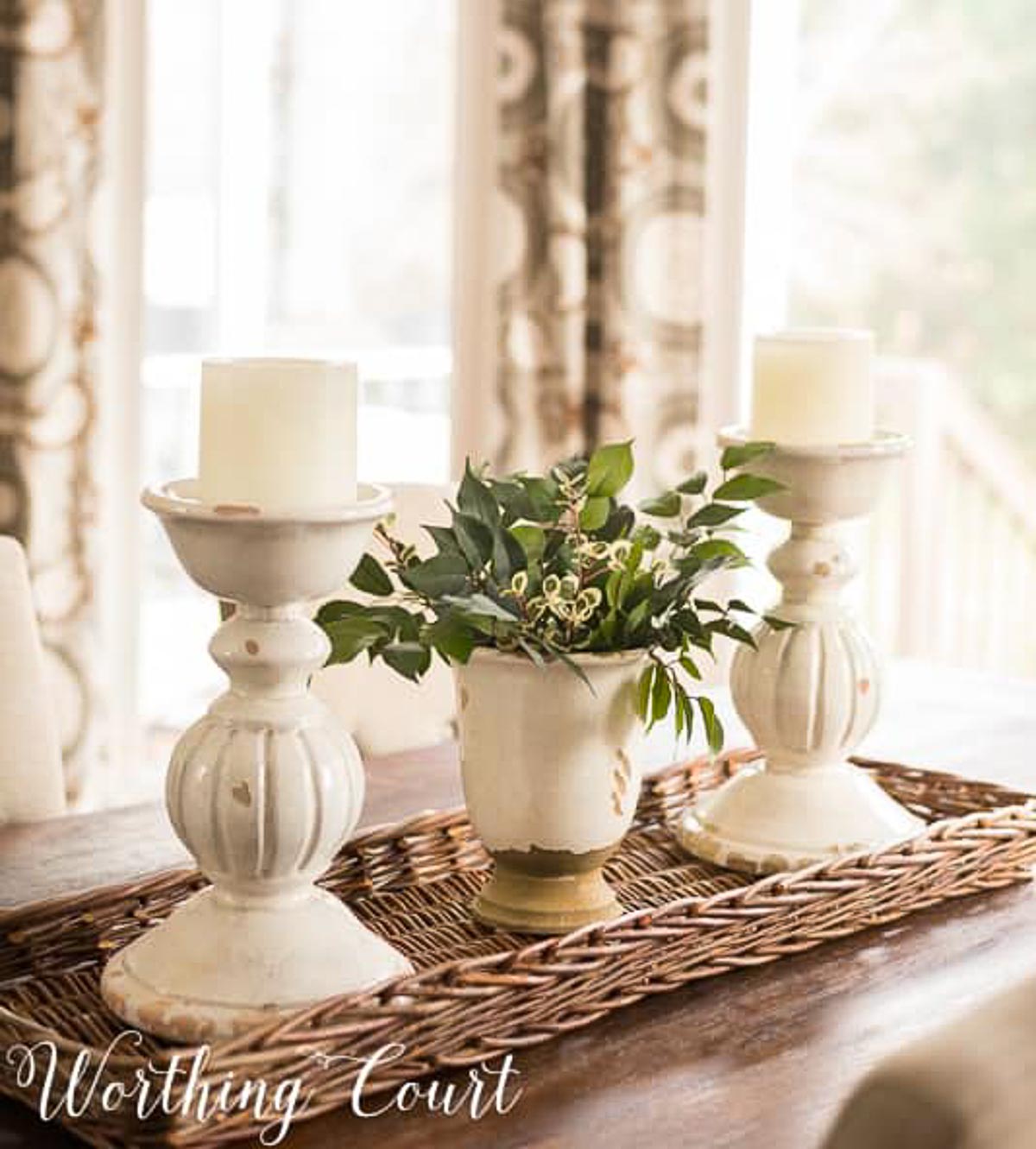
Matched sets feel polished and refined. Mixing heights or finishes adds relaxed, approachable charm. Try a tall brass candlestick flanked by two low ceramic pots, or cluster three vases of varying heights in the same color family.
This grouping works beautifully on round or square tables, offering symmetry without rigidity. Keep spacing even, about 6 to 8 inches between pieces, and vary textures to avoid monotony. Pair matte with shiny, smooth with woven, or natural with metallic.
Create a Casual Vignette
A curated vignette mimics a moment frozen in time: a stack of books beside a bowl of lemons, a candle next to a sprig of eucalyptus. This approach appears effortless but requires careful execution.
Limit yourself to 3 to 5 objects and focus on height variation. Combine a tall item like a slender vase, a medium piece such as a small stack of plates, and a low element like a tray or bowl. Include something alive—fresh flowers, citrus, or herbs—to bring energy and movement to the arrangement.
The trick is making it look natural, not staged. If the arrangement feels cluttered, remove one item. This style shines in open-concept homes where the table remains on display throughout the day.
Build a Functional Base
For tables that serve multiple purposes, build your styling around functionality without sacrificing aesthetics.
Use a Tray to Contain and Move
When your table doubles as a homework station, snack zone, or work surface, a decorative tray acts as a functional anchor that preserves your styling investment.
Choose a vintage silver tray, a wooden breadboard, or an enamelware platter that complements your aesthetic. Place a bowl, candle, or small vase on top. When meal prep or work takes over, simply lift the entire arrangement and set it aside on a countertop.
This method keeps your styling intact while preserving usability. Trays also add cohesion, grouping mismatched items into a unified display that can be relocated instantly.
Try the Half-and-Half Approach
Blend decor with utility to maximize function without compromising style. Use a beautiful bowl that holds pears or lemons during dinner service and serves as a decorative element when empty.
A tureen can serve soup one evening and act as a sculptural centerpiece the next. This method suits small spaces or busy families who need flexibility. It also simplifies entertaining: your centerpiece doubles as serving ware, reducing last-minute setup stress.
Match Style to Theme

Specific aesthetics require tailored approaches to materials, colors, and object selection. Choose a theme that reflects your home and lifestyle.
Elevate for Entertaining
When hosting guests, layer your table to create a sense of abundance and hospitality. Begin with chargers beneath dinner plates, then add salad bowls on top to build visual depth.
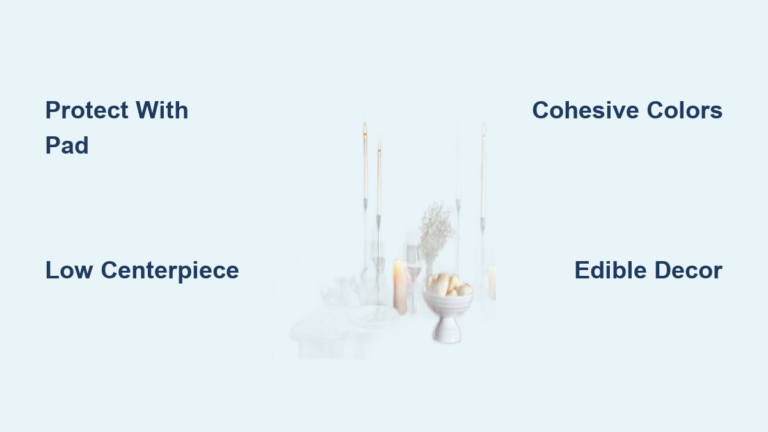
Extend that layering to the center of the table. Stack ceramic bowls, add serving boards, or cluster vintage dishes in groupings that encourage sharing. Keep centerpieces low, under 12 inches, so guests can see each other across the table.
For romantic ambiance, use roses or peonies in blush tones. Add drama with metallics: brushed gold flatware, brass candlesticks, or amber glassware. Scatter rosemary sprigs on napkins for fragrance and freshness. Echo fruit tones in your color scheme—crimson for pomegranates, soft green for figs.
Embrace Coastal Light
For a breezy, sun-bleached aesthetic, start with a light wood table finished in natural oak or a whitewashed treatment. These finishes wear well and hide minor scratches while establishing an airy foundation.
Pair your table with sky-blue linen runners, rattan placemats, and brushed gold accents. Use clear or ruched glassware to catch and reflect light. Centerpieces should feel light and airy: a low bowl of shells, a vintage coral piece, or eucalyptus in a clear vase.
Scatter small lanterns down the table for a soft glow at dusk. Avoid dark or heavy florals. Instead, opt for white daisies or baby’s breath in mason jars. The overall effect should evoke sand, sunlight, and ocean breezes.
Go Earthy and Organic
This minimalist-modern style celebrates raw textures and grounding tones. Use earthenware plates, linen napkins, and woven placemats to establish an organic foundation.
A single monstera leaf or small potted fern becomes a powerful centerpiece. Cluster candles of different heights in ceramic holders to create flickering depth. At night, the candlelight dances across the table’s surface, transforming the mood entirely.
Keep colors soft and natural: warm beiges, sage greens, and creamy whites. Tuck a sprig of olive into each napkin for subtle elegance that rewards close inspection. This look feels calm, grounding, and connected to nature.
Lean Into Rustic Charm
Farmhouse style thrives on imperfection and vintage character. Pair a reclaimed wood table with mismatched chairs or white Windsor chairs for appealing contrast.
Use vintage accents that tell a story: a green ice cream bucket as a planter, a wire basket for bread, or a wooden crate holding seasonal fruit. Display rustic pears in a pitcher or stack enamelware bowls for authentic farmhouse appeal.
Lighting should feel nostalgic—enamel pendants or blue glass lanterns cast a warm, welcoming glow. This look is forgiving of daily wear and encourages relaxed, comfortable dining.
Capture French Country Flair
Think soft blues, floral patterns, and vintage china. Use a blue-and-white runner as your foundation, then mix floral plates with solid-toned serving pieces.
Add lilac or lavender bouquets in ceramic pitchers for romantic, fragrant centerpieces. Distressed wood furniture and lace accents enhance the shabby-chic vibe. Fold napkins into loose knots or tie them with twine for casual elegance.
This style feels romantic and timeless, perfect for brunches, spring gatherings, or any occasion that calls for gentle sophistication.
Select Key Components
Certain elements consistently appear in beautifully styled tables. Mastering their selection and placement elevates your entire approach.
Add Life with Florals and Greenery
Fresh flowers elevate any table but are not always practical for everyday styling. High-quality faux arrangements work well for daily display—just keep them dust-free.
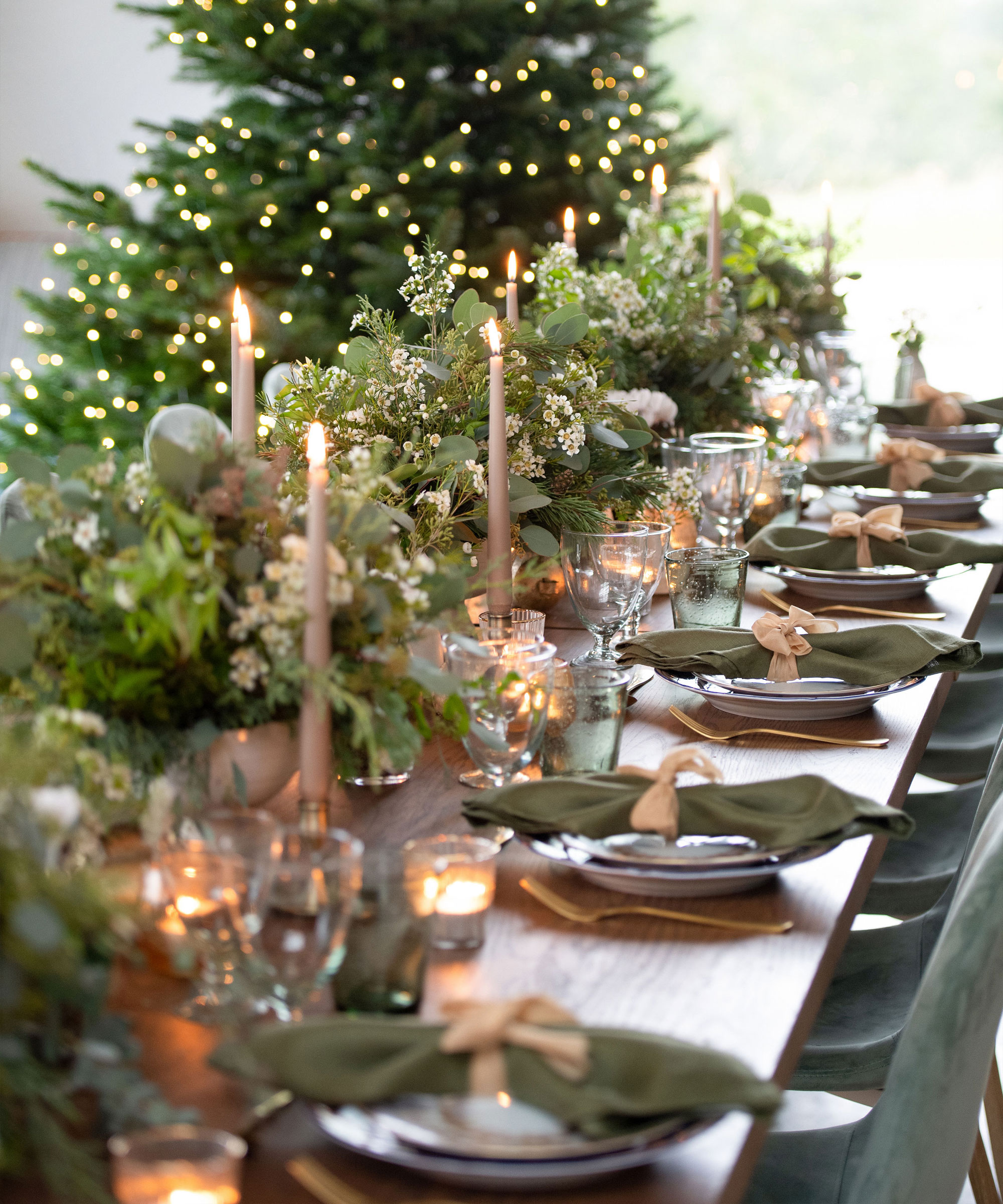
For real florals, choose long-lasting stems like eucalyptus, magnolia, or orchids. Branches add height and movement; a single monstera leaf makes a bold architectural statement. Seasonal rotations keep things feeling fresh: white blooms in winter, sunflowers in fall, daisies in summer.
Scatter sprigs on napkins or tuck them into glassware for a detail that surprises and delights guests. Even a simple sprig of rosemary adds fragrance and visual interest.
Set the Mood with Candles
Candles serve double duty as decorative objects and atmosphere creators. Taper candles in brass holders add height and formal elegance. Hurricanes protect flames while creating warm pools of light. Pillar candles in varying sizes bring bulk and cozy intimacy.
For safety or convenience, use battery-operated versions, especially near children or in frequently unused rooms. Cluster three or more candles at different heights for visual rhythm.
For a unique twist, place tea lights inside birdcages or glass cloches. Candles look sculptural when unlit and create intimacy when glowing.
Choose Vessels with Purpose
Vases, bowls, and planters do more than hold things. They define your style and anchor your arrangement.
Tall vases suit branches or single dramatic stems. Short, wide vases showcase full, lush blooms. Footed bowls elevate fruit displays and draw attention. A vintage tureen can anchor a rustic table, especially when paired with candlesticks.
Consider painting the inside of a planter for a hidden pop of color visible only when looking directly inside.
Layer with Textiles
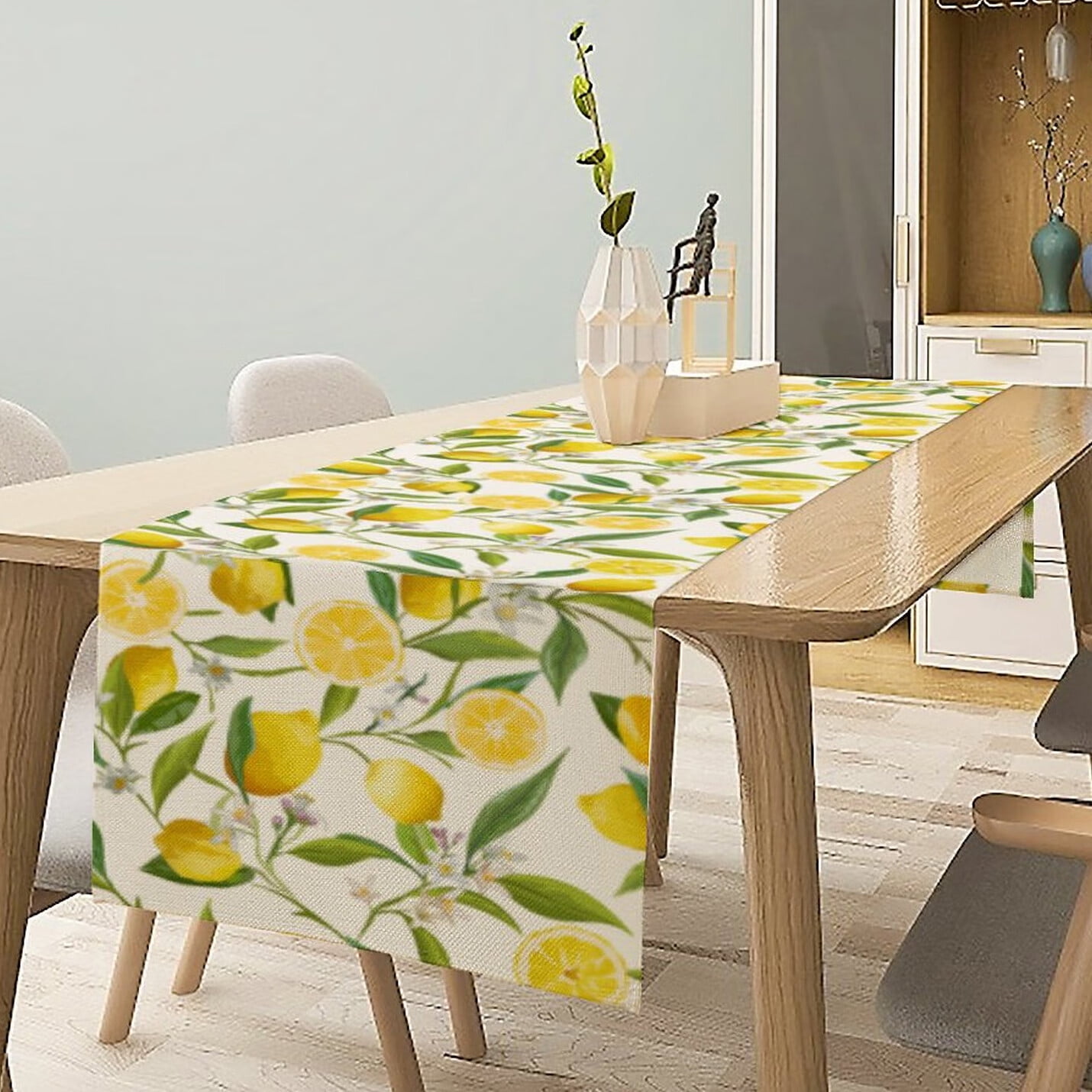
A runner instantly adds color and texture to your table. Swap it seasonally: warm plaids in winter, light linens in summer.
Linen napkins feel luxurious and drape beautifully. Use napkin rings to keep them tidy. Fold napkins simply—rectangle or triangle—or get creative by rolling them and securing with twine.
A table throw can cover imperfections or add a bold color base, especially on glass or dark tables. This layer provides flexibility and seasonal adaptability.
Personalize with Unique Touches

Handmade details transform a table from ordinary to memorable. Add personal touches that reflect your creativity and care.
Add Origami Boat Place Cards
A crafted detail makes guests feel special. Try origami boats as place cards or conversation starters.
Begin with a square paper napkin or paper, pattern side down. Fold in half to form a rectangle, then bring top corners to the center to create a triangle. Lift the front bottom flap and fold up, then flip and repeat on the back. Open and press flat into a square, then fold the bottom point to the top. Flip and repeat, then open into a square again.
Gently pull the top points apart to form the hull. Pinch the base to stabilize. For optional sails, cut small triangles from paper, attach to cocktail sticks, and tuck into the center seam.
Write names on the sails or include fun facts. If folding is not your strength, use embroidered napkins or handwritten menus instead.
Display Collected Accents
Show off a curated collection: blue-and-white pottery, weathered grey vases, or red Mexican ceramics. Group 3 to 5 pieces in one color family for cohesion.
A stack of vintage books under a bowl adds height and intellectual character. Driftwood works exceptionally well for coastal tables—it wipes down easily and provides naturally striking texture.
Adapt to Room and Season
Your table does not exist in isolation. Consider the surrounding environment and rotate themes to keep your space feeling current.
Consider Lighting and Furniture
A statement chandelier should scale with your table—ideally 12 inches narrower than the table’s width. Use a dimmer switch to shift from bright daytime functionality to intimate evening ambiance.
Wall sconces add soft light without cluttering the table surface. Choose chairs for comfort first; guests should remain seated for hours without squirming. Use sideboards or trolleys to store extra dishes and wine, keeping the table clear when meals are served.
Position your table near French doors to maximize natural light and create a scenic backdrop for dining.
Update for Seasons and Occasions
Keep your table feeling fresh by rotating themes throughout the year.
Fall calls for warm-toned florals, apples, pears, and amber glassware. Winter welcomes evergreen sprigs, pinecones, white candles, and metallic accents. Spring brings pastel blooms, fresh herbs, and light runners. Summer suits seashells, citrus, and airy linens.
Holidays offer opportunities for creativity: Christmas lights in chandeliers, candle-filled birdcages, festive centerpieces. For everyday use, choose durable, wipeable materials, especially for outdoor tables.
Follow Core Design Rules
These principles ensure your styling decisions create cohesive, intentional results.
Vary Height and Texture
Always mix tall and short elements. A 10-inch vase beside a flat tray creates visual interest. Combine smooth ceramics with rough wood, matte finishes with shiny metal.
This contrast keeps the eye moving and prevents flatness. Vary textures deliberately to create depth and tactile appeal.
Stick to a Cohesive Palette
Choose a color story and commit to it. All-white ceramics feel serene and sophisticated. Earthy terracotta and sage green evoke nature and warmth. A blue-and-white theme ties French country styling together beautifully.
Even eclectic styles need unity. Limit your mix to one dominant color or material to prevent chaos.
Prioritize Intentionality
Every item should earn its place. If the table looks like a catch-all for papers and keys, remove everything and start fresh.
Ask yourself: does this add beauty or function? If the answer is no, store it elsewhere. A styled table should feel curated, not cluttered.
Layer for Depth
Stack plates, layer a runner under a tray, place a candle inside a bowl. Layering adds richness and generosity to your display.
But do not overdo it. Three layers max create sufficient depth without overwhelming the space.
Bring in Nature
Flowers, fruit, wood, stone. Organic elements breathe life into any table. Even a single lemon in a bowl or a sprig of rosemary on a napkin makes a meaningful difference.
Nature connects us to the present moment and softens hard surfaces. It adds freshness and authenticity that cannot be replicated by synthetic elements alone.
Frequently Asked Questions About Styling a Dining Table
How do I style a dining table for everyday use without it looking cluttered?
Aim for the middle ground between a formal display and a storage space. Choose one simple formula like the rule of three or a single statement piece. Use a tray to contain your arrangement so it can be moved when the table is needed for meals or work. Prioritize functionality by selecting items that serve dual purposes, like a beautiful bowl that holds fruit.
What is the rule of three in table styling?
The rule of three involves grouping three similar items to create visual balance and rhythm. Arrange them in a triangle formation with varying heights and textures. This principle works because odd numbers are more visually interesting than even numbers, and the triangular arrangement naturally draws the eye across the entire composition.
How do I choose the right centerpiece for my dining table?
Consider your table size, your overall home style, and how the table is used. Large tables can support oversized statement pieces; smaller tables need more modest arrangements. Match your centerpiece to your aesthetic theme—rustic for farmhouse, coastal for beachy, organic for modern. Ensure the centerpiece allows conversation by keeping it low enough that guests can see each other.
How often should I change my table decor?
You can update seasonal elements like runners and floral arrangements every season for a fresh feel. Major styling changes are not necessary for everyday enjoyment. Simply rotate accessories and textiles with the seasons, and refresh flowers or greenery when they wilt or accumulate dust.
What are the best low-maintenance options for dining table decor?
Use high-quality faux florals that look realistic but require no replacement. Choose wipeable materials like ceramic, glass, and metal over delicate fabrics. Incorporate natural elements like branches, stones, or wood that need no maintenance. Battery-operated candles provide ambiance without fire hazards or melting concerns.
Key Takeaways for Styling Your Dining Table
Styling a dining table is about finding balance between beauty and function, formality and ease, tradition and personal flair. Start simple with one bowl, a candle, and a sprig of greenery. Build from there using the formulas and themes that resonate with your lifestyle.
Remember the core principles: vary height and texture, stick to a cohesive palette, prioritize intentionality over clutter, layer for depth, and always bring in nature. Your table should reflect your home’s heart and gather people together.
The best tables are not perfect—they are lived in, thoughtful, and inviting. With these principles guiding your choices, you can create a space that brings joy every single day.